
Tips for New Bird Owners


Bringing a bird into your home is a wonderful decision, but it comes with its own set of challenges.
Whether you are adopting a parrot, finch, or budgie, understanding the basic care requirements, the environment, and how to socialize and train your bird is essential for a happy and healthy companion.
In this guide, we’ll explore everything you need to know about being a responsible bird owner, from choosing the right species to dealing with common behavioral issues.
Choosing the Right Bird for You

When considering bringing a bird into your home, it's crucial to choose the right species based on your lifestyle and living environment.
Not all birds have the same needs, so it’s important to do your research before making a decision.
Popular Bird Species for Beginners
Some birds are more suitable for first-time owners due to their friendly nature and manageable size. These include:
Budgies (Parakeets): Small, colorful, and playful, budgies are easy to care for and make great pets for beginners.
Cockatiels: Known for their calm demeanor and ability to mimic sounds, cockatiels are also a good option for first-time bird owners.
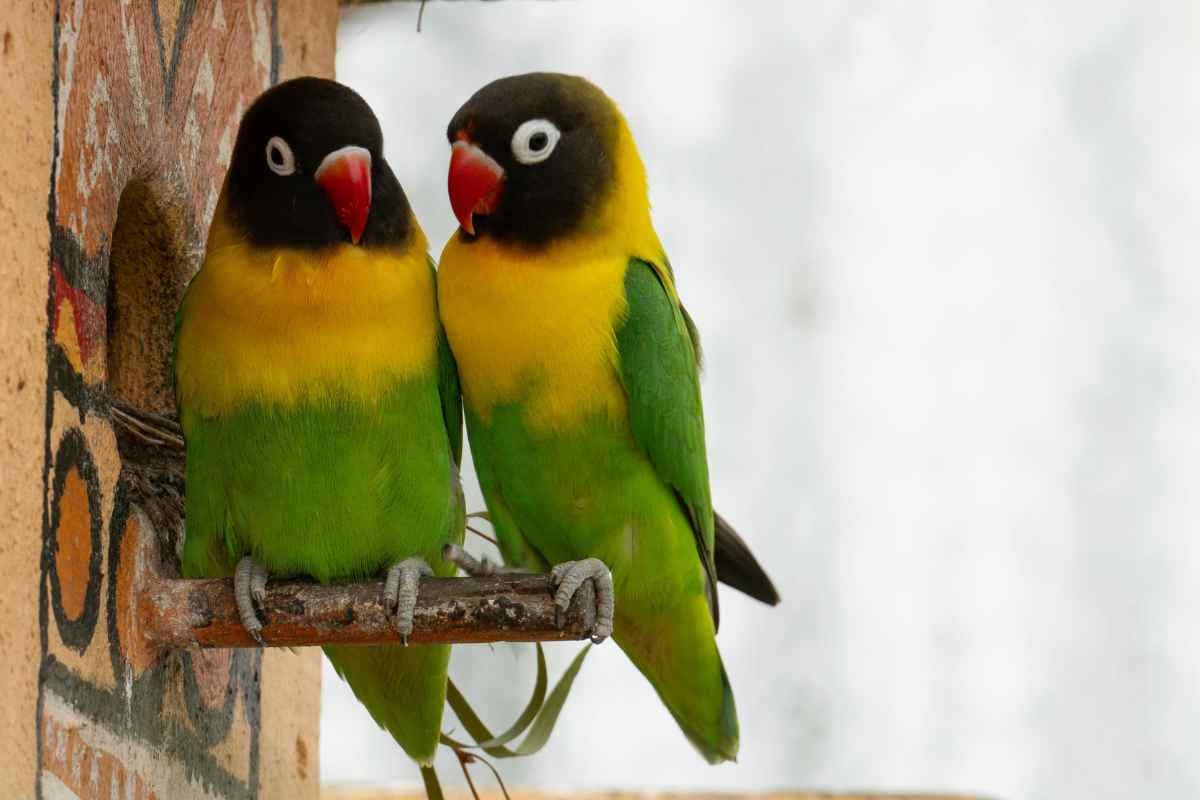
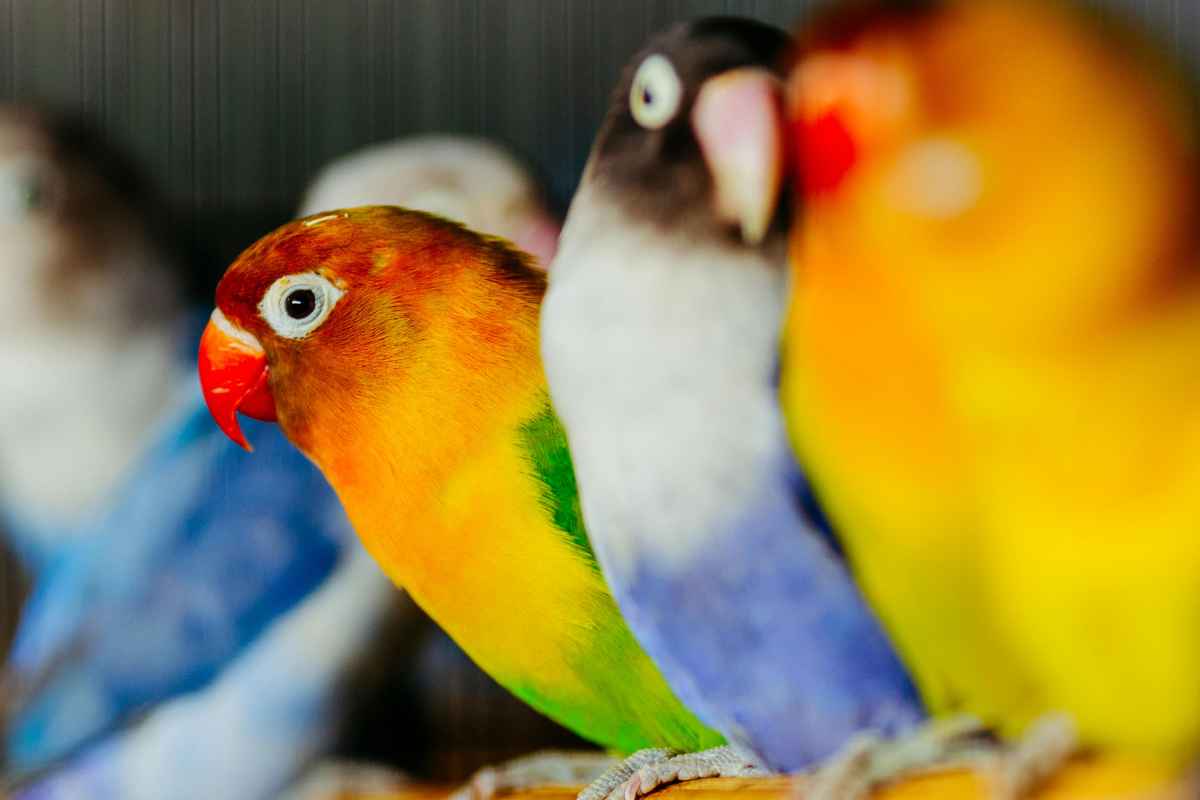
Lovebirds: These affectionate, social birds enjoy companionship and can thrive in pairs or small groups.
Other species, such as Macaws or African Grey Parrots, while beautiful and intelligent, require more experienced care due to their larger size and complex social needs.
Consider your available space, time, and the level of commitment you're willing to provide before selecting a species.
Preparing Your Home for Your New Bird

Before bringing your bird home, it's essential to prepare its environment.
Birds need a safe, comfortable space where they can thrive.
Setting Up the Cage
A bird's cage should be spacious enough for them to move around comfortably.
The general rule is that the cage should be at least two to three times the bird's wingspan.
Place the cage in a quiet but interactive area of the home, away from direct sunlight and drafts.
Perches: Vary the size and texture of perches to allow your bird to exercise its feet and claws. Use natural wood or rope perches, avoiding plastic ones.
Toys and Enrichment: Birds need mental stimulation to stay healthy and happy. Provide a variety of toys that encourage foraging, chewing, and problem-solving. Rotate toys regularly to keep things fresh.
Bird-Proofing Your Home
Birds are naturally curious, so make sure your home is bird-proofed to prevent accidents.
Keep windows and doors securely closed, and be mindful of toxic substances such as certain plants, cleaning products, and electrical cords.
Feeding Your Bird: Essential Nutritional Tips
Proper nutrition is vital for a bird’s health. Each species has specific dietary requirements, but there are some general guidelines to follow.
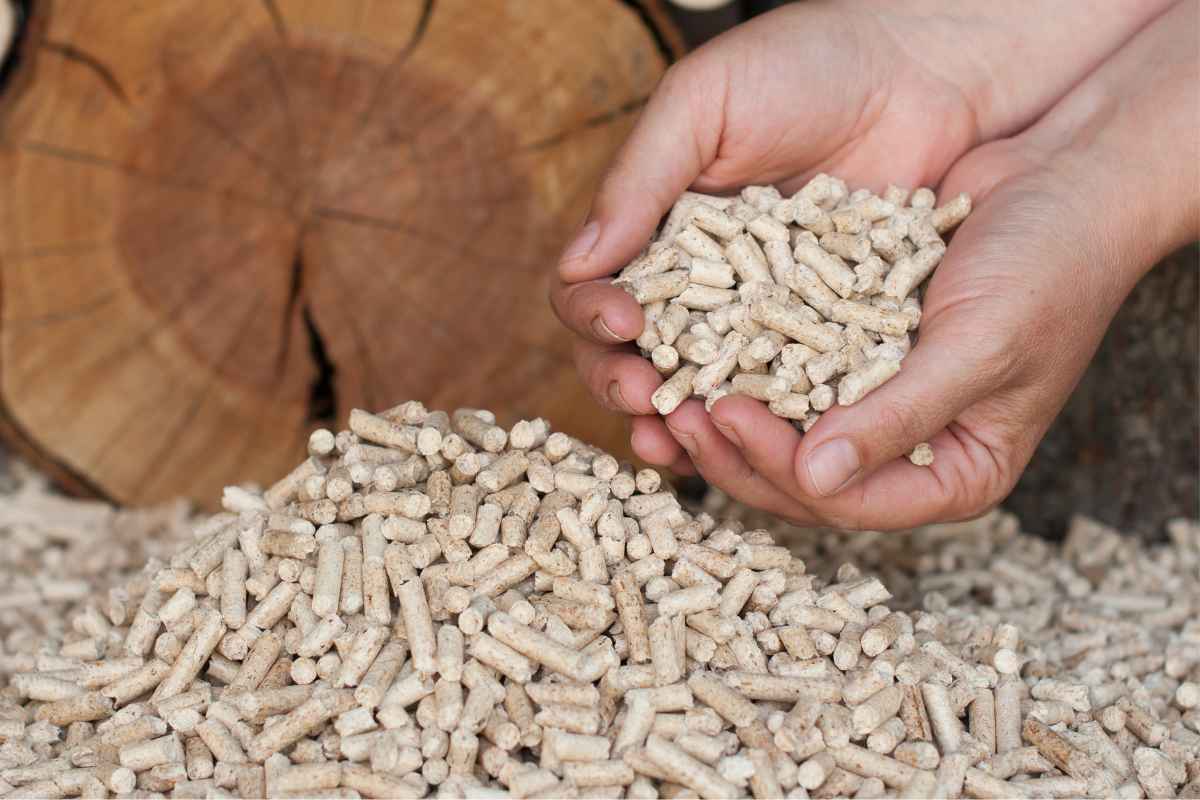
Basic Diet Components
Pellets: A high-quality pellet-based diet is an excellent foundation for most birds. Pellets provide balanced nutrients and help prevent picky eating.
Fresh Fruits and Vegetables: Incorporate a variety of fresh fruits and vegetables such as apples, carrots, spinach, and sweet potatoes into your bird's diet. These provide important vitamins and minerals.
Seeds: While seeds can be given as a treat, they should not make up the majority of your bird’s diet due to their high fat content.
Make sure to remove any leftover fresh food daily to prevent it from spoiling and attracting pests.
Always provide fresh, clean water in a container that your bird can easily drink from.
Socializing and Training Your Bird
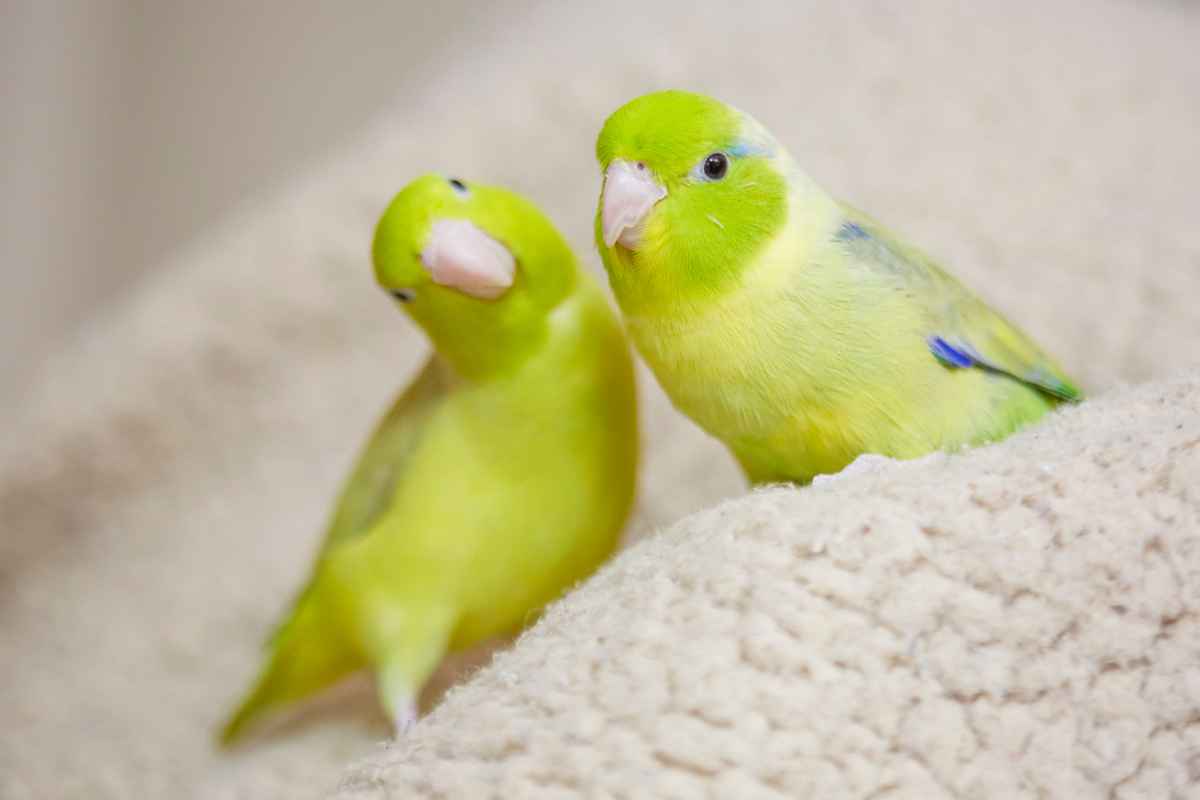
Birds are social creatures that thrive on interaction.
Establishing a bond with your bird early on will help ensure that it becomes well-adjusted and friendly.
Building Trust with Your Bird
Gentle Handling: Handle your bird gently and regularly, allowing it to become comfortable with your touch. Avoid sudden movements that may scare it.
Positive Reinforcement: Use positive reinforcement techniques like treats and praise to encourage desired behaviors such as stepping up onto your finger or interacting with toys.
Spending time out of the cage is essential for your bird’s social development. Let your bird fly or roam in a safe, bird-proofed area of the house. Never leave your bird unsupervised during free flight time.
Training Your Bird
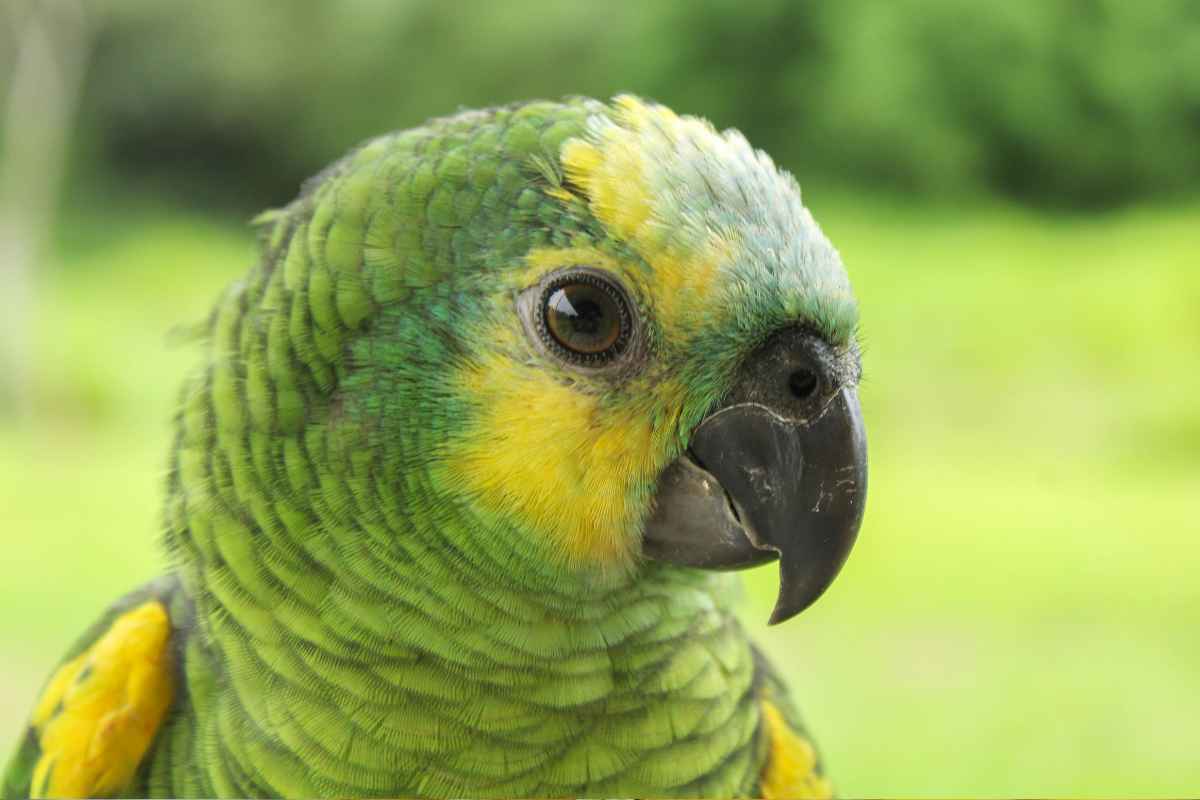
Training can help your bird learn useful skills and prevent undesirable behaviors.
Start with basic commands like "step up" or "stay" and gradually introduce new tricks.
Consistency is key to success in bird training.
Clicker Training: Many bird owners use clicker training to reinforce positive behaviors. This method involves using a clicker sound followed by a treat to indicate good behavior.
Training should be a fun, interactive experience for both you and your bird, fostering a deeper connection.
Understanding Your Bird’s Behavior
Birds communicate primarily through body language and vocalizations.
Being able to read your bird’s signals is crucial for its well-being.
Signs of a Happy Bird
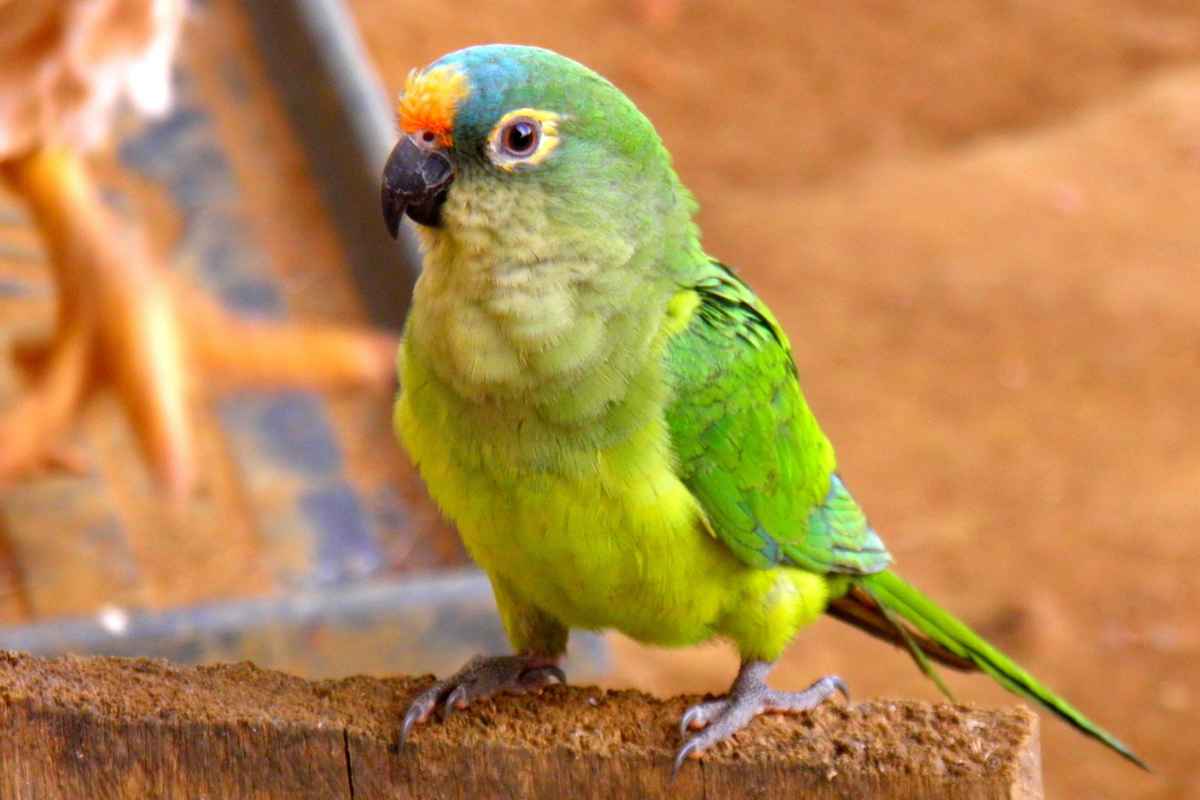
Relaxed Posture: A happy bird will often stand upright with its feathers smooth and wings slightly relaxed.
Chirping or Singing: Birds that chirp or sing are typically content and healthy.
Grooming: Birds that regularly groom themselves are likely feeling comfortable and secure.
Signs of Stress or Illness
Feather Plucking: Excessive feather plucking may indicate stress or boredom. If this occurs, review the bird’s environment and routine.
Lethargy or Loss of Appetite: If your bird is not eating, drinking, or is unusually quiet, it could be a sign of illness and should be examined by a veterinarian.
Pay close attention to any changes in behavior, as these may be the first signs of a problem.
Maintaining Your Bird's Health
Routine health care is essential to keep your bird in good condition.
Regular Vet Checkups
Schedule annual checkups with an avian vet who specializes in birds.
Regular exams can catch health problems early, such as parasites, infections, or nutritional deficiencies.
Ensure that the vet is familiar with your bird's species to provide the best care.
Beak, Claw, and Feather Care
Birds' beaks and claws should naturally wear down through regular activities. If your bird’s beak or claws are growing too long, consult your vet for proper trimming. Additionally, make sure your bird has access to items that encourage natural beak exercise, such as wooden toys.
Creating a Long-Term Bond with Your Bird
Owning a bird is a long-term commitment.
Birds can live for many years—some species, like the African Grey Parrot, can live up to 50 years or more.
To ensure your bird’s happiness, keep enriching its life with new experiences, toys, and companionship.
Traveling with Your Bird
If you plan on traveling, make sure to properly prepare by purchasing a suitable travel cage.
Practice placing your bird inside the cage for short trips before a long journey.
Always ensure your bird’s safety and comfort during travel.
Conclusion: Becoming a Responsible Bird Owner
Owning a bird is both a rewarding and challenging experience.
By choosing the right species, setting up a proper living environment, providing a balanced diet, and forming a bond with your bird, you can ensure it leads a happy and healthy life.
Remember, patience and consistency are key in building a lasting relationship with your feathered friend. With time, your bird will become a beloved member of your family.
Enjoy the experience of learning and growing together with your new companion!
Source: LoveBirds Awesomeness
Did you find this post useful or inspiring? Save THIS PIN to your Pets Board on Pinterest!

You may also like