
Top 10 Most Popular Talking Pet Birds


Are you fascinated by talking birds and wondering which species make the best talking pets? Birds are not only beautiful but can also become wonderful companions, especially if they have the ability to communicate.
In this article, we’ll explore the top 10 talking pet birds, providing insights on their personalities, care needs, and what makes them stand out in the avian world.
Whether you’re an experienced bird owner or considering bringing a feathered friend into your home, this guide will help you make an informed decision.
Understanding the Appeal of Talking Birds

Before diving into our list, let’s discuss what makes talking birds so special. Birds that mimic human speech can create a unique bond with their owners.
Their ability to replicate sounds, words, and even phrases can make them feel like a part of the family.
However, not all birds are equally talented in the art of communication, so it’s important to understand which species are known for their vocal abilities.
While some birds are naturally chatty, others require patience, training, and time to develop their speaking skills.
Whether you're looking for a bird with a big vocabulary or one with a charming, single-word repertoire, there’s a perfect match for every bird lover.
1. African Grey Parrot: The Ultimate Mimic

When it comes to talking birds, the African Grey Parrot is often regarded as the gold standard. Known for their intelligence and impressive vocabulary, these birds can learn hundreds of words and phrases.
African Greys are incredibly social and can develop strong bonds with their owners, making them a popular choice for pet owners who want a bird with a big personality.
Key Features:
Vocabulary: Can learn over 1,000 words.
Social Behavior: Highly intelligent and enjoys interaction.
Lifespan: Up to 60 years.
Training: Requires consistent mental stimulation and training.
2. Yellow-Naped Amazon: A True Show-Off

The Yellow-Naped Amazon is another excellent talker, known for its clear speech and ability to mimic human voices.
These birds are affectionate and thrive on social interaction, making them a great choice for families or individuals who can spend time with them daily.
Key Features:
Vocabulary: Can learn a large number of words.
Social Behavior: Friendly and playful.
Lifespan: 40-60 years.
Training: Needs regular attention and interaction.
3. Budgerigar: The Small, But Mighty Talker

Though Budgies (also known as parakeets) are small, they are famous for their ability to mimic speech. Budgies are friendly, social birds that love to interact with their owners.
They are particularly good at learning songs and short phrases, making them a great option for beginners.
Key Features:
Vocabulary: Can learn up to 100 words.
Social Behavior: Extremely social and loves to interact.
Lifespan: 5-10 years.
Training: Quick learners with consistent practice.
4. Quaker Parrot: The Chatty Companion

The Quaker Parrot is known for its playful nature and its ability to mimic human speech with a clear tone. These birds are highly intelligent and social, often forming strong attachments to their owners.
They are also known for their loud, distinctive calls, so be prepared for a vocal companion.
Key Features:
Vocabulary: Can learn a large vocabulary with training.
Social Behavior: Affectionate and playful.
Lifespan: 20-30 years.
Training: Requires patience and consistent training.
5. Eclectus Parrot: The Beautiful Talker

With their striking appearance and ability to mimic human speech, the Eclectus Parrot is a favorite among bird enthusiasts.
They are less likely to shout or squawk compared to other species, making them a more peaceful option for homes. They also have a more melodious voice, making their speech sound pleasant and clear.
Key Features:
Vocabulary: Can learn several phrases and words.
Social Behavior: Friendly and affectionate.
Lifespan: 30-50 years.
Training: Needs patience and positive reinforcement.
6. Cockatoo: The Affectionate Performer

Cockatoos are not just beautiful; they’re also incredibly social and have a range of vocal abilities. While they are not the best mimics, they make up for it with their expressive voices and charming personalities.
These birds can learn a variety of sounds, and some species can even whistle or mimic music.
Key Features:
Vocabulary: Can learn a small to moderate number of words.
Social Behavior: Extremely affectionate and loves attention.
Lifespan: 40-70 years.
Training: Requires a lot of social interaction and mental stimulation.
7. Indian Ringneck Parakeet: The Charming Learner

Indian Ringneck Parakeets are known for their beautiful colors and exceptional talking abilities. These birds are highly intelligent and can learn to speak with clarity, often repeating phrases and words with perfect precision.
They’re also great at imitating household sounds and even music.
Key Features:
Vocabulary: Can learn up to 100 words.
Social Behavior: Independent but can be very affectionate.
Lifespan: 25-30 years.
Training: Quick learners with consistent effort.
8. Caique Parrot: The Clown of the Bird World

The Caique Parrot may not be the first species you think of when it comes to talking, but these birds are full of personality and can mimic human speech.
Known for their playful antics and cheerful nature, Caiques are lively, affectionate birds that love to be the center of attention.
Key Features:
Vocabulary: Limited vocabulary but can learn a few phrases.
Social Behavior: Extremely playful and affectionate.
Lifespan: 20-30 years.
Training: Requires patience and a lot of playtime.
9. Senegal Parrot: The Quiet Speaker

Senegal Parrots are known for their quiet, gentle nature and ability to mimic speech. While they may not be as loud as other parrots, they are capable of speaking clearly and can be trained to repeat words and phrases.
They are a good option for individuals or families who want a more peaceful talking bird.
Key Features:
Vocabulary: Can learn a few words and phrases.
Social Behavior: Friendly but more independent than other species.
Lifespan: 25-30 years.
Training: Requires patience and regular practice.
10. Lovebird: The Tiny, Sweet Talker

Lovebirds may be small, but they are known for their sweet, gentle nature and can mimic a few words.
While not as advanced as larger parrots, they are still capable of learning simple phrases and forming a bond with their owners through vocalization.
Key Features:
Vocabulary: Limited vocabulary.
Social Behavior: Very affectionate and loves attention.
Lifespan: 10-15 years.
Training: Easy to train with consistent practice.
How to Choose the Right Talking Bird for You

Now that you’re familiar with the top 10 talking pet birds, how do you choose the right one for your home? Here are a few things to consider:
1. Living Space
Some birds, like African Greys and Cockatoos, require a larger living space due to their size and activity level. If you live in an apartment, a smaller bird like a Budgie or Lovebird might be a better fit.
2. Social Interaction
If you want a bird that will interact with you regularly, opt for a species like the Quaker Parrot or Senegal Parrot. These birds thrive on attention and love to engage with their owners.
3. Training Commitment
Birds like the African Grey Parrot and Indian Ringneck Parakeet require a significant amount of training to become proficient talkers.
If you have the time and patience to dedicate to training, these species can be incredibly rewarding.
4. Noise Levels
Some birds, like Cockatoos, are known for being loud, while others, like Senegal Parrots, are quieter. If you live in a noisy area or need a more peaceful environment, choose a bird that matches your noise tolerance.
Final Thoughts: Bringing Home a Talking Bird

Choosing a talking bird is a rewarding experience, but it requires careful consideration. Whether you’re looking for a chatty companion or a quieter bird that can learn a few words, there’s an avian friend for every home.
Remember to think about your living situation, the bird’s personality, and your ability to provide the training and social interaction they need.
With patience and care, your new feathered friend will be chirping, singing, and talking in no time.
Enjoy The Video About Birds
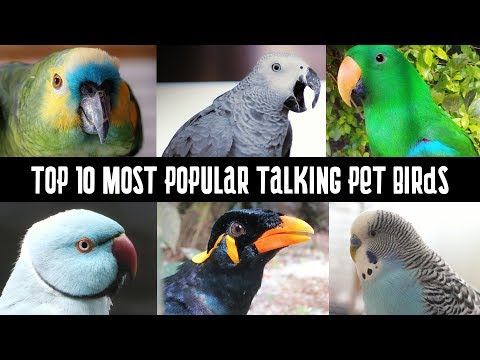
Source: Alen AxP
Did you find this post useful or inspiring? Save THIS PIN to your Pets Board on Pinterest!

You may also like