
Top 12 Tips for New Guinea Pig Owners!


If you’re new to the world of guinea pigs, welcome!
These small, friendly creatures make wonderful pets, but they do require some specific care to ensure they lead happy, healthy lives.
Whether you're thinking about getting a guinea pig or you’ve just welcomed one into your home, these 12 tips will guide you on how to properly care for your new furry friend.
1. Provide a Spacious Cage
One of the first things you’ll need for your guinea pig is a properly sized cage. Unlike some small pets, guinea pigs need room to move around. A cramped environment can lead to stress, obesity, and even depression.
Minimum Size Requirement
The general guideline for a guinea pig cage is at least 7.5 square feet for one guinea pig and 10.5 square feet for two.
Avoid small cages that you might see in pet stores, as they often don’t meet these requirements.
A larger cage provides space for your guinea pig to explore, exercise, and relax.
2. Choose the Right Bedding

Guinea pigs are prone to respiratory problems, so it’s crucial to choose the right bedding.
Aspen wood shavings and paper-based bedding are the best options.
Avoid cedar and pine, as the oils in these woods can be harmful to your pet’s health.
Bedding Tips
Ensure the bedding is changed regularly to prevent the growth of bacteria and mold.
A clean cage not only keeps your guinea pig healthy but also helps to keep the smell to a minimum.
3. Keep Them Social: Get More Than One
Guinea pigs are highly social animals and thrive when they have companionship.
Ideally, you should adopt two guinea pigs to ensure they have a friend to interact with. Having a companion will reduce loneliness, boredom, and even behavioral issues.
Socialization Importance
A guinea pig’s life is much richer with another of its kind.
They will play together, groom each other, and enjoy each other's company.
However, it's essential to make sure both guinea pigs are of similar size and temperament to avoid any aggression.
4. Offer a Balanced Diet

Feeding your guinea pig the right food is crucial for its health.
Guinea pigs are herbivores, which means they need a diet rich in hay, fresh vegetables, and vitamin C.
Never feed them iceberg lettuce or sugary fruits as these can cause digestive issues.
Essential Foods
Hay: Timothy hay is the best choice for guinea pigs, providing essential fiber to keep their digestive system working well.
Veggies: Offer fresh leafy greens like kale, cilantro, and parsley.
Vitamin C: Guinea pigs cannot produce their own vitamin C, so it’s important to provide fresh veggies like bell peppers or a vitamin C supplement.
5. Hydration Is Key
Guinea pigs need constant access to fresh water.
Use a water bottle with a metal sipper tube or a ceramic bowl to provide water.
Change the water daily to prevent any bacterial growth.
Water Safety
Check the water bottle regularly to ensure it is working properly. Sometimes, the tube can get clogged, and your guinea pig might not have access to water.
6. Create a Comfortable Environment
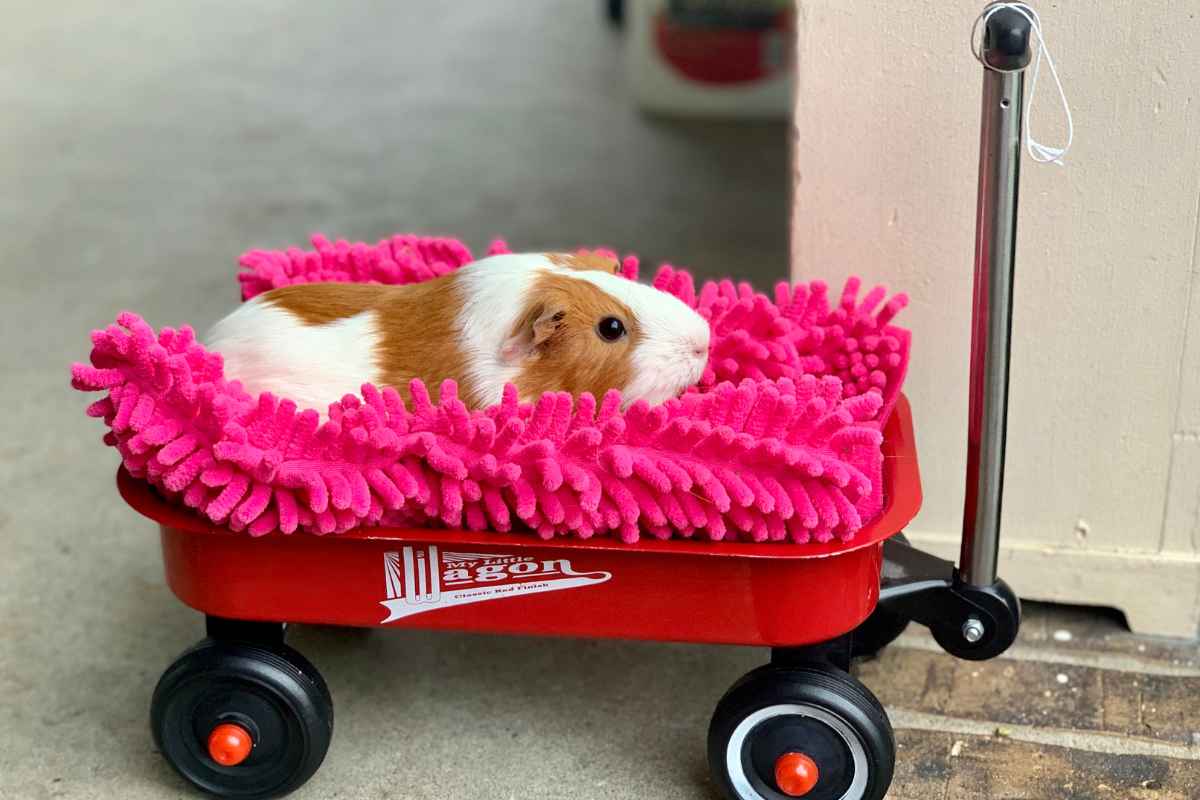
Guinea pigs are naturally prey animals, so they tend to get stressed easily.
Make sure their cage is placed in a quiet, safe place where they won't be disturbed by loud noises or the hustle and bustle of the household.
Cage Placement
Avoid placing the cage near windows or direct sunlight, as guinea pigs can easily overheat. Similarly, their environment should be free from drafts and extreme temperatures.
7. Regular Exercise Is Vital
Just like humans, guinea pigs need exercise to stay healthy.
Allow them time outside the cage in a secure, guinea pig-proof area where they can run around and explore.
Exercise Recommendations
Use a playpen or guinea pig-safe area to let them roam freely. You can also create an obstacle course for extra stimulation. Remember, a happy guinea pig is an active guinea pig.
8. Grooming Needs
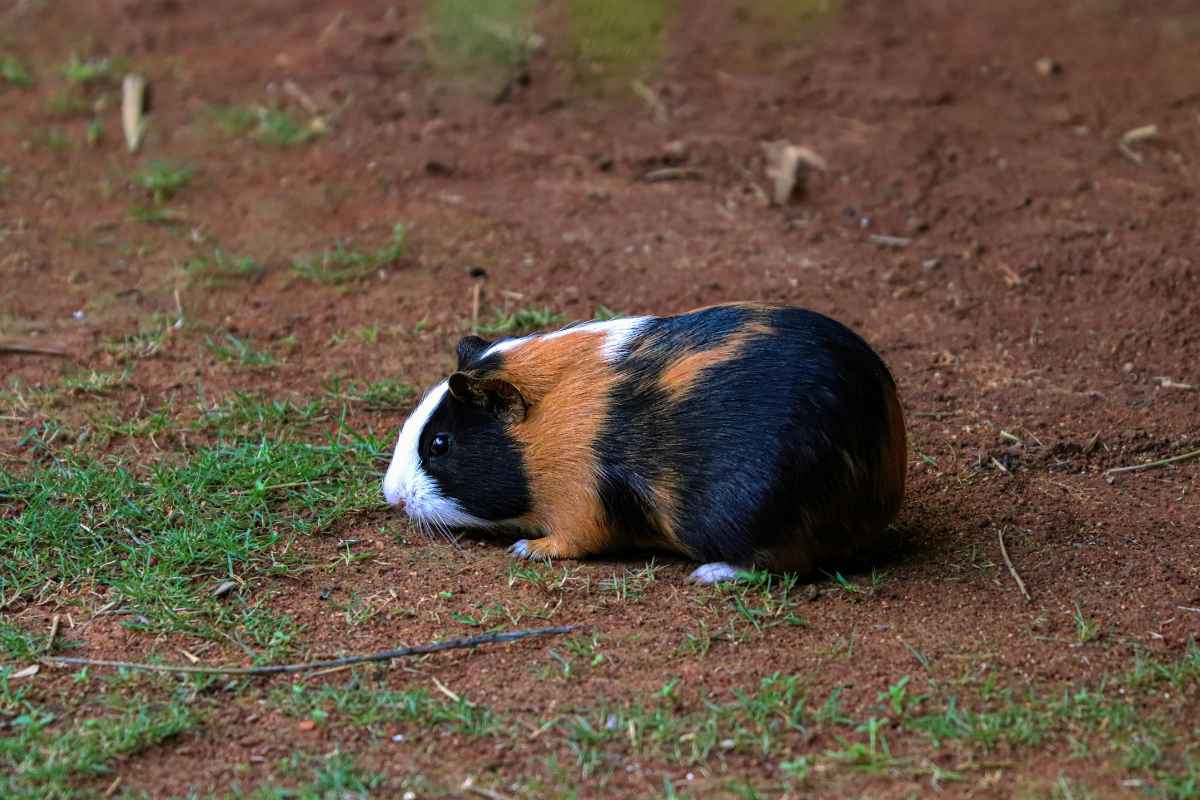
Guinea pigs are relatively low-maintenance when it comes to grooming, but they do require regular brushing, especially if they have long hair.
Grooming Tips
Brush your guinea pig’s fur once or twice a week to prevent matting, especially for long-haired breeds like the Peruvian or Abyssinian.
Also, trim their nails regularly to avoid overgrowth, which can be uncomfortable or painful.
9. Keep Them Clean and Healthy
It’s essential to maintain good hygiene, both in their cage and on their body. Regularly clean the cage, wash the toys, and keep everything sanitary.
Health Monitoring
Keep an eye on your guinea pig’s overall health. Look for signs of illness such as lethargy, loss of appetite, or runny eyes.
If you notice any of these symptoms, it’s important to contact a vet who specializes in guinea pigs.
10. Schedule Regular Vet Checkups
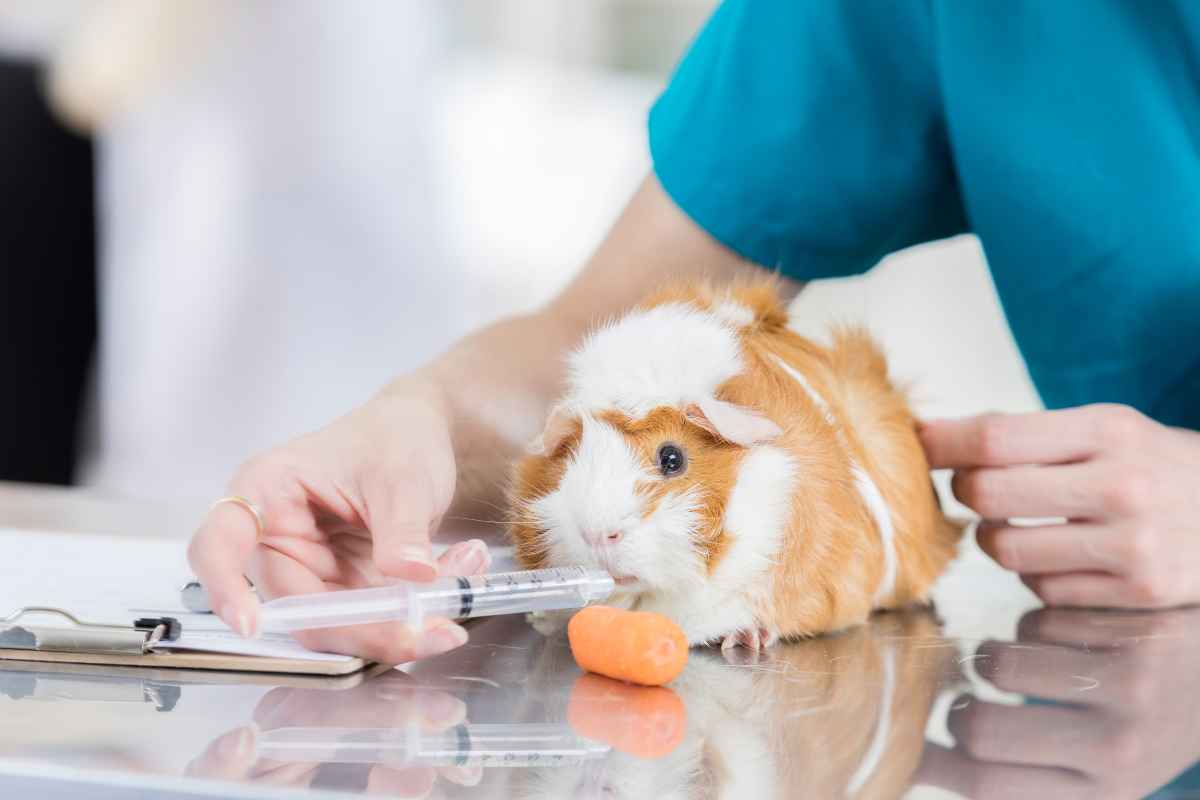
Just like any pet, guinea pigs require annual vet visits for a general health checkup.
Your vet can monitor for common guinea pig health problems like dental disease, bladder stones, or respiratory infections.
Choosing a Vet
Make sure to find a vet who is knowledgeable about guinea pigs. This will ensure that any health concerns are caught early and properly treated.
11. Provide Safe Chew Toys
Guinea pigs’ teeth grow continuously, so they need safe items to chew on to keep their teeth healthy and to prevent them from becoming overgrown.
Chew Toys
Provide plenty of chew toys like wooden blocks, hay racks, and cardboard tubes.
These items are not only great for dental health but also offer entertainment and stimulation.
12. Enrichment Activities
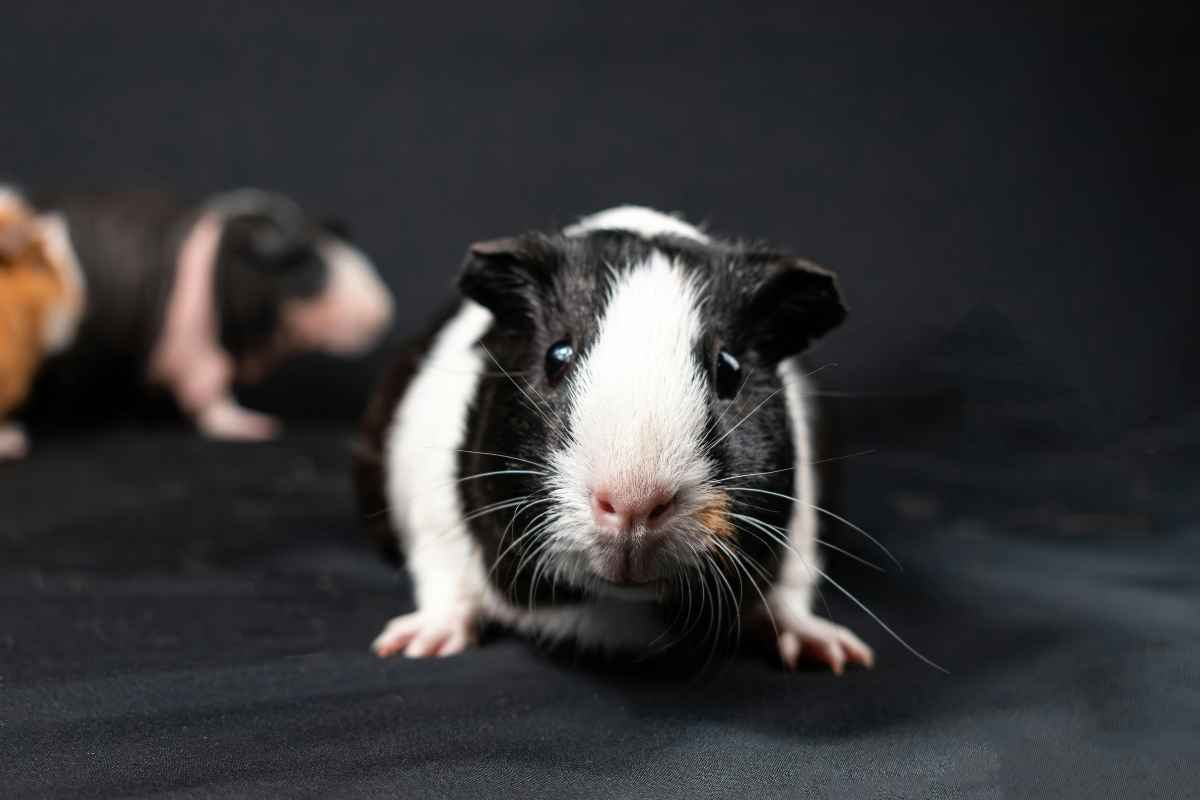
Guinea pigs need mental stimulation to stay happy. Offer them a variety of enrichment activities that can mimic their natural environment and allow them to explore, forage, and problem-solve.
Fun Enrichment Ideas
Hiding treats around the cage for them to find.
Tunnels and cardboard boxes to explore.
Puzzle feeders that make them work for their food.
Conclusion: Happy Guinea Pigs, Happy Owners
Caring for a guinea pig can be incredibly rewarding. By following these 12 tips, you'll ensure that your new guinea pig friend has a comfortable, healthy, and enriching life.
Remember that guinea pigs thrive in environments where they feel safe, loved, and cared for. If you're ever unsure about any aspect of guinea pig care, always reach out to a vet or a guinea pig expert.
Enjoy the bond you’ll build with your new companion!

Source: Squeak Dreams
Did you find this post useful or inspiring? Save THIS PIN to your Pets Board on Pinterest!

You may also like