
Top 20 Cat Hacks You NEED to Know


As a cat owner, you want to make sure that your feline friend lives a happy, healthy, and engaging life.
Whether you’re dealing with common issues or just looking for ways to enrich your cat’s day-to-day experience, these 20 hacks are sure to help.
From creating DIY toys to understanding your cat’s behavior, this guide will make your journey with your cat even more enjoyable.
1. DIY Puzzle Feeders: Stimulate Your Cat’s Mind
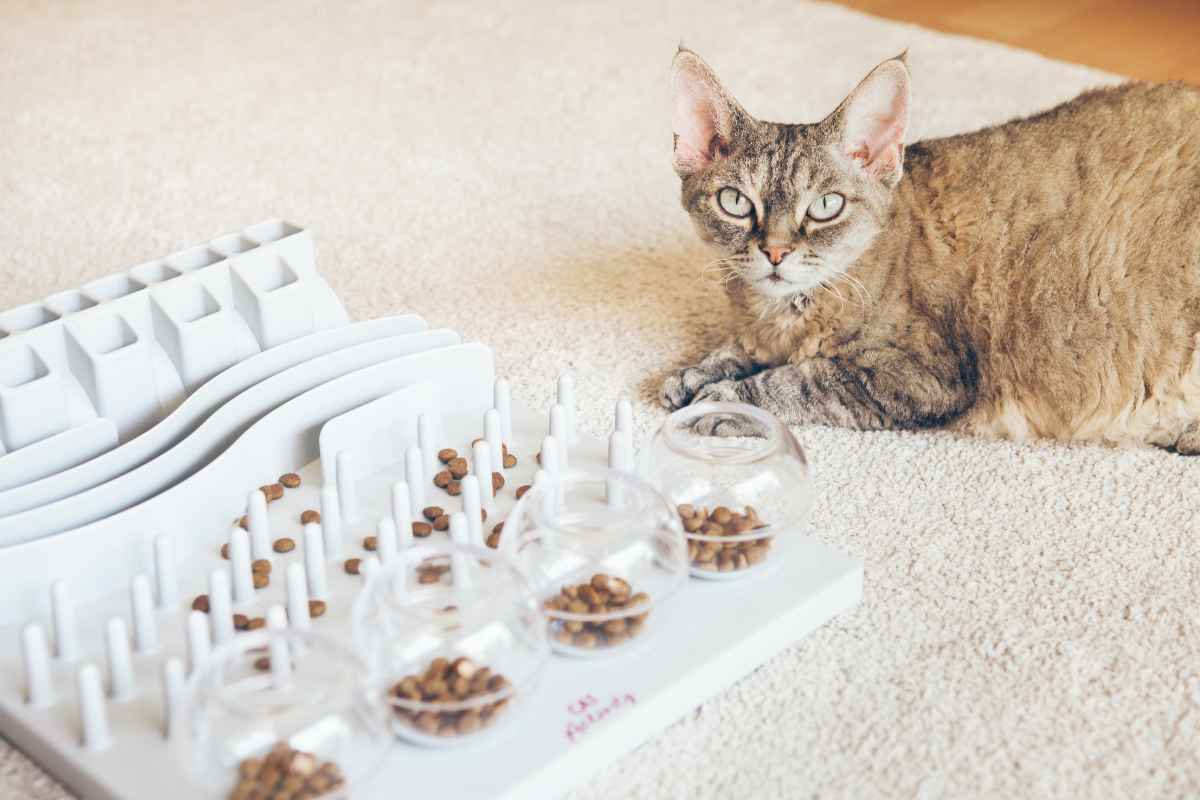
One of the best ways to keep your cat mentally engaged is through puzzle feeders.
These feeders not only slow down your cat’s eating but also provide them with the challenge of figuring out how to access their food.
You can create your own by using common household items like toilet paper rolls or plastic bottles.
Simply cut a few holes, place some kibble inside, and watch as your cat works to get their treat.
Why it works: Cats love to hunt, and puzzle feeders mimic the thrill of the hunt, satisfying their instincts while providing mental stimulation.
2. Catnip: A Natural Mood Booster

Catnip is known for its ability to cause excitement and joy in cats, but did you know it can also be a great training tool?
Sprinkling catnip on scratching posts or toys can encourage your cat to interact with them more. It’s a natural herb that doesn’t harm cats and can help with stress reduction or anxiety.
Pro Tip: Not all cats are affected by catnip. If your cat isn’t one of the lucky ones, try valerian root as an alternative stimulant.
3. Create DIY Scratching Posts: Protect Your Furniture
Cats need to scratch; it’s part of their nature. Instead of spending money on expensive scratching posts, why not make your own?
Use a sturdy cardboard tube, wrap it in sisal rope, or even make a flat one from old carpet remnants. This will help your cat stretch, mark territory, and keep their claws healthy.
Why it helps: Scratching is a natural behavior that helps cats maintain their claws and stretch their muscles.
4. Use a Laser Pointer for Exercise
Laser pointers aren’t just for fun—they can help your cat burn off excess energy.
Engage your cat in play by moving the laser around, encouraging them to chase and pounce.
It’s an excellent way to provide physical exercise, especially for indoor cats.
Tip: Always end the game by allowing your cat to "catch" the light with a treat or toy to avoid frustration.
5. DIY Cat Toys: Use Household Items
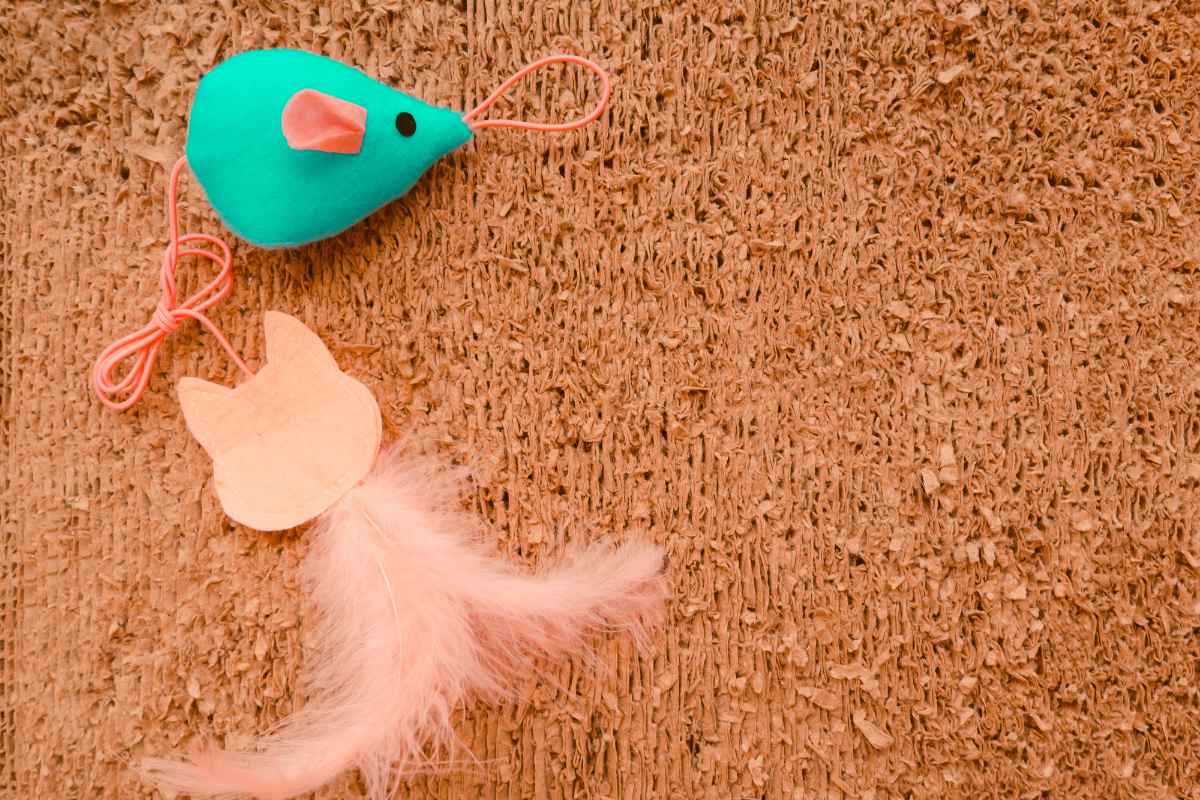
If you’re on a budget, there’s no need to buy expensive toys. Some of the best cat toys can be made from items you already have.
Try crumpling a piece of paper into a ball, using a string, or even making a dangling toy out of an old sock.
Why it works: Cats love interactive play, and simple items like paper balls and socks can keep them entertained for hours.
6. Litter Box Tips for a Happy Cat
A clean litter box is crucial for your cat’s well-being. Make sure you scoop the box daily, and change the litter regularly.
Consider adding a second box if you have multiple cats—this helps reduce territorial disputes and encourages proper litter box use.
Tip: Add a little baking soda to the litter to neutralize odors and keep the box smelling fresh.
7. Encourage Hydration with a Cat Water Fountain
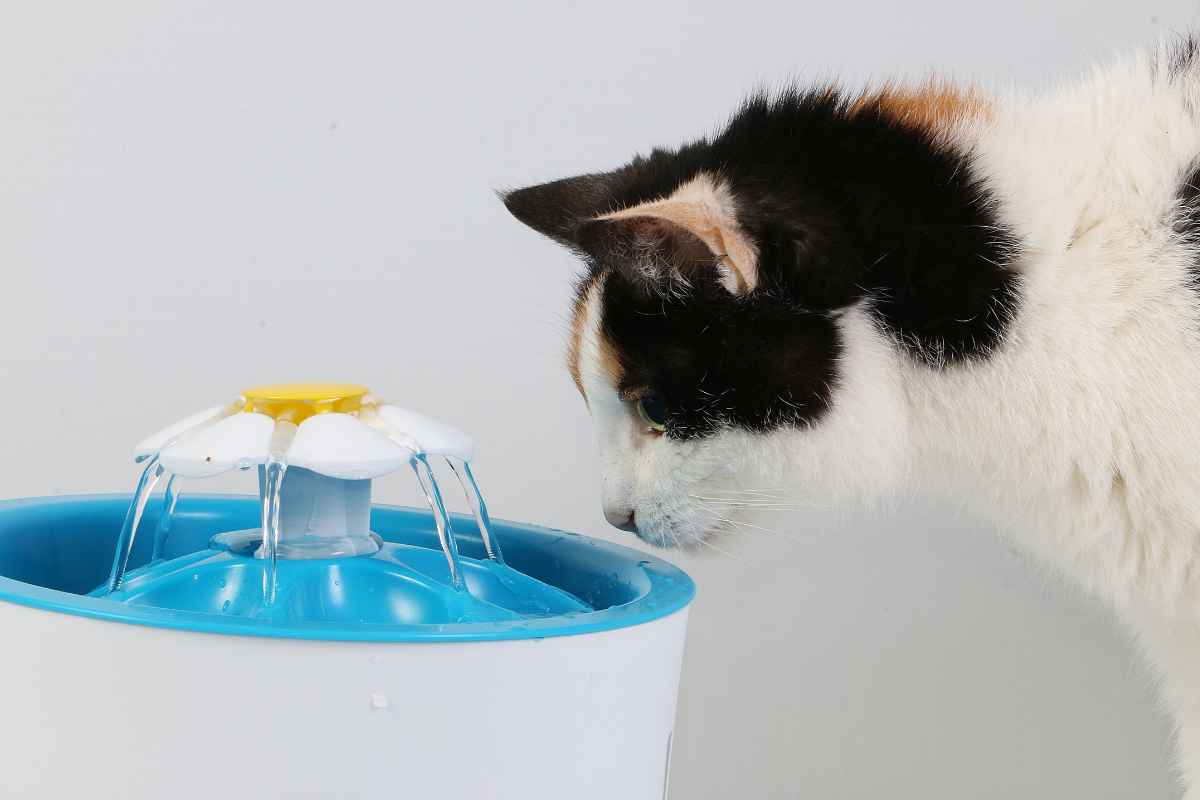
Cats are notorious for not drinking enough water, which can lead to urinary tract problems.
A water fountain is a great way to encourage your cat to drink more. Cats are more likely to drink from running water, and a fountain provides fresh, filtered water throughout the day.
Pro Tip: Try placing the fountain in an area your cat frequents, like near their food bowl, to make it easier for them to drink.
8. Interactive Play: Bond with Your Cat
Interactive play not only provides mental and physical stimulation but also helps strengthen the bond between you and your cat.
Try using feather wands or string toys to engage in active play sessions.
Your cat will love the one-on-one attention, and you’ll both benefit from the exercise.
Why it works: Regular play helps release pent-up energy and strengthens your relationship with your cat.
9. Make Cat-Friendly Space for Relaxation
Cats are territorial creatures and need a space where they can retreat and relax.
Create a safe, quiet space for your cat with a cozy bed, some soft blankets, and perhaps a window perch.
Cats love to watch the outside world, so adding a perch near a window can keep them entertained for hours.
Tip: Make sure the space is free from loud noises and distractions to encourage your cat to feel safe.
10. Keep Your Cat’s Claws Healthy
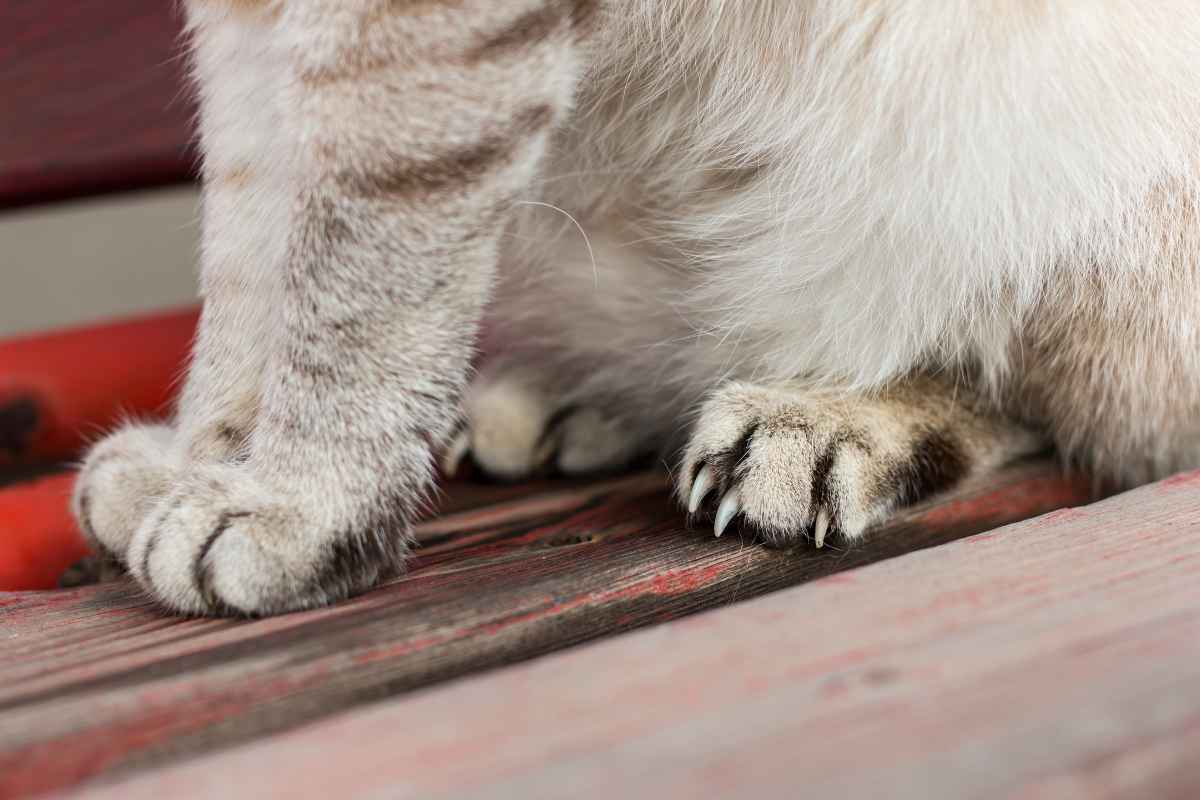
Regular claw trimming is essential to prevent your cat’s claws from becoming overgrown or tangled.
While it can be a challenge, try to trim your cat’s claws gradually, using specialized pet nail clippers.
For nervous cats, desensitize them by touching their paws regularly.
Why it helps: Claw care prevents discomfort and injury, ensuring your cat stays healthy.
11. Cat-Friendly Plants for Your Home
Some plants are toxic to cats, but many can make beautiful additions to your home.
Look for safe options like cat grass or catnip plants.
Not only do these provide a little snack for your cat, but they can also help with digestion and satisfy their natural instinct to graze.
Tip: Make sure to keep toxic plants, such as lilies or poinsettias, well out of reach.
12. Groom Your Cat Regularly
Brushing your cat’s fur doesn’t just keep them looking nice; it also reduces shedding and hairballs.
Regular grooming also strengthens your bond and allows you to check for any abnormalities like fleas or lumps.
Tip: Use a brush designed for your cat’s fur length (long-haired cats need a different brush than short-haired ones).
13. Use Natural Remedies for Fleas
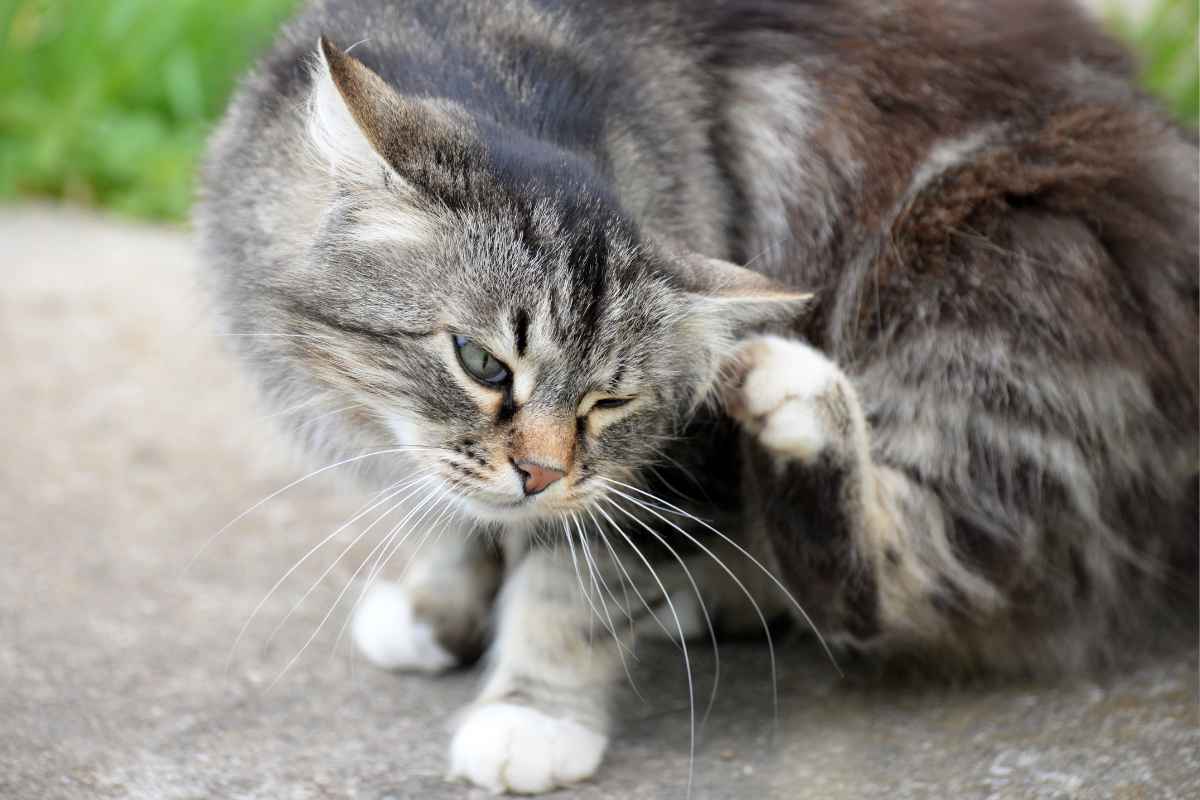
Fleas can be a nuisance, but you don’t have to use harsh chemicals to deal with them.
Natural remedies like apple cider vinegar or lemon juice can help repel fleas without harming your cat.
You can also use flea combs to remove any visible pests.
Why it works: Natural solutions are often gentler on your cat and the environment.
14. Set Up a Cat Enclosure for Outdoor Adventures
If you’re worried about your cat going outside, consider building or purchasing an outdoor cat enclosure.
This allows your cat to safely explore the outdoors, enjoy the sunshine, and chase bugs while remaining protected from dangers.
Pro Tip: Make sure the enclosure is well-secured to avoid escapes.
15. Recognize Signs of Stress in Your Cat
Cats can be sensitive to changes in their environment.
Keep an eye out for signs of stress, such as excessive grooming, aggression, or hiding.
If you notice these behaviors, consider making environmental changes or consulting a vet to address any underlying issues.
Why it helps: Identifying stress early on can prevent long-term health issues and help your cat feel more secure.
16. Teach Your Cat to Walk on a Leash
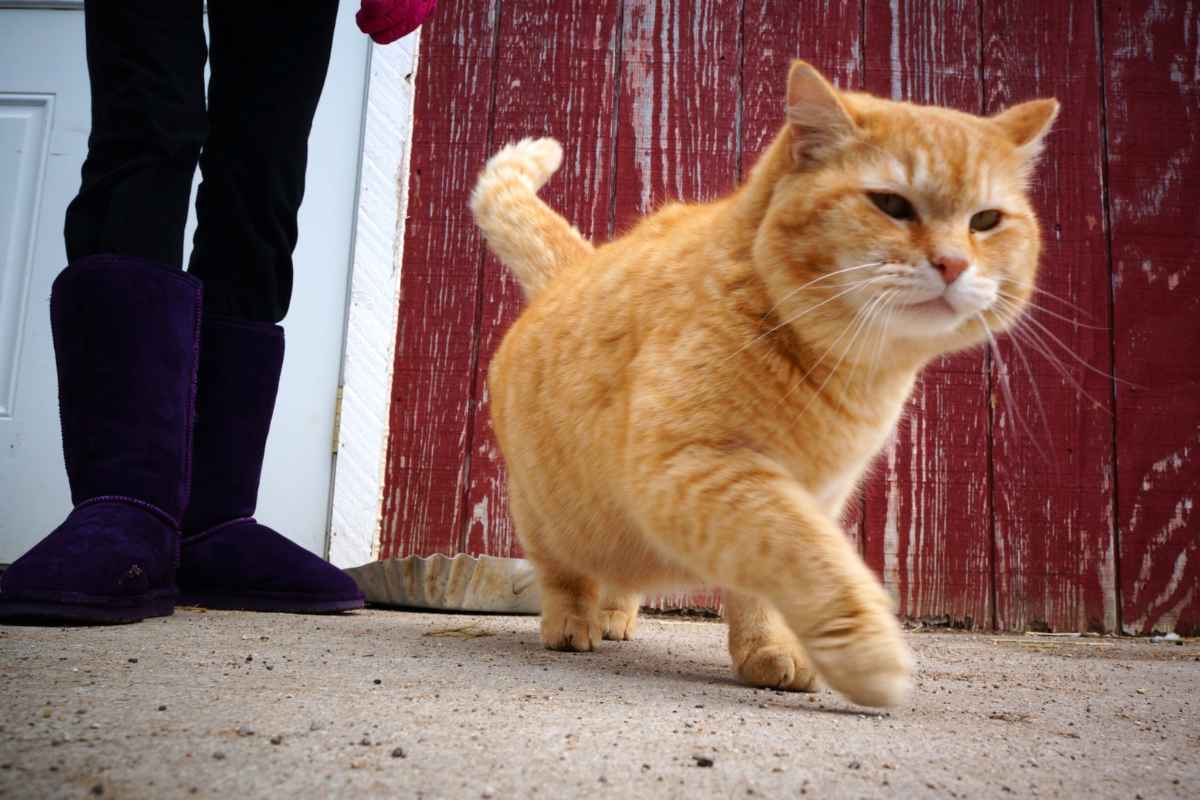
Leash training can be a fun way to safely introduce your cat to the outdoors.
Start slowly by getting your cat used to wearing a harness and then gradually introduce them to the leash.
It’s a great way for both of you to get some fresh air and exercise.
Why it works: Walking on a leash helps your cat explore safely while providing physical stimulation.
17. Cat-Friendly Exercise Wheels
If you have an indoor cat, an exercise wheel can be a great way to help them get the exercise they need.
These wheels are designed for cats and can be a fun way for them to burn off energy when they can’t go outside.
Pro Tip: Always supervise your cat when using an exercise wheel to ensure safety.
18. Use Aromatherapy for Relaxation
Certain essential oils, like lavender and chamomile, can help calm a stressed cat.
You can use a diffuser in areas where your cat likes to relax or add a few drops to their bedding. Always ensure the oils are diluted and safe for pets.
Why it works: Aromatherapy can help reduce anxiety and promote relaxation.
19. Introduce New Cats Slowly
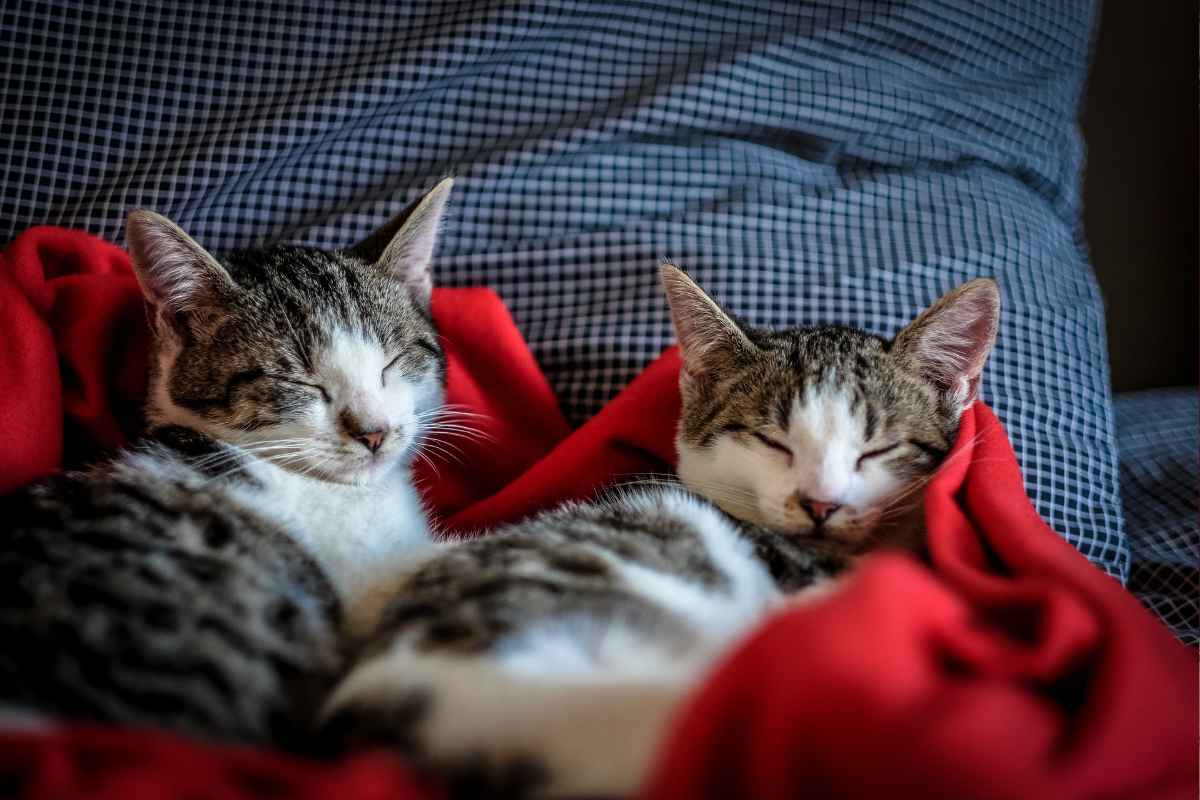
If you’re introducing a new cat to your home, be sure to do so gradually.
Allow the new cat to have their own space and let the cats get used to each other’s scent before introducing them face-to-face.
This helps reduce stress and territorial behavior.
Why it helps: Slow introductions can prevent aggression and foster a peaceful relationship.
20. Keep Your Cat’s Environment Enriched
Cats love to explore, climb, and hide.
By adding vertical spaces like shelves or cat trees, you can give your cat the opportunity to express their natural behavior in a safe environment.
This also gives them a sense of security, knowing they have a place to retreat.
Why it works: Environmental enrichment prevents boredom and keeps your cat mentally stimulated.

Conclusion: A Happier, Healthier Cat
By implementing these 20 hacks, you’re not just improving your cat’s life—you’re strengthening the bond between the two of you.
From DIY toys and puzzle feeders to grooming and stress management techniques, there are countless ways to enhance your cat’s daily routine.
Remember, a happy cat is a healthy cat, and with these tips, you’ll be well on your way to providing the best care possible for your furry friend.

Source: The Purring Journal
Did you find this post useful or inspiring? Save THIS PIN to your Pets Board on Pinterest!

You may also like