
Top 5 Groundwork Exercises for Horses


Groundwork is an essential component of horse training that promotes communication, trust, and balance between horse and rider.
It focuses on exercises that help develop the horse’s responsiveness, obedience, and overall behavior. In this article, we’ll explore the top five groundwork exercises every horse owner or trainer should incorporate into their training regimen.
Whether you have a young, inexperienced horse or one that has been in training for years, these exercises can help improve your horse’s responsiveness and build a stronger bond between you and your equine companion.
Why Groundwork is Important for Horses

Before we dive into specific exercises, let’s take a moment to understand why groundwork is so important for horses. Groundwork builds a foundation of trust, respect, and communication. It is an essential tool for:
Improving communication: Teaching your horse to respond to subtle cues and movements.
Building trust: Strengthening your relationship through mutual respect and understanding.
Enhancing behavior: Correcting undesirable behaviors before they become habits.
Improving physical fitness: Promoting balance, flexibility, and coordination in your horse.
Now, let's take a closer look at the top 5 groundwork exercises for horses and how they can help in training and strengthening your horse.
1. The Circle Exercise: Developing Balance and Flexibility
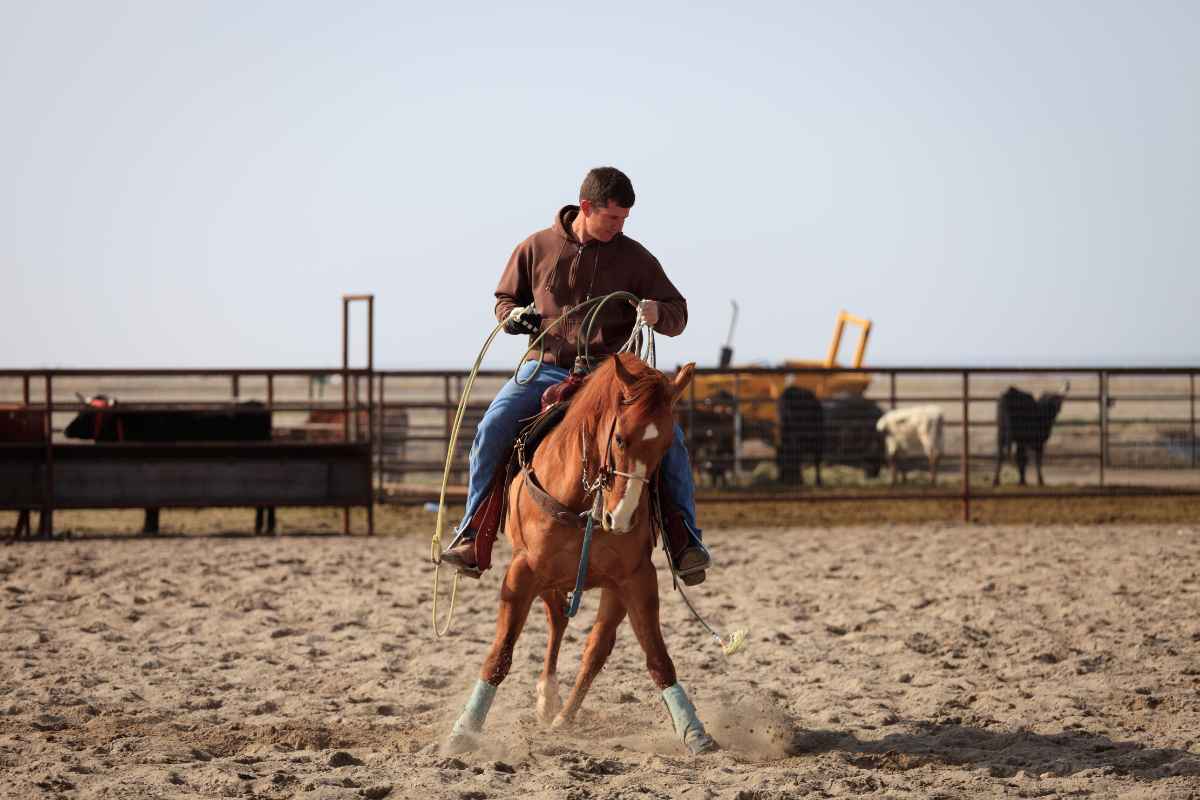
Objective:
The goal of the circle exercise is to teach your horse to move in a controlled manner while developing balance and flexibility.
Materials Needed:
A lead rope
A lunge line
A whip or stick for guidance (optional)
Steps:
Start by leading your horse to a spacious, safe area with enough room for movement.
Attach a lunge line to the horse’s halter, and stand at a distance of about 3 to 5 meters.
With subtle commands and cues, ask your horse to move around you in a circle. Maintain the correct pace and ensure they don’t rush or lag.
Walk alongside the circle while maintaining control of the line.
If needed, gently use the whip to encourage your horse to keep the proper pace without rushing.
Pro Tips:
Ensure your horse is relaxed and not stressed during this exercise. Keep the movements calm and controlled.
Gradually increase the size of the circle as the horse becomes more comfortable.
Use body language and subtle cues (e.g., a slight shift in your weight or direction) to communicate with your horse.
2. The Stop-and-Back Exercise: Reinforcing Control and Responsiveness
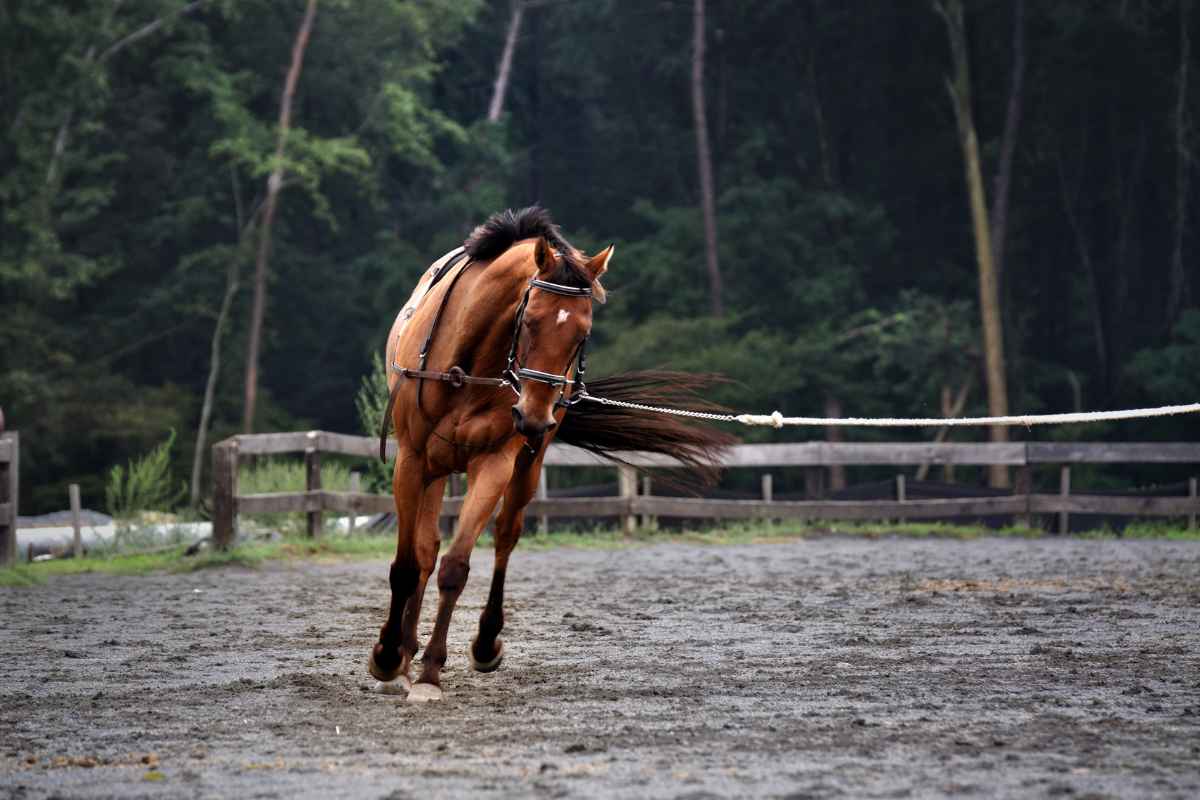
Objective:
This exercise focuses on teaching the horse to stop and back up when asked. It's crucial for reinforcing control and responsiveness during training.
Materials Needed:
A lead rope or lunge line
Steps:
Begin by leading your horse in a straight line. Walk alongside them while maintaining control of the lead rope.
Ask your horse to stop by using a firm yet gentle command. As soon as they stop, praise them.
Once they are standing still, use the lead rope to ask your horse to back up slowly. Hold the rope steady and give gentle cues.
Ensure the horse moves backward in a straight line without circling or moving off-track.
Reward your horse when they complete the exercise with ease.
Pro Tips:
Always make sure your horse has ample space to back up. Avoid any obstacles that might make the exercise unsafe.
If your horse is hesitant, break the movement into smaller steps and reward them for small progressions.
Be consistent with your commands to help your horse understand what’s expected.
3. Leading Through Obstacles: Building Confidence and Focus

Objective:
This exercise helps build your horse’s confidence by guiding them through different obstacles. It encourages focus and problem-solving.
Materials Needed:
Cones, poles, or small jumps
A lead rope
Steps:
Set up a series of obstacles, such as cones, poles, or a simple tarp. Make sure the obstacles are non-threatening and appropriate for your horse’s skill level.
Lead your horse through the obstacles, guiding them with subtle cues.
Encourage your horse to step carefully over or around the obstacles while keeping a calm and steady pace.
Adjust the difficulty of the obstacles as your horse gains confidence and improves their focus.
Pro Tips:
Start with low obstacles and gradually increase their height or complexity.
If your horse hesitates at any obstacle, take a step back and reward them for small progressions.
Remain calm and steady during the exercise to encourage the horse to stay focused.
4. The Trot and Canter Transitions: Improving Coordination and Balance

Objective:
This exercise helps your horse improve their coordination and balance by practicing smooth transitions between gaits.
Materials Needed:
A lunge line
Whip (optional)
Steps:
Start by leading your horse in a straight line. Once they are comfortable, ask them to trot in a controlled pace.
Using subtle cues, ask your horse to transition from a trot to a canter. Focus on keeping the transitions smooth and balanced.
After a few strides of canter, ask them to return to the trot, and then back to a walk. Practice multiple transitions.
Continue to praise your horse for maintaining balance and responsiveness during each transition.
Pro Tips:
Be consistent with your commands to ensure your horse understands the transitions.
Watch for signs of fatigue in your horse, and allow them to rest between transitions if necessary.
Use the whip gently to encourage your horse to maintain their pace and rhythm.
5. The Lateral Flexion Exercise: Enhancing Flexibility and Suppleness

Objective:
Lateral flexion exercises promote flexibility and help your horse develop proper neck posture. It’s especially beneficial for improving a horse’s overall suppleness.
Materials Needed:
A halter or bridle
A lead rope
Steps:
Stand next to your horse while holding the lead rope.
Gently pull the rope towards you, asking your horse to bend their neck in lateral flexion.
Hold the bend for a few seconds and then release.
Repeat the process on both sides of the horse, always rewarding for calm and relaxed responses.
Pro Tips:
Don’t force the horse to bend too much; allow them to move at their own pace.
Start with small, gentle bends and gradually increase the range of motion.
Keep the horse relaxed throughout the exercise by using soft, steady pressure.
Progression and Adaptation: How to Increase the Difficulty of Exercises

As your horse becomes more proficient in these groundwork exercises, it's important to gradually increase the level of difficulty to maintain their engagement and progress. Here’s how you can adapt the exercises:
Circle Exercise: Increase the size of the circle or change the direction of movement.
Stop-and-Back Exercise: Incorporate faster paces or introduce turns during the stop-and-back sequence.
Leading Through Obstacles: Add more complex obstacles, or introduce distractions like noise or other horses.
Trot and Canter Transitions: Increase the length of the transitions or include changes in direction.
Lateral Flexion: Work on deeper bends and transitions between flexion and extension.
Conclusion: The Benefits of Groundwork for Horses
Groundwork is a valuable tool for enhancing your horse’s training, improving communication, and building a stronger, more trusting relationship.
The five exercises outlined above provide a foundation for developing essential skills such as balance, flexibility, and responsiveness.
With consistent practice and patience, you’ll see your horse become more confident, well-behaved, and ready to take on more advanced training.
We hope you enjoy this video about Horses

Source: Sam VanFleet
Did you find this post useful or inspiring? Save THIS PIN to your Pets Board on Pinterest! 😊

You may also like