
Train ANY Dog How To Play Fetch PERFECTLY


Few games deliver as much joy and mental exercise as a good round of fetch. The beauty of this classic is that it can be taught to most dogs with a bit of structure and positive reinforcement.
In this guide, you’ll learn how to build a reliable fetch from the ground up—teaching your dog to take the toy, come back, and drop on cue—plus how to troubleshoot common hiccups, keep sessions safe, and add fun variations so the game stays fresh.
Quick start in one breath: encourage interest in the toy, reward a brief hold, reinforce the return with a long line if needed, trade to “drop” with a treat or second toy, then increase distance gradually while keeping sessions short and upbeat.
Why Fetch Is Great for Your Dog

Fetch isn’t just a sprint; it’s a full-brain workout. The chase satisfies natural predatory play, while the return and release build impulse control and recall reliability.
Done well, fetch improves focus, burns energy, and strengthens the bond between you and your dog. It can also be adapted indoors with soft toys, making it one of the most flexible activities for rainy days or limited space.
Most importantly, using reward-based training turns the game into a predictable routine your dog will love repeating.
What You Need
A safe play area: A fenced yard or quiet field; indoors works with a soft toy. Avoid slick floors and busy parks at first.
A suitable toy: Start with whatever your dog already enjoys—ball, tug, plush, or rubber dumbbell. If nothing excites them yet, try a toy with a squeak or light scent.
Rewards: Small, high-value treats or a second identical toy to trade.
Long line (optional): A 5–10 m line helps guide the return without turning it into a chase.
Step-by-Step Training

Teach “Hold” and Create Toy Value
Spark interest. Wiggle the toy low to the ground. The moment your dog sniffs or touches it, mark (“Yes!” or click) and reward.
Shape the hold. When your dog mouths the toy, briefly let them hold it. Mark and reward immediately—even half a second counts. Gradually extend the hold to one or two seconds before rewarding.
Name it. When the hold is predictable, add a cue like “Take it.” Keep it short and fun. If motivation dips, try a different toy texture or move the toy away slightly to trigger interest.
Why this works: Building value for the toy first prevents the “I don’t care about this thing” roadblock later. You’re creating a strong habit: toy in mouth = good things happen.
Build the Return
Short distance wins. With your dog holding the toy, take a step back and cheerfully invite them toward you: “Come!” Mark and reward any movement in your direction.
Use a long line if needed. If your dog wanders off, guide them gently toward you without pulling. Reinforce heavily when they reach you—returning is the jackpot.
Add movement. Jog backward as they approach; your movement becomes a magnet. Consistently pay at your feet so your dog learns that the best rewards happen near you.
Teach “Drop/Release”
Trade to teach. Present a treat to your dog’s nose while they hold the toy. As they release, say “Drop” and give the treat. Repeat until the cue itself triggers the release.
Switch to a toy trade. Have a second identical toy. Show the second, cue “Drop,” and toss the new toy only after they release the first. This builds a natural, fast cycle.
Fade the bribe. Once “Drop” is reliable, wait a beat before rewarding so your dog learns the cue—not just the sight of food—predicts reinforcement.
Add the Toss, Distance, and Structure
Micro tosses first. Toss the toy only one or two meters. When your dog picks it up, backpedal and invite the return. Cue “Drop”, then reward.
Increase distance gradually. Add a couple of meters at a time. If reliability dips, shorten the distance and raise the reward value.
Keep a rhythm. Toss → return to you → drop → brief pause → toss again. Dogs love predictable patterns. A calm reset between throws prevents overarousal.
Make It Reliable: Proofing the Game
Change locations slowly: yard → quiet park → busier space.
Vary toys so the fetch behavior isn’t tied to one object.
Practice distractions at low intensity (another person walking by) and pay generously for staying in the game.
Mix rewards: sometimes treats, sometimes immediate re-throw—the re-throw itself can be a powerful reinforcer.
Troubleshooting Common Problems

“My dog won’t pick up the toy.”
Start by shaping micro-steps: sniff → mouth → brief hold. Use softer or differently textured toys, a squeaker, or lightly scent the toy with something safe like broth on a cloth kept near it (not soaked). Pair each tiny success with high-value rewards so the toy becomes interesting on its own.
“They run off and won’t come back.”
Avoid chasing—this turns it into keep-away. Use a long line, reduce distance, and make the return more rewarding than the chase.
When they turn toward you, mark immediately and reward at your feet. Practice a few recall reps without fetch to refresh the habit. End sessions before your dog gets bored.
“They won’t drop the ball.”
Return to trade games. Show the treat, cue “Drop,” pay, then quickly re-throw as the big reward.
If your dog guards the toy, switch to two identical toys so the exchange feels fair. Never pry the toy out—turning it into a tug can backfire unless the tug has its own rules and cues.
“My dog gets too hyped and jumps.”
Overarousal usually means shorter, calmer sessions. Add a quick obedience break—sit or hand target—between throws, and use softer tosses.
Reinforce calm approaches and releases. If your dog struggles to settle, end the game on a small win and try again later.
Safety and Puppy Considerations

Puppies and High-Impact Movements
Puppies are still developing, so keep fetch short and low impact. Avoid repetitive high jumps, sharp turns, and hard landings. Choose soft ground and soft toys. If you’re unsure how much is appropriate, check with your veterinarian, especially for large breeds that mature more slowly.
Surfaces, Weather, and Warm-Ups
Skip slippery floors and very hot or rough surfaces that can scuff paw pads.
In warm weather, play in the shade, bring water, and watch for overheating (excessive panting, slowing down). A minute of gentle walking or hand targets makes a good warm-up before you start throwing.
Session Length and Recovery
Quality beats quantity. Aim for 5–10 minute sessions and stop while your dog still wants more. Ending on a success keeps motivation high next time. A short cool-down walk helps bring arousal down and reduces post-play zoomies.
Fun Variations to Keep It Fresh

Two-Toy Fetch: Great for solidifying “Drop.” As one returns, the other appears—magic!
Find-It Fetch: Hide the toy under cups or light leaves to add a nosework twist and mental challenge.
Soft Indoor Fetch: Use a plush or foam ball in a hallway for straight-line returns with minimal slipping.
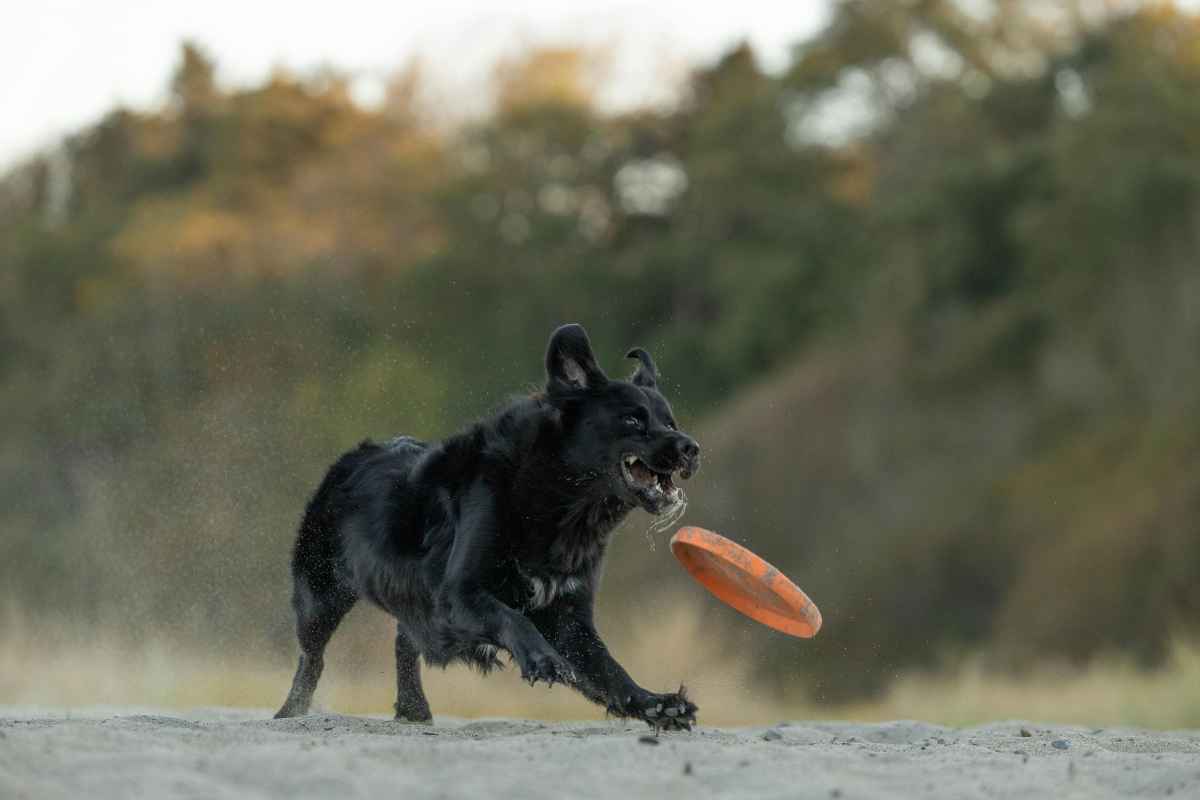
Frisbee Lite: If your dog enjoys discs, keep throws low and flat and avoid big aerial catches, especially for youngsters.
Retrieve to Hand: Reward only when the toy is placed in your palm. It adds precision and focus.
FAQs
How do I teach my dog to drop the ball without a struggle?
Start with trades. Present a treat at the nose, say “Drop”, and reward the release.
Transition to toy-for-toy trades so the game itself becomes the reward. Gradually fade visible treats and pay intermittently once the cue is strong.
Is fetch safe for all dogs?
Most healthy dogs can play a low-impact version of fetch. Adjust intensity based on age, size, and fitness.
Keep sessions short, avoid repetitive jumping, and choose good footing. If your dog has joint issues or you’re unsure about exercise levels, consult your vet.
My dog doesn’t care about balls. Now what?
Try different textures and sizes: plush, rubber, fleece tugs, or a ball with a rope tail.
Build value with short shaping sessions where interacting with the toy earns rewards. Once the toy is exciting, the rest of the behavior chain becomes easier.
How long does it take to get a reliable fetch?
With daily short sessions, many dogs make strong progress in one to two weeks.
Reliability depends on consistency, reward timing, and gradually proofing around distractions. Keep criteria clear and progress step by step.
Wrap-Up: Make Fetch Your Dog’s Favorite Ritual
A great fetch game isn’t an accident—it’s a simple chain of behaviors you build piece by piece: take it, come back, drop, and do it again.
Keep sessions short, prioritize positive reinforcement, and focus on safety, especially for puppies. When in doubt, shorten the distance, raise the reward value, and end on a win.
With this structure, you’ll go from casual tosses to a reliable, joyful fetch that enriches your dog’s life and becomes a highlight of your day together.
We hope you enjoy this video about Birds
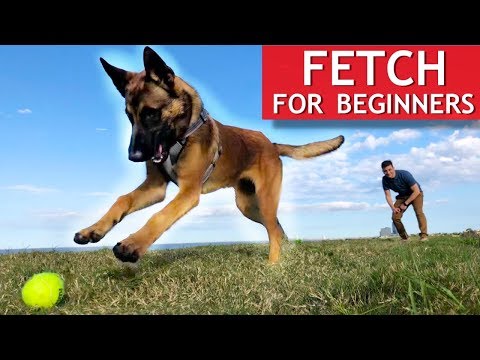
Source: Zak George’s Dog Training Revolution
Did you find this post useful or inspiring? Save THIS PIN to your Pets Board on Pinterest!

You may also like