
Train Your Dog to STOP BARKING at EVERYTHING!


Is your dog barking at every little noise or person that passes by? While barking is a natural behavior for dogs, excessive barking can be frustrating for both the pet and the owner.
Whether it’s barking at the doorbell, passing cars, or other dogs, it’s essential to address this behavior for a peaceful living environment.
In this guide, we’ll explore the underlying causes of excessive barking and provide proven strategies to help your dog stop barking at everything.
Understanding the Causes of Excessive Barking

Before you can start training your dog to stop barking, it’s essential to understand why dogs bark.
Dogs bark for various reasons, and each reason requires a different approach for correction. Here are some common causes of excessive barking:
1. Territorial Behavior
Dogs are territorial animals and may bark to protect their home or space. This type of barking is often triggered by unfamiliar people, animals, or sounds around the house.
How to address it: To stop territorial barking, it’s crucial to desensitize your dog to the triggers.
Start by exposing your dog to controlled situations where a stranger or other dog is present, but reward calm behavior and discourage barking.
Gradually increase the intensity of the exposure as your dog becomes more comfortable.
2. Anxiety or Fear

Dogs often bark out of anxiety or fear, especially if they are not used to certain situations or experiences, such as being left alone, loud noises, or changes in their environment.
How to address it: For anxiety-related barking, it’s important to create a calm and predictable environment for your dog.
Use positive reinforcement when your dog remains quiet during situations that would normally trigger barking.
Gradual desensitization techniques, such as playing recorded sounds of fireworks or thunderstorms at a low volume, can help reduce fear.
3. Lack of Exercise or Stimulation
A dog that is under-exercised or mentally unstimulated may bark out of boredom. This is especially common in high-energy breeds that need regular physical and mental activity.
How to address it: Ensure your dog is getting plenty of physical exercise and mental stimulation. Long walks, playtime, and puzzle toys can help alleviate boredom and reduce barking.
4. Attention-Seeking Behavior

Some dogs bark because they want attention from their owners. This behavior is often reinforced when the owner responds to the barking, even if it’s negative attention.
How to address it: Ignore the barking and only reward your dog with attention when they are quiet. This will help your dog learn that barking won’t get them what they want, but calm behavior will.
Training Techniques to Stop Your Dog from Barking
Once you understand the cause of your dog’s barking, you can implement the right training techniques. Here are some effective strategies to help curb excessive barking:
1. Positive Reinforcement
Positive reinforcement is a powerful training tool that involves rewarding your dog for quiet behavior. This method encourages your dog to associate silence with positive outcomes.
How to use it: When your dog stops barking, immediately reward them with treats or praise.
Be consistent with the timing of the reward—this helps reinforce the desired behavior. If your dog barks at the doorbell, wait for them to be quiet, and then reward them.
Over time, your dog will learn that being quiet leads to a reward.

2. Desensitization and Counter-Conditioning
Desensitization is a technique where you gradually expose your dog to the stimulus that causes them to bark (such as the doorbell) at a lower intensity, and counter-conditioning involves changing your dog’s emotional response to that stimulus.
How to use it: Start by playing a recording of the doorbell at a low volume, well below the level that triggers barking.
Reward your dog for remaining calm when they hear the sound. Gradually increase the volume over time while continuing to reward calm behavior.
This helps your dog become desensitized to the trigger, reducing the likelihood of barking.
3. Command Training
Teaching your dog commands like “quiet” or “enough” can help control barking. This method involves teaching your dog a specific command that tells them to stop barking.
How to use it: Start by saying the command “quiet” when your dog is barking. Once they stop barking, immediately reward them with a treat.
Repeat this process until your dog associates the command with stopping the barking. Be patient and consistent with this training.
4. Consistency and Patience

Training your dog to stop barking takes time and effort. Consistency is key, as your dog needs to learn that barking is not acceptable in certain situations.
How to use it: Make sure everyone in your household is on the same page when it comes to training your dog.
If one person allows the barking behavior, it will confuse your dog and make the training process longer. Be patient and persistent, as changing behavior takes time.
When to Seek Professional Help
If you’ve tried various training techniques and your dog’s barking continues to be a problem, it may be time to consult with a professional dog trainer or behaviorist.
A professional can assess your dog’s behavior and provide tailored strategies to address the underlying issues.
Signs That Professional Help is Needed:
The barking is causing significant stress for both you and your dog.
Your dog’s barking is disruptive to your neighbors or community.
The barking is a result of deep-rooted anxiety or fear issues.
A professional trainer can offer personalized guidance and advanced techniques to help manage excessive barking.

Conclusion: Stop the Barking and Enjoy a Peaceful Home
Excessive barking is a common issue that many dog owners face, but with patience, consistency, and the right training techniques, you can teach your dog to stop barking at everything.
Remember to first identify the cause of the barking, whether it’s territorial, anxiety-related, or attention-seeking.
Use positive reinforcement, desensitization, and command training to modify your dog’s behavior. If needed, seek professional help to address more complex issues.
With the right approach, you and your dog can enjoy a calmer, more peaceful living environment. Start implementing these techniques today and create a more balanced relationship with your furry friend.
We hope you enjoy this video about Dogs
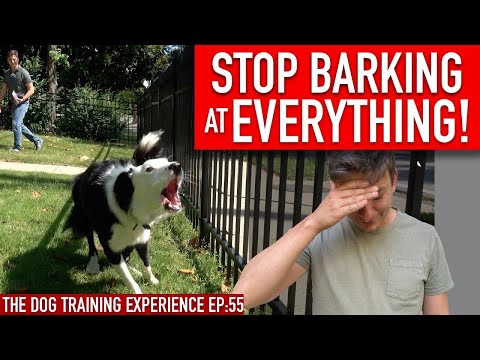
Source: Zak George’s Dog Training Revolution
Did you find this post useful or inspiring? Save THIS PIN to your Pets Board on Pinterest!

You may also like