
Tweeting Disaster: 16 Bird Products to Avoid Like the Plague

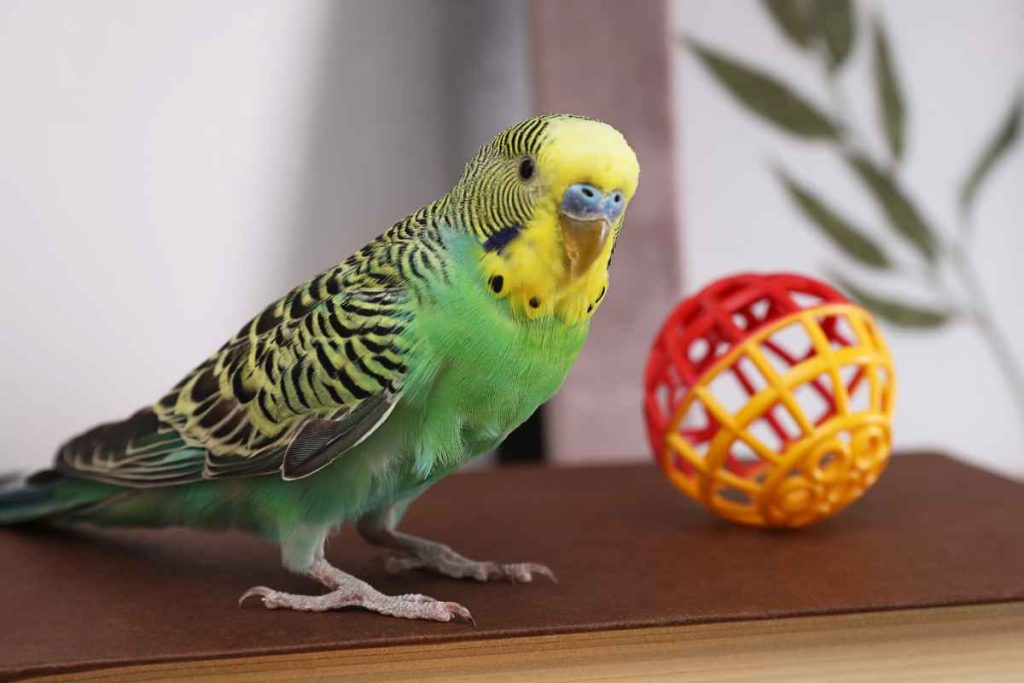
When it comes to your feathered friend, making sure they live a long and healthy life involves more than just proper care and attention.
It's also crucial to be aware of the bird products that might seem harmless but could actually be detrimental to their well-being.
In this article, we’ll cover 16 bird products you should avoid at all costs to ensure your pet stays healthy and happy.
Why Product Safety Matters for Your Bird

Ensuring the safety of your bird isn’t just about keeping them comfortable—it’s about creating an environment where they can thrive.
Many bird products, although marketed as “bird-friendly,” can actually pose serious risks to their health and happiness.
By understanding the dangers of common items like toxic toys, harmful perches, and unsafe cages, you can make more informed decisions and provide a safe and enriching home for your pet.
Let’s dive deeper into why certain products should be avoided and what you can do instead to keep your bird safe.
1. Dowel Perches: A No-Go for Your Bird's Feet
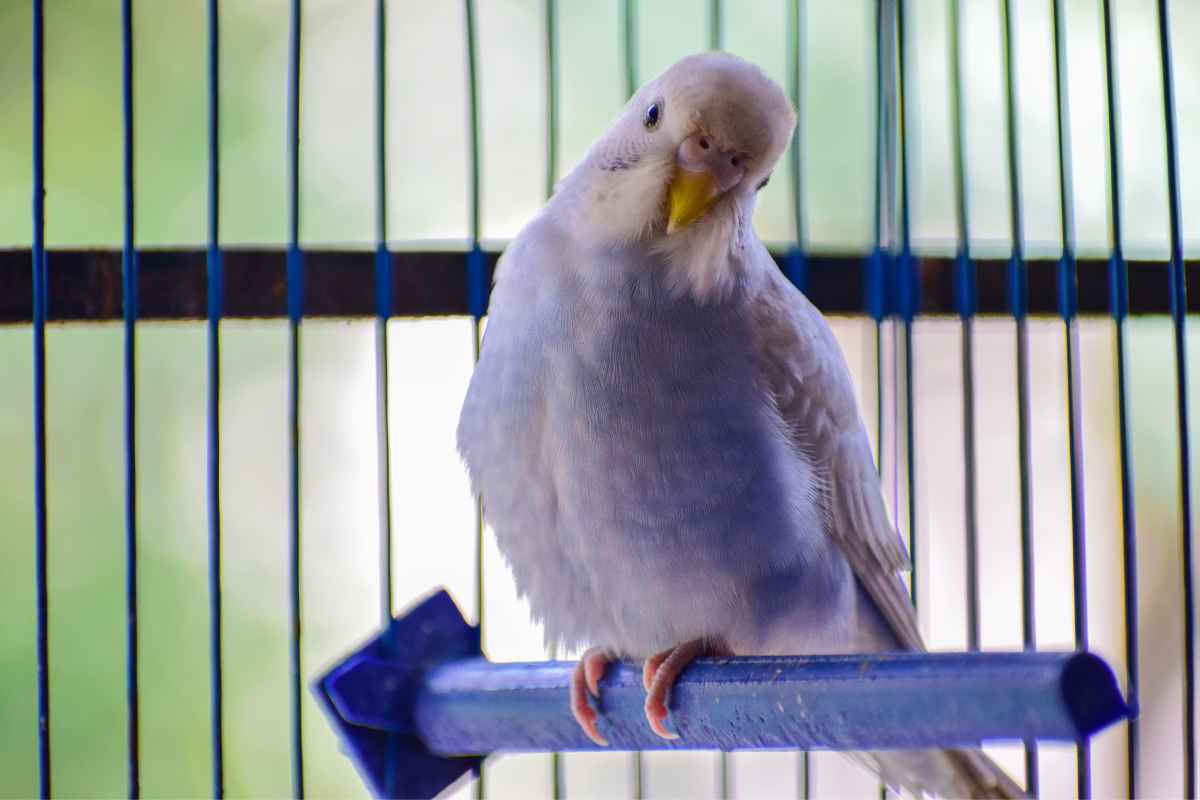
Dowel perches are one of the most commonly used accessories for birds, but they’re actually harmful.
The round, smooth surface doesn’t allow birds to properly exercise their feet, leading to foot problems like arthritis or pressure sores.
Alternative: Look for natural wood perches with varying diameters to encourage healthy foot muscle movement.
2. Happy Huts: A Safety Hazard
While they may look cozy, happy huts are dangerous for birds.
These enclosed spaces can cause stress and overheating for your bird, as they trap moisture and bacteria, leading to respiratory issues and infections.
Alternative: Opt for open-style hideaways like swings or hammocks that allow for proper airflow and comfort.
3. Toxic Cage Paints and Coatings
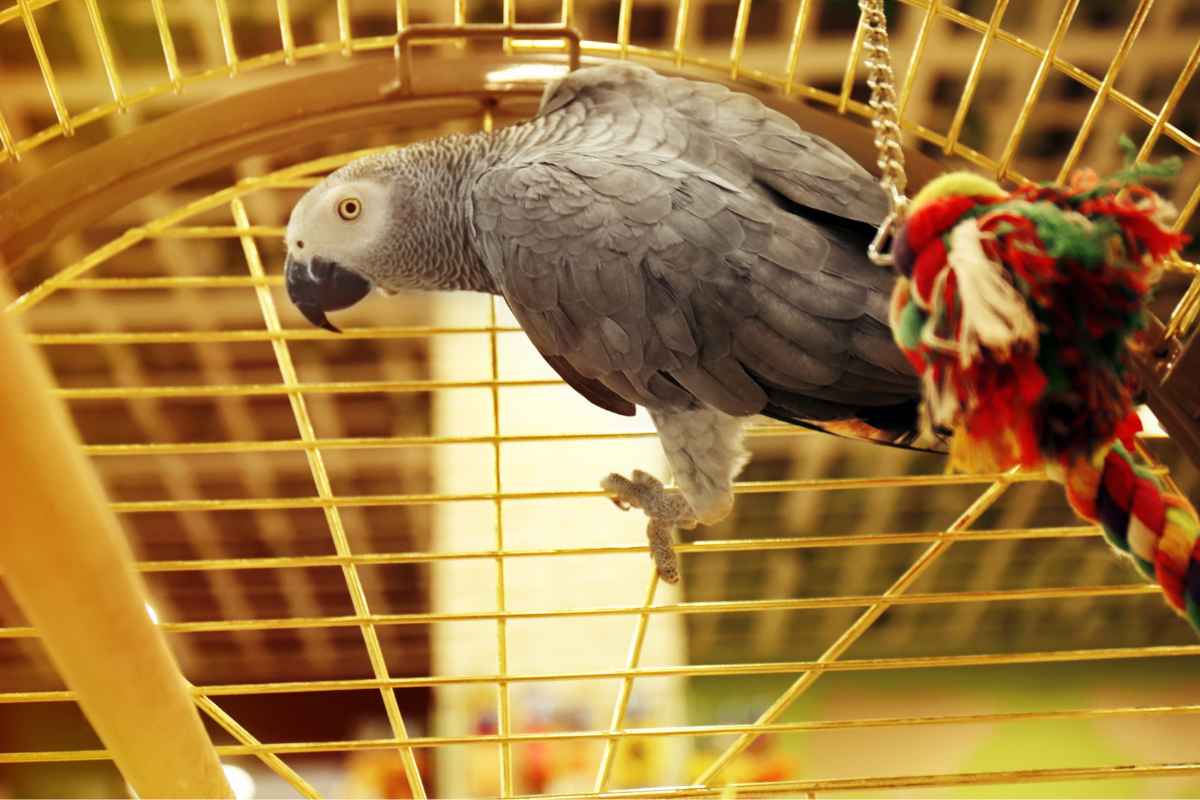
Many bird cages are painted with toxic paints or coated with harmful chemicals, which can be ingested by your bird, causing poisoning or other health problems.
Alternative: Always choose cages made of stainless steel or powder-coated finishes, which are free of harmful chemicals.
4. Bird Mirrors: A Breeding Ground for Anxiety
Bird mirrors might seem fun, but they can actually cause anxiety and behavioral problems.
Your bird might mistake its reflection for another bird, leading to stress, aggression, or even self-mutilation.
Alternative: Provide interactive toys like puzzle feeders or hanging toys to stimulate your bird mentally and physically.
5. Plastic Toys: Beware of Toxic Chemicals
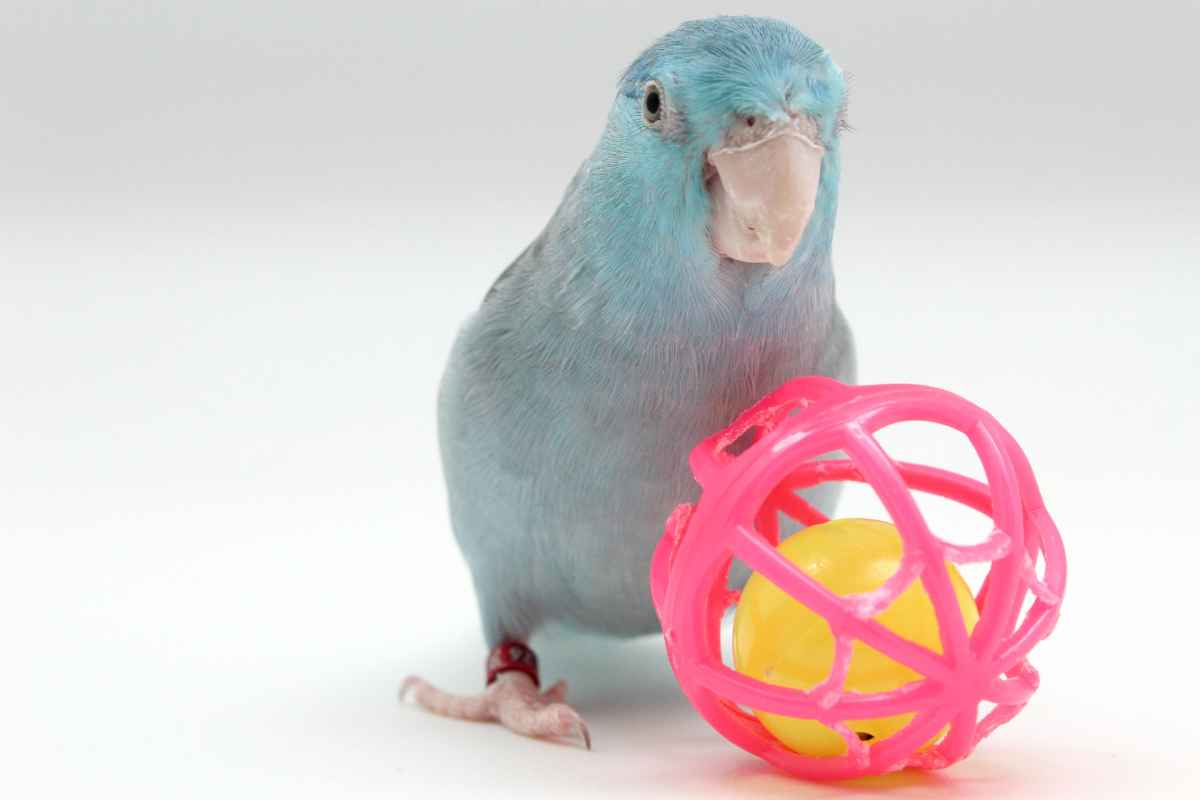
Some plastic toys may contain harmful chemicals like phthalates or lead, which can cause long-term damage to your bird's health.
Alternative: Choose wooden or stainless steel toys that are safe, non-toxic, and durable for your bird.
6. Colored Wood Products: Not Always Safe
While brightly colored wood toys might be attractive, they are often painted with toxic dyes that can harm your bird when chewed.
Alternative: Stick to natural, untreated wood toys or accessories to avoid any chemical exposure.
7. Bird Cages with Narrow Bar Spacing
Cages with bars that are too narrow or too wide can either cause injury or allow your bird to escape.
Narrow bar spacing can also cause your bird’s wings or feet to get stuck.
Alternative: Choose cages with bars spaced appropriately for your bird’s species, ensuring they are wide enough to allow for safe movement but close enough to prevent accidents.
8. Non-Adjustable Bird Baths
Some bird baths are too shallow or too deep, which can be unsafe for certain species.
Birds need access to fresh water for both drinking and bathing, and the wrong type of bath can lead to drowning or inadequate cleaning.
Alternative: Get a shallow, adjustable bird bath that allows your bird to bathe safely while controlling the water level.
9. Commercial Bird Seed Mixes with Unhealthy Additives
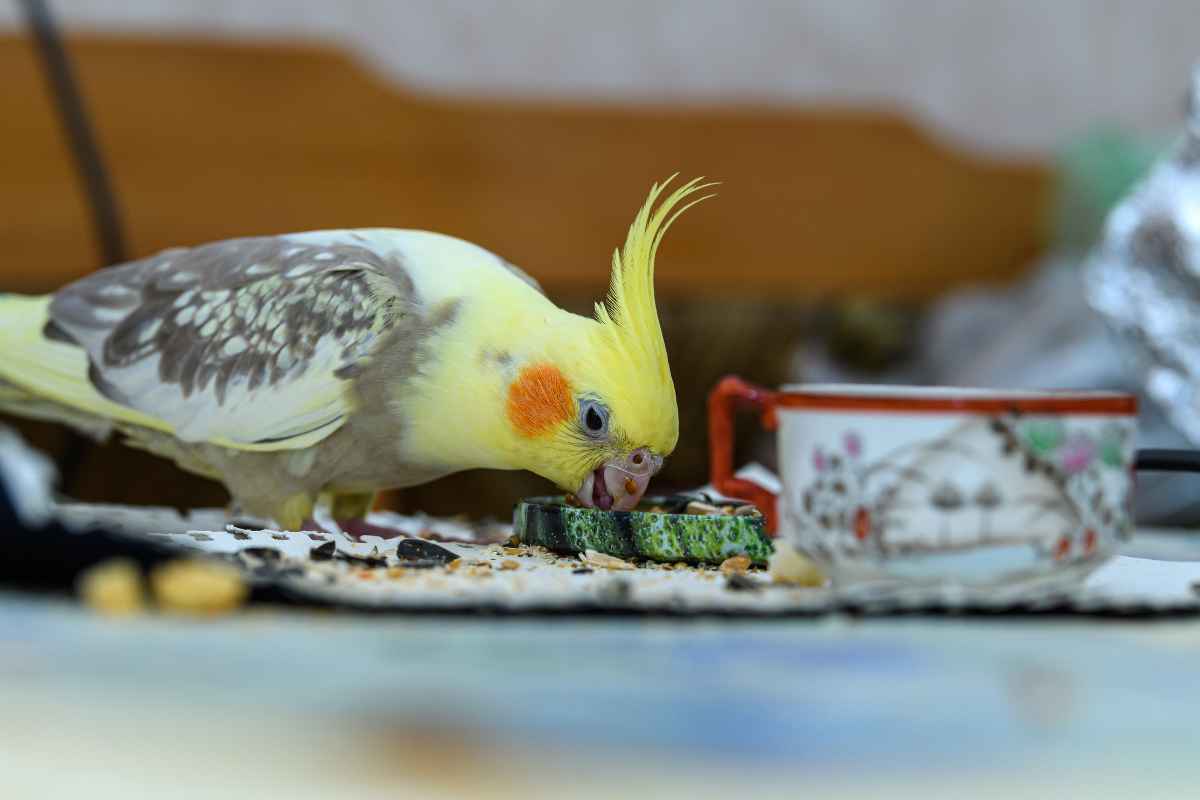
Many bird seed mixes contain sugary or artificial additives that can lead to obesity and other health issues in birds.
Alternative: Offer your bird a more balanced diet by focusing on high-quality seeds, supplemented with fresh vegetables and occasional fruits.
10. Birds on a Treadmill
While exercise is important, putting your bird on a treadmill or forcing them into artificial movements can cause muscle strain and stress.
Alternative: Provide free flight space in a bird-safe room or cage where they can exercise naturally.
11. Cheap, Low-Quality Bird Food
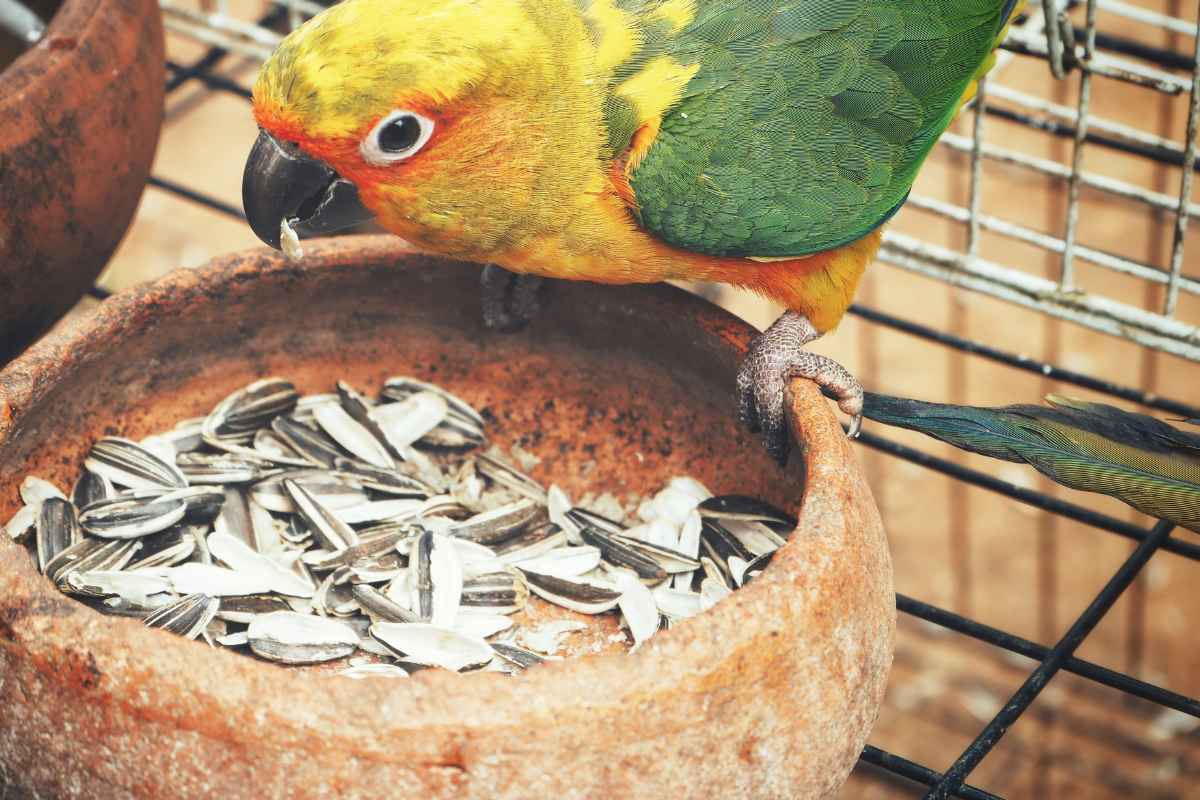
Not all bird foods are created equal. Low-quality bird food often contains fillers and lacks the necessary nutrients for proper health.
Alternative: Choose premium bird food that includes whole grains, seeds, and essential vitamins.
12. Ladder Perches
While ladders are fun for birds, they are often too steep or narrow, causing discomfort or injury.
Alternative: Instead, use wider, flatter perches that allow your bird to climb comfortably.
13. Overly Large Bird Toys
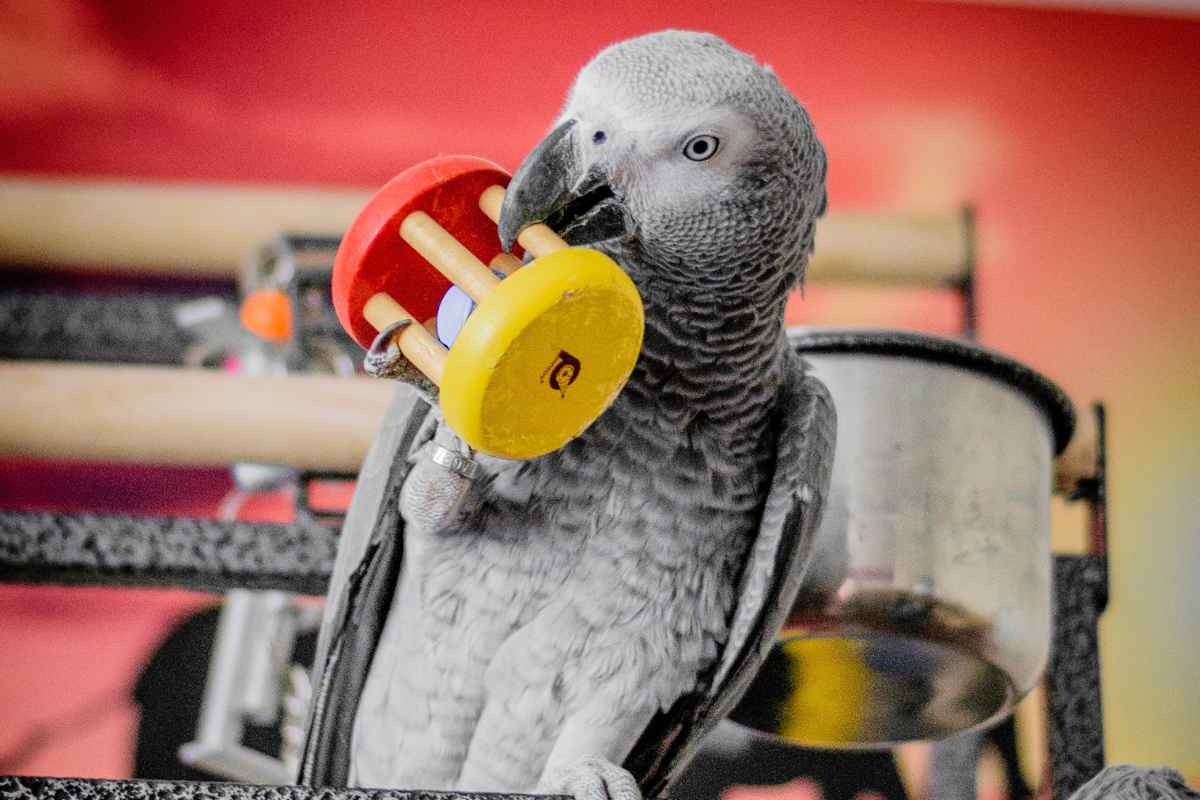
Birds may be attracted to large toys, but they can become overwhelmed or even injured if the toys are too big for their size.
Alternative: Stick to appropriately sized toys, and ensure that they are designed to challenge your bird without overwhelming it.
14. Bird Cages with Little Room to Fly
A cage that’s too small can restrict your bird's instincts to fly and move around.
Alternative: Always choose a cage that is spacious enough for your bird to fly short distances and move around freely.
15. Artificial Grass in Cages
Although it may seem like a comfortable option, artificial grass can trap moisture and bacteria, creating an unhealthy environment for your bird.
Alternative: Opt for cage liners or paper towels that are easy to clean and less prone to harboring bacteria.
16. Unnatural, Bright Lighting
Harsh, bright lighting can disrupt your bird's natural sleep cycle and cause stress.
Alternative: Use natural daylight bulbs or dimming lights to create a comfortable environment for your bird, especially during sleeping hours.
Protect Your Bird’s Health by Avoiding Harmful Products
Ensuring your bird’s safety and well-being is about more than just providing food and shelter.
Avoiding the 16 harmful bird products discussed here is an important step in creating a safe environment for your pet.
By opting for natural, safe alternatives, you’re helping to ensure your bird stays healthy, happy, and free from harm.
We hope you enjoy this video about Birds

Source: Flying Fids
Did you find this post useful or inspiring? Save THIS PIN to your Pets Board on Pinterest!

You may also like