
Unleashed Truth: 14 Telltale Signs Your Dog Doesn't Love You


It’s easy to take a dog’s behavior personally—especially when they avoid your gaze, don’t come when called, or seem uninterested in cuddles. But most of these moments are not about affection at all.
They’re about canine body language, context, and needs. Dogs communicate primarily with posture, facial tension, tail carriage, and distance.
Read correctly, these signals point to signs of stress, uncertainty, or discomfort—not a lack of bond.
This guide reframes common misunderstandings, explains what you might be seeing, and offers humane ways to support your dog so your relationship can keep getting better.
How to Read Canine Body Language in Context

Behavior rarely means one thing in isolation. A wagging tail can signal joy—or high arousal; avoidance can mean fear—or a polite request for space.
To interpret accurately, notice the whole dog: muscle tone, ear and tail position, eye softness, breathing rate, and whether they approach or create distance.
Then add context: what just happened, who’s present, where you are, and whether pain or fatigue might be involved. When you view behavior through this wider lens, you’ll see patterns that help you respond with empathy rather than worry.
Myths to Let Go Of

“Dominance” and “disrespect” are outdated explanations for most everyday issues. Dogs aren’t power scheming; they’re navigating their environment with the skills they have.
Labels like “stubborn” or “not loving” often mask unmet needs: predictable routines, positive reinforcement, adequate physical exercise, rich mental enrichment, and a sense of safety and choice.
Replace blame with curiosity and you’ll make faster, kinder progress.
14 Signs of Stress Mistaken for “Doesn’t Love You”
1) Avoids Eye Contact

Looking away is usually a calming signal. Your dog may be trying to reduce social pressure or cool down an exciting interaction.
Soft blinks and brief glances are polite. Respect the request for space, then invite connection later when they’re more relaxed.
2) Turns Head or Body Away (or Freezes)
A quarter turn, a whole-body pivot, or a momentary freeze can signal uncertainty. The dog is saying, “I’m not comfortable with this.” Slow down, lower intensity, and give them the option to approach on their terms.
Choice builds trust—and trust deepens the bond.
3) Tail Language Isn’t Simple
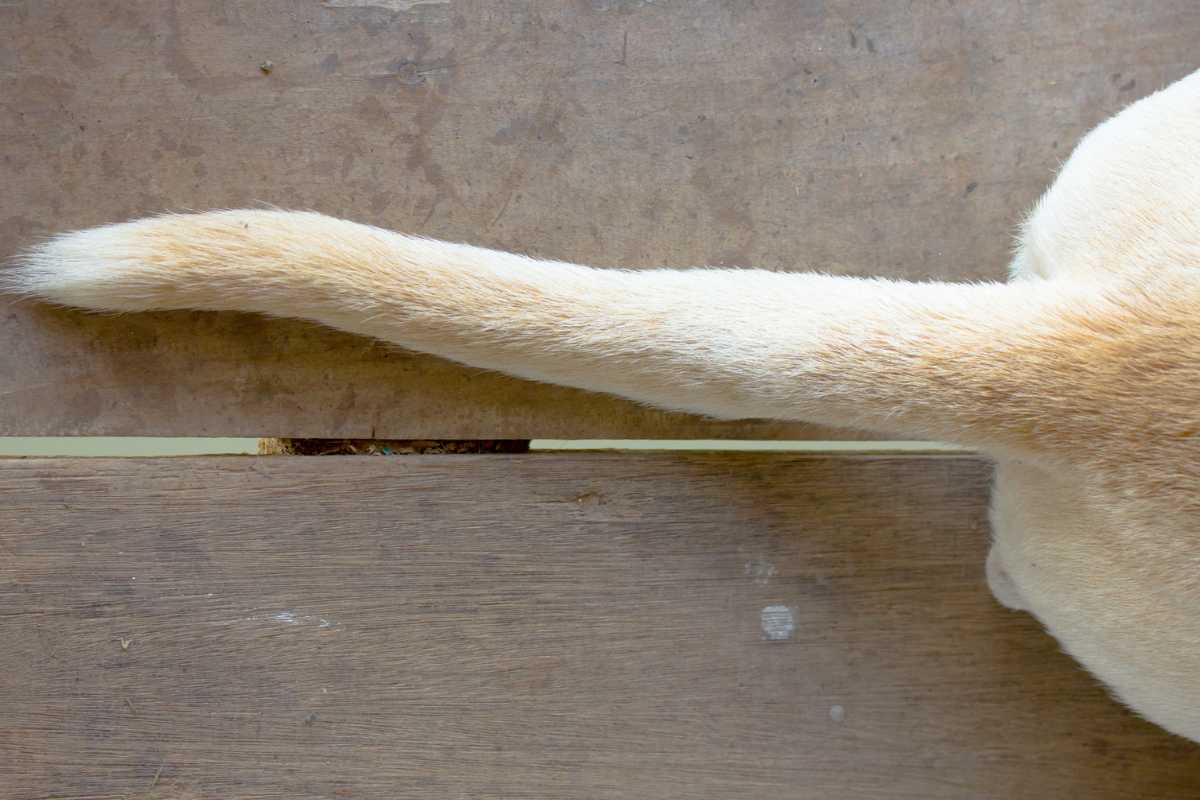
A loose, sweeping wag at mid-height often indicates friendliness. But a high, tight tail with a stiff body can mean alertness or agitation; a low, tucked tail may signal fear.
Don’t judge by the tail alone. Read the entire body to understand how they feel.
4) Lip Licking, Yawning, or Ears Back
These subtle signals can show mild stress—especially if they appear outside of obvious contexts like mealtime or nap time.
Pair these with other cues (tension around the eyes and mouth, weight shifting) and lower the intensity of what you’re doing. Gentle pacing and positive reinforcement help.
5) Doesn’t Come When Called
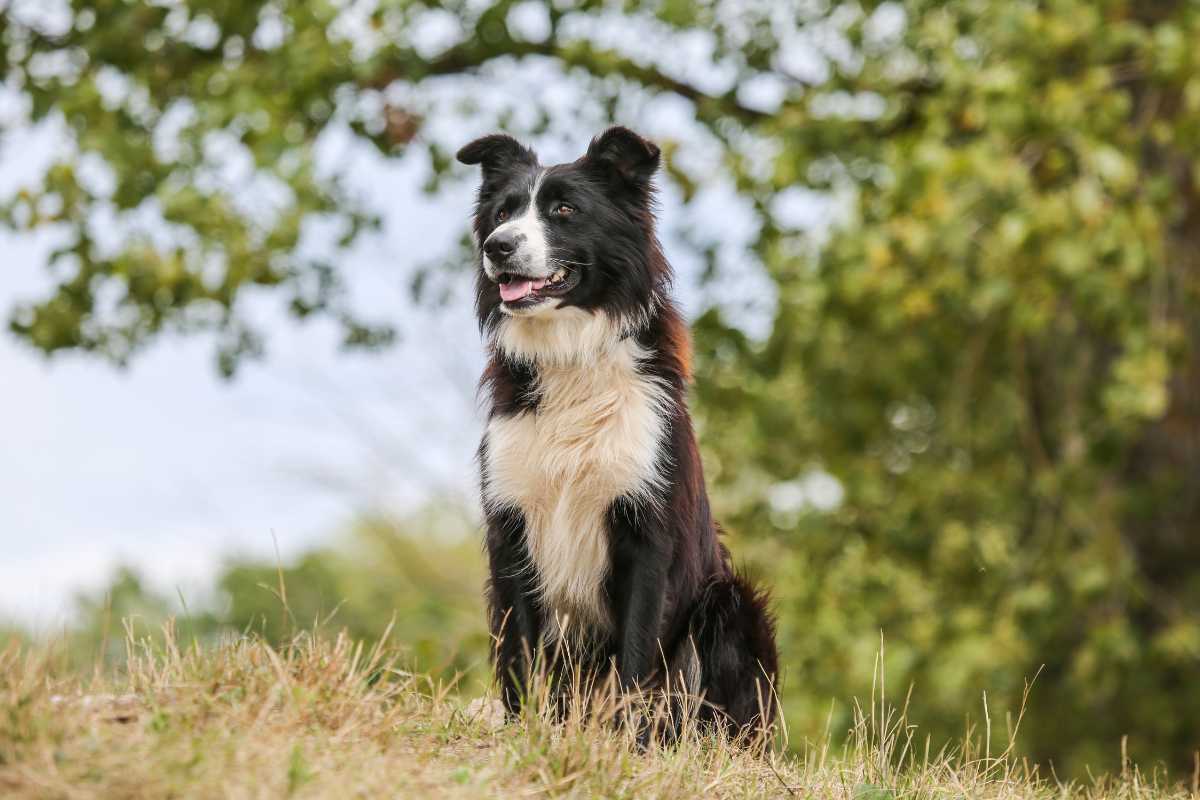
This isn’t personal. It may be poor recall training, competing distractions, low reinforcement history, or even hearing changes.
Make yourself worth coming to with high-value rewards, short practice sessions, and gradually tougher environments. Medical checks are wise if there’s a sudden change.
6) Ignores Touch or Cuddles
Some dogs are naturally less tactile. Others avoid touch when sore, overheated, anxious, or simply tired. Offer petting in brief, predictable ways and pause to see if they lean in. Touch should be a conversation, not a demand.
7) Excessive Barking or Whining
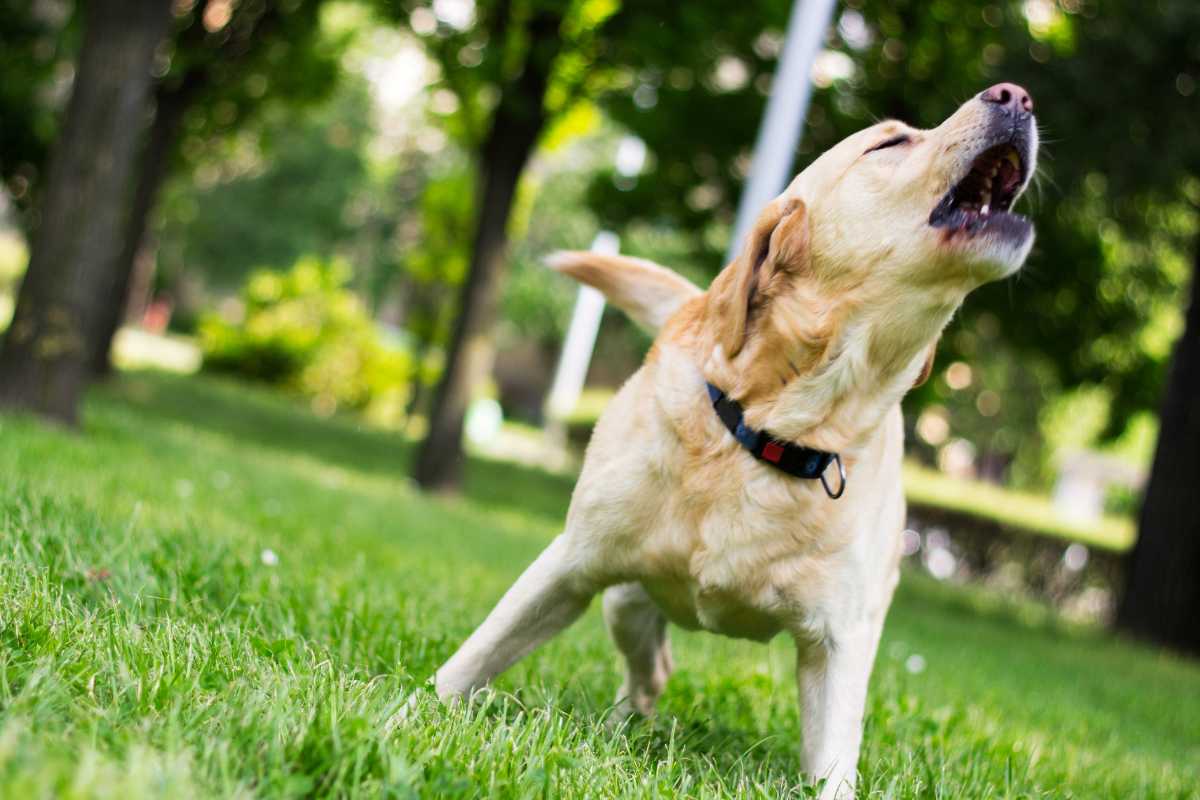
Vocalizing can stem from boredom, alerting, frustration, or separation anxiety. Instead of “shushing,” meet the underlying need: more enrichment, decompression walks, quiet resting areas, and routines that reduce uncertainty.
Teach alternate behaviors and reinforce calm when life gets noisy.
8) Destructive Chewing, Digging, or Zoomies
These often reflect unmet exercise and enrichment needs, or stress relief. Offer appropriate chew outlets, rotate puzzle feeders, and provide structured energy outlets.
When dogs have a healthy way to spend energy, chaos at home usually shrinks.
9) Growling, Snapping, or Showing Teeth

This is communication, not betrayal. It says, “I’m uncomfortable; please stop.” Punishing early warnings risks suppressing signals and can make behavior less predictable.
Instead, step back, note triggers, and seek support from a certified behavior professional if it persists.
10) Sleeping a Lot or Low Energy
Most adult dogs sleep 12–14 hours a day. What matters is change. If your lively dog suddenly naps all day, or your relaxed pup becomes restless at night, speak with your vet. Pain, illness, or stress can alter sleep patterns.
11) Hiding, Avoiding Proximity, or Pacing

Creating distance can be a coping strategy. Ensure your dog has safe zones where they can retreat undisturbed.
Reduce environmental pressure, avoid cornering, and build resilience gradually with confidence-building activities and predictable routines.
12) Guarding Food, Toys, or Resting Spots
Resource guarding is natural, but it can become risky. Don’t grab or challenge. Instead, teach voluntary trades and add value to your approach over time. If the behavior escalates, partner with a professional to create a tailored plan.
13) Panting, Drooling, or Shaking When It’s Not Hot

Stress can look like thermoregulatory signs even in cool rooms: fast panting, damp lips, or a subtle tremor. Consider the situation—new visitors, novel objects, or tight spaces.
Offer distance, predictability, and calming activities. If these signs appear frequently or suddenly, rule out pain with your veterinarian.
14) No Greeting or a Slower-Than-Usual Greeting
If your dog used to sprint to the door and now ambles—or doesn’t greet at all—don’t assume they’re “over you.” Dogs adjust greetings based on arousal, age, fatigue, and health.
A slower hello can mean they’re tired, sore, or managing excitement. Keep greetings low-pressure, and notice patterns over days, not minutes.
When to Involve a Veterinarian or Behavior Specialist

Any sudden behavior change, sensitivity to touch, limp, appetite shift, bathroom accident, or new irritability deserves a veterinary check. Pain frequently wears a behavioral mask.
If medical issues are cleared and you still see fear, frustration, or aggression, connect with a veterinary behaviorist or credentialed trainer who uses force-free, science-based methods.
Early help prevents patterns from setting in and keeps everyone safer. Think of this as proactive care—like seeing a physical therapist for a tight shoulder instead of waiting for a tear.
Gentle Ways to Strengthen the Bond (Without Pressure)
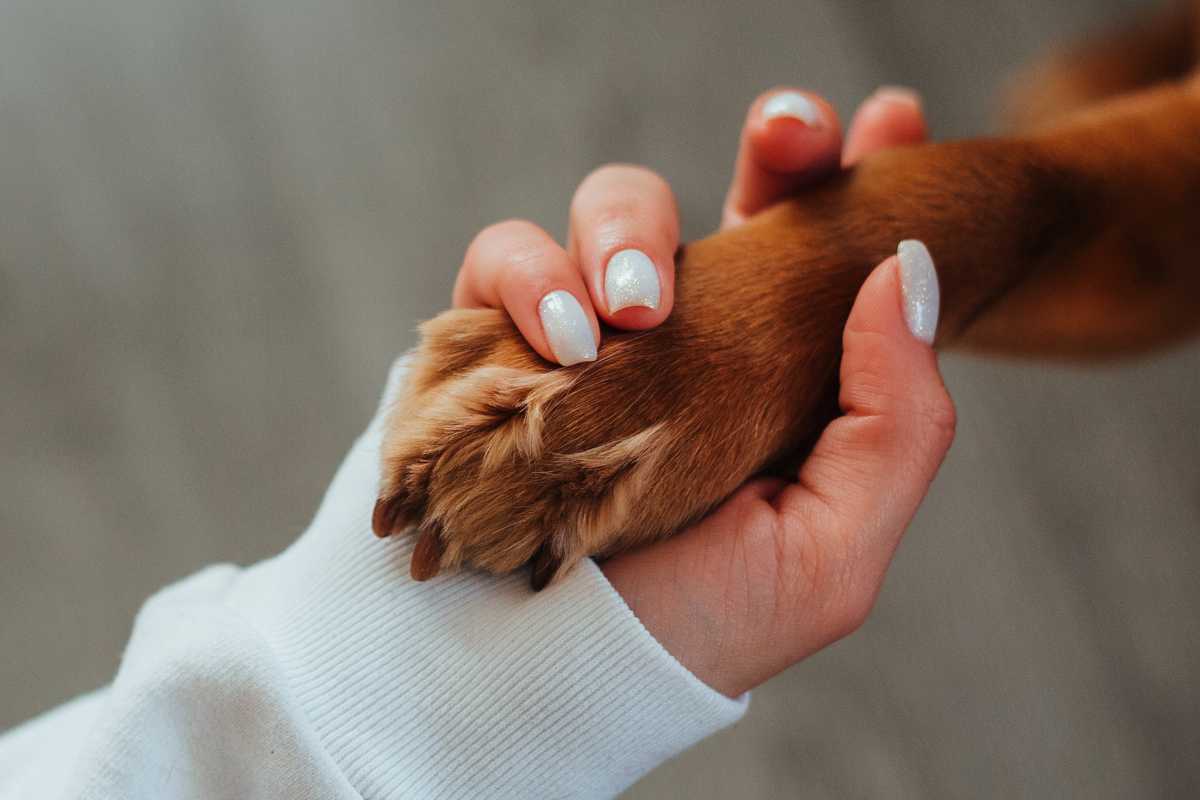
You don’t need grand gestures to show love in a way dogs understand. Aim for relationship-centered training: clear communication, generous positive reinforcement, and lots of choices.
Keep sessions short and upbeat so your dog can win often. Add enrichment that fits their breed tendencies—sniffing games for scent-driven dogs, shreddable “legal” items for de-stressors, or calm foraging when they need to settle.
Balance physical exercise with mental work and rest, since overtired dogs struggle to self-regulate.
Guard the environment to make good choices easy: store tempting off-limits items, provide comfortable resting spots, and keep household routines predictable.
If your dog is wary, become a source of good news: announce yourself before approaching, toss a treat as you pass their bed, or invite rather than insist on contact. Small moments, repeated often, reshape how your dog feels in your presence.
Finally, practice compassionate timing. Ask for attention when your dog is likely to say “yes”—after a nap, a potty break, or a walk—not when they’re overloaded.
Love looks like listening. The more you respect their signals, the more signals they’ll offer—and the more your connection will flourish.
Quick FAQs
Does avoiding eye contact mean my dog doesn’t care about me?
No. It’s typically a polite de-escalation. Many affectionate dogs offer soft glances rather than stares.
Is a wagging tail always happy?
Not always. Tail height, speed, and stiffness matter, as does the rest of the body. Look for relaxed muscles and loose movement for genuine ease.
Should I correct growling?
Treat growls as valuable information. Create safety, increase distance, and change the situation. Then address the root with humane training—and, if needed, a professional.
A Kinder Conclusion

Your dog is speaking all the time; we’re simply learning the language. Most behaviors that look like rejection are signals of stress or need, not proof of missing affection.
When you interpret canine body language in context, meet core needs, and use positive reinforcement, you help your dog feel safe—and safety is what unlocks connection.
If something doesn’t look right, prioritize when to see a veterinarian and loop in a certified behavior professional. With patience and empathy, your bond won’t just survive misunderstandings—it will grow stronger every day.
Enjoy The Video About Dogs
Source: Jaw-Dropping Facts
Did you find this post useful or inspiring? Save THIS PIN to your Pets Board on Pinterest!

You may also like