
Vegetables and Fruits That Will Kill Your Rabbit


As a responsible rabbit owner, one of the most important things to know is what foods are safe for your furry companion and what foods can be harmful.
While rabbits are known for their love of fresh vegetables and fruits, not all of them are safe to eat. Some can cause serious health problems, from digestive issues to poisoning.
This article will guide you through some of the most common fruits and vegetables that can be harmful to your rabbit, explaining why they pose risks and how to keep your pet safe.
Why Some Fruits and Vegetables Are Dangerous to Rabbits

Rabbits are herbivores, and while they have a diet that primarily consists of hay, fresh vegetables, and fruits, certain foods can disrupt their delicate digestive system. A rabbit's digestive tract is designed to process fiber-rich food, and introducing foods that are too high in sugar, starch, or toxins can cause serious harm.
Toxic Vegetables and Fruits to Avoid
Grapes and Raisins: Sweet but Deadly
While grapes and raisins are a healthy snack for humans, they are highly toxic to rabbits. Even small amounts can lead to kidney failure in rabbits, a condition that can be fatal if not treated immediately. The exact substance in grapes and raisins that causes this reaction is still unclear, but it's best to avoid them altogether.
If your rabbit accidentally consumes grapes or raisins, monitor them closely for symptoms of kidney failure, which include lethargy, lack of appetite, and abnormal urination. Immediate veterinary care is essential.
Avocados: A Hidden Danger

Avocados are commonly known for their healthy fats and nutrient-rich profile for humans, but they can be deadly to rabbits. The problem lies in a substance called persin, which is found in the flesh, skin, and pit of the avocado. Persin can cause severe respiratory distress, heart failure, and even death in rabbits if ingested.
Even a small amount of avocado can lead to toxicity in rabbits, so it’s best to avoid it entirely. If you suspect your rabbit has eaten avocado, contact a veterinarian immediately for advice.
Rhubarb: A Silent Threat
Rhubarb is another commonly used vegetable that can be extremely dangerous to rabbits. The oxalates present in rhubarb leaves can cause kidney damage, calcium depletion, and even death if consumed in large quantities. While the stalks of rhubarb are sometimes used in cooking, the leaves are highly toxic and should never be fed to your rabbit.
Potatoes (Raw): Toxic Starch

Raw potatoes, including green potatoes, contain solanine, a toxic substance that can cause digestive upset, lethargy, and even death in rabbits. Solanine is particularly concentrated in the green parts of the potato, such as the skin and sprouts, so even small amounts can be harmful.
It's important to never feed raw potatoes to your rabbit. If your rabbit has consumed raw potato, watch for symptoms such as vomiting, diarrhea, or lack of energy. These can be signs of solanine poisoning, and immediate veterinary care is required.
Vegetables and Fruits that Should Be Eaten with Caution
Carrots and Carrot Tops: A Treat, but in Moderation
Carrots are often seen as a rabbit's favorite treat, and while they are not toxic, they should be given in moderation. Carrots are high in sugar and calcium, which can cause obesity and kidney issues if fed in large amounts. Carrot tops, while rich in nutrients, should also be given sparingly.
A good rule of thumb is to offer a small piece of carrot as an occasional treat, but hay and leafy greens should make up the majority of your rabbit's diet.

Fruit: High in Sugar, Low in Fiber
Fruits like bananas, apples, and berries can be a delicious treat for your rabbit, but they should only be offered occasionally. While fruits are a good source of vitamins and antioxidants, they are also high in sugar, which can lead to obesity and digestive problems if overfed.
Always remember to remove the seeds and pits from fruits like apples and peaches, as they can contain cyanide, a toxic substance. Fruits should only make up about 5% of your rabbit’s daily diet.
Safe Alternatives for Your Rabbit's Diet

Instead of feeding your rabbit harmful fruits and vegetables, opt for safer options that will keep them healthy and happy. Here are some of the best foods to feed your rabbit:
Leafy greens: Offer a variety of greens such as romaine lettuce, spinach, kale, and dandelion greens. These are high in fiber and low in sugar, making them ideal for your rabbit's digestive system.
Herbs: Rabbits enjoy a variety of herbs, such as parsley, cilantro, basil, and mint. These herbs are nutritious and safe for your rabbit to eat.
Vegetables: Safe vegetables include bell peppers, zucchini, cucumber, and broccoli. These are fiber-rich and provide essential nutrients.
Hay: Timothy hay should be the primary component of your rabbit’s diet. It provides the necessary fiber to keep their digestive system in check.
What to Do If Your Rabbit Eats Something Harmful
If you suspect your rabbit has eaten something harmful, it’s important to act quickly. Here are some steps you can take:
Monitor for symptoms: Watch for any signs of distress, including lethargy, loss of appetite, diarrhea, or changes in behavior.
Contact a veterinarian: If your rabbit has eaten something toxic, it’s crucial to seek professional veterinary care immediately. They can provide advice and treatment to help your rabbit recover.
Prevention: Keep harmful foods out of reach of your rabbit and ensure that they only have access to safe, rabbit-friendly foods.

Conclusion: Keeping Your Rabbit Safe
As a rabbit owner, it’s essential to be aware of the foods that can harm your pet and to make sure they only eat safe, nutritious foods.
By avoiding the dangerous fruits and vegetables mentioned above and opting for safe alternatives, you can help ensure your rabbit remains healthy and happy for years to come.
Always remember to consult with your veterinarian for any specific dietary concerns or questions. With proper care and attention, your rabbit can live a long, healthy life, free from the dangers of harmful foods.
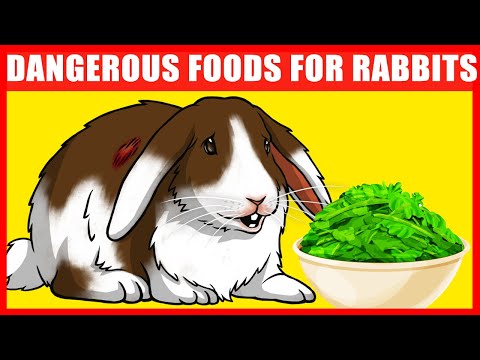
We hope you enjoy this video about Rabbits
Source: Jaw-Dropping Facts
Did you find this post useful or inspiring? Save THIS PIN to your Pets Board on Pinterest!

You may also like