
Ways You Are Hurting Your Hamster Without Realizing


Hamsters are wonderful, low-maintenance pets, but they still require proper care to ensure they live long, healthy lives.
Many hamster owners unknowingly make mistakes that could harm their pets.
In this article, we’ll explore common mistakes you might be making that affect your hamster’s well-being, and provide tips on how to fix them.
Let’s dive into these unintentional mistakes and learn how to improve your hamster’s life.
1. Poor Cage Size and Setup

One of the most common mistakes hamster owners make is providing a cage that’s too small.
While hamsters may seem tiny, they need plenty of space to run, play, and explore. A cramped cage can lead to stress, obesity, and even behavioral problems.
How to Fix It
Ensure that your hamster’s cage is at least 450 square inches of floor space for a Syrian hamster and about 360 square inches for a dwarf hamster.
Make sure to include essential accessories like a wheel, tunnels, and hideouts. Additionally, avoid wire-bottom cages as they can cause painful injuries to their feet. Opt for solid flooring like wood or plastic.
2. Incorrect Diet Choices
Feeding your hamster the wrong type of food can lead to obesity, digestive problems, and other health issues.
Many commercial hamster foods are filled with sugary treats or excessive seeds, which can cause serious harm in the long term.
How to Fix It
Provide a balanced diet that includes fresh vegetables, high-quality hamster pellets, and small portions of fresh fruit. Avoid sugary treats and limit seed-based food.
For variety, give your hamster dark leafy greens like spinach, kale, or romaine lettuce, and occasionally a small piece of carrot or apple.
3. Lack of Mental and Physical Stimulation
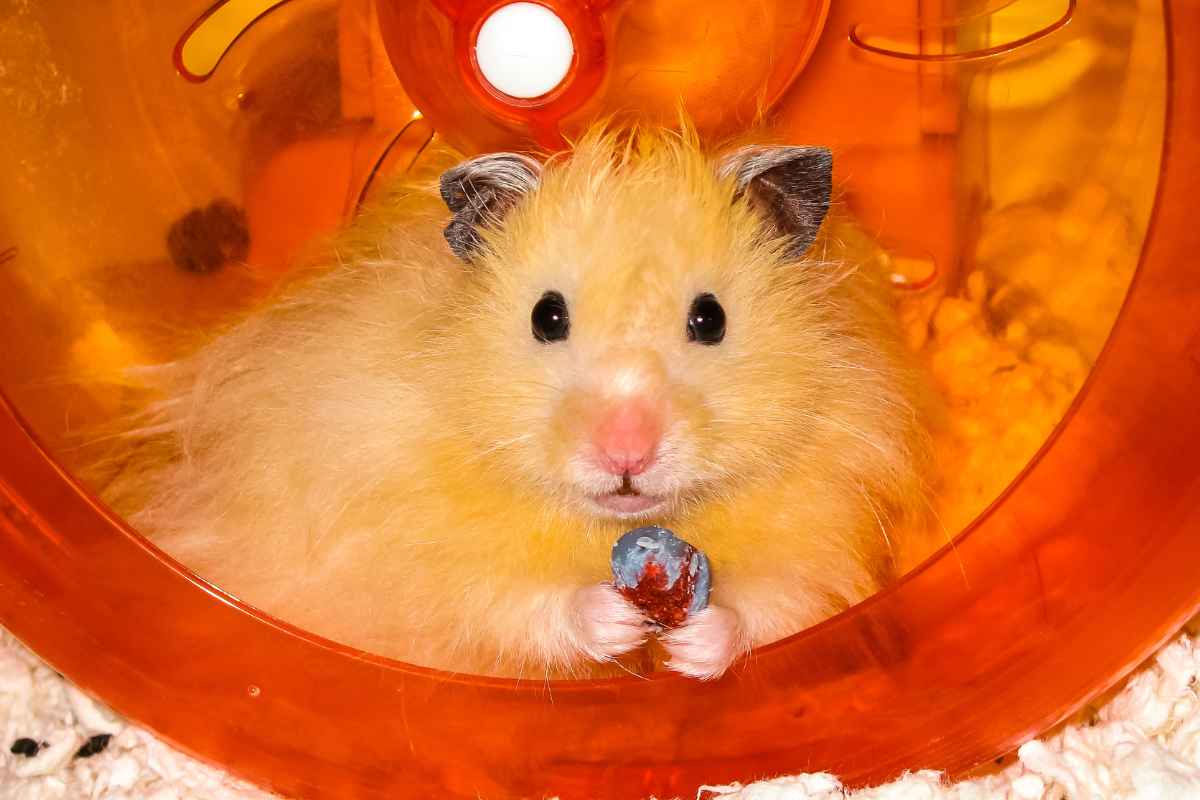
Hamsters are active creatures that require plenty of exercise and mental stimulation.
Without sufficient activity, they can become bored and even depressed, leading to destructive behaviors such as chewing on cage bars.
How to Fix It
Offer a variety of toys to keep your hamster entertained, such as exercise wheels, tunnels, and chew toys.
You can also let them out in a hamster-safe playpen for supervised time outside the cage.
Rotating toys regularly will keep things interesting for your hamster.
4. Ignoring Regular Cage Cleaning
A dirty cage is not only unpleasant for your hamster but can also lead to health problems like respiratory issues, skin infections, and even parasites.
Hamsters naturally tend to create burrows in their habitat, but if the cage is left dirty for too long, it can become a breeding ground for bacteria.
How to Fix It
Clean your hamster’s cage regularly by removing soiled bedding and replacing it with fresh material. A full cleaning of the cage should be done once a week.
Make sure to disinfect water bottles and food dishes. Avoid using harsh chemicals that could harm your pet—opt for pet-safe cleaners or a mild vinegar solution.
5. Providing the Wrong Bedding
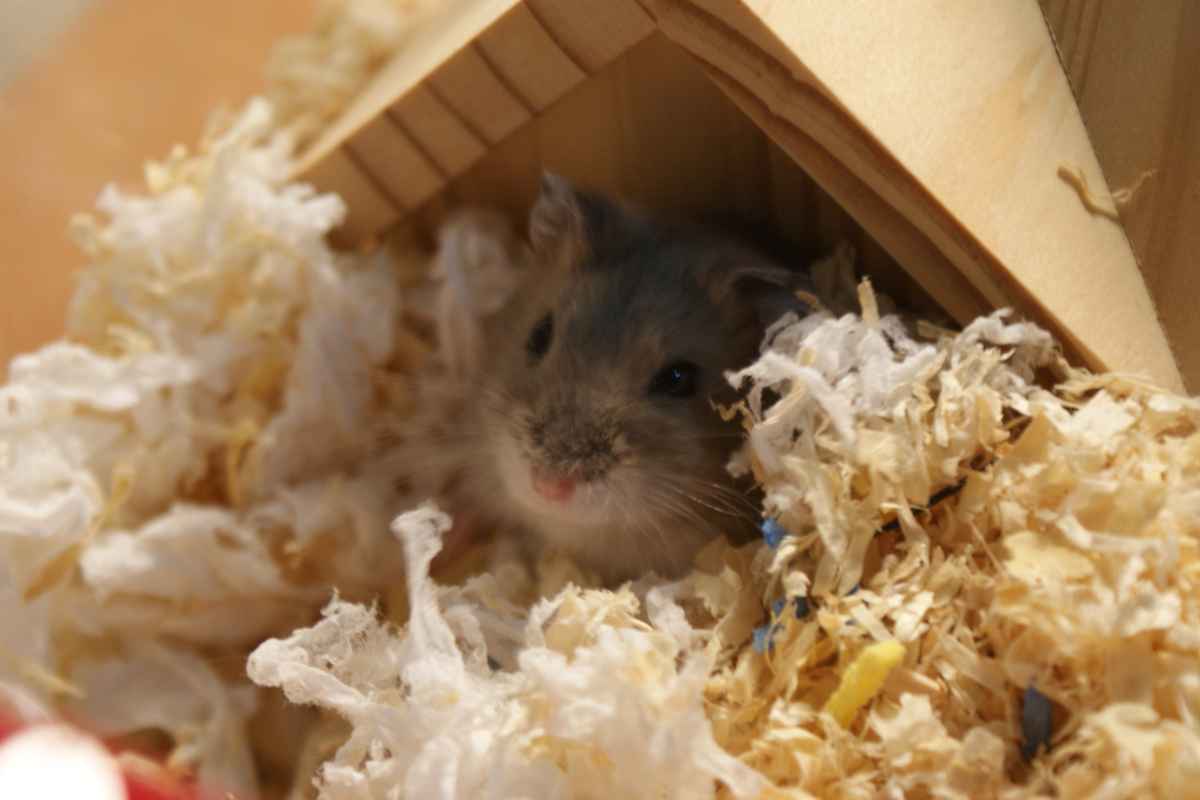
Many hamster owners make the mistake of using cedar or pine bedding, which can be harmful due to the toxic oils these woods contain.
These oils can irritate your hamster’s respiratory system and cause allergies.
How to Fix It
Use safe bedding options like paper-based bedding or aspen shavings, which are non-toxic and comfortable for your hamster. Avoid anything with strong scents or colored dyes, as these can cause skin irritation.
6. Improper Handling
Hamsters are small and delicate creatures that need gentle handling.
Rough or sudden movements can cause stress, anxiety, and even injury. Many owners mistakenly try to grab or restrain their hamster, which leads to fear-based behaviors.
How to Fix It
When handling your hamster, use gentle, slow movements.
Let them climb into your hands and avoid grabbing them by the scruff or tail. If your hamster is nervous, offer a treat or allow them to walk onto your hand voluntarily.
Start with short interactions and gradually increase the time as they become more comfortable.
7. Not Providing Enough Fresh Water
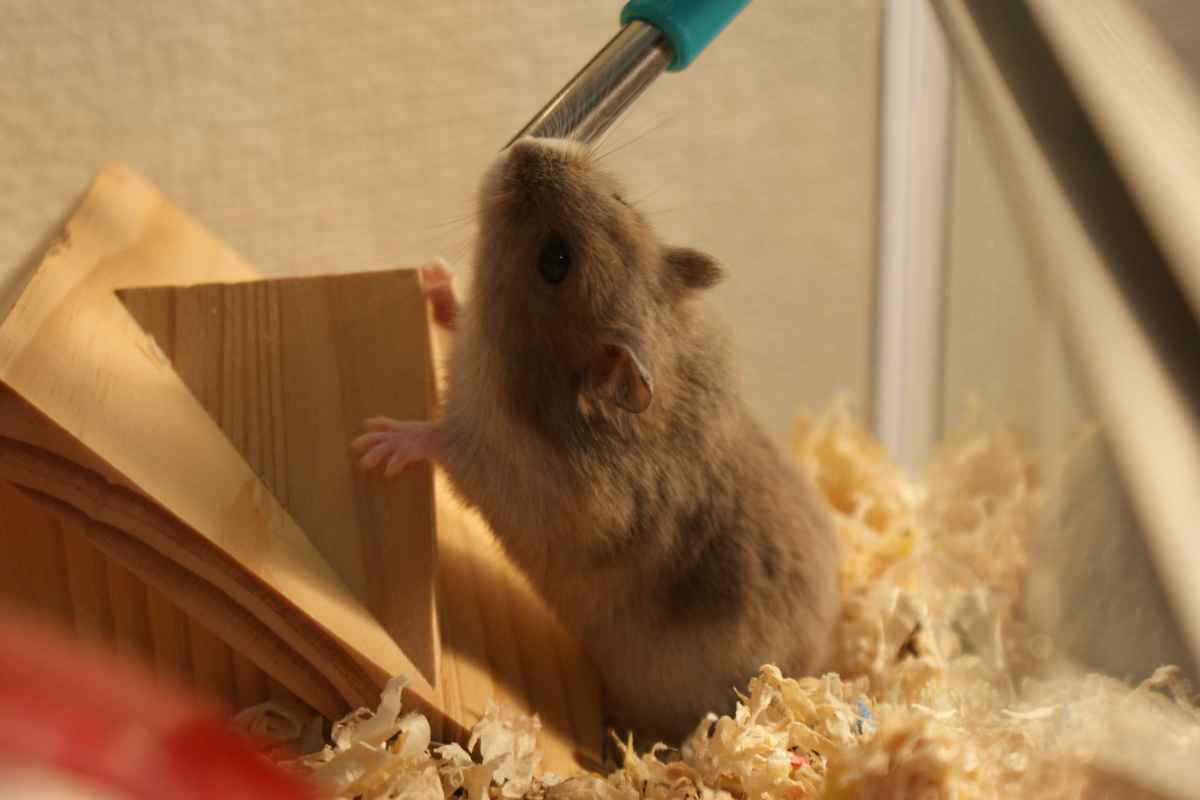
Dehydration is a serious problem for hamsters, and many owners forget to check their hamster’s water supply regularly.
Even if you think the bottle is full, water may not flow properly, leading to dehydration.
How to Fix It
Make sure your hamster’s water bottle is working correctly, and check it every day to ensure it’s full and dispensing water.
Alternatively, you can offer a small water dish as a backup. Remember to clean the water bottle and dish regularly to prevent bacterial growth.
8. Keeping Hamsters in an Environment with High Noise Levels
Hamsters are sensitive to loud noises, and a noisy environment can cause them stress and disrupt their sleep patterns.
Many owners place their hamsters’ cages in busy areas of the house, where constant noise can be overwhelming.
How to Fix It
Place your hamster’s cage in a quiet, low-traffic area away from loud sounds like television, music, or household appliances.
Hamsters are most active during the night, so a calm environment will help them feel secure and allow them to rest during the day.
9. Failing to Offer Enough Socialization

Although hamsters are solitary animals, some species, like dwarf hamsters, can enjoy the company of their cage mates if introduced properly.
Lack of social interaction can make hamsters feel isolated and stressed.
How to Fix It
If you have a species that can tolerate cohabitation, make sure to introduce new hamsters gradually to avoid fighting.
If your hamster is alone, ensure they have plenty of interaction with you, but always on their terms. Hamsters thrive with quality time and care from their owners.
10. Ignoring Signs of Illness
Hamsters are great at hiding signs of illness, so it’s important to be observant. If your hamster is suddenly lethargic, not eating, or has abnormal droppings, it could indicate a health issue.
How to Fix It
If you notice any changes in your hamster’s behavior or appearance, it’s important to seek veterinary attention immediately.
A qualified vet can perform a health check-up and recommend treatments to address any concerns. Regular check-ups are also a good way to ensure your hamster remains healthy.
11. Not Giving Your Hamster Enough Time to Exercise
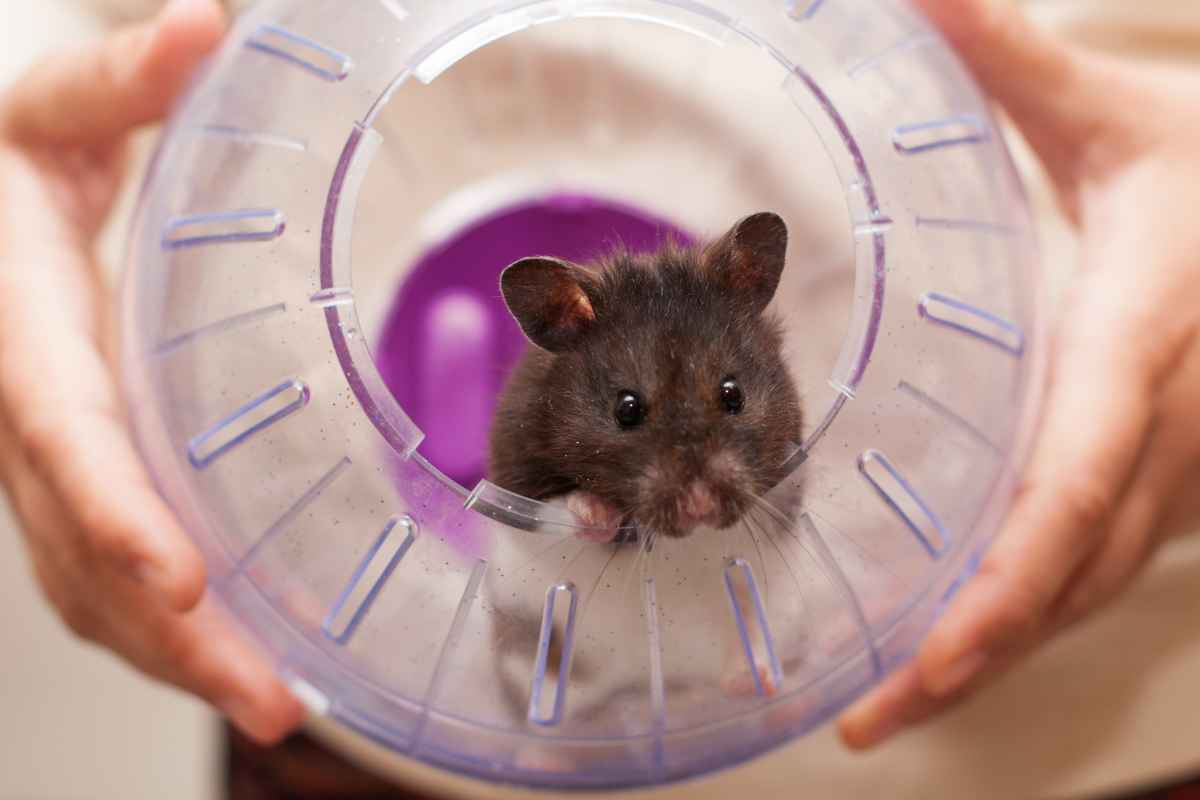
While hamsters are known for running in wheels, they also need other forms of physical activity to stay healthy. Simply relying on a wheel can lead to muscle strain or boredom.
How to Fix It
Incorporate safe playtime outside of the cage in a hamster-proof area.
You can create an obstacle course using tunnels, blocks, and small toys.
Exercise encourages mental stimulation, reduces stress, and helps maintain a healthy weight.
Conclusion: Giving Your Hamster the Best Life Possible
By making simple adjustments to your hamster’s diet, habitat, and routine, you can ensure they live a healthy and happy life.
Providing a spacious cage, proper nutrition, regular cleaning, and plenty of mental and physical stimulation will go a long way in making your hamster feel secure and content.
Remember, small changes can make a big difference in your pet’s well-being.
With the tips and guidelines shared above, you’ll be better equipped to avoid harming your hamster without realizing it.
Take the time to observe your pet’s behavior and needs, and always strive to provide them with the best care possible.
Source: Jaw-Dropping Facts
Did you find this post useful or inspiring? Save THIS PIN to your Pets Board on Pinterest!

You may also like