
What to do After your Hamster Dies


Losing a pet is never easy, especially when it’s a small, loving creature like a hamster. These little friends quickly become part of the family, offering joy and companionship, and their passing leaves a void.
If you're navigating the difficult loss of your hamster, this guide will provide you with practical steps to help you cope, honor their memory, and take care of the aftermath in a way that respects both you and your pet.
1. Confirming the Death of Your Hamster
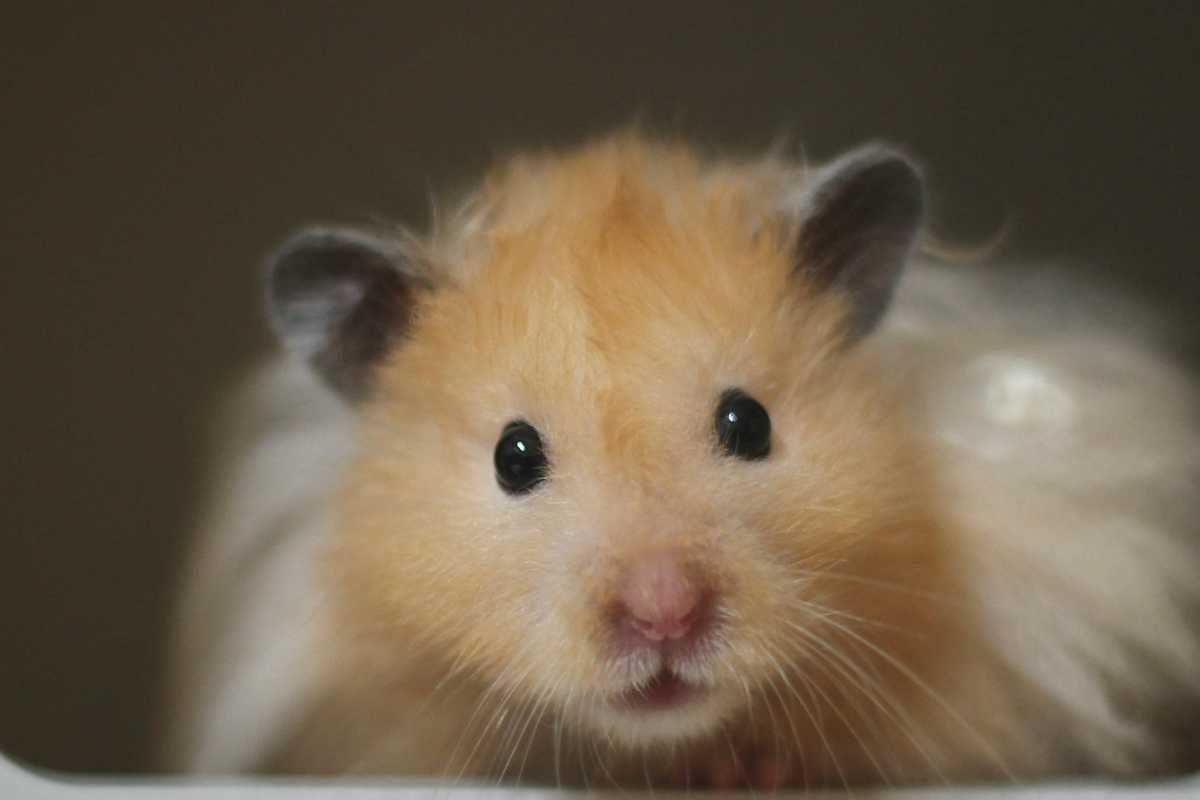
The first step when dealing with the death of a hamster is ensuring that they have truly passed away.
Sometimes, hamsters go into a deep sleep or a hibernation-like state, making it difficult to distinguish between a deep rest and actual death.
Signs of death in a hamster:
Unresponsiveness: Gently tap them or try to wake them up. If there's no movement, they may have passed.
Body temperature: A cold body could indicate that the hamster has passed away.
Lack of breathing or heartbeat: If their chest isn’t rising and falling and you can't detect a heartbeat, it’s likely the end.
Once you are certain, the next step is making arrangements for what happens next.
2. Deciding What to Do with Your Hamster’s Body
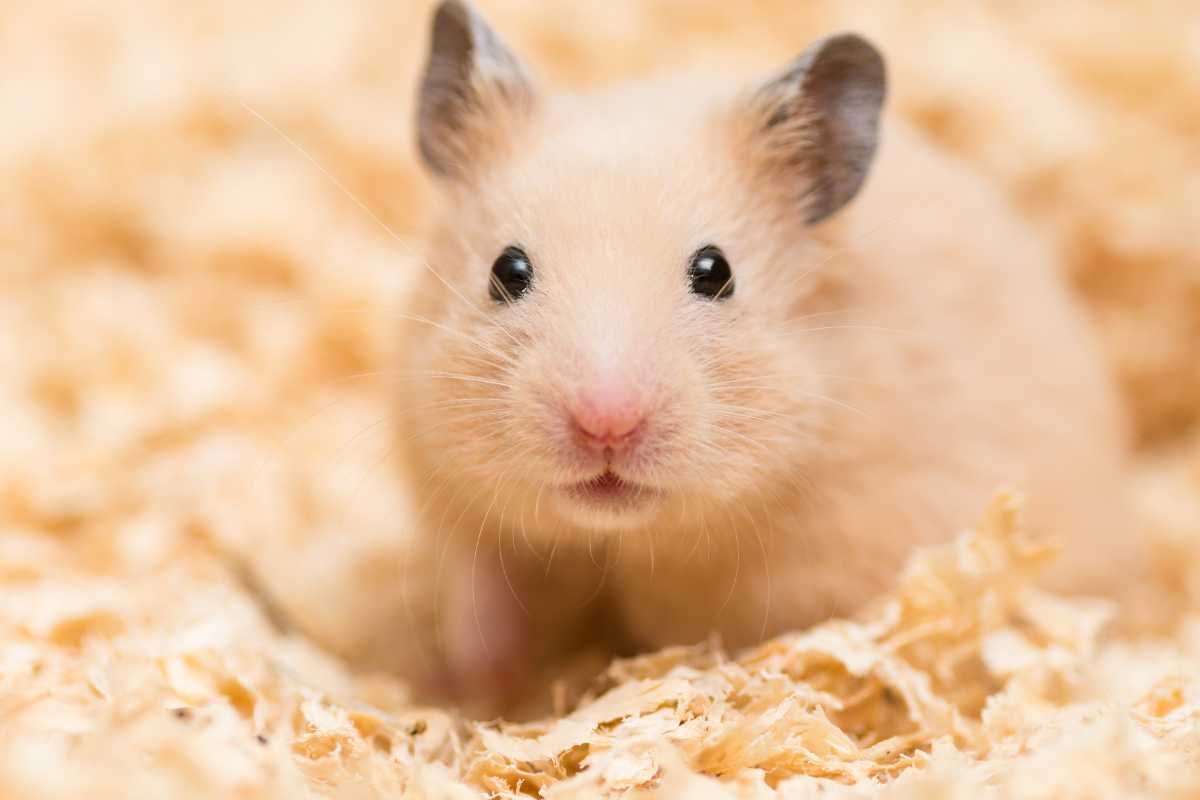
After confirming your hamster’s death, you’ll need to make decisions about their remains. These choices vary depending on personal preferences, cultural practices, and local regulations.
Options for handling your hamster's body:
Burial: If you choose to bury your hamster, make sure to do so in a respectful manner. You can bury them in your backyard, but ensure it's in a quiet, safe place.
Burying at least a foot deep will help prevent other animals from disturbing the site. Consider using a biodegradable container like a small wooden box or a natural cloth.
Cremation: Many pet crematories offer services specifically for small pets. You can choose to keep your hamster’s ashes in a small urn or scatter them in a place that held special meaning for you both.
Donation: In some cases, you may opt to donate your hamster’s body to a local veterinary clinic or educational institution, where it can help students learn more about animal care.
Take time to think: It’s important to take your time deciding what feels right for you. Don’t rush the process; give yourself permission to mourn and honor your pet’s memory in a way that brings you comfort.
3. Coping with Grief After Your Hamster’s Death
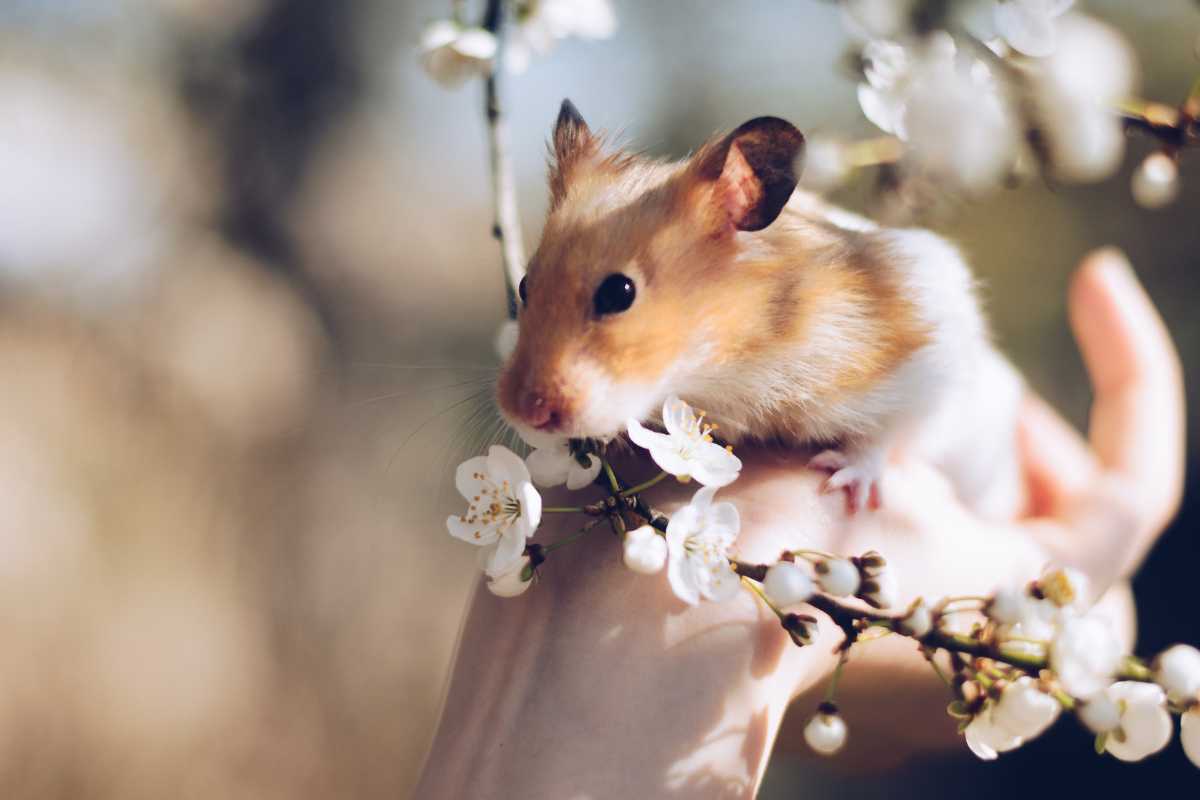
The grief of losing a hamster can be intense, even though they are small pets.
Pets have a unique way of becoming part of our daily lives, and their absence can leave a noticeable emptiness. Here are a few ways to manage your emotions during this time.
Acknowledge the pain: It's natural to feel sad, angry, or even guilty after the loss of a pet. Allow yourself to experience these emotions without judgment. Don't minimize your feelings just because your pet was small. Their loss matters.
Create a memory: One way to cope is by creating a small memorial. You could plant a flower in their honor or frame a favorite photo of them. This can be a healing process, offering you something tangible to remember them by.
Talk about it: Share your feelings with a friend or family member who understands how important your hamster was to you. Sometimes, just expressing your grief can bring some comfort.
4. Helping Children Cope with the Loss of a Hamster

If you have children who are also grieving, it’s important to guide them through the emotional process with care. Here are some suggestions for explaining the loss and helping them understand.
Be honest, but gentle: Depending on their age, you may need to explain that their hamster has passed away. Use age-appropriate language, and avoid sugarcoating the situation. It's better to be honest and allow children to process their emotions.
Allow them to say goodbye: Encouraging children to say goodbye to their hamster can help them find closure. This could be through a small ritual, such as writing a letter to their hamster or drawing a picture.
Encourage healthy expressions of grief: Let your children know it's okay to feel sad and express their emotions. Some kids may want to cry, while others might want to talk or create something in memory of their hamster. These are all healthy ways to grieve.
5. How to Handle the Space Where Your Hamster Lived
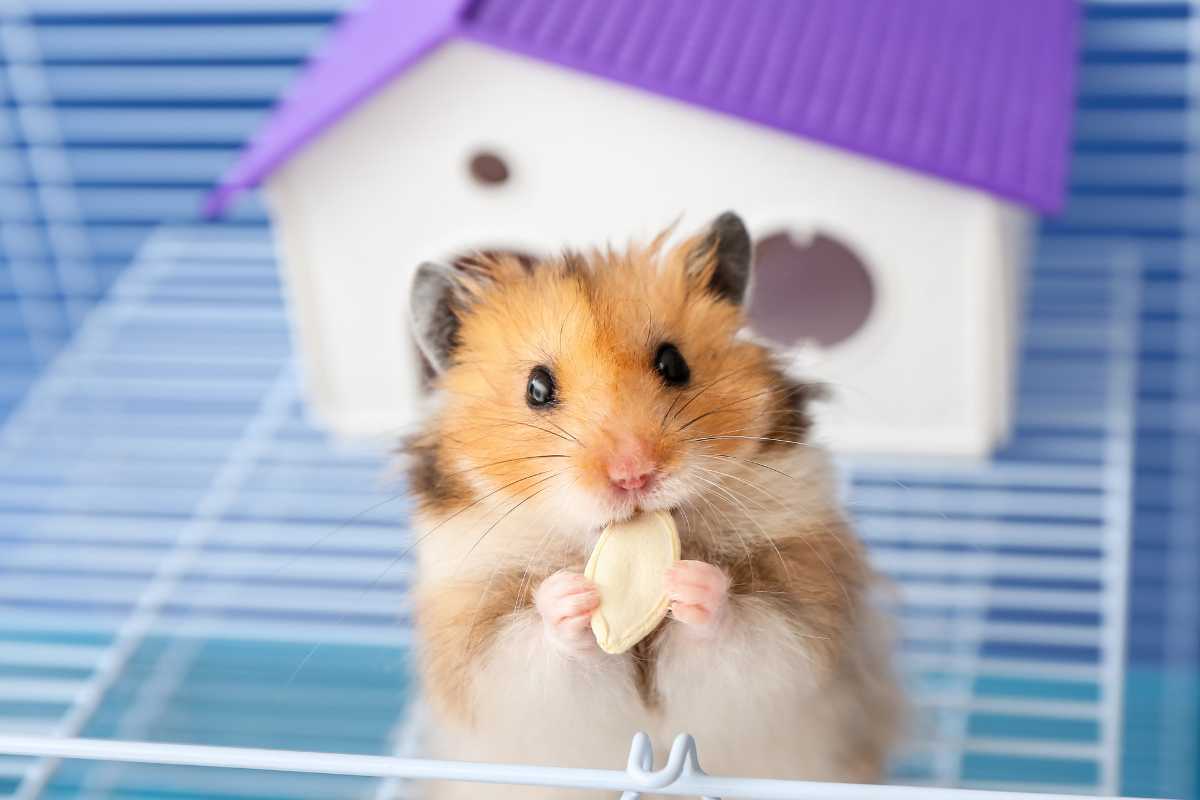
Once your hamster has passed, you might feel like their cage or play area is a constant reminder of the loss. Here are some options for handling that space:
Cleaning and removing their belongings: It can be helpful to clean their cage and remove any items they used. However, don’t feel the need to do it immediately.
Some people feel better leaving the cage as is for a few days or even weeks until they’re ready to move on.
Repurpose the space: If your hamster's cage was in a place you’d like to reclaim, consider turning the space into something else, like a small reading nook or a plant area. The process of transforming the space can help ease the transition.
6. Preventing Future Loss and Being Proactive with Pet Care
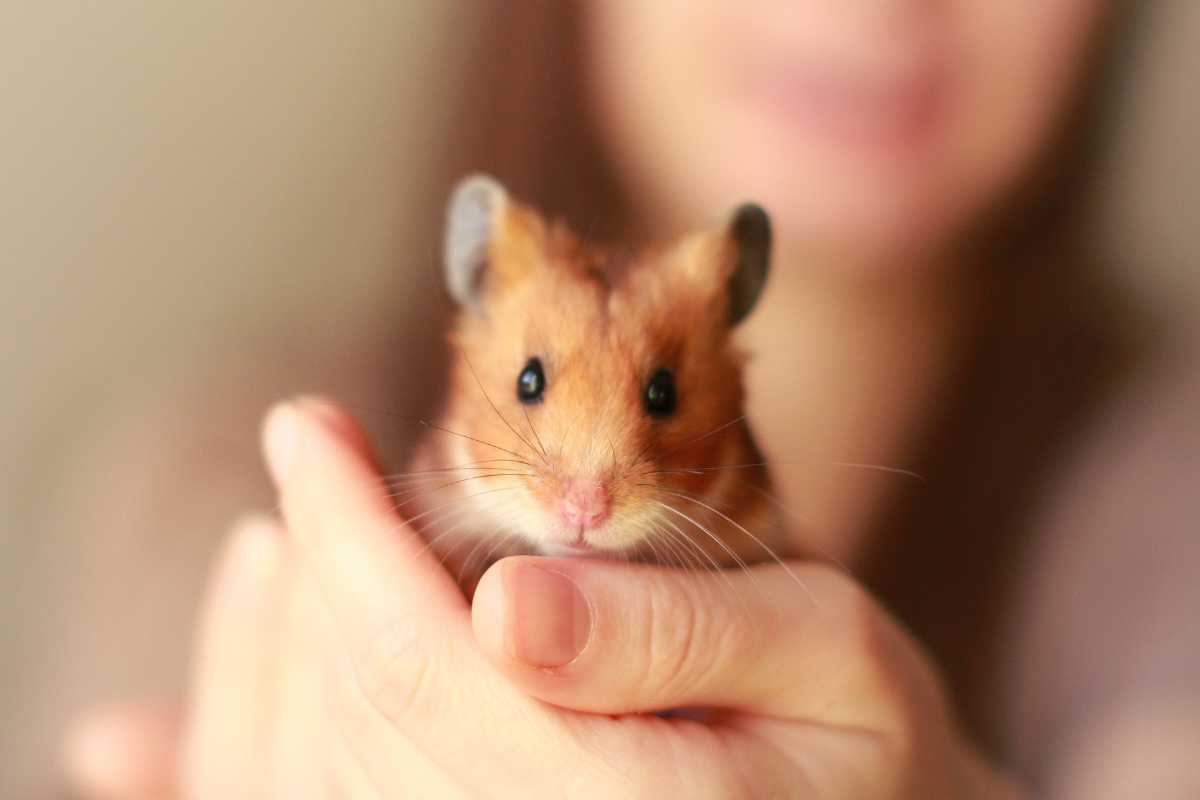
Though we can't prevent the natural cycle of life, we can make sure our pets live as long and healthy a life as possible. After losing your hamster, you may want to consider ways to care for your future pets better.
Research pet care thoroughly: If you plan on getting another hamster, be sure to do thorough research on their needs. Understanding their dietary requirements, proper cage setup, and activity needs will help ensure your next pet lives a long, happy life.
Consider the lifespan: Hamsters typically live for about 2-3 years. It’s helpful to understand that their short lives can sometimes be challenging emotionally.
However, making sure their environment is healthy and providing the right care can extend their time with you.
7. Moving On and Embracing the Healing Process
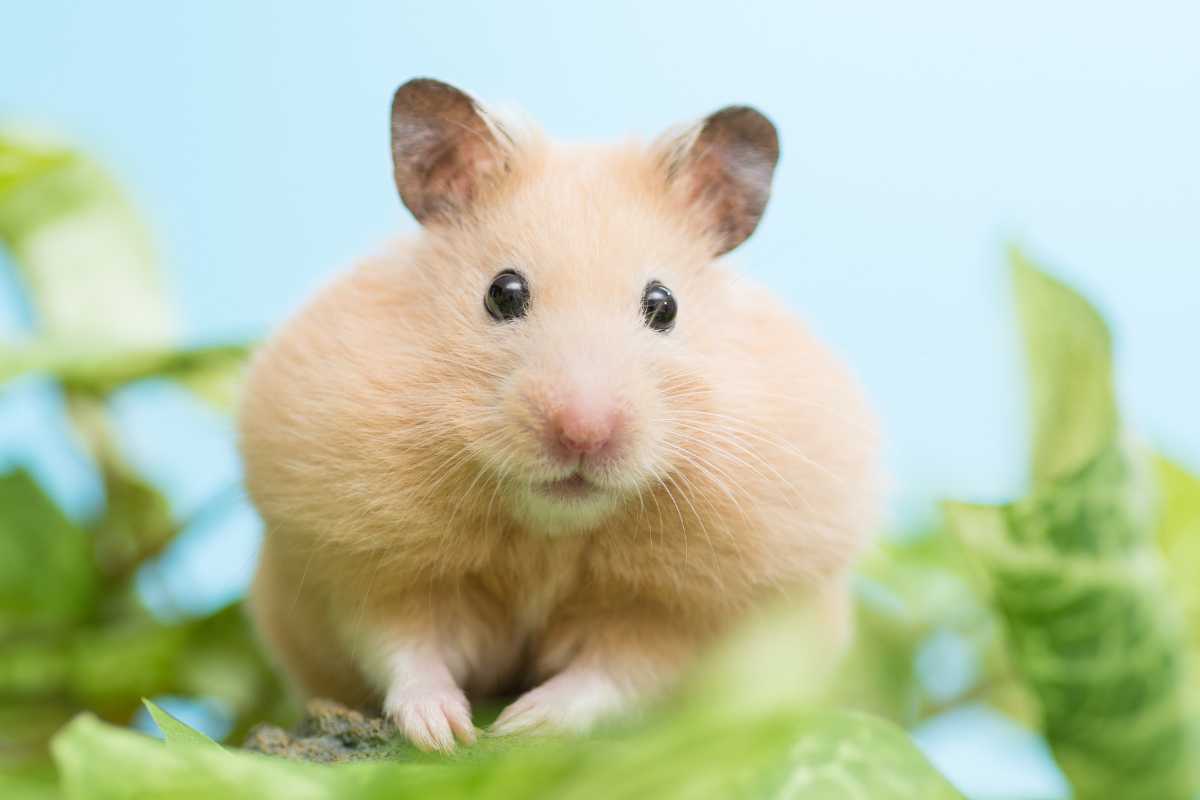
Grief has no timeline, and everyone processes it in their own way. It’s okay to feel sadness for as long as you need. With time, you’ll be able to embrace the memories of your hamster and cherish the good moments you shared.
Moving forward: If you feel ready to adopt another hamster, be sure to take your time. Each pet has its own personality, and they can never truly replace the one you lost. However, the joy of having another pet to love can help fill the space left behind by your hamster.
Conclusion: Honoring Your Hamster’s Legacy

Losing a pet is difficult, and it’s completely natural to feel a deep sense of loss. But remember that your hamster lived a meaningful life, and the memories you made together are priceless.
Whether you choose to honor your hamster through a memorial, or simply by cherishing the time you spent with them, their presence will always be a part of you.
By taking these steps—deciding what to do with your hamster’s body, processing your grief, and helping others in your household cope—you can begin to heal in your own time.
Allow yourself to feel the sadness, but also the gratitude for the time you had with your furry friend. You gave them a loving home, and that’s something to be proud of.
Source: Victoria Raechel
Did you find this post useful or inspiring? Save THIS PIN to your Pets Board on Pinterest!

You may also like