
What to Do and Not to Do with a Hamster


Hamsters are delightful little creatures that make great pets. However, to ensure your hamster lives a long, healthy, and happy life, it’s essential to understand the dos and don’ts of hamster care.
In this guide, we’ll dive deeper into the most critical aspects of hamster care, from interaction and habitat cleaning to choosing the right cage and accessories. We’ll also provide insights into common mistakes and how to avoid them.
Building Trust with Your Hamster: How to Interact Properly

One of the most important aspects of hamster care is creating a bond with your pet. It’s essential to approach your hamster gently and without sudden movements to avoid startling it.
Here are a few specific techniques to help you gain your hamster’s trust:
Hand-Feeding Treats: Offering treats from your hand, such as pieces of carrot or cucumber, can encourage your hamster to approach you. Over time, this helps build trust.
Gradual Handling: Start by allowing your hamster to get used to your scent. Place your hand in the cage without trying to pick it up immediately. When they seem comfortable, gently scoop them up with both hands. Slow, gradual handling will help prevent stress and build a connection.
Create Positive Associations: Every time you handle your hamster, make sure it is a positive experience. Avoid forcing interactions, and always reward calm behavior with treats or affection.
Habitat Cleaning: Keeping Your Hamster's Home Safe and Clean
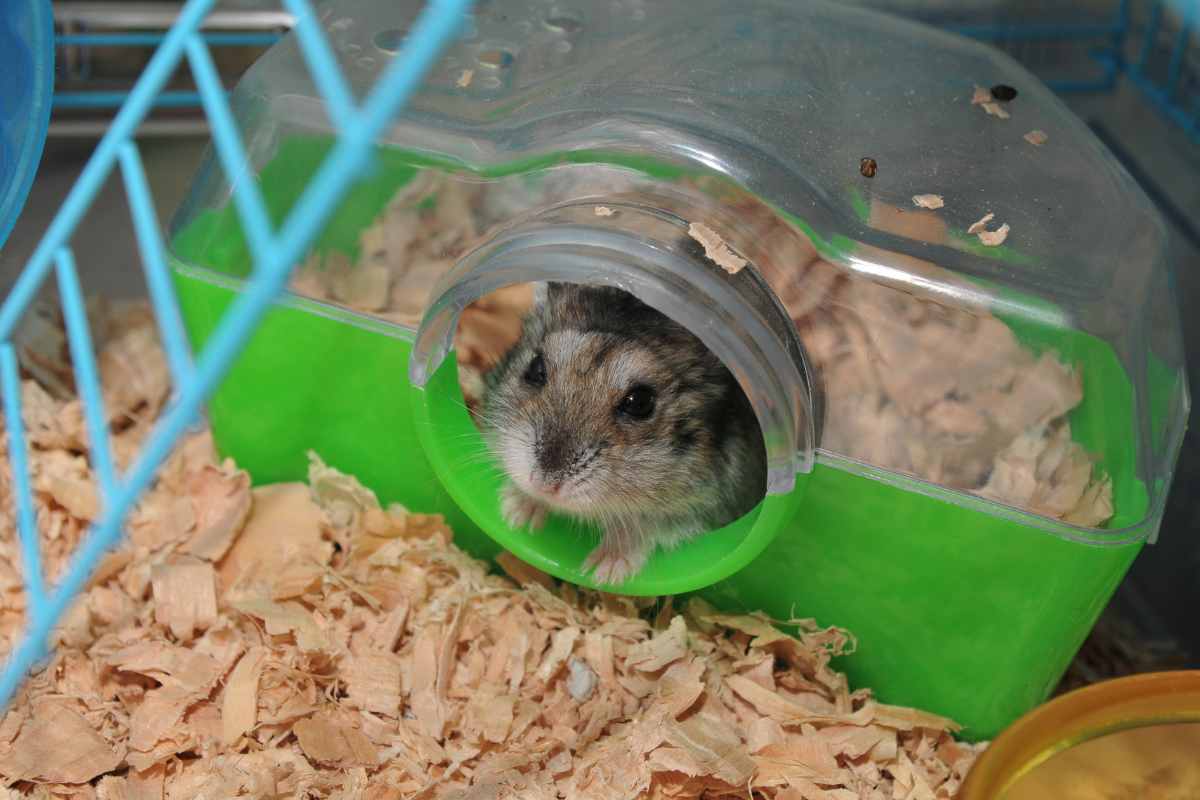
A clean environment is crucial for your hamster’s health and well-being. While it's essential to clean your hamster’s habitat regularly, it’s just as important to use safe products and methods to do so.
Here are some safe cleaning tips:
Use Non-Toxic Cleaning Products: Harsh chemicals can be harmful to your hamster. Choose pet-safe cleaning solutions or make your own with white vinegar and water. These are effective in removing odors and bacteria without posing a risk to your hamster’s health.
Spot Cleaning: To prevent odors and keep your hamster’s cage tidy, spot clean daily by removing wet bedding and uneaten food. A full clean should be done once a week, replacing the bedding and disinfecting the cage with a mild solution.
Clean the Hamster's Accessories: Don’t forget to clean your hamster’s exercise wheel, food dish, and water bottle regularly to prevent the buildup of bacteria.
Choosing the Right Cage and Accessories
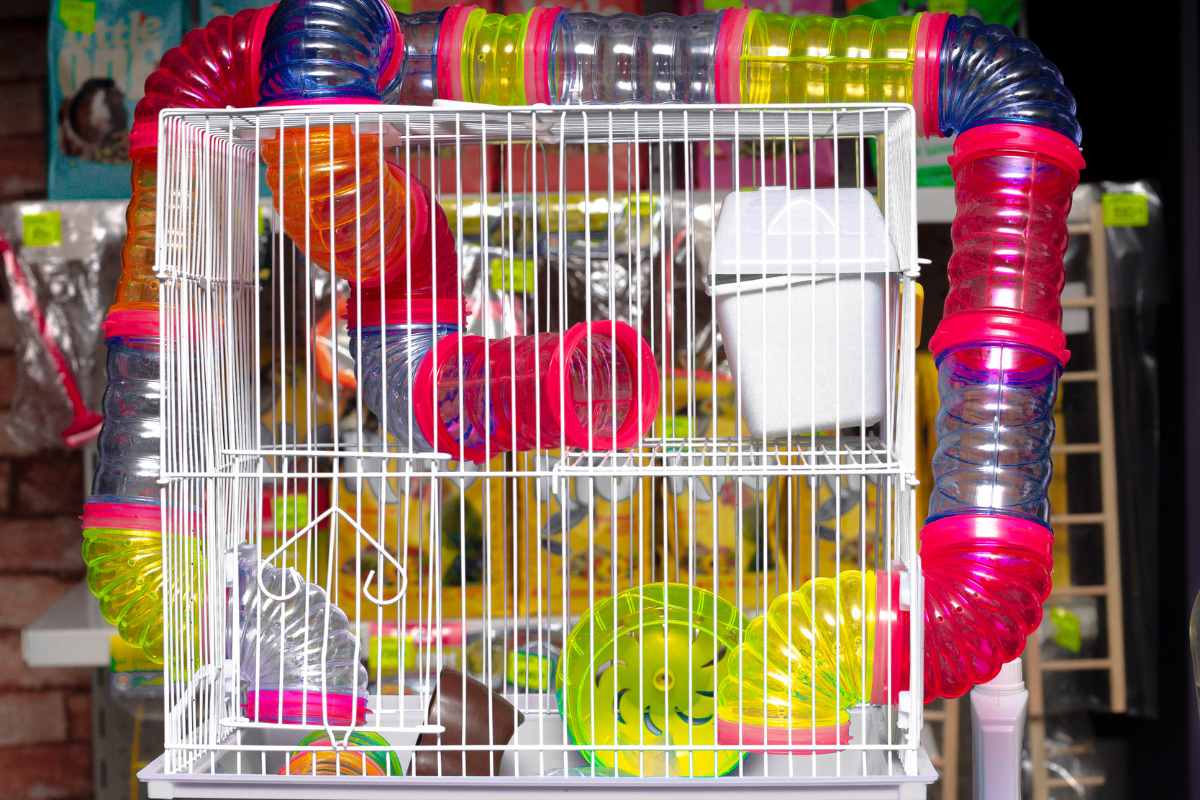
The right cage and accessories play a significant role in your hamster’s happiness and health. Here’s what to look for:
Cage Size: Hamsters need ample space to explore and exercise. The minimum recommended cage size for a single hamster is 450 square inches of floor space. However, a larger cage with multi-levels will give your hamster more room to move around.
Cage Type: Choose a plastic or wire cage with a solid bottom. Avoid cages with wire flooring, as this can cause foot injuries. Alternatively, a glass tank with a secure lid can also be a great option.
Accessories for Enrichment: Provide your hamster with tunnels, hiding spots, and exercise wheels to keep them mentally and physically stimulated. A hamster ball can also be a fun way for your pet to explore outside its cage safely.
Bedding: Use soft, absorbent bedding made from paper or aspen wood chips. Avoid using cedar or pine shavings, as these can be harmful to hamsters.
Common Mistakes Hamster Owners Make

Many new hamster owners make common mistakes that can affect their pet’s health. Here’s what to avoid:
Not Providing Enough Exercise: Hamsters are naturally active, and without enough exercise, they can become overweight or bored. Ensure your hamster has a wheel or an exercise ball to run in, as well as space to burrow and explore.
Overcrowding the Cage: While it may seem fun to add several hamsters to one cage, they are territorial creatures. Keeping more than one hamster in a cage can lead to stress and aggression. Only house same-sex hamsters together, or better yet, keep a single hamster per cage.
Inconsistent Feeding: Ensure you feed your hamster a balanced diet, including hamster pellets, fresh vegetables, and occasional fruits. Avoid feeding them too many sugary treats, as this can lead to obesity and health issues.
Conclusion: Ensuring a Happy and Healthy Hamster
By following these essential hamster care tips, you’ll be well on your way to providing a safe, enriching, and comfortable environment for your hamster.
Remember to offer them plenty of space, consistent care, and positive interactions. With proper attention to detail, your hamster will thrive and be a happy, active member of your family.
Enjoy This Video Tutorial About Hamsters

Source: Victoria Raechel
Did you find this post useful or inspiring? Save THIS PIN to your Pets Board on Pinterest! 😊

You may also like