
What to expect! Bringing Home your Hamster


Bringing a hamster into your home is an exciting experience, but it comes with responsibilities that should not be overlooked.
These small, cute creatures require a specific environment, proper care, and attention to ensure they live a healthy and happy life.
If you're a first-time hamster owner, here’s everything you need to know to create the best home for your new pet.
Preparing Your Home for a Hamster
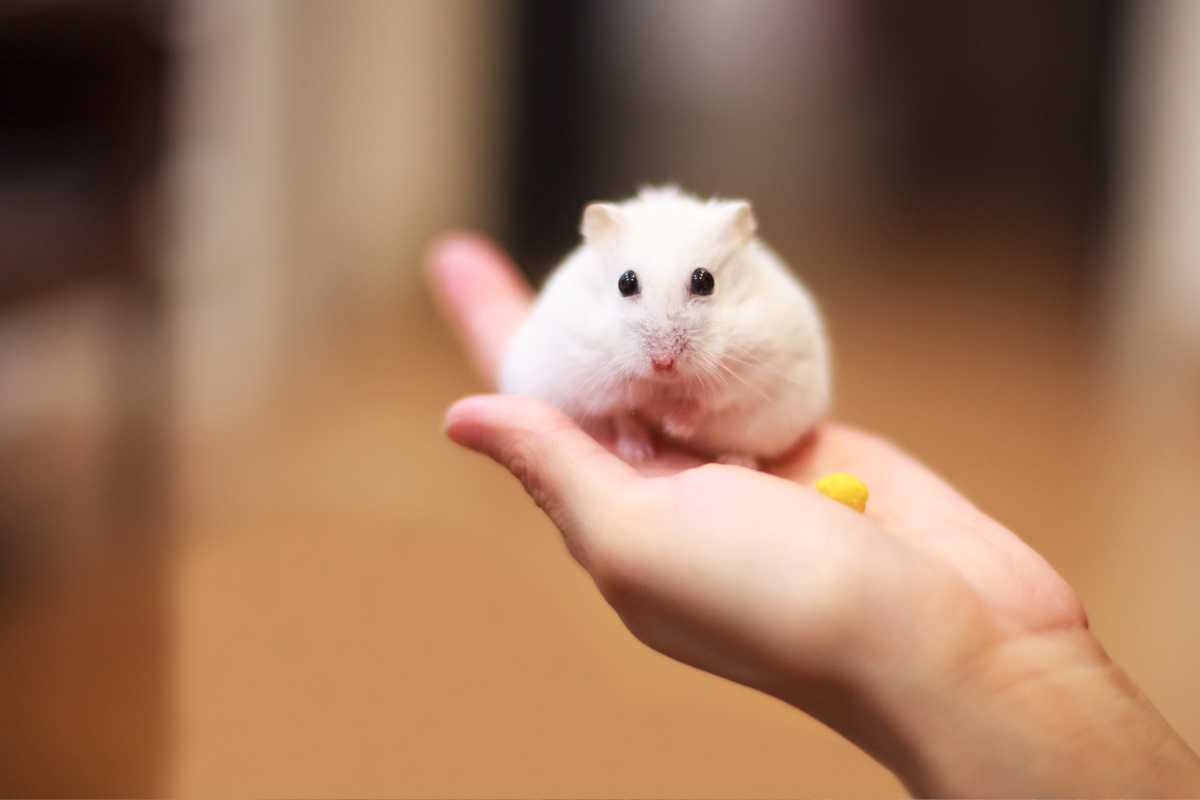
Before bringing your hamster home, it’s important to make sure that your home is ready for its arrival. This means having a proper habitat set up, as well as the essential supplies that your hamster will need.
Choosing the Right Cage
The first step is to choose a spacious hamster cage that provides enough room for your pet to move around freely. Opt for a cage with a solid base and good ventilation.
Avoid cages with wire floors as they can be uncomfortable for your hamster’s feet. A plastic or glass aquarium with a secure lid is a good option, but make sure it’s large enough for them to explore.
The general rule is that the bigger the cage, the better. A minimum size of 24 inches long by 12 inches wide is ideal, but larger cages are always more appreciated.
Ensure that the cage has room for a wheel, bedding, food, water bottle, and any toys your hamster might enjoy.
Bedding and Nesting

Choosing the right bedding is crucial for your hamster’s comfort. Paper-based bedding is a safe choice because it’s absorbent and soft on their sensitive paws.
Avoid scented or cedar-based bedding, as these can be harmful to hamsters. Provide your hamster with enough bedding to burrow and nest in, as this is something they enjoy doing in the wild.
Food and Water
Your hamster’s diet is just as important as their living space. Make sure you have a quality hamster food mix that includes seeds, pellets, and dried vegetables.
Fresh fruits and vegetables should be offered in moderation, as these foods can spoil quickly.
Don’t forget to provide a water bottle that hangs on the side of the cage. It's crucial that your hamster always has access to clean, fresh water.
Bringing Your Hamster Home

The day you bring your hamster home can be exciting, but it’s important to take things slow. It’s natural for your new pet to feel stressed as they adjust to their new environment.
Setting Up the Cage
When you first place your hamster in the cage, avoid overwhelming them with too many changes at once. Let them explore their new home at their own pace.
Keep the cage in a quiet area, away from loud noises or sudden movements, as this can cause stress.
Introduce your hamster to the space gradually, allowing them time to settle in. Avoid handling them during the first few days to give them time to adjust and get comfortable with their new environment.
Handling Your Hamster
After your hamster has had time to settle in, it’s time to start handling them. Start by offering your hand inside the cage, allowing them to sniff it.
Once they are comfortable with your presence, gently pick them up and let them sit in your hand. Handle them gently and calmly—sudden movements or rough handling can make them anxious.
It’s important to build trust slowly. Don't force them into your hands or attempt to hold them for long periods at first. Short, positive interactions are key to fostering a bond with your hamster.
Creating a Stimulating Environment
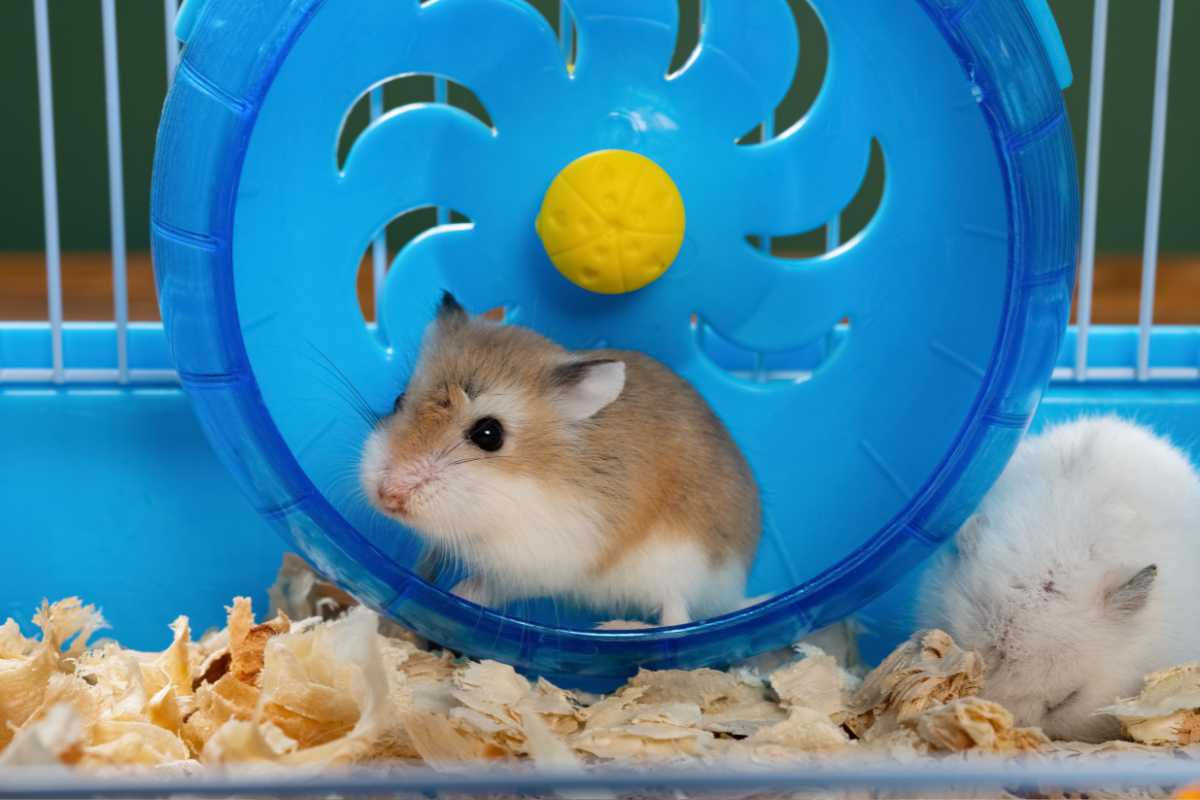
Hamsters are active and curious animals, so providing them with toys and activities is essential for keeping them mentally and physically stimulated.
Toys and Wheels
A hamster wheel is a must-have item in your hamster’s cage. It provides a source of exercise and entertainment.
Make sure the wheel is the correct size for your hamster—if it’s too small, it can cause back issues, and if it’s too big, your hamster might avoid using it altogether.
Other toys to consider include tunnels, chew toys, and climbing structures. These items will not only provide exercise but also encourage your hamster’s natural curiosity and desire to explore.
Ensuring Mental Stimulation
Hamsters enjoy exploring their environment, so make sure they have enough space and activities to keep them busy. Hiding food in tunnels or placing treats in different areas of the cage will keep your hamster engaged and active.
Also, provide opportunities for your hamster to burrow or dig, as this mimics their natural behavior in the wild.
Health and Hygiene
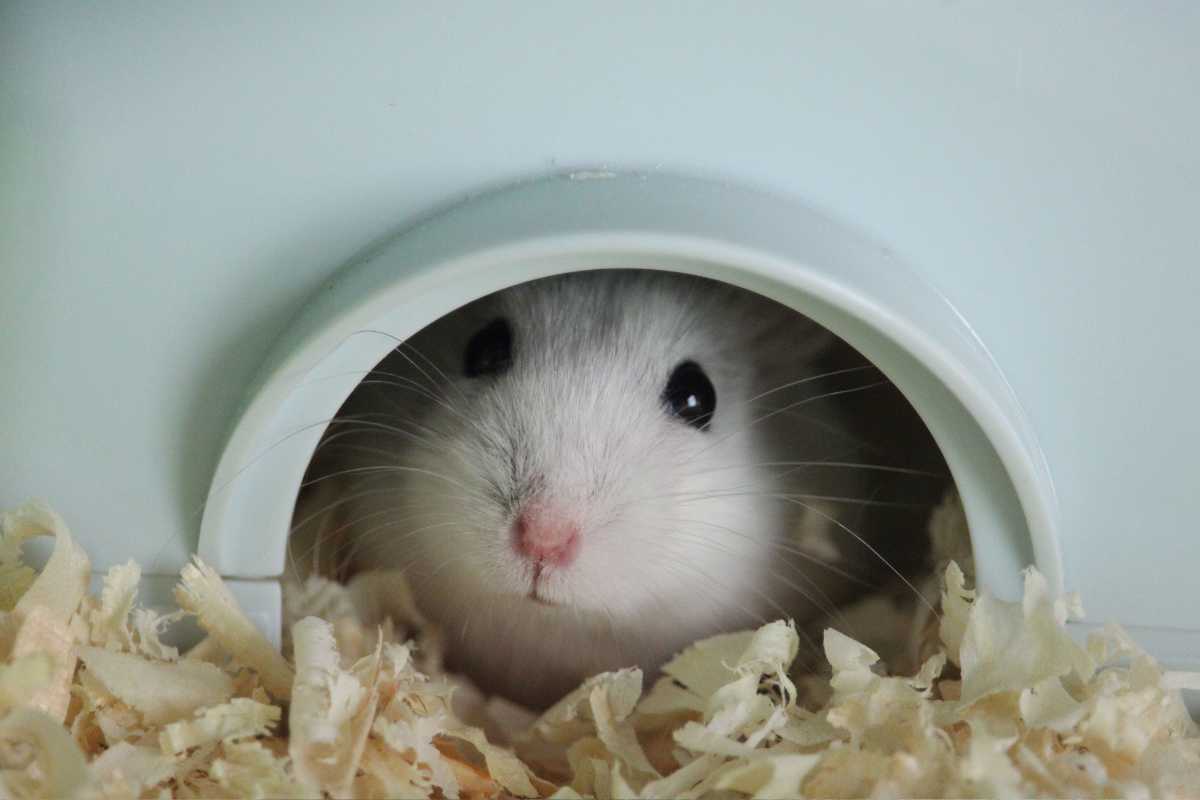
Keeping your hamster healthy is essential for a long and happy life. Regular cleaning and health checks will help prevent issues and ensure they are comfortable in their home.
Cleaning the Cage
Clean your hamster’s cage at least once a week to maintain a fresh environment. Remove old bedding, wipe down the cage with mild soap and water, and replace the bedding with fresh material.
Keep food and water containers clean to prevent bacteria buildup. This routine will not only help your hamster stay healthy but also create a pleasant environment for both of you.
Health Monitoring
It’s essential to keep an eye on your hamster’s behavior and appearance to ensure they’re healthy. Signs of illness include lethargy, loss of appetite, and abnormal behavior.
If you notice any of these symptoms, it’s important to consult a veterinarian who specializes in small animals. Regular health checks will help you catch any issues early on and ensure your hamster is thriving.
Common Mistakes to Avoid

As a new hamster owner, there are a few common mistakes you should be aware of.
Overcrowding the Cage
While it’s tempting to provide your hamster with lots of toys and accessories, overcrowding the cage can actually cause stress and make it difficult for your hamster to move around comfortably.
Make sure your hamster has plenty of room to roam and explore without feeling cramped.
Inconsistent Feeding
Hamsters need a balanced diet to stay healthy. Avoid feeding them junk food like sugary treats or unhealthy snacks.
Stick to high-quality hamster pellets and fresh produce, but avoid giving them too much fruit, as it can cause digestive issues. Ensure your hamster has access to fresh water at all times.
Neglecting Socialization
Some owners may forget that hamsters are social animals that require attention. While they are independent creatures, regular handling and interaction are important for their well-being.
Don’t neglect your hamster’s emotional needs, and remember to spend time with them outside of the cage.
Conclusion

Bringing a hamster into your home is a rewarding experience, but it comes with a responsibility to provide them with the right environment, care, and attention.
By preparing your home, creating a stimulating habitat, and monitoring their health, you’ll be setting your hamster up for a long, happy, and healthy life.
By following these tips and guidelines, you can ensure that both you and your new hamster enjoy a positive, rewarding experience.
Whether you’re a first-time hamster owner or a seasoned pet parent, the right care will help your hamster thrive in their new home.

Source: Victoria Raechel
Did you find this post useful or inspiring? Save THIS PIN to your Pets Board on Pinterest!

You may also like