
Why do Rabbits Sneeze and How to Help Them?


A few sneezes here and there can be normal for rabbits, especially around hay. But rabbit sneezing becomes a concern when it’s frequent, paired with thick nasal discharge, noisy breathing, or changes in appetite and energy.
Most issues trace back to environmental irritants, upper-respiratory infections like Pasteurella (snuffles), or hidden dental problems that affect the tear ducts and nose. The key is knowing when a sneeze is just dust—and when to see a vet.
Normal Sneezes vs. Something More
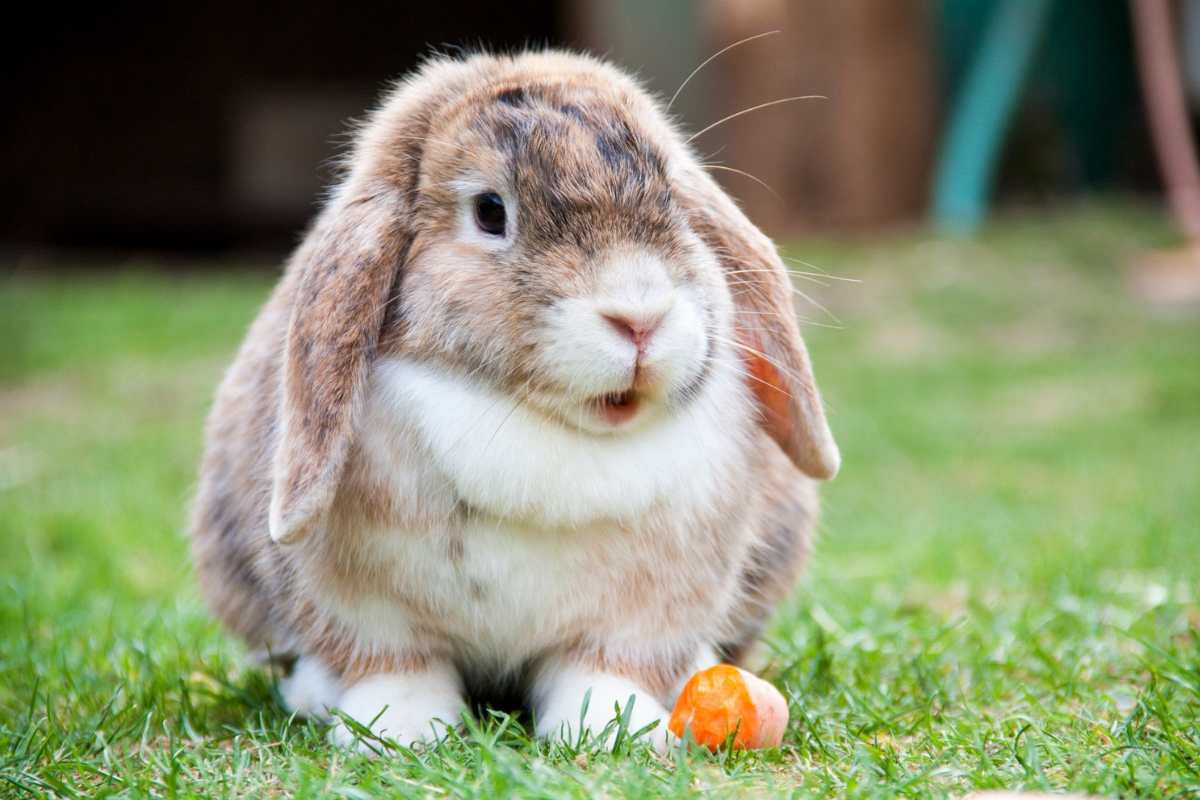
Rabbits have delicate airways and live close to the ground where dust settles. A brief burst of sneezes while burrowing into a hay pile, rearranging bedding, or after a quick grooming session can be perfectly normal.
The line is crossed when sneezing is persistent (over a day or two), shows up with colored or sticky discharge, or your rabbit looks unwell.
Because rabbits are obligate nasal breathers, any sign of mouth breathing or respiratory effort is urgent and deserves immediate veterinary care.
The Most Common Causes of Sneezing
Environmental Irritants (The Usual Culprit)
Fine dust from hay, bedding that sheds particles, household aerosols, scented candles, perfumes, cigarette smoke, and the ammonia that builds up in litter boxes can all irritate a rabbit’s nose.
Many “allergies” in rabbits are really irritation from dusty materials or strong odors. Switching to low-dust hay, using paper or aspen bedding, improving ventilation, and keeping the litter box extra clean often reduce mild, intermittent sneezing dramatically.
Upper Respiratory Infections (Snuffles and Friends)
When sneezing is frequent and accompanied by mucus, wet fur on the forepaws from wiping, or eye discharge, think infection. The most recognized is Pasteurella multocida, often called snuffles, but other bacteria can be involved.
Infections range from mild to stubborn and may take time to clear.
Antibiotics, culture and sensitivity testing, and supportive care are best guided by a rabbit-savvy vet—avoid human cold medicines or over-the-counter “fixes,” which can be unsafe.
Dental Problems and the Nasolacrimal Duct
Rabbit teeth never stop growing. Overgrowth, spurs, or root elongation can press on the nasolacrimal (tear) duct, leading to watery eyes that overflow to the nose and trigger sneezes.
If you notice chronic tearing, damp fur on the cheeks, or a subtle decrease in hay chewing, dental issues may be at the center of the problem.
Good hay intake supports dental wear, but true dental disease needs a professional exam and, sometimes, imaging.
Allergies (Less Common Than You’d Think)
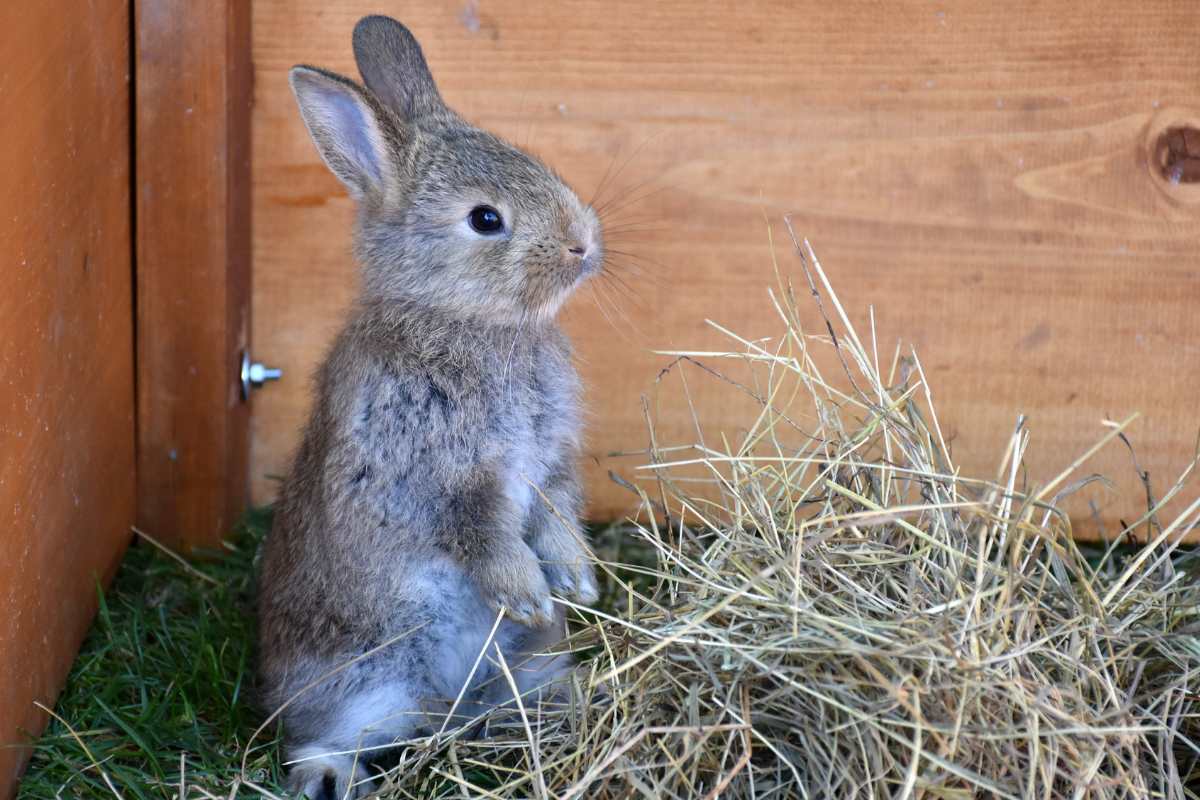
True allergies do occur but are less common than simple irritation.
If your rabbit sneezes around a specific hay variety or bedding, try a low-dust version or a different hay type and reduce airborne triggers before labeling it “allergy.” If sneezing continues or new symptoms appear, consult your vet.
Foreign Material or Seasonal Dryness
A stray fiber, a seed husk, or dry air can briefly tickle the nose. Short-lived sneezing that resolves once the irritant is gone is usually not a worry.
Gentle humidity in the room can help, but avoid directing steam or diffusers at your rabbit and steer clear of essential oils, which can be irritating.
Red Flags That Need a Vet
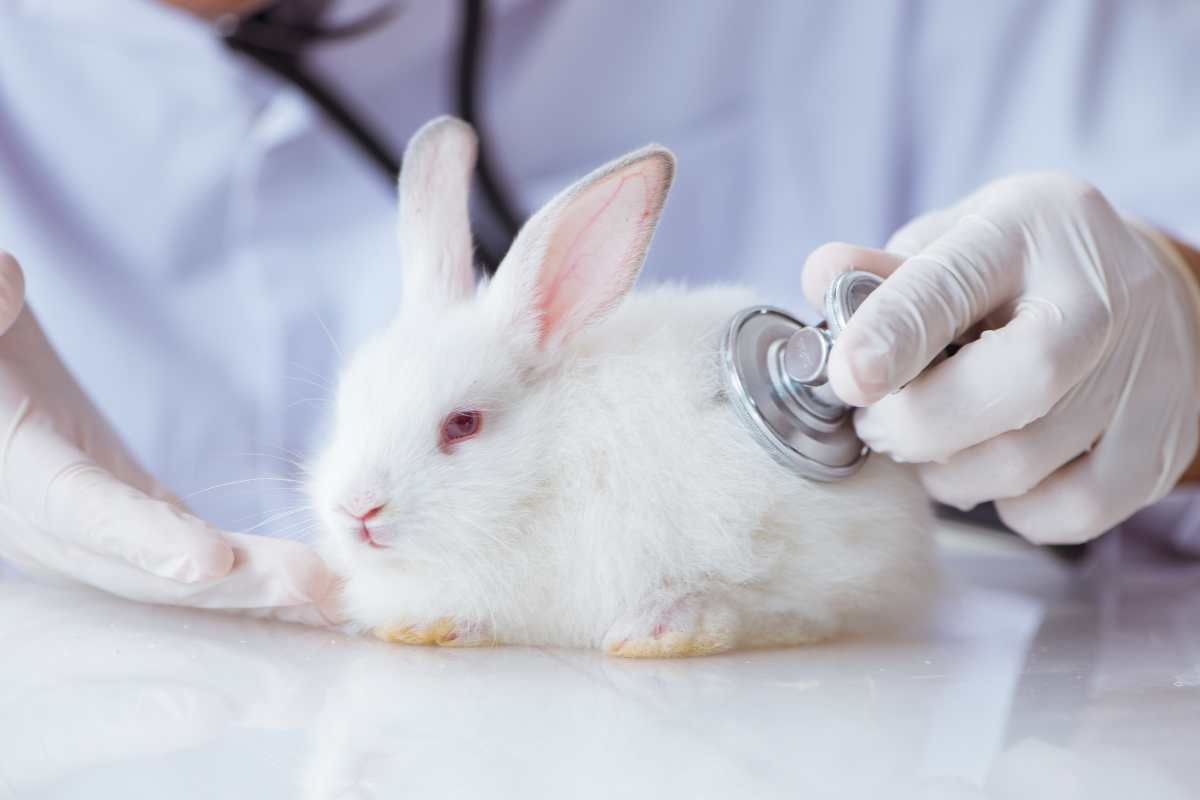
It’s time for professional help if you notice any of the following:
Persistent sneezing for more than 24–48 hours
Thick, white, yellow, or green discharge from the nose
Labored or noisy breathing, or any mouth breathing
Low appetite, reduced fecal output, lethargy, or weight loss
Eye discharge, crusting, or a head tilt
Fever or a sudden change in behavior
Because rabbits hide illness well, even one or two of these signs merits a vet visit sooner rather than later.
What You Can Safely Tweak at Home
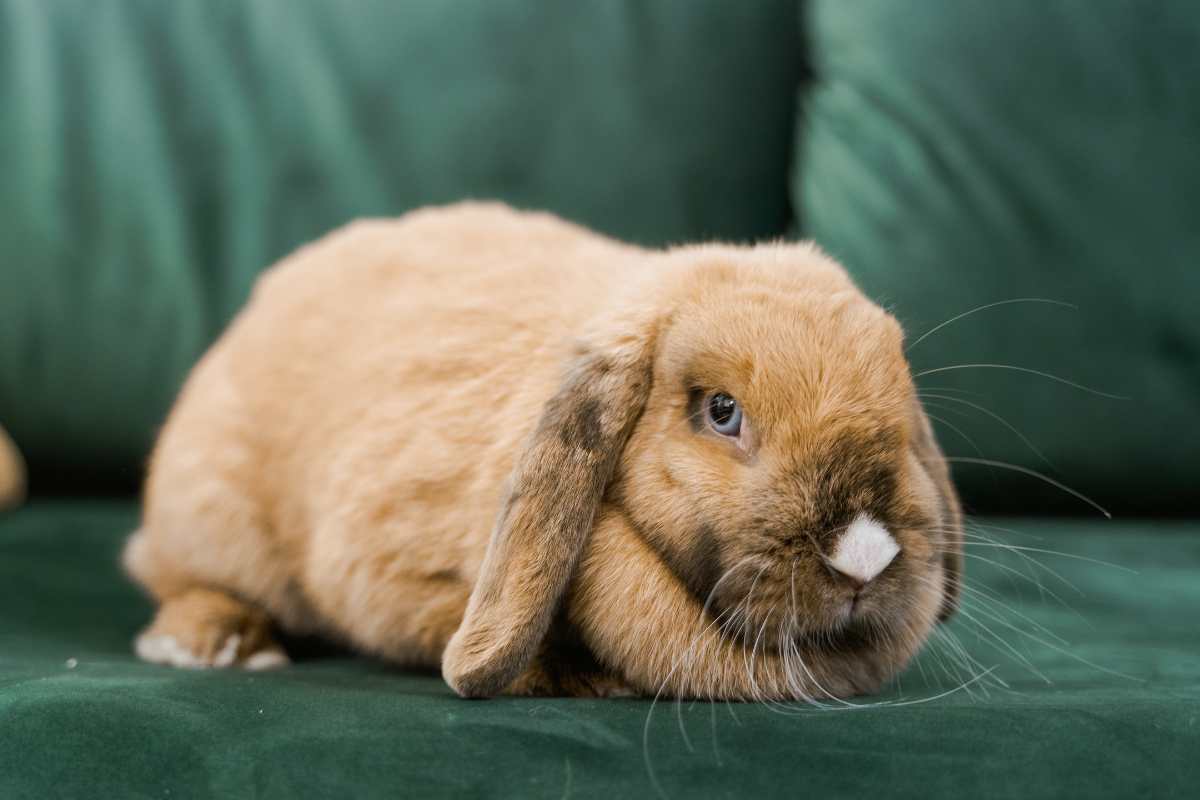
Small, thoughtful changes often ease mild irritation and can prevent recurring problems:
Make hay work for you. Offer low-dust hay and store it so it doesn’t crumble into powder. Some caregivers find that trying a different cut or a softer variety helps. Present hay in racks or boxes that reduce snout-first cloud plumes.
Choose the right bedding. Swap dusty wood shavings for paper or aspen bedding. Avoid pine and cedar—their aromatic phenols can irritate airways and aren’t ideal for rabbits.
Lower the odor load. Clean the litter box daily to limit ammonia, and keep the housing area well-ventilated. Skip room sprays, scented cleaners, incense, and candles near your rabbit’s space.
Filter the air, don’t perfume it. A simple HEPA filter near the enclosure can help with airborne dust. If the room is very dry, gentle ambient humidity is fine; just avoid misting devices pointed at your rabbit.
Don’t medicate without guidance. Resist the urge to try human decongestants, antihistamines, or herbal oils. Rabbits metabolize drugs differently, and what’s safe for people or cats may not be safe for them.
If symptoms are more than mild or do not improve quickly with environmental tweaks, book a rabbit-savvy vet.
How Vets Typically Diagnose and Treat
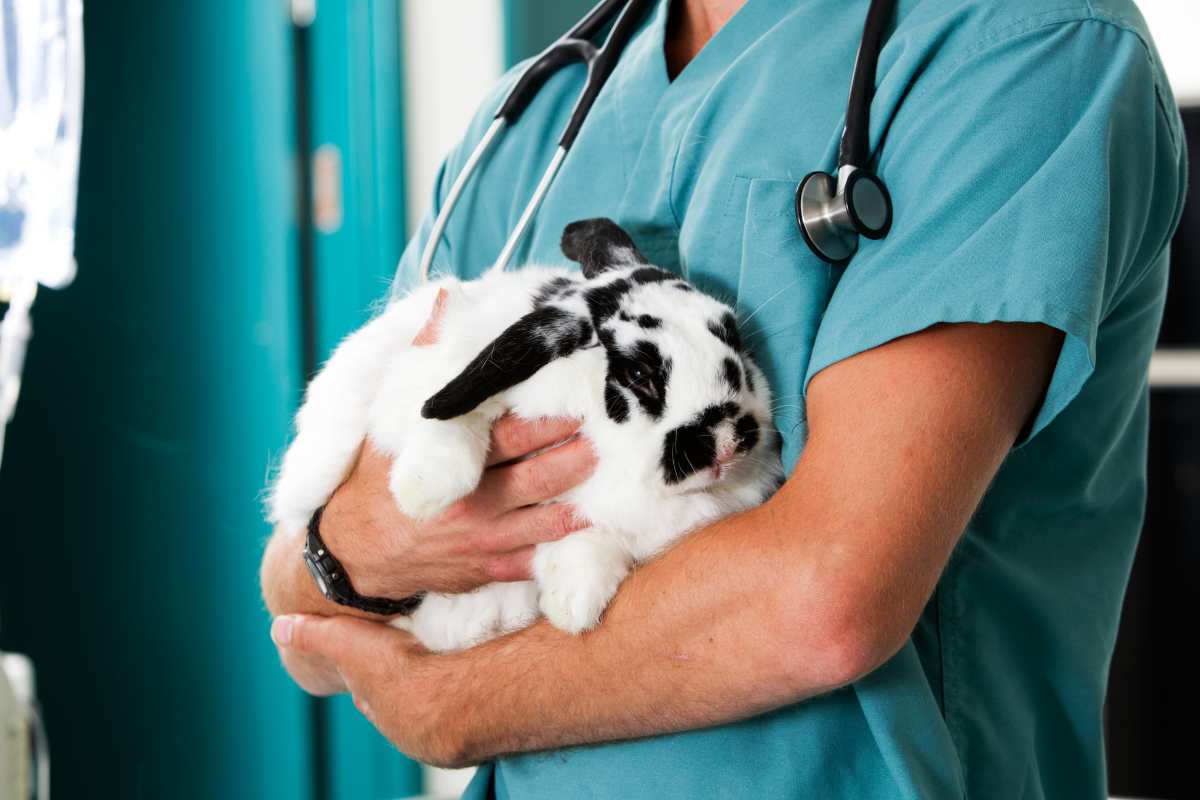
A good rabbit exam looks beyond the nose. Expect a careful oral and dental assessment to check for spurs or root changes, a look at the eyes and tear ducts, and a gentle evaluation of breathing sounds.
If discharge is present, your vet may recommend culture and sensitivity testing to identify the bacteria and choose the most effective antibiotic.
Imaging—skull radiographs or CT—can be helpful when dental disease or sinus involvement is suspected.
Treatment often includes:
Targeted antibiotics chosen from culture results, given for long enough to fully address the infection
Supportive care like hydration, nutrition, and careful grooming of the face and forepaws
Nebulization or saline therapy as a vet-directed adjunct to help loosen secretions
Dental care if overgrowth or root issues are contributing to the problem
Follow-up checks to ensure the plan is working and to adjust if resistance or recurrence appears
The most effective recoveries pair medical treatment with the environmental improvements described above.
Preventing Recurring Sneezes
Healthy routines go a long way toward quiet noses:
Feed for teeth and immunity. Unlimited high-quality hay, measured pellets, and varied leafy greens support dental wear and overall health. Good hydration keeps secretions thinner and easier to clear.
Keep the habitat clean and calm. Fresh bedding, daily litter changes, and calm, scent-free air reduce irritation. Regularly dust or vacuum the room around the enclosure to control fine particles.
Mind the seasons. In winter, heating dries the air; in spring, hay batches can be dustier. Adjust as needed—swap to a cleaner hay source, elevate air filtration, or modestly increase room humidity.
Schedule routine checks. Periodic dental exams catch problems before they reach the tear ducts and sinuses. If you live in an area where myxomatosis or RHDV vaccination is standard, discuss preventive care with your veterinarian.
Quarantine new arrivals. If you’re adding a rabbit to the family, keep new companions separate at first and use good hygiene so everyone stays healthy.
Quick Answers to Common Questions

Can my rabbit catch a cold from me?
Human cold viruses don’t typically infect rabbits. However, people can carry bacteria on hands or clothing. Wash up before handling, especially if someone at home is sick.
Is this an allergy?
Sometimes—but true allergies are less common than irritation from dust, bedding, or scents. Try cleaning the air and switching to low-dust hay and paper or aspen bedding. If sneezing continues or other symptoms appear, consult your vet.
Why are the front paws wet or stained?
Rabbits often wipe their noses, so discharge ends up on the forepaws. Wet, sticky, or discolored fur there is a clue that sneezing is more than just dust and may signal infection.
How long should I wait before seeing a vet?
If sneezing is persistent beyond 24–48 hours, there is thick discharge, or your rabbit seems off (reduced appetite, quieter than usual, breathing changes), it’s time to book a visit.
Bottom Line
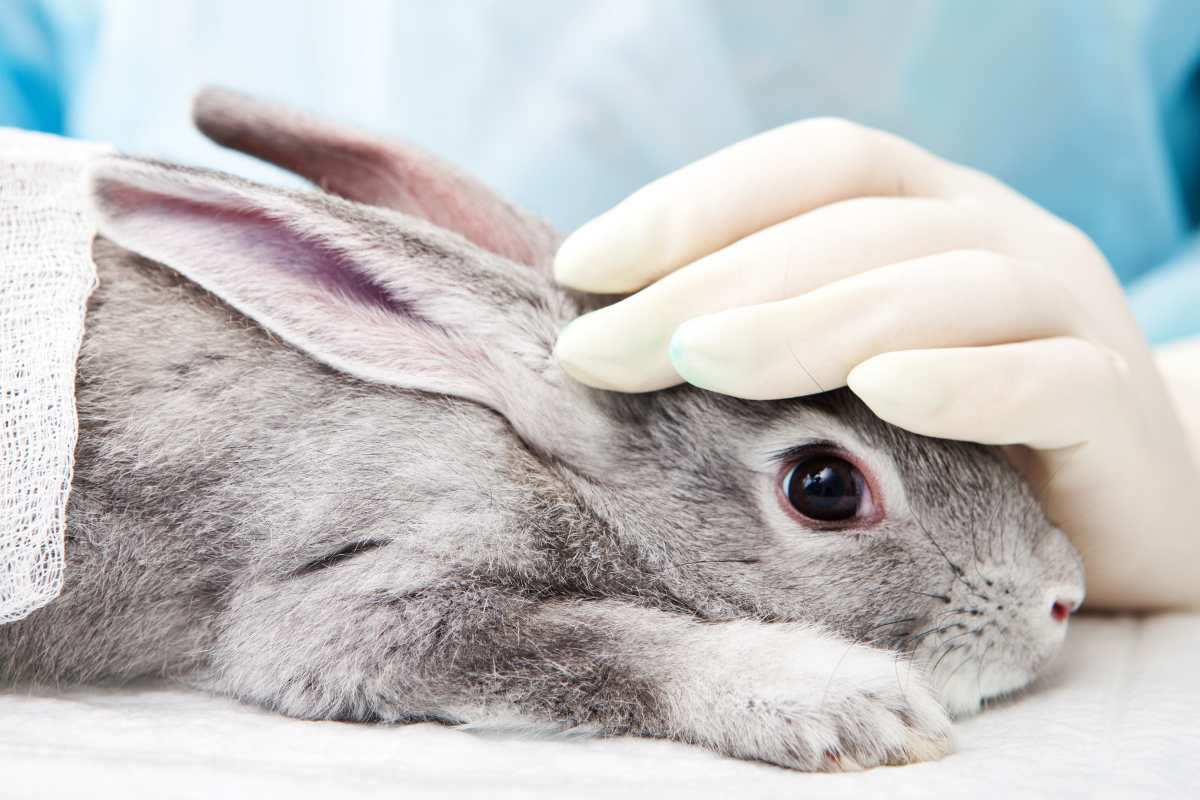
A random “peppery” sneeze after a nose-deep dive into hay is part of normal rabbit life. Ongoing sneezing, colored discharge, changes in breathing, or a drop in appetite is not.
Clean up the air, switch to low-dust hay, choose paper or aspen bedding, and keep the litter box fresh to address environmental irritants—then let a rabbit-savvy vet guide you if symptoms persist.
With smart habitat choices and prompt care when needed, most bunnies go back to quiet sniffles and happy crunching in no time.
Enjoy The Video About Rabbits

Source: OneMorePlease
Did you find this post useful or inspiring? Save THIS PIN to your Pets Board on Pinterest!

You may also like