
Your bird is scared of you? Here's what to do *ALL BIRDS*


If your bird is scared or avoids you, it’s important to approach the situation with patience and understanding.
Birds are sensitive creatures, and like us, they need time to adjust to new environments and relationships.
In this guide, we will explore effective methods to help you earn your bird’s trust and create a safe, comforting environment for them.
Why Is Your Bird Scared of You?
Birds may develop fear for various reasons, including:
Previous traumatic experiences: Negative interactions with past owners or improper handling.
Environmental changes: New sounds, people, or moving to a new home.
Lack of routine: Irregular feeding or cleaning schedules.
Stress signs: Feather ruffling, excessive biting, or loss of appetite.
Understanding the root cause of your bird’s fear is crucial for helping them overcome it. Recognizing these behaviors and addressing them appropriately will guide your actions toward building trust.
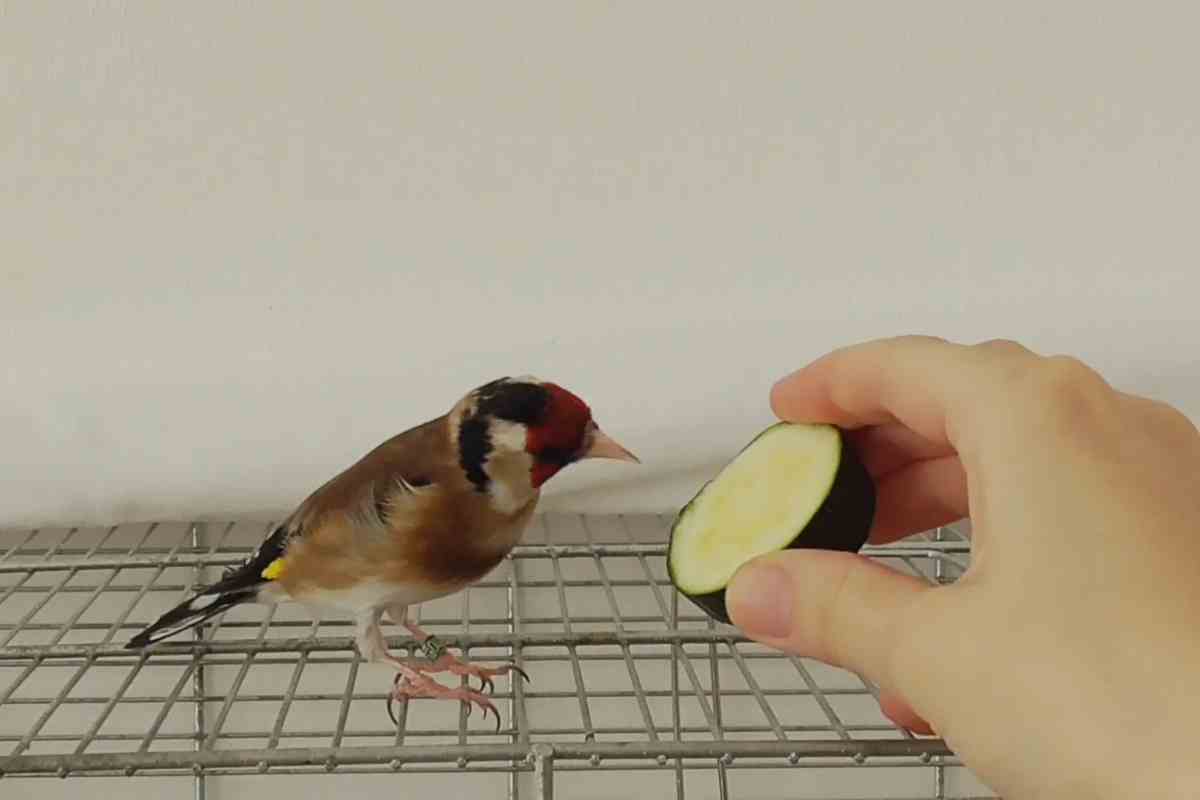
Effective Strategies for Gaining Your Bird’s Trust
1. Create a Safe and Predictable Environment
Quiet space: Place your bird’s cage in a calm area with minimal distractions. This gives them a sense of security.
Consistent routine: Stick to a regular feeding and cleaning schedule. Birds feel safer when their routine is predictable.
Avoid sudden changes: Gradually introduce new objects, sounds, or people to prevent overwhelming your bird.
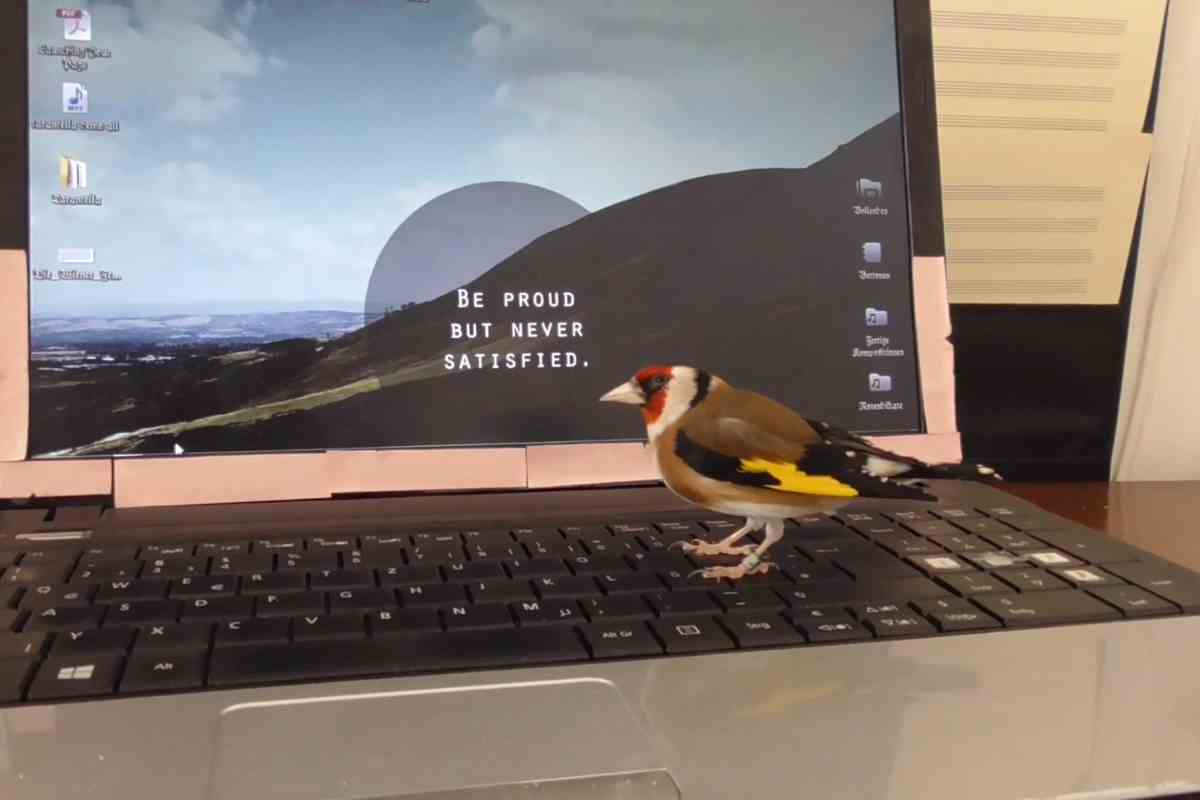
2. Communicate Gently and Respectfully
Speak softly: Birds are sensitive to high-pitched sounds, so keep your voice calm and soothing.
Avoid forced physical contact: Let your bird approach you at their own pace. Forcing contact may increase their fear.
Read their body language: If they show signs of discomfort (like puffed-up feathers or avoidance), step back and give them space to calm down.

3. Reinforce Positive Behavior
Use rewards: Offer healthy treats, like small pieces of fruit or seeds, as a reward when your bird approaches you.
Praise them verbally: Pair treats with gentle words of encouragement to help reinforce positive behavior.
Interactive play: Engage in activities such as gentle play with toys, allowing your bird to feel in control of the interaction.
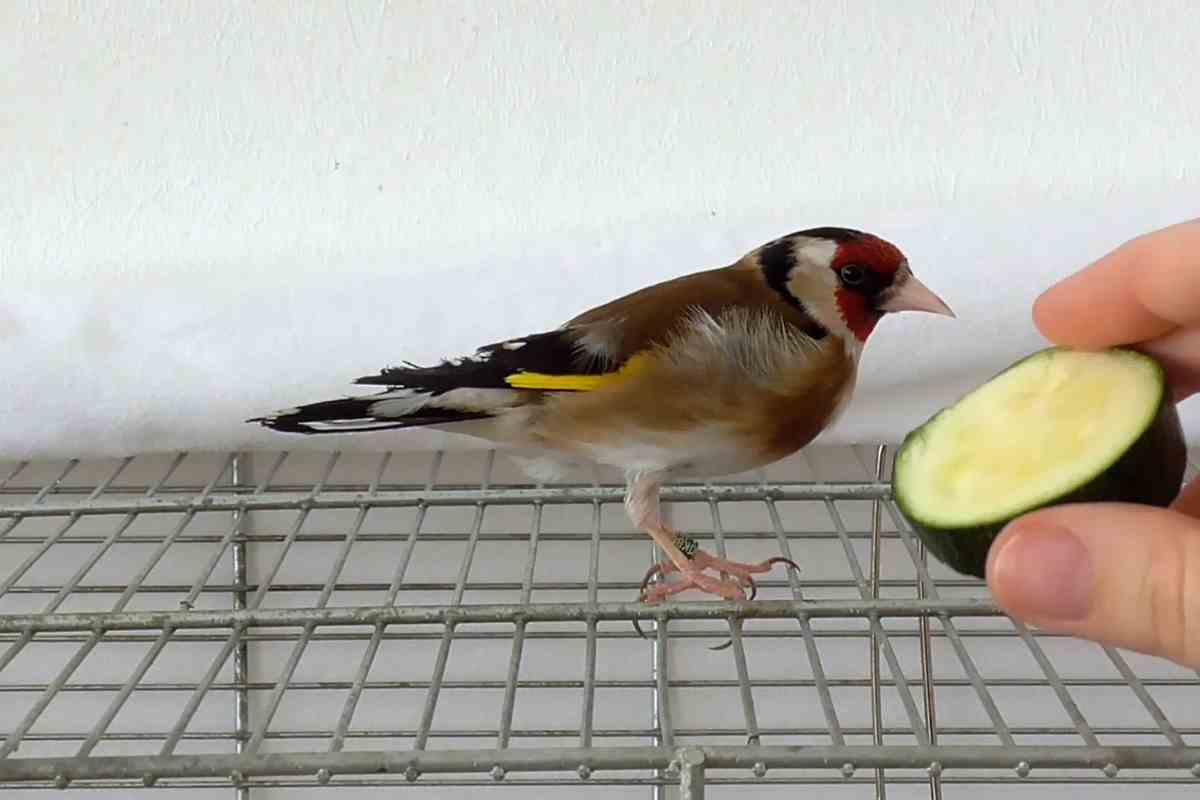
4. Gradual Training and Patience
Systematic desensitization: Gradually approach your bird, pausing if they show any signs of distress. Let them adjust to your presence over time.
Quality time: Spend short, frequent sessions with your bird, avoiding overwhelming them with long periods of interaction.
Consistency is key: Regular, calm interaction will help your bird associate you with positive experiences.
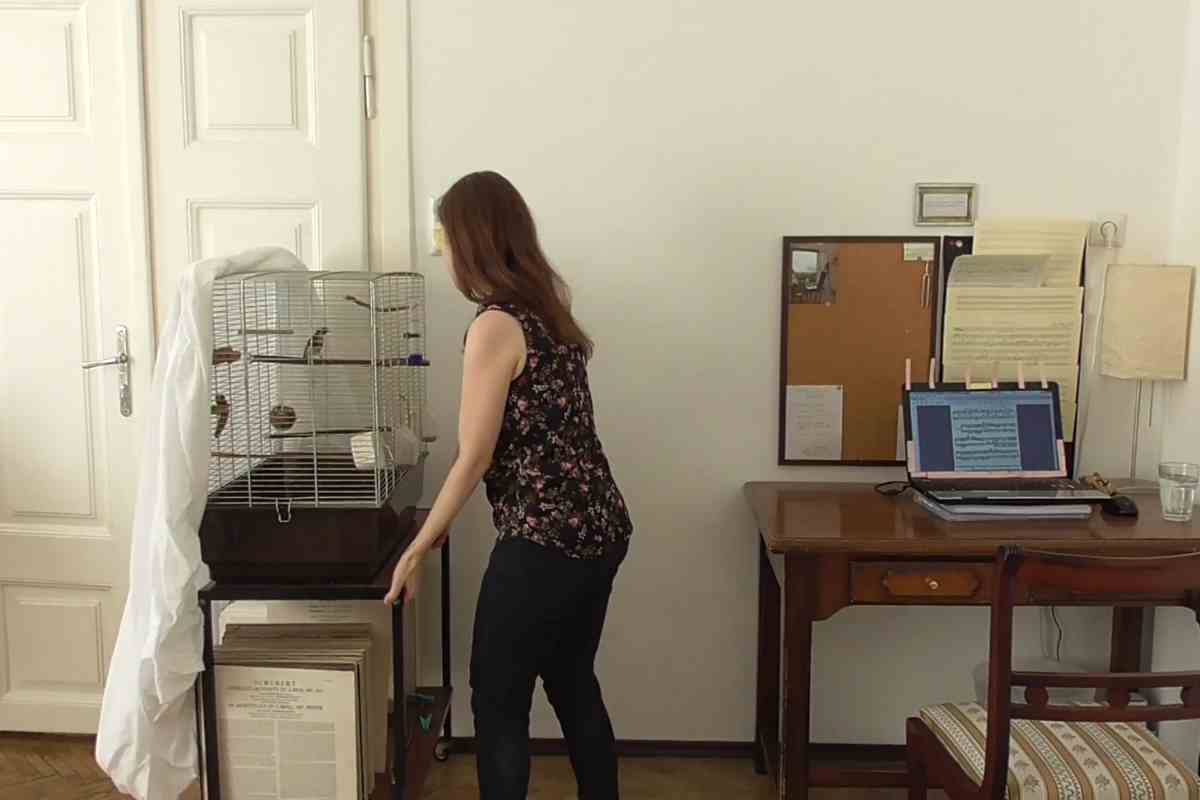
5. Seek Professional Help if Needed
If your bird’s fear persists despite your efforts, consider seeking help from a professional bird trainer or a veterinarian specialized in bird behavior.
An expert can assess the situation and provide tailored strategies to help your bird.
Signs Your Bird is Afraid: How to Spot Them
It’s important to recognize the subtle signs that indicate your bird is scared:
Wide-eyed stare: When a bird’s eyes are fully open, it’s often a sign of stress.
Fluffed-up feathers: While this can be a sign of relaxation in some cases, birds often puff up when they are anxious or feeling threatened.
Avoiding eye contact or hiding: A bird that turns its back to you or hides its head may be feeling vulnerable.
Understanding these cues will help you address your bird’s feelings of fear before they escalate.
Tips for Specific Birds: Tailored Approaches
Different species of birds have unique behaviors and needs when it comes to fear and trust-building:
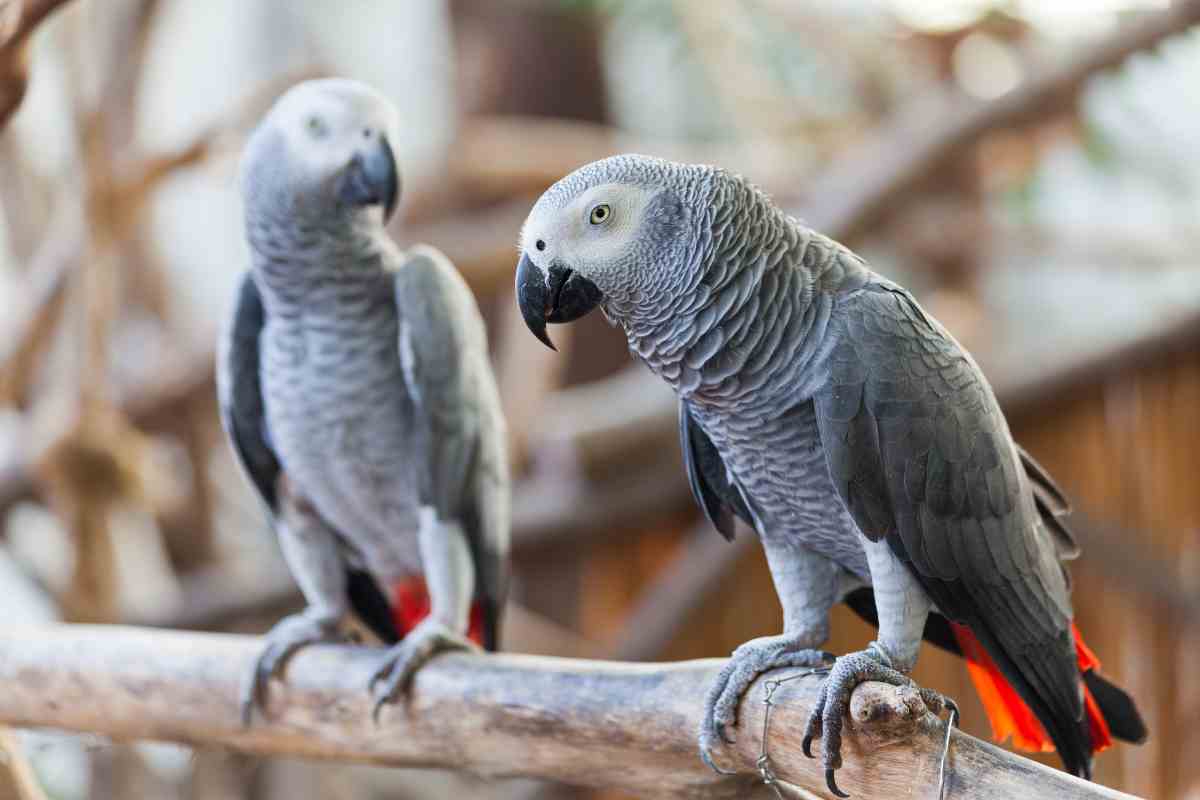
Parrots: Parrots, particularly African Greys and Macaws, tend to be more sensitive to changes in their environment. Use positive reinforcement with treats and gentle talking to build their confidence.
Canaries and finches: These birds can be shy and need a quiet, secure space. Avoid overwhelming them with too much attention and let them get used to your presence over time.
Cockatiels: Known for their social nature, cockatiels may just need a calm environment and frequent, gentle interactions to regain trust.
Scientific Insights: Why Birds Get Scared
Research has shown that birds experience stress similar to other pets.
A study published in the Journal of Applied Animal Welfare Science found that birds in multi-bird households had significantly lower cortisol levels, indicating less stress in calm environments.
This supports the idea that providing a consistent, stress-free space is key to helping birds feel safe.
Additionally, studies from Colorado State University suggest that birds living in pairs or groups exhibit fewer behavioral issues like aggression, which may be helpful when socializing fearful birds.
Be Patient and Consistent
Patience is the key to helping your bird feel comfortable and safe with you. Every bird is unique, and some may take longer than others to overcome their fear.
The most important thing is to respect your bird’s boundaries and progress at their pace. With time, consistency, and positive reinforcement, you can build a trusting, loving relationship with your bird.
Enjoy This Video Tutorial About Birds
Source: Leporello the Goldfinch – Birdtaming Tips & Tricks
Did you find this post useful or inspiring? Save THIS PIN to your Pets Board on Pinterest! 😊

You may also like