
10 Things Fish Keepers Should NEVER DO


Hey, fish lover! If you're here, it's because you share our passion for those magical little underwater worlds.
We know that maintaining a healthy aquarium can be quite a challenge, but don’t worry—you’re not alone in this! In this article, we’ll walk through some of the most common mistakes many aquarium owners make and share some easy tips to avoid them.
Let’s make sure your fish are living their best lives!
1. Not Researching Before Buying Fish
It’s easy to get caught up in the excitement of a colorful fish at the store, but each species has its own unique needs.
Before you bring any fish home, take the time to research their size, water temperature requirements, and compatibility with other species.
A little research now will save you a lot of trouble later!
Tip: For beginners, start with hardy species that are easier to care for.
2. Overfeeding Your Fish
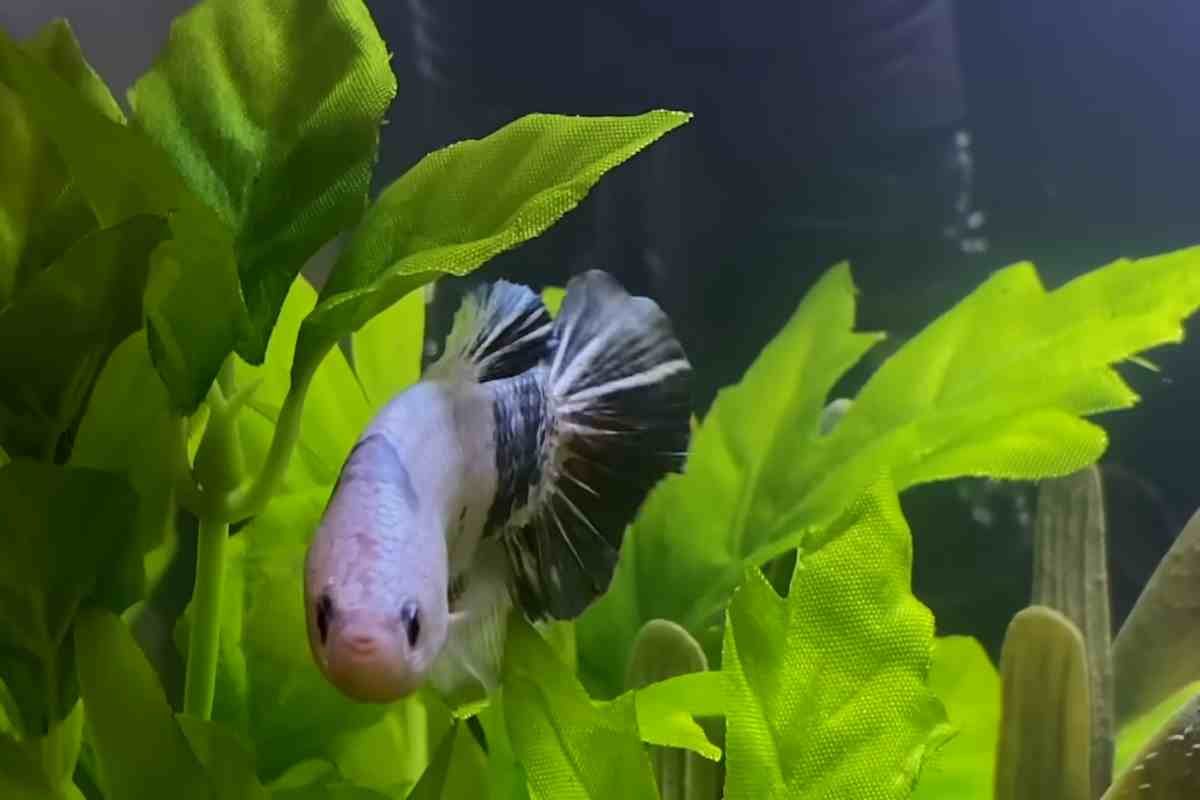
We all love to spoil our fish with extra food, but overfeeding is one of the biggest mistakes you can make.
Not only does it affect your fish's health, but it also pollutes the water. Feed your fish only what they can consume in a few minutes, and remove any uneaten food after that time.
Tip: Fish can go without food for a day or two without harm. If you’re going on vacation, don't worry too much about feeding them!
3. Skipping Regular Water Changes
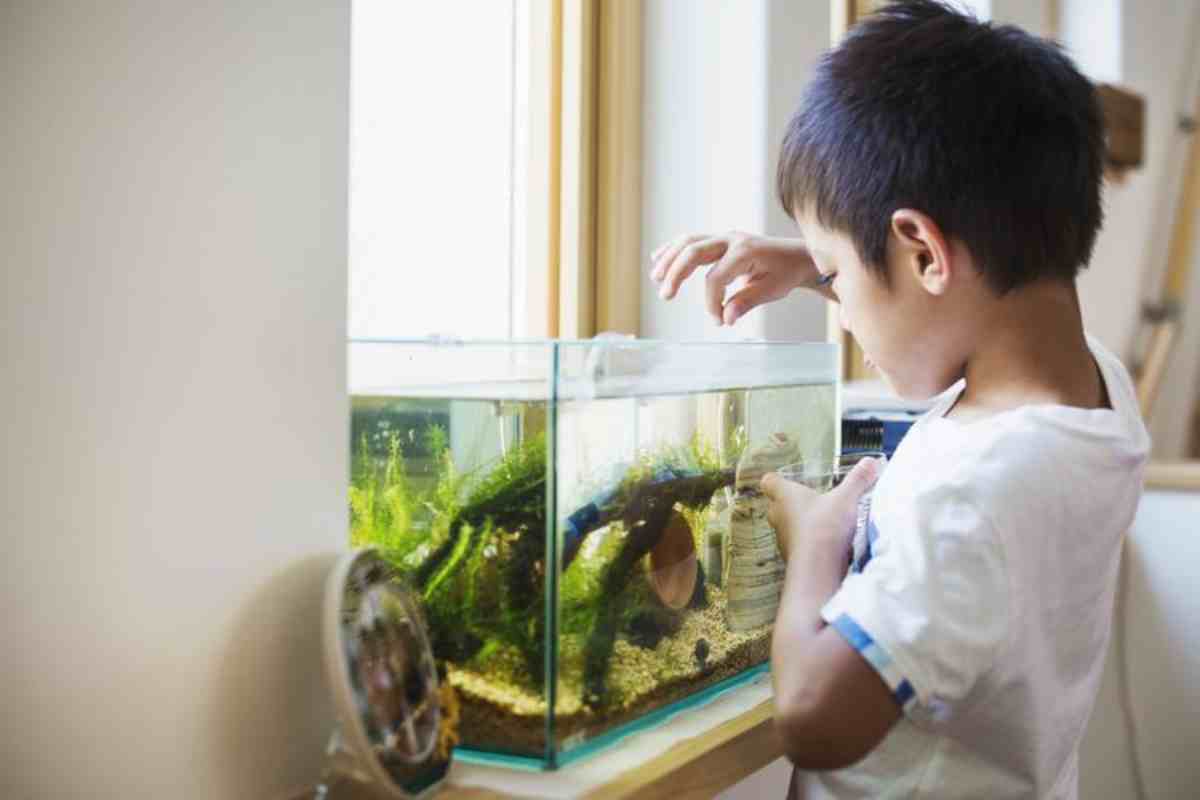
Clean water is crucial for your fish’s health. Regular partial water changes are a must.
Neglecting this important task can lead to a buildup of toxins in the tank, making your fish sick.
Tip: Aim for at least a 25% water change every two weeks. Mark it on your calendar to keep track!
4. Ignoring Water Parameters
Your fish's health depends on the right balance of water conditions—pH, temperature, and hardness are all crucial.
Keeping the water in the correct range for your fish species is essential to prevent stress and illness.
Tip: Test your water weekly using a water testing kit. It’s quick, easy, and will help you catch problems before they escalate.
5. Not Quarantining New Fish
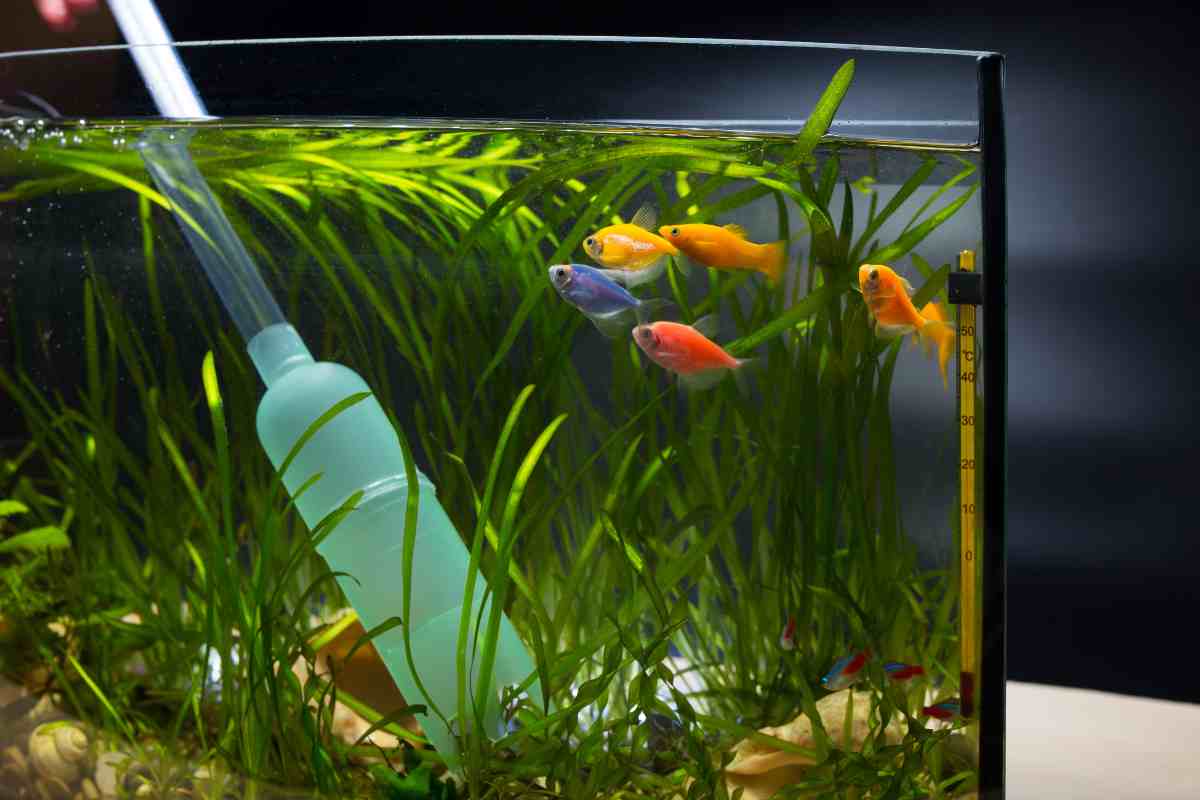
Before adding new fish to your tank, always quarantine them for at least 2 weeks. This will help you avoid introducing any diseases that could harm your existing fish.
Tip: Set up a small quarantine tank where you can monitor your new fish for signs of illness before they meet their new tankmates.
6. Underestimating the Power of Filtration
A good filtration system is essential for keeping the water clean and clear.
Make sure your filter is appropriate for the size of your tank and clean it regularly to ensure it’s working effectively.
Tip: When in doubt, go for a slightly stronger filter—it’s always better to have too much filtration than not enough.
7. Not Considering the Adult Size of Fish
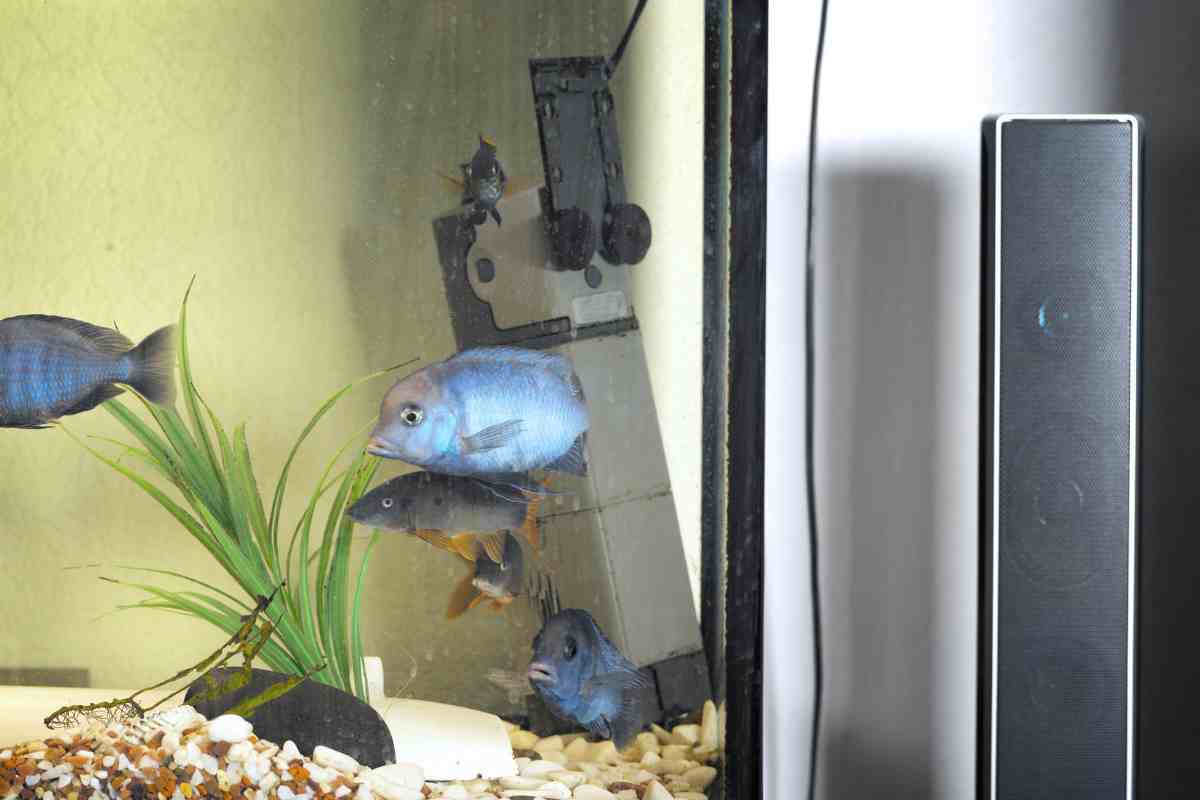
It’s easy to underestimate how big some fish can get. For example, goldfish can grow much larger than most people expect.
Always check the adult size of any fish you plan to keep and ensure your tank can accommodate them as they grow.
Tip: If your fish is likely to grow large, make sure you plan for a larger tank in the future.
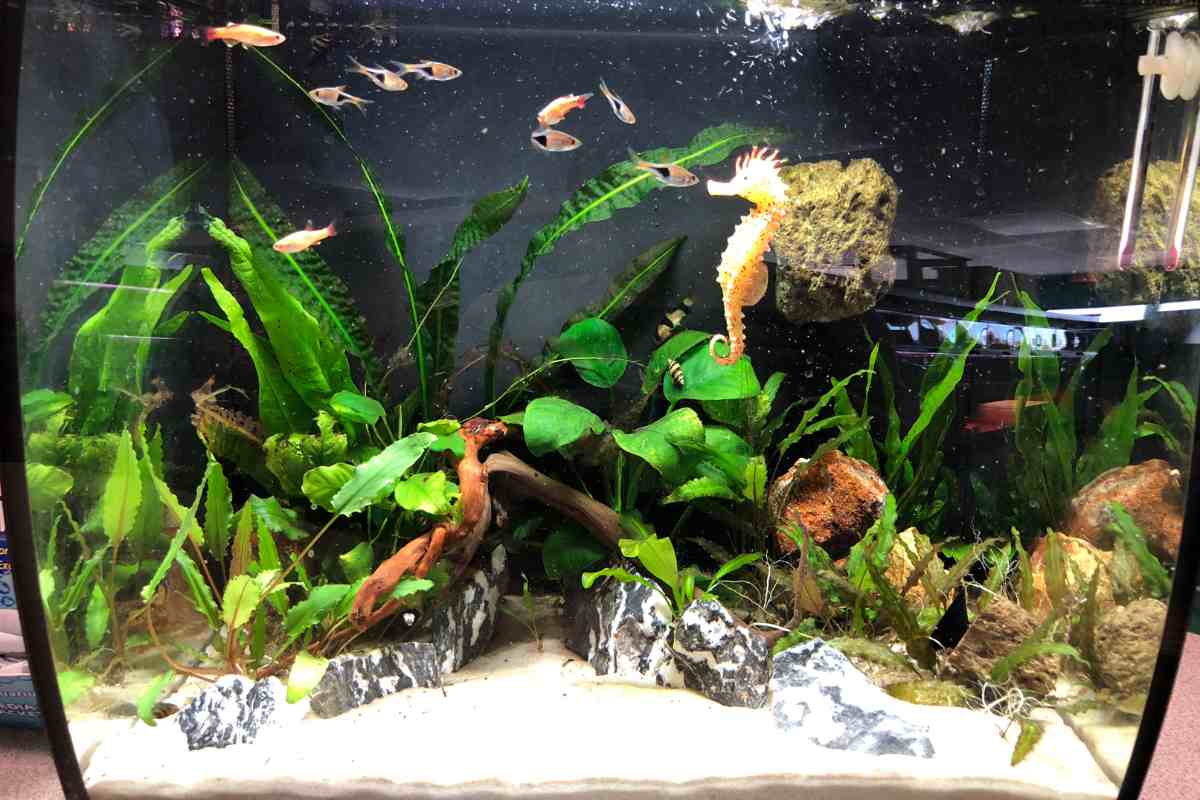
8. Not Providing Enough Enrichment
Fish are smart and need stimulation too! Without enough things to explore or hide in, your fish can become stressed, which affects their health.
Add plants, rocks, and decorations to mimic their natural habitat.
Tip: You don’t need to go overboard—just a few plants and hiding spots will help your fish feel more secure and reduce stress.
9. Not Observing Your Fish's Behavior
Pay attention to your fish’s behavior! If you notice that they’re swimming erratically, hiding more than usual, or not eating, it could be a sign of stress or illness.
Early detection is key to preventing bigger issues.
Tip: Keep an eye on their feeding habits and activity level. Healthy fish are usually curious and active.
10. Not Asking for Help When Needed
Don’t hesitate to seek help when you’re unsure about something.
Whether it's asking for advice from other aquarists or consulting a vet for sick fish, reaching out for help will ensure your aquarium remains a happy, healthy place.
Tip: Online communities are full of experienced fishkeepers who are always willing to share their tips and tricks!
Keep Your Fish Happy and Healthy with These Simple Tips
By avoiding these mistakes, you'll be well on your way to creating a thriving aquarium for your fish. Remember, keeping fish is a rewarding experience that requires time, attention, and a little research. Enjoy the process, and don't hesitate to keep learning and improving your skills.
Have any tips or experiences to share? Drop a comment below—we'd love to hear from you!
We hope you enjoy this video about Fishes

Source: KGTropicals
Did you find this post useful or inspiring? Save THIS PIN to your Pets Board on Pinterest!

You may also like