
10 Things To Know BEFORE You Get A Crested Gecko


Crested geckos are fascinating, low-maintenance pets that can be a great addition to any reptile lover’s collection.
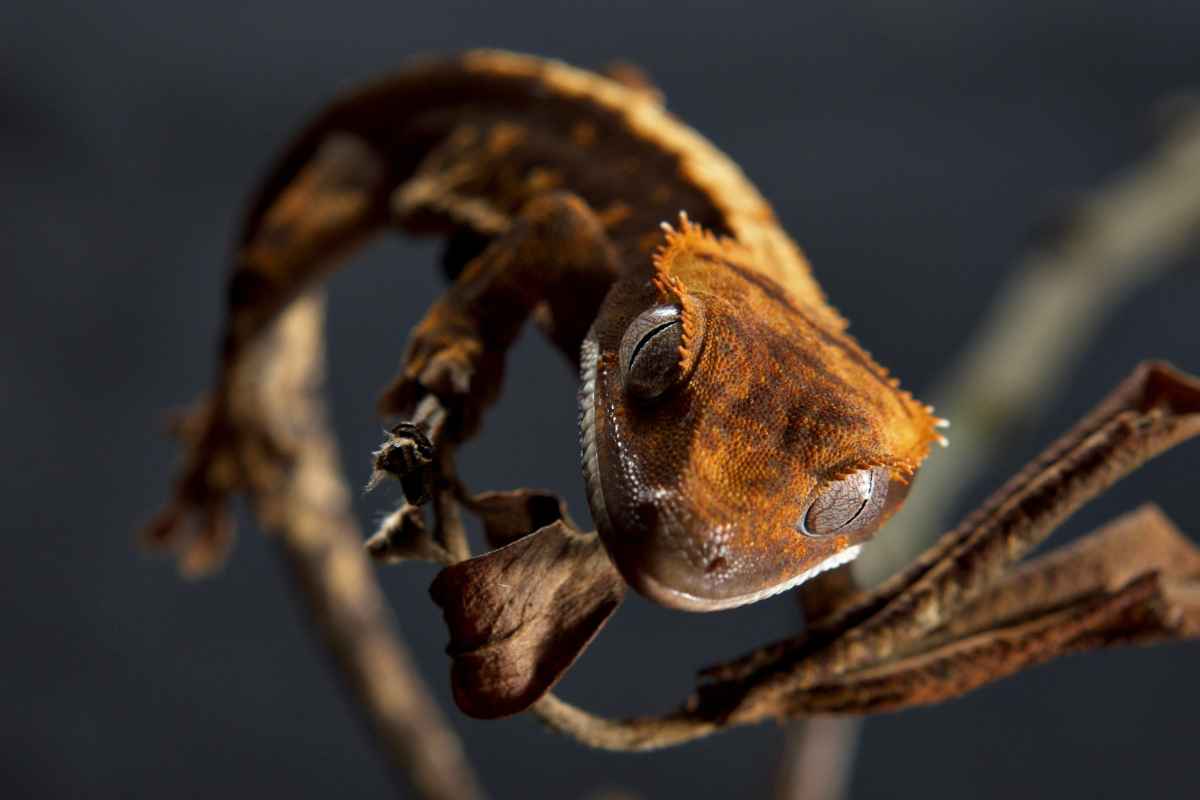
These beautiful creatures are known for their unique appearance, docile nature, and relatively simple care requirements.
However, before you decide to bring one into your home, it's important to understand the specific needs and responsibilities that come with caring for a crested gecko.
In this guide, we'll explore 10 essential things you need to know to ensure your gecko's health and happiness.
1. Crested Geckos Are Nocturnal Creatures
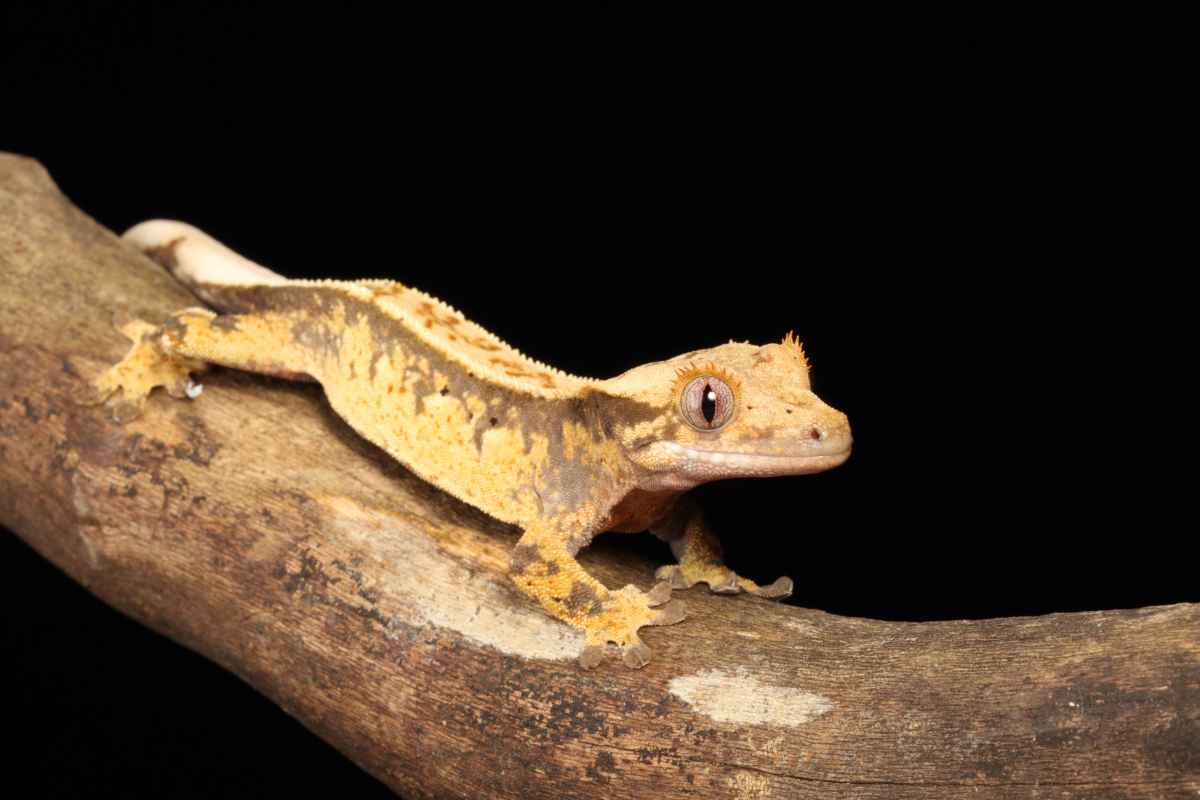
Understanding their natural behavior is key to providing a proper habitat. Unlike most reptiles, crested geckos are nocturnal, meaning they are most active at night.
This means they will likely be hiding during the day and more visible during the evening hours. When setting up their enclosure, make sure it has plenty of hiding spots where your gecko can rest during the day.
A crested gecko’s natural behavior should be respected, allowing them to have a dark, quiet place to retreat.
Tip: Use natural materials like bark or leaves to create hiding spots for your gecko.
2. Temperature and Lighting Are Crucial
Maintaining the right temperature and light cycle is essential for a healthy gecko. Crested geckos thrive in a temperature range between 72°F and 78°F (22°C to 26°C). It is crucial to maintain this temperature range to avoid stress and health problems.
Additionally, crested geckos require a 12-hour light/dark cycle to simulate day and night, which helps maintain their natural circadian rhythms.
Heat and UVB Lighting
Although crested geckos don’t require UVB light for survival, providing a low-level UVB light can benefit them by aiding in calcium absorption.
Using a heat source like a ceramic heat emitter can help maintain a proper temperature, especially at night when the room may cool down.
3. Humidity Requirements: Keep It Right
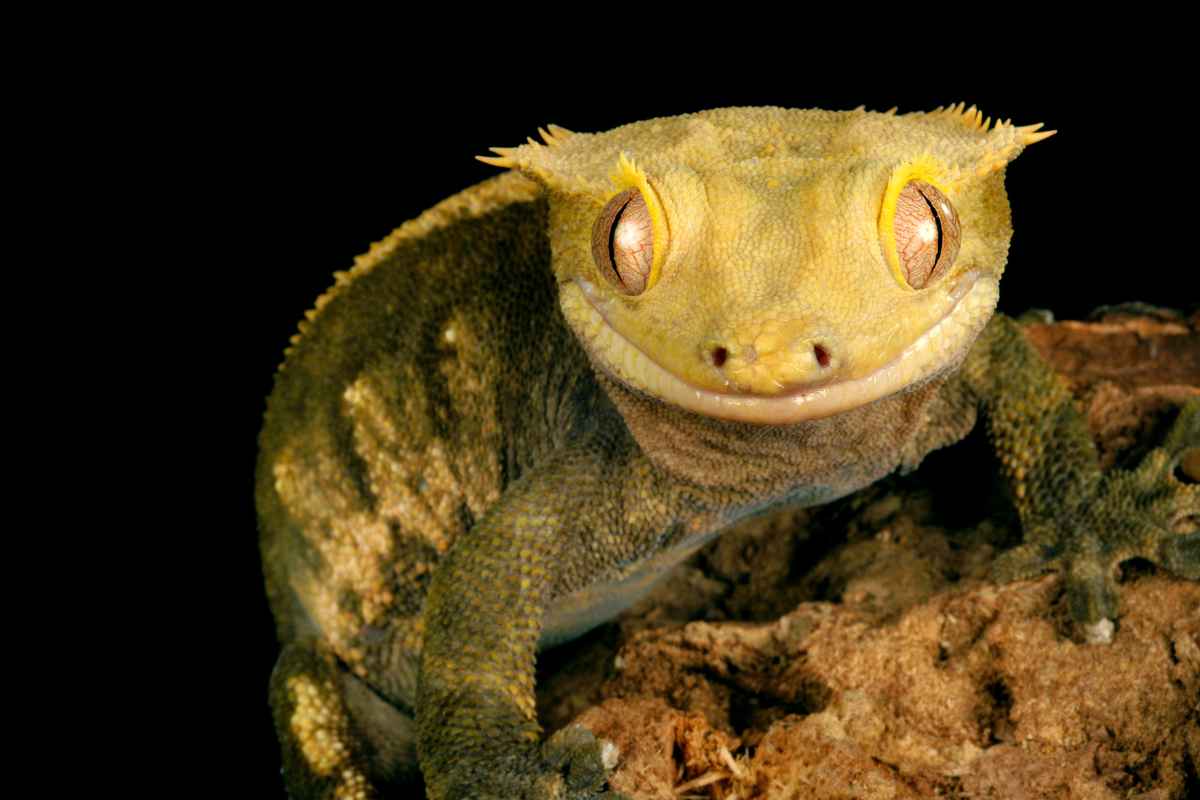
Proper humidity is essential for your gecko's health. Crested geckos are native to humid rainforests, so they need an environment with high humidity levels.
The humidity should be between 50% and 70% to prevent dehydration and shedding issues. A regular misting of the enclosure, preferably in the evening, helps maintain the right humidity.
Tip: Use a hygrometer to monitor humidity levels and avoid them becoming too dry or too damp.
4. Feeding: A Balanced Diet for Your Gecko
Providing the right diet is one of the most important aspects of crested gecko care. In the wild, these geckos feed on a variety of insects, fruits, and nectar.
As a pet, they should be fed a mix of crested gecko-specific commercial diets, along with occasional live insects like crickets or mealworms. You can also offer fresh fruit puree, but avoid citrus fruits.
What to Avoid
Avoid feeding your gecko baby food or processed foods that lack proper nutrients. Also, make sure their food dish is elevated to help them feed naturally.
5. Create an Enriching Habitat

Enrichment is necessary for your gecko’s mental and physical health. Crested geckos are tree-dwelling creatures, so providing a vertical habitat is crucial.
Use branches, vines, and plants to create a climbing environment that mimics their natural habitat. Not only will this help them feel at home, but it will also provide exercise and mental stimulation.
Tip: Choose non-toxic plants like pothos, spider plants, and ferns to decorate the enclosure. These plants also help maintain humidity.
6. Understanding Crested Gecko’s Shedding
Shedding is a natural part of your gecko’s life cycle. Crested geckos shed their skin regularly, and it is important to maintain proper humidity to help them shed properly.
If the humidity is too low, they may have difficulty shedding, which can lead to skin problems or even stuck shed.
Tip: If you notice your gecko struggling with shedding, gently mist the area or provide a humid hide for them to retreat to.
7. Crested Geckos Need Regular Health Checks
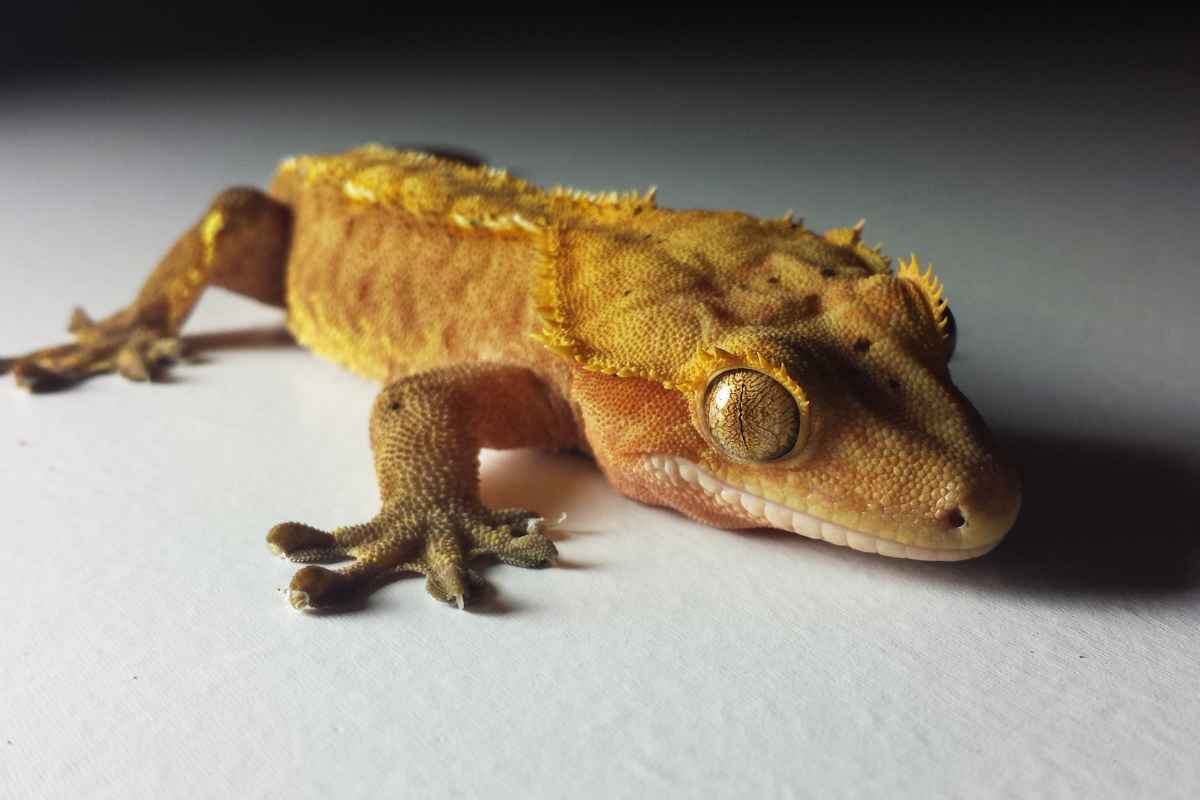
Regular health checks are essential for early detection of any issues. Like any pet, crested geckos require regular health monitoring.
Look for signs of illness, including lethargy, loss of appetite, abnormal shedding, or changes in feces. If any of these occur, it's important to consult a reptile veterinarian.
Tip: Make sure to weigh your gecko regularly to ensure they are maintaining a healthy weight.
8. Avoid Common Risks: Ingestion of Substrate and Falls
Crested geckos are curious and love to explore their environment. However, it’s essential to prevent them from ingesting harmful substrates.
Loose substrates like sand or gravel can cause impaction, a serious condition that may require veterinary treatment. Additionally, crested geckos are great jumpers, so make sure the enclosure has secure, high walls to prevent accidental falls.
Tip: Use coconut fiber, paper towels, or reptile carpet as substrates to minimize the risk of ingestion.
9. Crested Geckos Live a Long Time
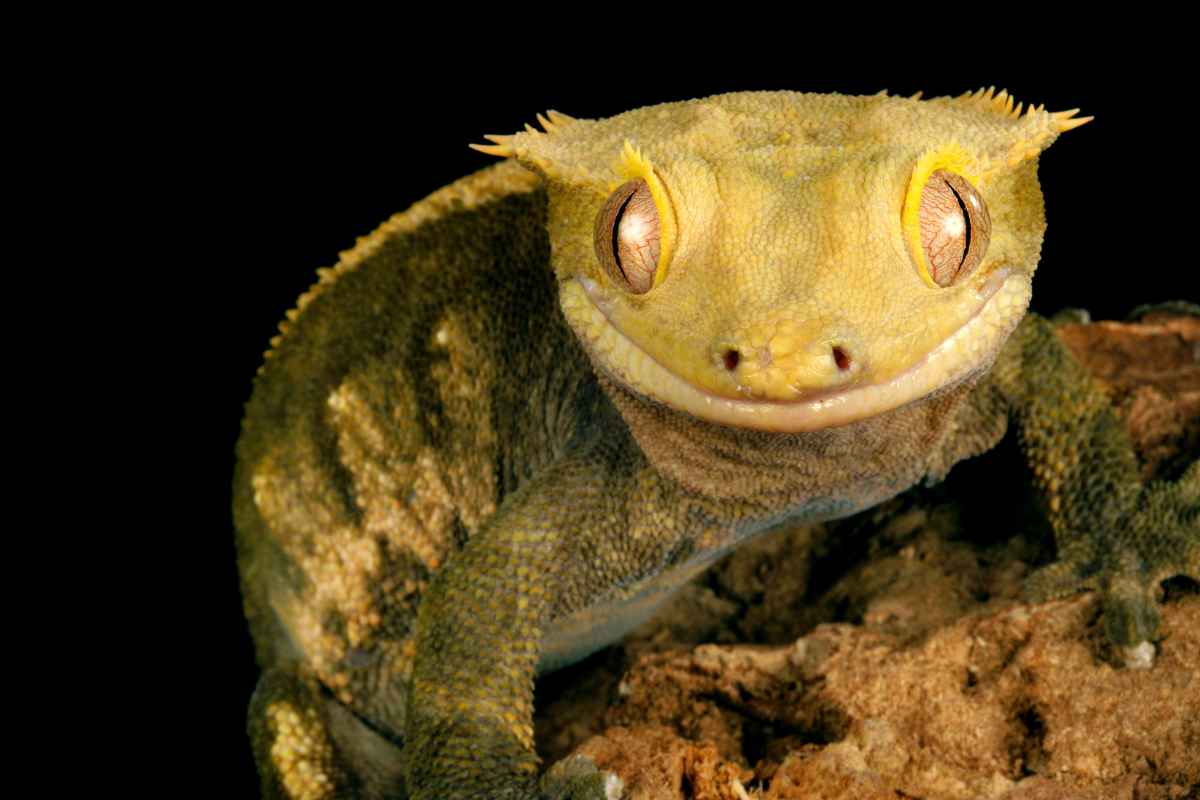
Be prepared for a long-term commitment. Crested geckos can live up to 15 years in captivity, so adopting one is a long-term responsibility.
Make sure you’re ready to provide a consistent and enriching environment for the entirety of their lifespan. This includes regular cage maintenance, proper feeding, and health checks.
Tip: Create a care schedule that includes feeding, cleaning, and monitoring their health.
10. Crested Geckos Are Not For Everyone
Understand the responsibility that comes with owning a crested gecko. While they are relatively low-maintenance, crested geckos still require attention, time, and commitment.
Before making a decision, ensure that you have the time, resources, and knowledge to care for one properly. Additionally, check local regulations to ensure that owning a crested gecko is legal in your area.
Tip: Do thorough research and ask questions from reptile owners or pet shops before adopting a crested gecko.
Conclusion: Are You Ready for a Crested Gecko?
Getting a crested gecko can be a rewarding experience, but it’s essential to understand their needs and be prepared for the long-term care they require.
By providing the proper habitat, diet, and enrichment, you can ensure a happy and healthy life for your new pet. Remember, taking the time to understand your crested gecko’s behavior and needs is the first step in being a responsible pet owner.
Are you ready for the commitment? With the right knowledge and care, your gecko can be a wonderful companion for many years to come.
We hope you enjoy this video about Reptil

Source: Elle's Reptiles
Did you find this post useful or inspiring? Save THIS PIN to your Pets Board on Pinterest!

You may also like