
10 Things You Should Know About Guppies


Guppies, often referred to as "million fish" due to their prolific breeding habits, are among the most popular aquarium fish.
These small, colorful creatures are not only easy to care for but also make for fascinating additions to any home aquarium. However, to keep your guppies thriving, there are several important factors to consider.
In this guide, we’ll explore 10 essential tips for proper guppy care, ensuring they remain vibrant, healthy, and happy in their aquatic environment.
1. Proper Feeding for Healthy Guppies

The first step in caring for guppies is providing them with a balanced diet. Guppies are omnivores and thrive on a varied diet that includes both plant-based and protein-rich foods.
You can feed them a combination of high-quality flake food, frozen or live foods like brine shrimp and daphnia, and even vegetables such as blanched spinach or zucchini.
Tip: Make sure to feed your guppies small amounts several times a day to avoid overfeeding and water pollution. A good rule of thumb is to offer only as much food as they can eat in 2-3 minutes.
2. Avoiding Inbreeding for Stronger Fish
Guppies are often bred for their colorful patterns and unique traits, but selective breeding can lead to a decrease in genetic diversity. This can result in a weaker immune system and health problems like bent spines or deformed fins.
Tip: Always buy guppies from reputable breeders who focus on maintaining healthy genetic lines. If you're breeding your own guppies, be sure to mix up the bloodlines to avoid inbreeding.
3. Choosing the Right Tank Mates
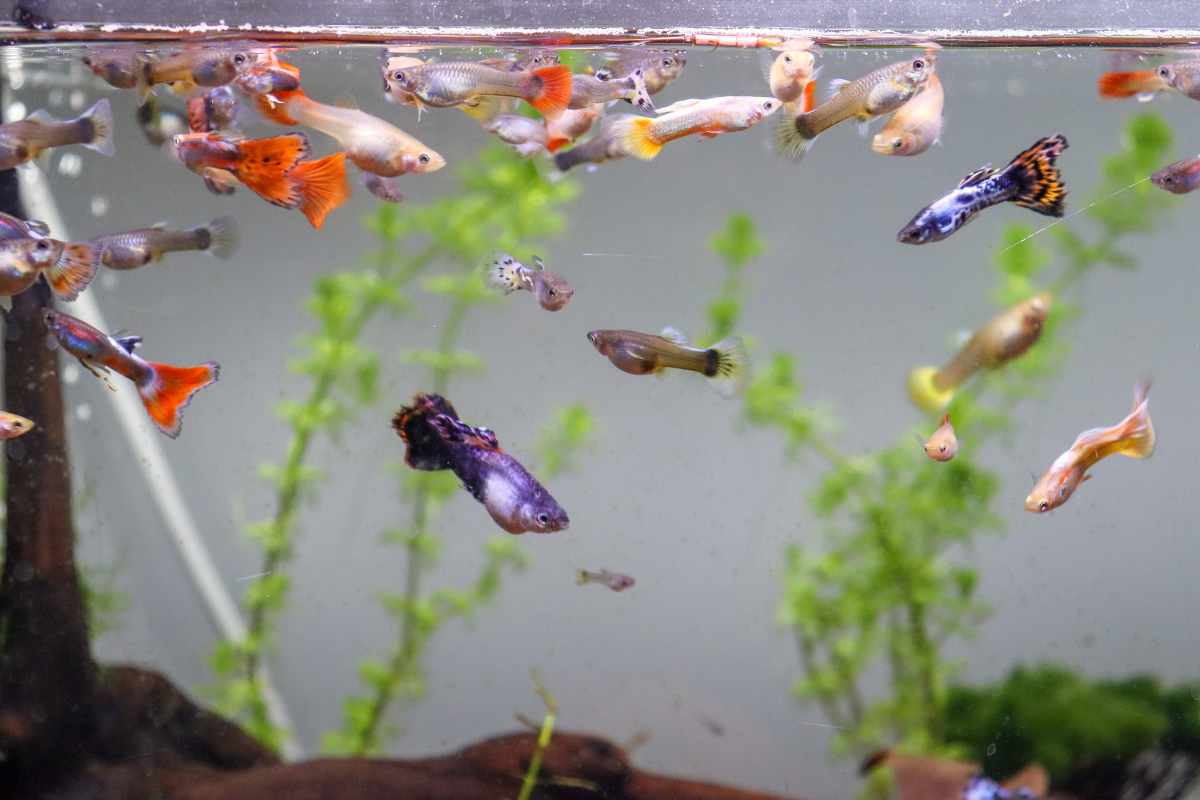
Guppies are peaceful and social fish, but choosing the right tank mates is crucial for their well-being. They generally do well with other peaceful species that share similar water requirements.
Tip: Avoid housing guppies with overly aggressive fish, such as betta fish or larger predatory species. Instead, try small tetras, mollies, or corydoras catfish as peaceful companions.
4. Preventing Common Diseases
Like all fish, guppies are susceptible to various diseases, including fin rot, white spot disease (ich), and intestinal parasites.
The best way to prevent these is through regular tank maintenance, proper water conditions, and quarantining new fish.
Tip: If you notice any abnormal behavior or spots on your guppies, separate them into a quarantine tank and treat them promptly. Regularly inspect their fins and body for signs of illness.
5. Preparing for Their Reproductive Behavior
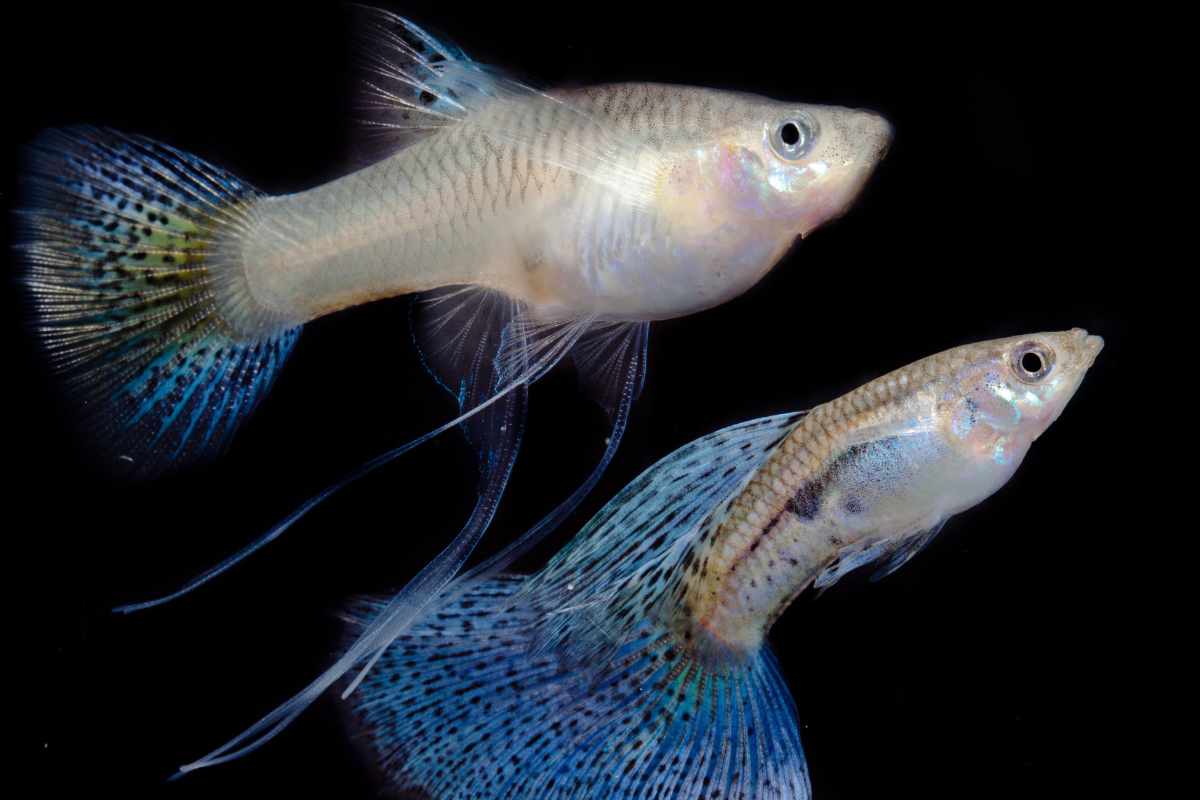
One of the most exciting things about owning guppies is their rapid reproduction. Female guppies can give birth to up to 50 fry (baby guppies) every month, and the process can happen often if conditions are right.
Tip: To prevent overpopulation and overcrowding, consider keeping only males, or separate males and females in different tanks. If you plan to breed them, provide a nursery tank for the fry to grow safely, away from adult fish that may eat them.
6. Setting Up the Ideal Aquarium
Guppies need a proper aquarium setup to thrive. The tank should be at least 10 gallons to provide enough swimming space, especially if you plan on keeping a group of guppies.
Tip: Ensure the tank is equipped with a reliable filter to maintain clean water and a heating element to keep the water temperature between 72°F and 82°F (22°C - 28°C). Use live plants to create hiding spots and reduce stress for your guppies.
7. The Importance of Live Plants
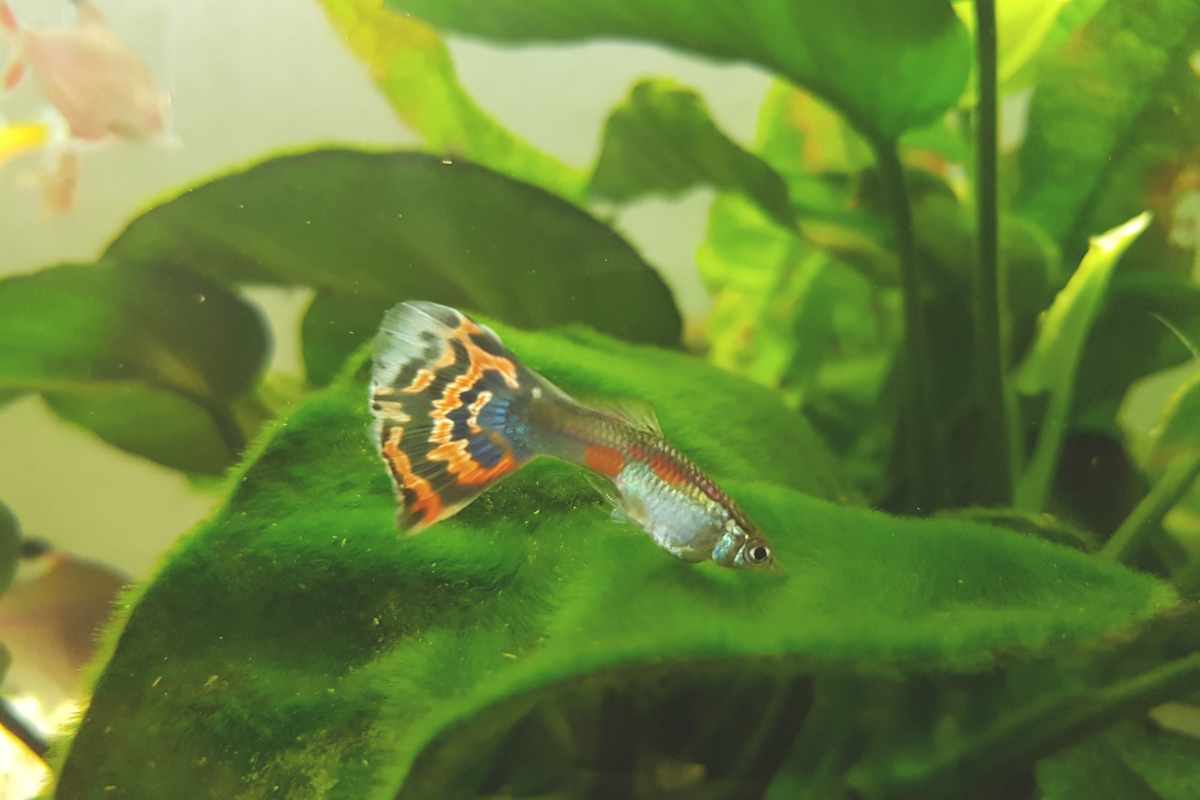
Not only do live plants make your aquarium look more natural, but they also provide essential benefits for guppies. Plants help filter the water, oxygenate it, and offer hiding spots for both adult guppies and fry.
Tip: Include hardy plants such as java fern, anubias, or hornwort. These plants are not only easy to maintain but also act as natural filtration systems for your tank.
8. Choosing the Right Filtration System
A high-quality filter is essential for maintaining a healthy environment for guppies. Guppies are sensitive to poor water conditions, and a filter will help remove debris, excess food, and harmful chemicals from the water.
Tip: Opt for a sponge filter for fry tanks to ensure gentle filtration that won't harm young guppies. For adult tanks, power filters can provide adequate filtration and keep the water clear.
9. Understanding Their Lifespan
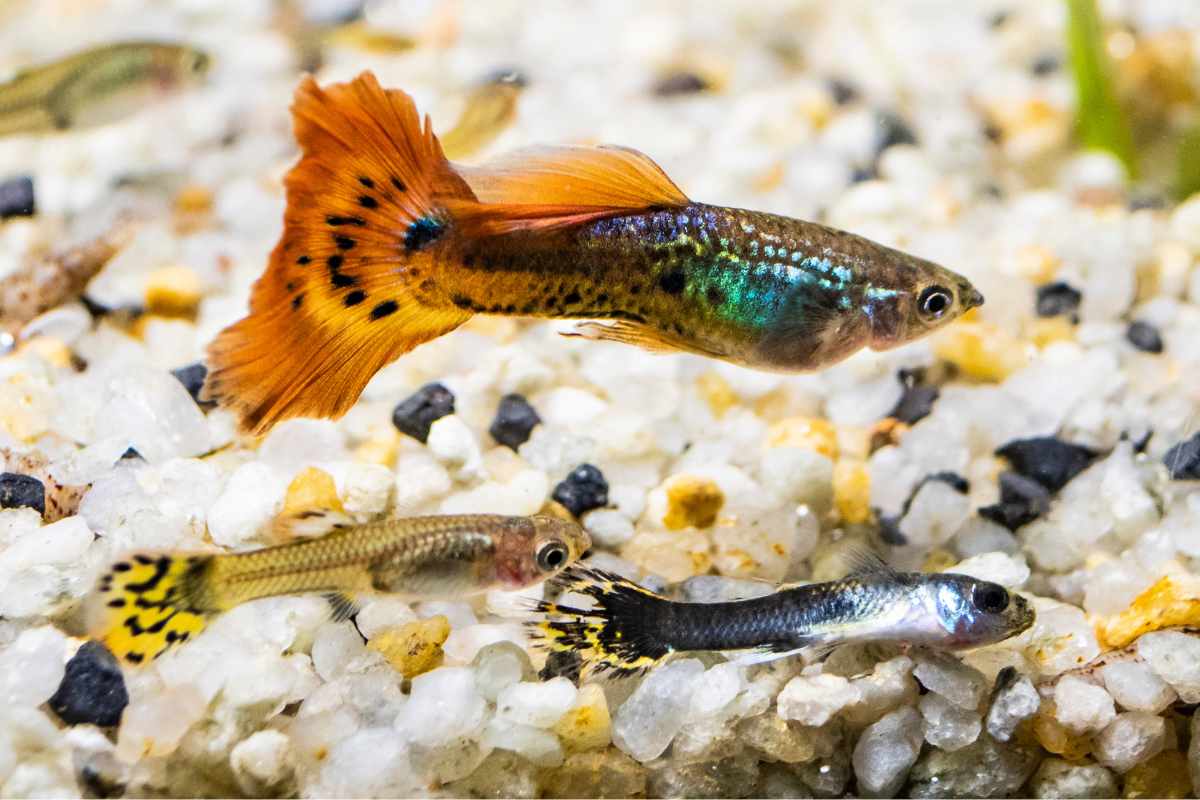
Guppies have a relatively short lifespan, typically living between 1 and 3 years. Their lifespan can be influenced by factors such as water quality, genetics, and diet.
Tip: Keep a close eye on their health and behavior, especially as they age. If your guppy is showing signs of illness, it’s important to address it quickly to ensure a long and happy life.
10. Ensuring Healthy Water Conditions
Maintaining stable water conditions is crucial for guppy health. The water should be well-maintained, with proper pH, hardness, and temperature levels. Guppies prefer a slightly alkaline environment with a pH between 7.0 and 8.0.
Tip: Perform weekly water changes of 25-30% to ensure the water remains clean and free from toxins. Test the water regularly using a reliable aquarium test kit to monitor ammonia, nitrite, and nitrate levels.
Conclusion: Happy Guppies, Happy Aquariums
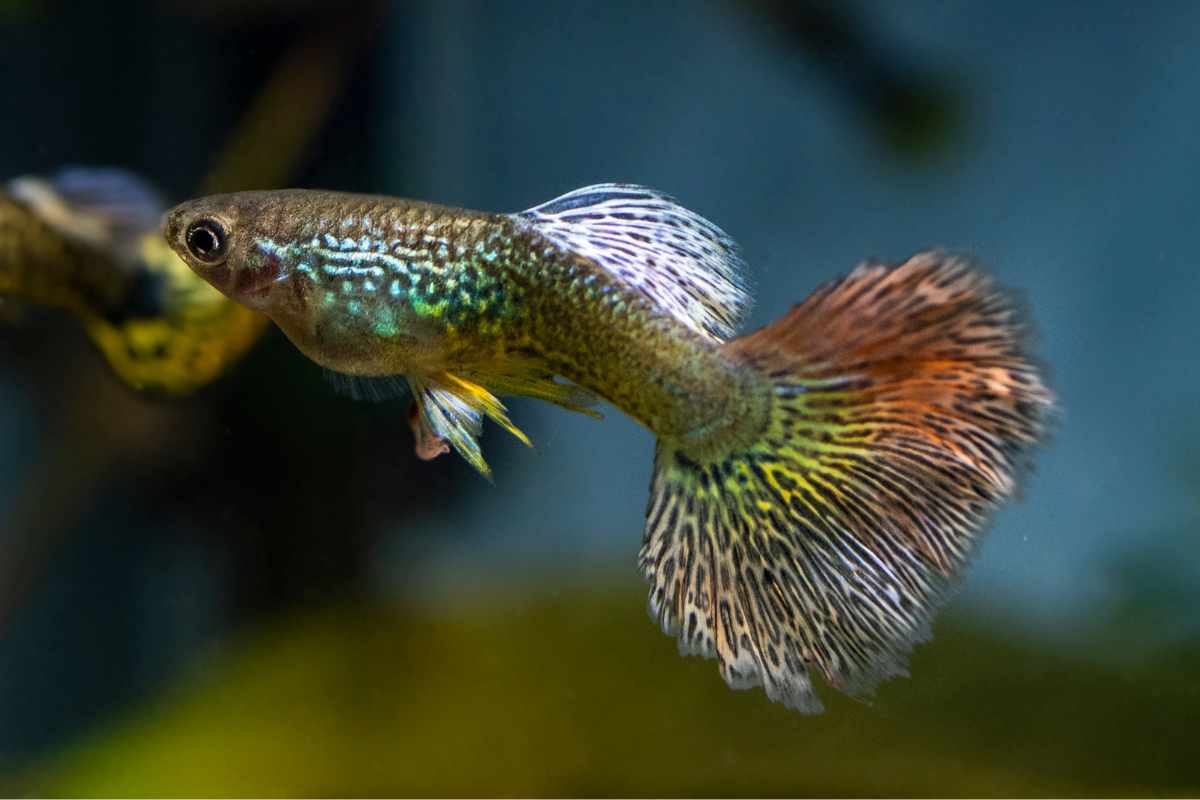
Guppies are vibrant and low-maintenance fish that can bring joy and color to any aquarium. By following these 10 essential care tips, you can ensure your guppies remain healthy, happy, and long-living.
Whether you’re a beginner or a seasoned fish keeper, the key to success lies in providing the right environment, a varied diet, and constant attention to their health.

Source: KeepingFishSimple
Did you find this post useful or inspiring? Save THIS PIN to your Pets Board on Pinterest!

You may also like