
- Urbaki Pets
- Fishes
- 5 Easy Tips for Making a Good Aquarium Even Better
5 Easy Tips for Making a Good Aquarium Even Better

15/05/2024 · Updated on: 02/10/2025

A thriving aquarium isn’t about the fanciest gadget—it’s about simple, consistent habits that keep water stable, fish relaxed, and plants steadily growing.
When your aquascape offers shelter and sight breaks, your water quality stays predictable, your filter protects beneficial bacteria, your lighting schedule is steady, and your fish are truly compatible, the entire system becomes easier to maintain and infinitely more beautiful.
This guide turns those five pillars—aquascaping, water quality, filtration, lighting, and compatibility—into clear, practical actions you can repeat week after week. The payoff is a calmer, clearer tank that looks great and is a joy to care for.
Think of your aquarium as a small living neighborhood. Fish navigate familiar routes, plants pull excess nutrients from the water, and bacteria quietly process waste behind the scenes.
Your role is to provide structure and routine: a layout that reduces conflict, maintenance that never swings from neglect to overreaction, and a stable daily rhythm.
Below, you’ll find not just what to do, but why it works, so each tweak delivers visible results you can build on.
Aquascaping That Works Every Day
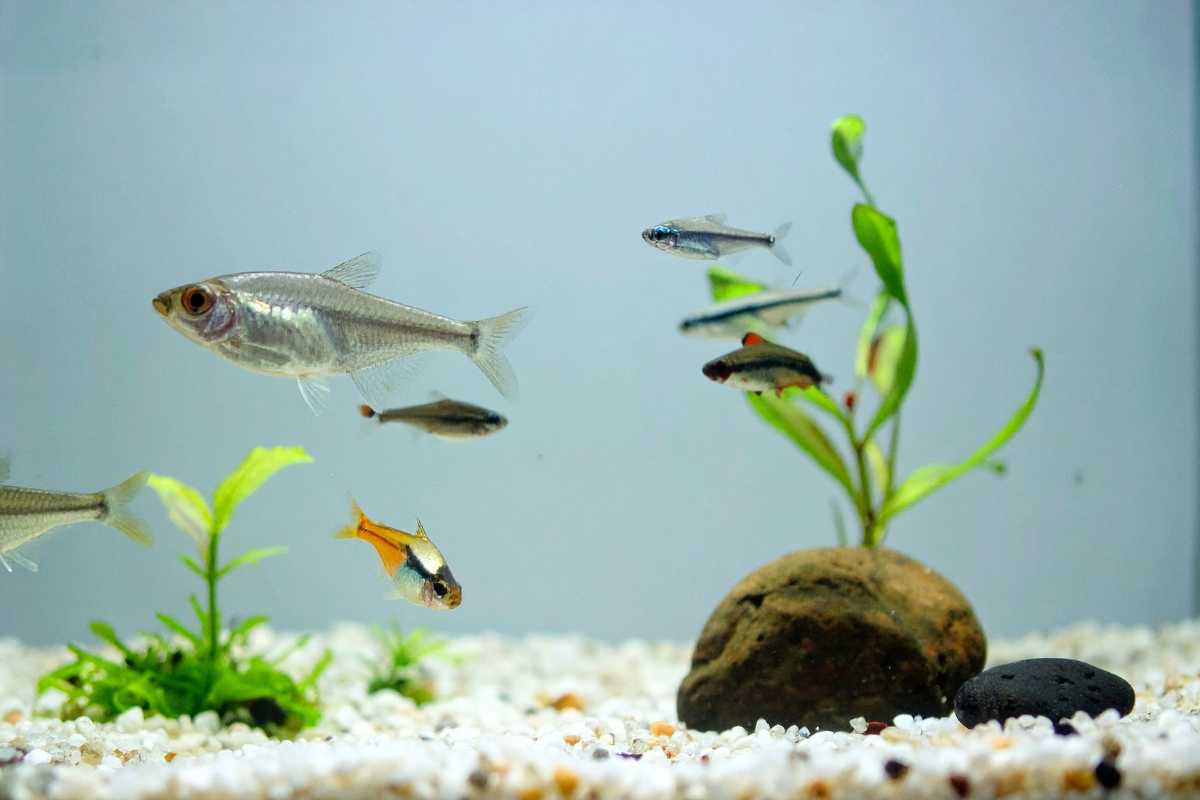
A stunning aquascape is more than decoration—it’s behavioral design. The right layout lowers stress, reduces chasing, and invites natural foraging and exploration.
When fish can retreat behind plants, beneath driftwood, or around rock “rooms,” they feel safe enough to show richer colors and calmer behavior.
Stable Layouts and Quiet Zones
Start with one dominant hardscape element—driftwood, stone, or a branchy root—and use it to define visual “rooms.” Imagine three zones: a sheltered back corner for timid species, a mid-tank arch that frames the scape, and an open front for viewing and easy feeding.
Keep pathways consistent; fish learn their routes, and stability is soothing. Place line-of-sight breaks where chases tend to happen, so a quick dart behind a leaf ends the pursuit.
This small design choice can dramatically reduce aggression in community aquariums without removing fish.
Low-Maintenance Plants That Do the Heavy Lifting
Plants aren’t only for looks—they’re nature’s nutrient sinks. Hardy species like Anubias, Java fern, Cryptocoryne, Vallisneria, and floating plants such as frogbit or Salvinia thrive under moderate light, add shade, and intercept nutrients that algae would otherwise use.
Plant in clusters, not single stems sprinkled everywhere. Clusters create dense cover that timid fish trust, and the grouped aesthetic looks intentional.
As plant mass increases, you’ll notice steadier parameters, calmer schooling behavior, and fewer algae flare-ups.
Tuck rhizomes properly (attached to wood or rock) and avoid burying them; healthy roots mean plants that filter for you.
Water Quality—The Habit That Changes Everything
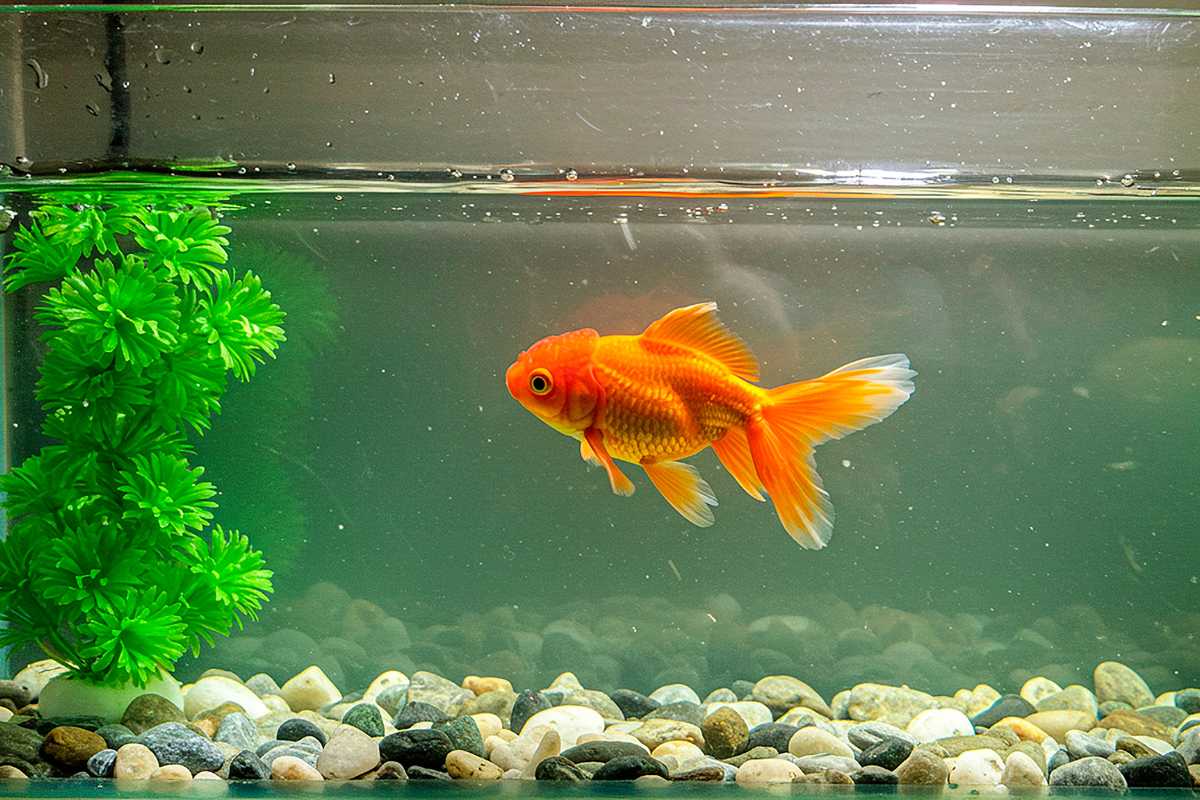
No piece of equipment can replace a reliable weekly routine. The most impactful upgrade is a habit you’ll keep: test briefly, change some water, and log your numbers.
With a simple liquid test kit, aim for ammonia and nitrite at 0 ppm, keep nitrate in a sensible range for your setup (often under 20–40 ppm), and prioritize a stable pH over chasing a “perfect” target. This light, steady approach prevents problems from snowballing.
Your Test Kit, Made Simple
Pick a repeatable day—Sunday morning works for many—and run quick tests for ammonia, nitrite, nitrate, and pH. Record the results in a notebook or notes app.
You’re building trends, not hunting perfection. If nitrate creeps up, increase plant mass or nudge your water-change volume slightly.
If pH drifts with your tap supply, lean on steady changes rather than chemical swings. Testing provides early warnings so you can course-correct gently—and gently is always easier on fish and plants.
A Weekly Water-Change Routine You’ll Actually Keep
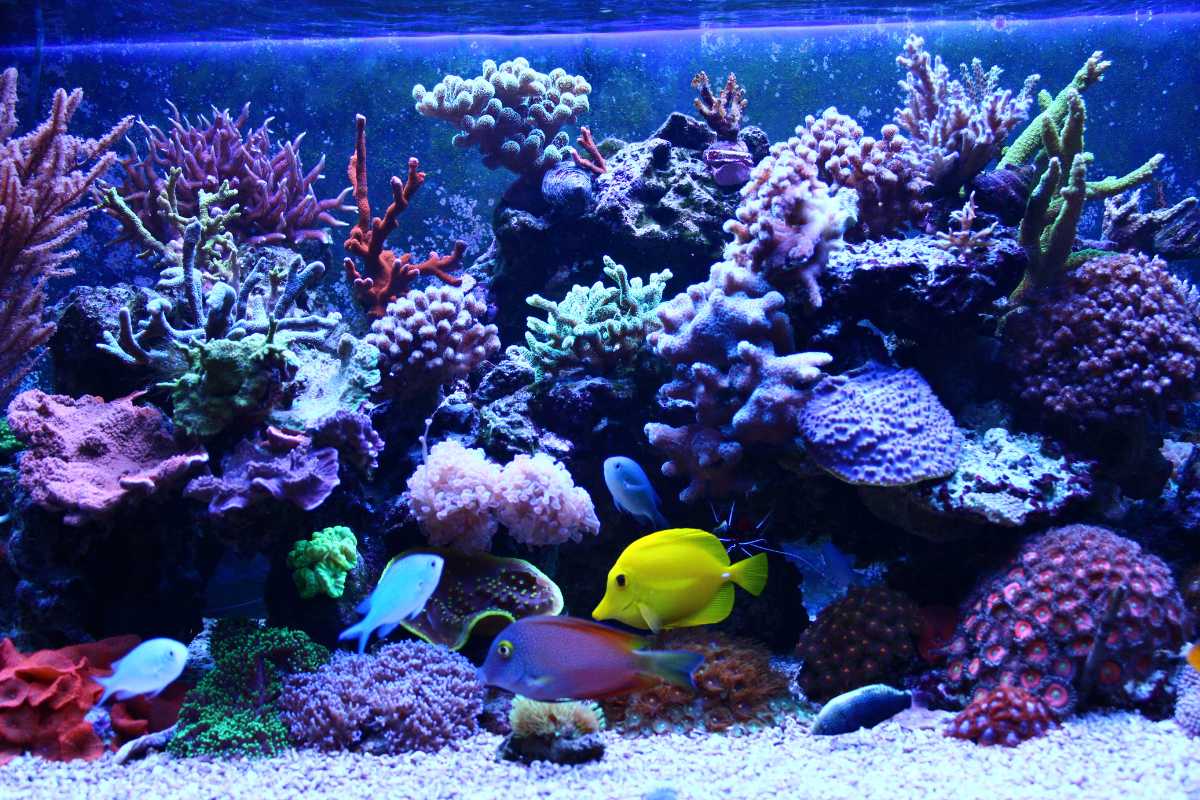
Most community tanks thrive with 20–30% once a week. Siphon slowly, skimming detritus from open areas and lightly over the substrate without uprooting plants. T
reat new water with a reliable dechlorinator, temperature-match with a thermometer or by touch, and refill gently so you don’t blast your scape. This simple rhythm removes dissolved organics, resets nutrients, and subtly starves algae.
If your tank is heavily stocked or you feed generously, two smaller changes per week beat one big one. In aquarium care, consistency beats intensity every time.
Feeding for Balance, Not Guilt
Overfeeding fuels waste and algae. Offer small portions fish can finish in about a minute, with an occasional “light day” so filtration and plants catch up.
Combine regular feeding with your 20–30% weekly water changes, and you’ll see clearer water, livelier fish, and less film on the glass by week’s end. Balanced feeding is silent water chemistry control.
Filtration You Can Trust
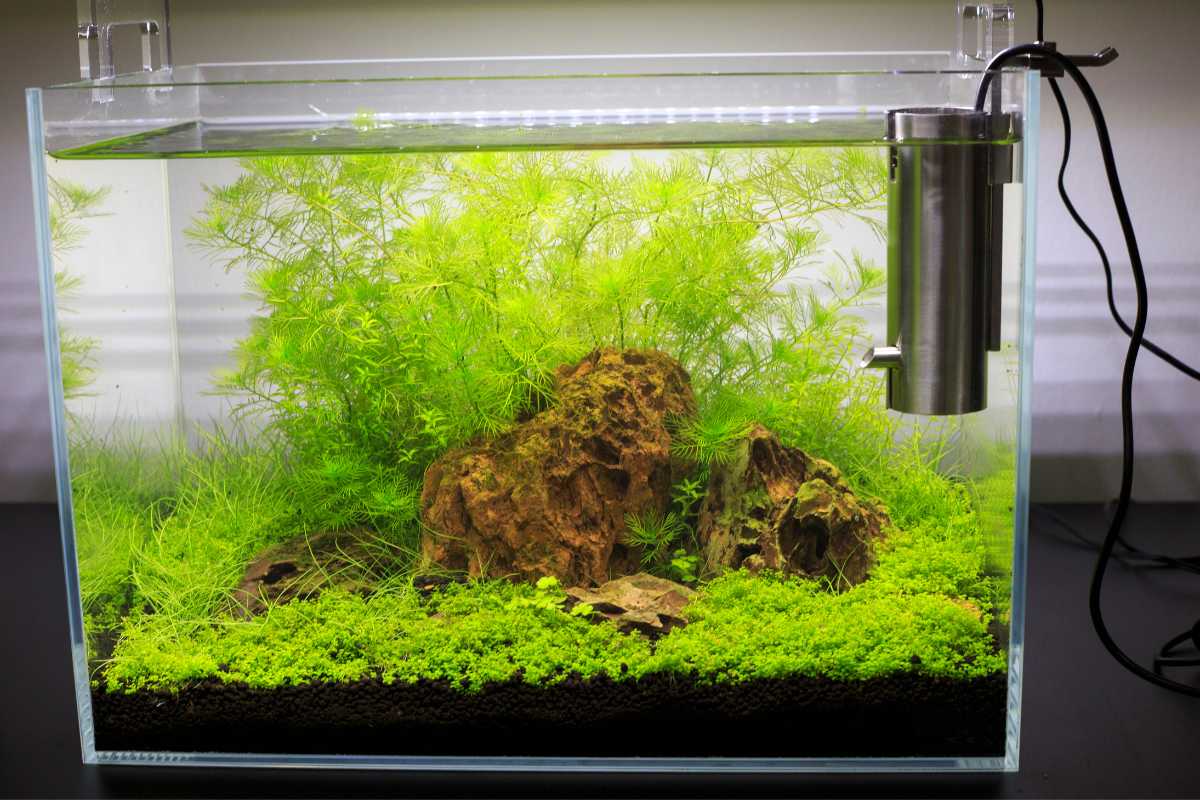
A filter’s most important job isn’t moving water—it’s hosting beneficial bacteria that convert toxic ammonia to nitrite and then to less toxic nitrate. When you respect that biology, your maintenance becomes surgical and effective.
Think in layers: mechanical media traps debris, biological media houses bacteria, and chemical media is optional and situational.
Mechanical vs. Biological—What to Clean and When
Rinse mechanical media (sponges, floss) whenever flow drops or you see buildup. Do this in a bucket of saved tank water during your water change; tap chlorine can damage bacterial colonies.
Biological media—ceramic rings, sintered glass, bio balls—should be left alone or swished lightly in tank water only when absolutely necessary.
Clean housings and impellers so the pump runs smoothly, but avoid over-sanitizing. The mantra is simple: protect your bacteria, protect your stability.
Sizing and Flow Without Guesswork
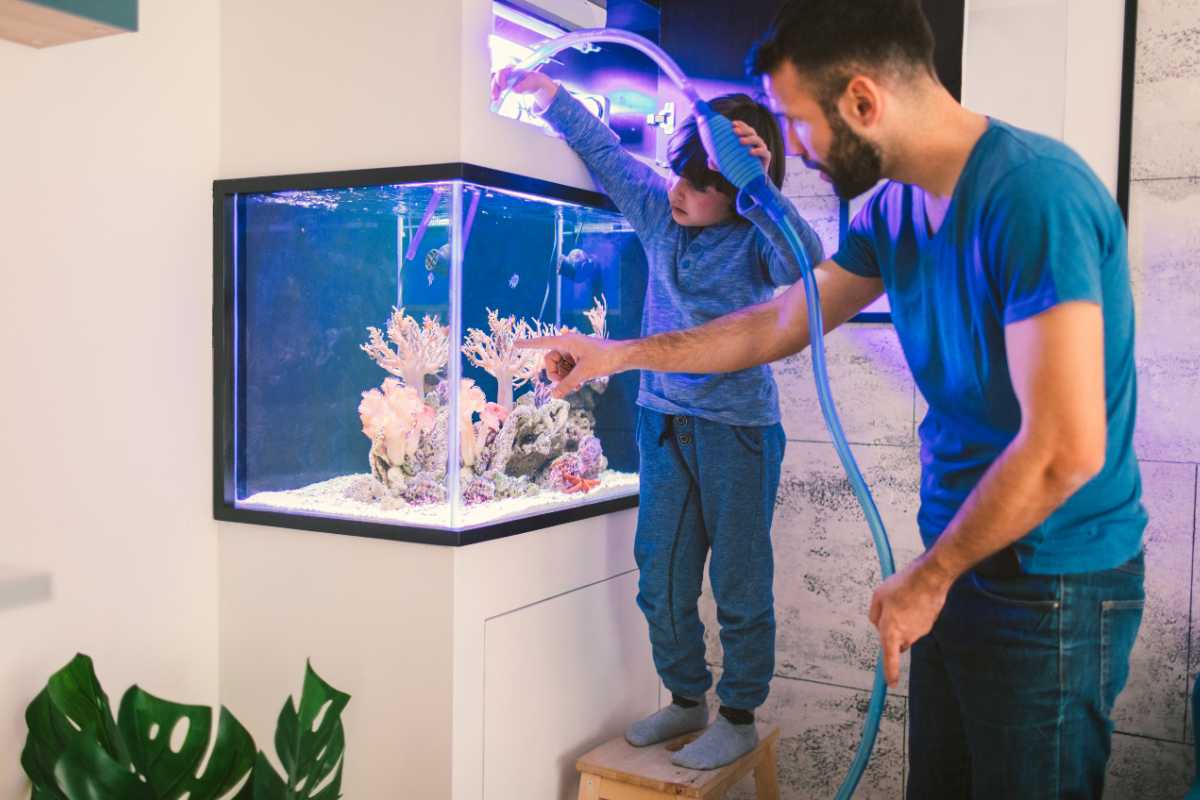
Manufacturer ratings are broad; what you want is quiet, reliable turnover with gentle circulation across the tank. You’re aiming for a slight surface ripple to promote gas exchange without blasting fish or flattening delicate plants.
If you keep calm-water species, aim the outlet against glass or into plants to diffuse the current.
In planted or lightly stocked setups, excellent mechanical + biological filtration and steady maintenance matter more than maxing out your flow number.
Media Choices That Make Sense
Sponge + ceramic media is a robust baseline. Activated carbon can be useful after medications or to remove discoloration, but it’s often unnecessary in a healthy, well-maintained aquarium.
If you do use chemical media, replace it on schedule and keep the rest of your routine unchanged. Avoid swapping all media at once; stagger changes so your biofilter stays mature.
Lighting & Algae Control
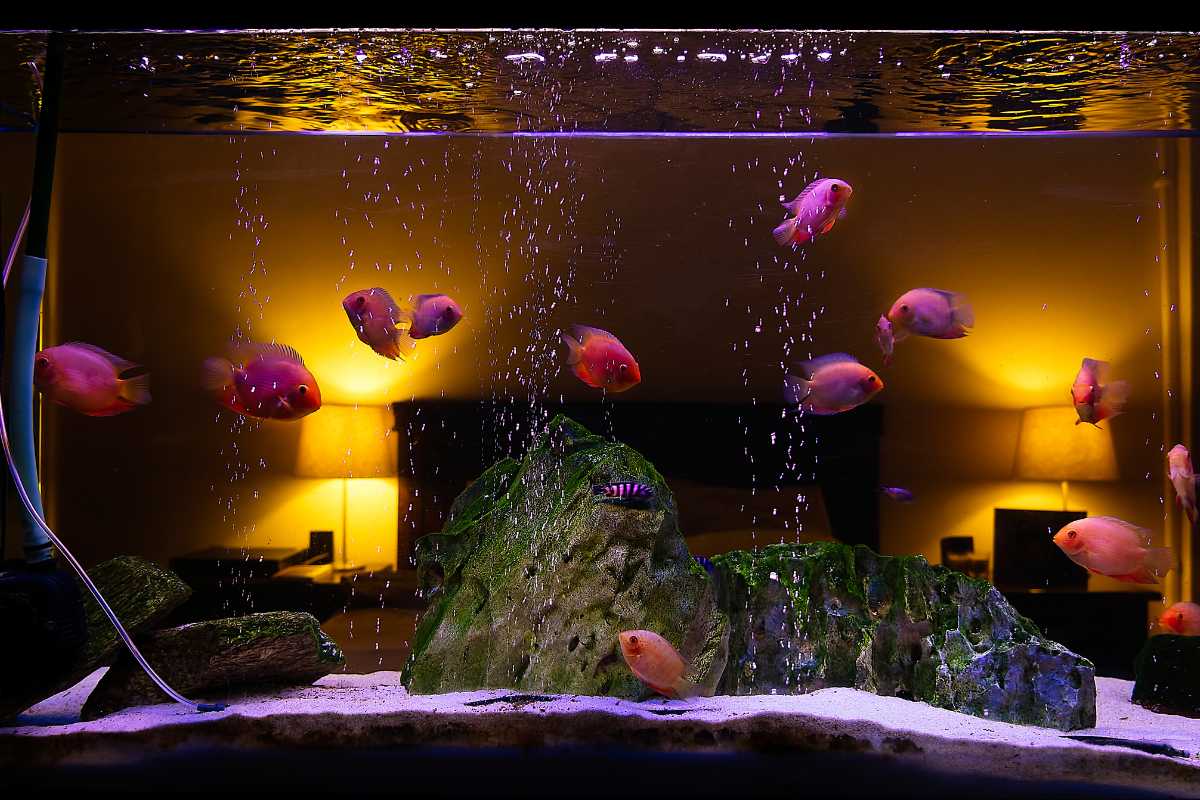
Light powers both plants and algae. Your most powerful lever is not always intensity, but duration. Many community aquariums do best with 6–8 hours of light daily, especially if plant mass is moderate.
If algae begins to push back, shorten the lighting schedule, tidy detritus, and recommit to your water-change rhythm.
A Consistent Lighting Schedule Beats Fancy Gear
A simple timer is a tiny upgrade with huge stability. Choose a window that suits your lifestyle—say 2 p.m. to 9 p.m. so you can enjoy the tank after work—and stick to it.
A predictable photoperiod helps plants adapt and outcompete algae, reduces stress for light-sensitive species, and prevents the “lights on/off whenever” pattern that fuels blooms.
If you later add a dimmer or ramping controller, keep total hours similar to preserve the balance you’ve built.
Reading Algae Like a Message
Algae is feedback, not failure. A bit of green film by week’s end is normal—wipe it during your water change. If you see hair algae or black beard algae spreading, look first at nutrients and photoperiod.
Slightly reduce feeding, ensure 20–30% weekly changes, vacuum debris caught behind hardscape, and keep the schedule steady. As plant mass rises and routines lock in, algae pressure declines without drastic chemicals.
Compatibility & Stocking Sense
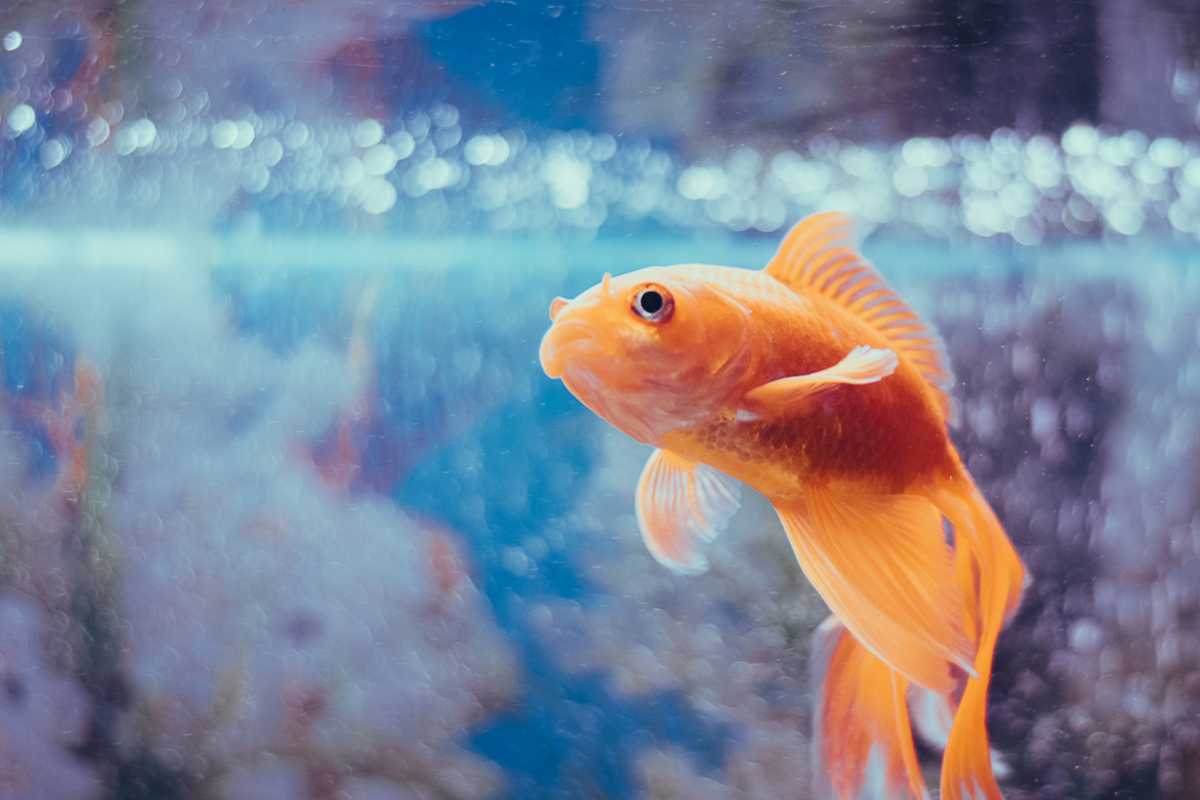
A peaceful community begins with fish that want the same world—similar temperature, temperament, and water chemistry preferences. Stock for the adult size, not the cute juvenile at the store.
Schooling species need actual schools; timid fish need cover on both sides of the tank. The reward is richer behavior and fewer disputes.
Reading Behavior Before Trouble Starts
Your fish narrate the social story. Clamped fins, hiding at feeding time, persistent chasing, nipped fins, or one fish “owning” a corner all day are early warnings.
Try a layout tweak first: add a line-of-sight break, thicken a plant cluster in the hot zone, or slightly adjust wood and rock to reset territories. These small moves often calm a pushy tankmate more effectively than returning fish or buying new gear.
Stocking With the Future in Mind
Before adding new fish, picture your tank three months from now. Will the “small” catfish double in size? Will fast mid-water swimmers overwhelm a shy bottom pair? It’s far easier to under-stock and tune than to rehome later.
Quarantine when possible, maintain modest feeding, and expand plant mass as bioload rises. That patient cadence builds stable water, calm fish, and resilient routines.
Video: Tips from Aquarium Co-Op—Key Takeaways
Educational channels like Aquarium Co-Op keep returning to the fundamentals because good habits compound.
Their core message mirrors this guide: prioritize simple routines over quick fixes, test weekly so you can steer early, and use plants and scape to shape behavior.
A steady lighting schedule, gentle filter care, and realistic stocking achieve far more than chasing miracle products.
Watch with your specific tank in mind, choose one manageable change to implement this week, and schedule the next for a month out. That pacing preserves joy and momentum.
Keep Going: Next Steps for a Healthier Tank
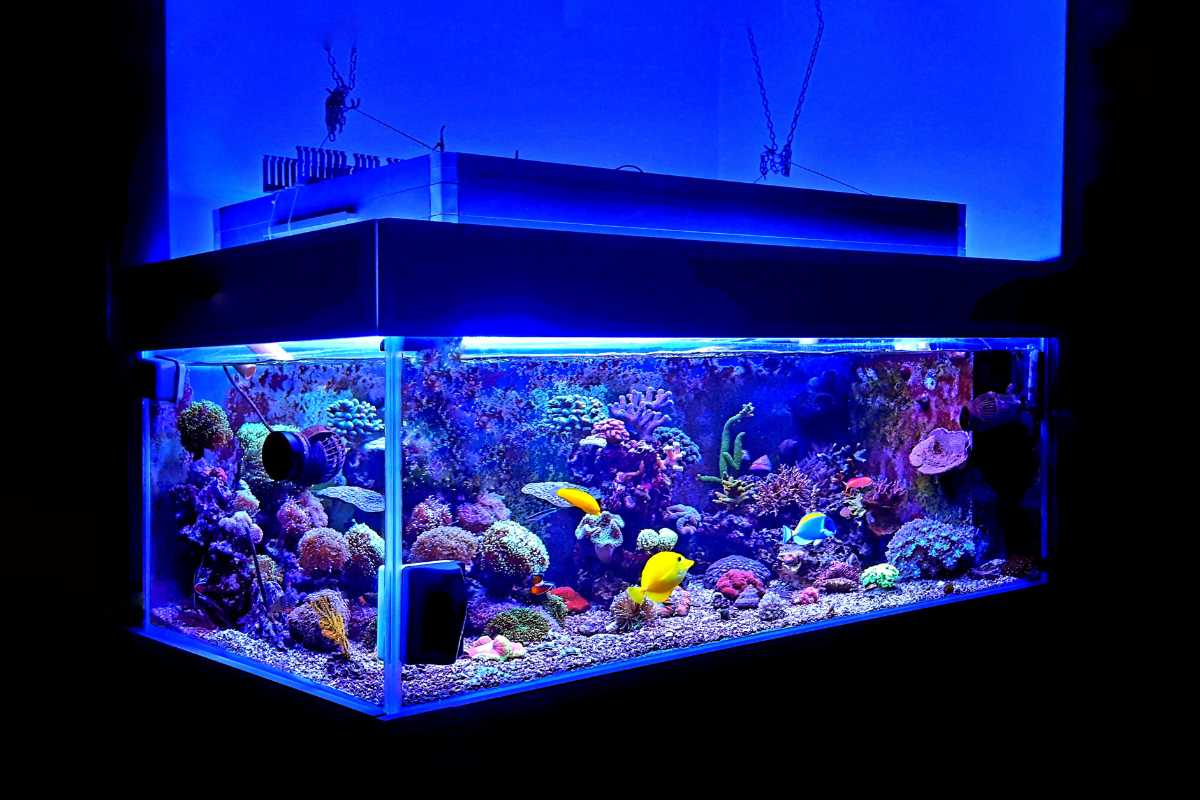
You don’t need an overhaul—just a few habits that stack. This week, add a plug-in timer and lock your lights to 7 hours. Next week, start your Sunday test-and-change routine and log the numbers.
The week after, cluster a few easy plants to create thicker cover and better nutrient uptake. Rinse mechanical media in saved tank water when flow slows, and leave biological media mostly untouched.
These small, repeatable actions make your aquarium clearer, calmer, and easier to care for.
If you’re curious about what to explore next, consider deepening one pillar at a time: a beginner’s tour of aquascaping composition (balance, focal points, negative space), a short guide to water parameter ranges that match your local tap, or a primer on choosing peaceful tank mates for community setups.
Each step adds stability without complexity.
The real secret of a better aquarium isn’t a secret at all—it’s consistency. Give your fish stable layouts, predictable care, and companions that share their world, and they’ll reward you with natural behavior and brilliant color.
Keep it simple, keep it steady, and enjoy how quickly those small choices add up to a healthier, brighter aquarium you love to watch.
Enjoy The Video About Fishes
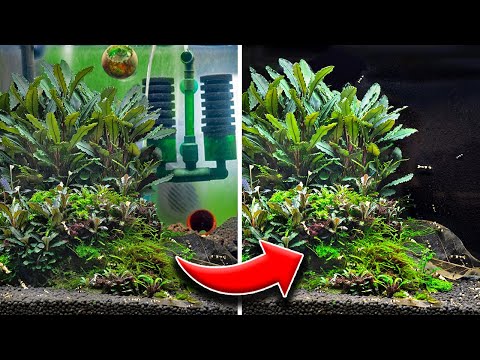
Source: Aquarium Co-Op
Did you find this post useful or inspiring? Save THIS PIN to your Pets Board on Pinterest!

Urbaki Editorial Team is the collaborative byline behind our pet-care guides. Our writers and editors turn evidence and real-life experience into clear, humane advice on training, wellbeing, nutrition basics, and everyday life with animals. Every article is planned, written, and edited by humans, fact-checked against reputable veterinary sources, and updated over time. This is an editorial pen name—see our Editorial Policy. Educational only; not a substitute for veterinary advice.
You may also like