
5 Things That Leopard Geckos Do!


Leopard geckos are unique and fascinating reptiles with distinct behaviors that make them beloved pets for reptile enthusiasts.
While their charming appearance and easy-to-care-for nature make them appealing, their natural instincts and behaviors are just as intriguing.
Understanding these behaviors not only helps owners provide better care but also enhances the bond between pet and owner. In this article, we’ll dive into five essential behaviors of leopard geckos that every pet owner should know.
From their quirky smiles to their impressive tail regeneration, we’ll explore what makes these creatures so captivating.
1. The Leopard Gecko "Smile": A Unique Expression

Leopard geckos are known for their distinctive facial expressions, but one of the most interesting behaviors is what some refer to as their "smile." While it may seem like the gecko is always in a good mood, this expression is actually a result of their physical structure.
The way their mouths are positioned can give the appearance of a permanent smile, which is simply a characteristic of their facial anatomy.
Why Do Leopard Geckos "Smile"?
This behavior isn’t just for show. The “smile” is often accompanied by a relaxed body posture, which indicates that the gecko is comfortable and not stressed.
When your leopard gecko is at ease, it will often exhibit this expression, showing that it feels safe in its environment. As a pet owner, this is a sign that your gecko is content and stress-free.
How to Observe the Smile
To observe this unique behavior, spend some time watching your gecko when it's resting or exploring its enclosure. You'll notice the relaxed expression that comes with its natural behavior.
Be mindful of your gecko's overall well-being, as stress can lead to health problems such as loss of appetite or hiding for extended periods.
2. Tail Regeneration: A Marvel of Nature

One of the most fascinating behaviors of leopard geckos is their ability to regenerate lost tails. This defense mechanism helps them escape predators in the wild, as a gecko can drop its tail to distract a potential threat, allowing it to escape.
While tail regeneration is common among reptiles, the leopard gecko's ability to regrow its tail is especially impressive.
The Process of Regeneration
When a leopard gecko loses its tail, the process of regeneration begins immediately. The tail will grow back, though it may not look exactly the same as the original.
New tail growth will often have a different texture and color, and may not feature the same intricate patterns as the original tail. However, this regenerative ability is a remarkable adaptation to their survival.
How It Affects Your Gecko’s Health
If your leopard gecko drops its tail, it’s important to monitor its health. While the regrowth process is natural, it requires significant energy from the gecko’s body.
Make sure your gecko is well-fed and hydrated to support the regeneration process. Offering a variety of nutritious foods, such as crickets, mealworms, and gut-loaded insects, will help ensure it has the energy to grow a new tail.
3. Hunting and Feeding: Active and Curious Predators

Leopard geckos are insectivores, meaning they hunt and consume live insects in the wild. In captivity, their food is typically provided, but their hunting instincts remain strong.
These geckos are known for their quick reflexes and curiosity when it comes to food.
How Leopard Geckos Hunt
Leopard geckos use a combination of sight, smell, and movement to track down their prey. In the wild, they primarily hunt small insects such as crickets, locusts, and other invertebrates.
In captivity, it’s important to provide live food to encourage their natural hunting behavior. Leopard geckos will stalk their prey before making a quick and accurate strike.
Why Feeding Time is So Important

Feeding time can be a great opportunity for gecko owners to bond with their pets. When feeding your gecko, observe how it interacts with its prey.
You’ll see it stalk, pounce, and catch its food in a way that mimics natural hunting behaviors. This is a great time to enrich your gecko’s environment and stimulate its natural instincts.
Tips for Feeding Leopard Geckos
Variety is Key: Offer a range of insects to provide a balanced diet.
Live Food: Since leopard geckos are natural hunters, feeding live insects helps maintain their hunting instincts.
Gut-Loading: Make sure your feeder insects are well-fed with nutritious food before feeding them to your gecko.
4. Shedding: A Routine, Yet Fascinating Process

Like all reptiles, leopard geckos shed their skin as they grow. Shedding is a normal and healthy process that occurs regularly, particularly during periods of growth.
The process of shedding, also known as ecdysis, involves the gecko sloughing off its old skin to reveal a fresh layer underneath.
How Shedding Occurs
During shedding, leopard geckos will typically display behaviors such as rubbing their bodies against objects in their enclosure. They may appear sluggish or uncomfortable as they prepare to shed.
The skin will often come off in large pieces, revealing the new, clean skin underneath. It’s essential to provide proper humidity in the enclosure to aid this process.
Helping Your Gecko Shed
Ensure your gecko has access to a moist hide or a water dish that it can soak in. Proper humidity levels help soften the skin, making shedding easier.
If you notice any retained shed, particularly around the toes or tail, gently assist your gecko by soaking it in warm water or using a soft cloth to remove the skin.
5. Communication Through Tail Movements: More Than Just a Balance Tool

The tail of a leopard gecko is not only essential for balance and defense but also plays a key role in communication. Leopard geckos use their tails to express a variety of emotions, from excitement to distress.
What Tail Movements Mean
Wagging: A rapid wag of the tail often indicates excitement or curiosity. This is common when a gecko is hunting or exploring its surroundings.
Resting Tail: A relaxed tail typically signals that the gecko is calm and comfortable.
Curled Tail: If a gecko’s tail curls up over its back, it can indicate stress or fear. This is often seen when a gecko is feeling threatened or unsure about its environment.
How Tail Movements Affect Gecko Care
Understanding your gecko’s tail movements can help you interpret its emotional state. For example, if your gecko is wagging its tail rapidly, it’s likely focused on something, such as a potential food source.
On the other hand, if the tail is curled, this could signal that your gecko is feeling stressed and might need some time to calm down.
Conclusion: The Intriguing Nature of Leopard Geckos

Leopard geckos are not only visually captivating but also possess a range of fascinating behaviors that make them unique and engaging pets.
From their signature “smile” to the remarkable ability to regenerate tails, these behaviors help define the gecko’s natural instincts and adaptations.
By understanding and observing these behaviors, gecko owners can ensure they provide a more fulfilling and enriching environment for their pets.
Whether you're a first-time gecko owner or an experienced reptile enthusiast, it’s clear that leopard geckos have much to offer in terms of companionship and natural behaviors.
Their quirky personalities, hunting instincts, and ability to communicate through body language make them truly fascinating creatures to observe and care for.
By taking the time to understand your gecko's natural behaviors, you can become a more informed and caring pet owner.
Remember, the key to a healthy, happy leopard gecko is not only providing the right environment but also recognizing and respecting its instincts.
Enjoy The Video About Reptiles
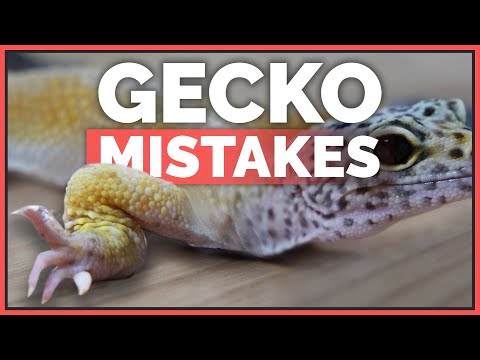
Source: GoHerping
Did you find this post useful or inspiring? Save THIS PIN to your Pets Board on Pinterest!

You may also like