
5 Types of German Shepherd And Their Characteristics


The German Shepherd is one of the most versatile and beloved dog breeds worldwide. Known for their intelligence, loyalty, and strength, these dogs have been used in a variety of roles, from military service to therapy dogs.
But did you know that there are actually different types of German Shepherds, each with unique characteristics?
Whether you're considering adding one to your family or just curious about the breed, this guide will help you understand the differences between them and which one might be the perfect fit for your lifestyle.
The Fascinating Variety of the German Shepherd
The German Shepherd is a breed known for its sharp intelligence, loyalty, and working ability. What most people don’t realize is that there are several distinct types of German Shepherds, each with its own set of traits.
From the high-energy working lines to the calm, family-friendly show lines, choosing the right type can make all the difference in how well the dog fits into your home. Let’s dive deeper into these five types and help you decide which is right for you!

1. Working Line German Shepherd
Working Line German Shepherds are bred for their high energy and drive. These dogs are often used for police work, military service, and as search-and-rescue dogs.
They are incredibly intelligent and require regular physical and mental stimulation. If you lead an active lifestyle or have a job that involves a lot of movement, this type of German Shepherd could be a perfect match.
Key Characteristics:
- High energy levels: Requires frequent exercise and mental challenges.
- Strong work ethic: Extremely focused and loyal.
- Physical appearance: Muscular, with a more utilitarian build.
Working Line German Shepherds are perfect for owners who are active and need a dog to keep up with them. They do well in families with older children or in environments where they can get plenty of stimulation.

2. Show Line German Shepherd
Unlike the Working Line, the Show Line German Shepherd is bred with a focus on conformation and appearance rather than working ability.
These dogs are often seen in dog shows and have a calmer temperament than their working counterparts. They make excellent family pets and companions.
Key Characteristics:
- Calmer temperament: Less demanding in terms of energy.
- Elegant appearance: Longer, more sloped back and refined build.
- Moderate energy levels: Good for families or individuals who enjoy a quieter lifestyle.
If you’re looking for a German Shepherd that’s gentle and sociable, a Show Line German Shepherd may be the right choice. These dogs thrive in environments with moderate activity levels and enjoy spending time with their owners.
3. East European German Shepherd
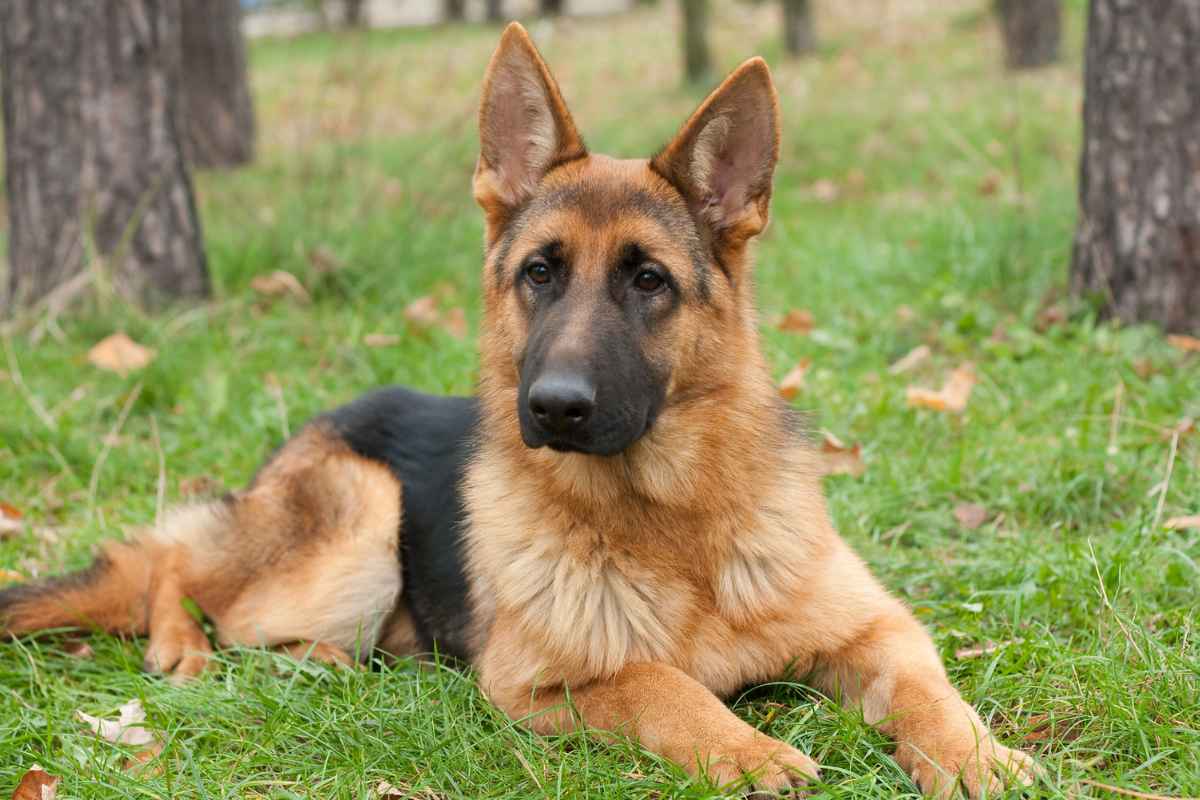
East European German Shepherds were bred for their strong working ability, especially in harsh climates and challenging terrains.
These dogs are known for their resilience and versatility and are often used for military purposes in their native countries. They are more rugged and independent than other types but still loyal and protective.
Key Characteristics:
- Tough and resilient: Adapted to extreme environments.
- Independent: Needs strong leadership but is highly protective.
- Physical appearance: Larger with a well-built, muscular frame.
If you are looking for a German Shepherd with a powerful presence and a strong work ethic, the East European German Shepherd might be ideal. These dogs do best with experienced dog owners who can provide structure and leadership.

4. West German Working Line Shepherd
The West German Working Line Shepherd is a balance between the working and show lines. These dogs are bred for their working abilities but also have the physical traits of show dogs.
They make excellent pets for active families or individuals who want a dog that’s both intelligent and protective but not overly intense.
Key Characteristics:
- Balanced temperament: Good for families with active lifestyles.
- Strong working ability: Often used in various jobs like police work and search-and-rescue.
- Physical appearance: Athletic, with a more balanced build.
These dogs are ideal for someone who wants a dog that is capable of both being a loving family companion and a skilled working dog. They’re highly trainable and can excel in obedience, agility, and various jobs.

5. King Shepherd
The King Shepherd is a larger, more robust version of the German Shepherd. This breed is known for its size, strength, and calm demeanor, making it ideal for families or individuals looking for a more laid-back yet protective dog.
While they are still German Shepherds, they have a more gentle nature and require less intense exercise than other types.
Key Characteristics:
- Larger build: Bigger than standard German Shepherds.
- Calm and laid-back: Perfect for a relaxed household.
- Loyal and protective: Still maintains the German Shepherd’s protective instincts.
If you're seeking a German Shepherd with a more gentle nature and a larger size, the King Shepherd could be a perfect fit. They adapt well to calm environments but still have the protective instincts that make them an excellent guard dog.
Choosing the Right German Shepherd for You
Each of the five types of German Shepherds offers unique traits that make them suited for different lifestyles and needs.
Whether you’re looking for a high-energy dog to keep up with your active lifestyle, a calm companion for your family, or a strong working dog, there's a German Shepherd type for everyone.
If you’re still unsure about which type of German Shepherd is best for you, consider visiting breeders or local rescue organizations to learn more about the dogs’ personalities and needs.
Choose wisely, and you’ll find a loyal companion who will be by your side for years to come.
Enjoy This Video About German Shepherd
Source: Amazing Dogs
Did you find this post useful or inspiring? Save THIS PIN to your Pets Board on Pinterest!

You may also like