
All About How to Care for an Axolotl


The axolotl (Ambystoma mexicanum), a remarkable aquatic creature native to lakes in central Mexico, is known for its ability to regenerate limbs, spinal cord, heart, and even parts of its brain.
This fascinating amphibian is not only famous for its regenerative powers but also for its peaceful nature, making it a popular pet for aquarium enthusiasts.
However, owning an axolotl requires careful planning and attention to detail to ensure that its unique needs are met.
This comprehensive guide will provide you with everything you need to know about how to care for an axolotl successfully, from setting up its habitat to understanding its dietary and health requirements.
Setting Up the Perfect Habitat for Your Axolotl
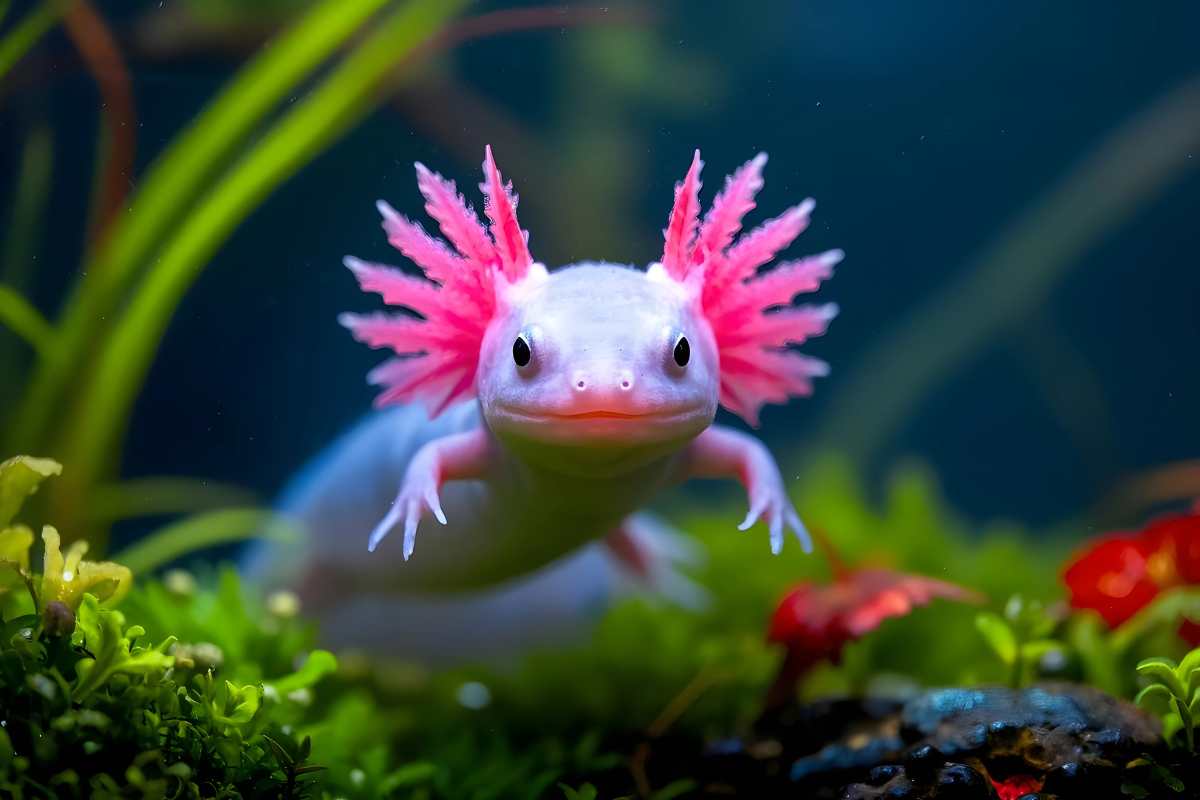
Creating the ideal environment for your axolotl is the most important part of their care. Without the right conditions, axolotls can suffer from stress and health problems.
Tank Size and Dimensions
Axolotls are larger than most aquarium pets and require ample space to thrive. The minimum tank size for a single axolotl is 60 liters (approximately 15 gallons).
If you plan to house more than one axolotl, increase the tank size by an additional 30–40 liters per axolotl to prevent overcrowding.
Axolotls can grow up to 30 cm (12 inches), so a long tank with horizontal space is better than a taller, more narrow tank.
For a single axolotl, a 60-liter tank is the minimum requirement.
For multiple axolotls, opt for 80-100 liters or more, depending on the number of axolotls.
Water Quality: The Lifeblood of Your Axolotl’s Habitat
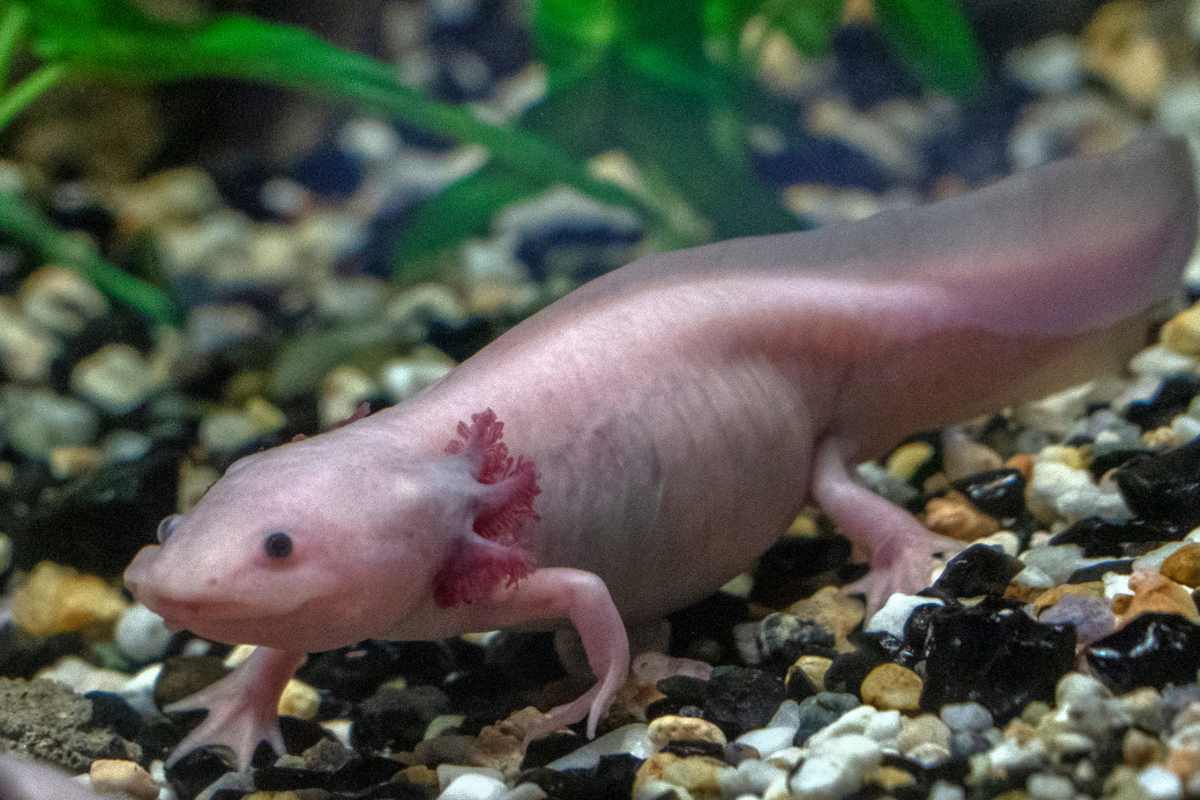
Axolotls are very sensitive to water quality. Maintaining the right parameters in the tank is critical for their survival and overall well-being.
Water Temperature
Axolotls are cold-water animals and do not tolerate high temperatures. The ideal water temperature should be kept between 16°C and 18°C (60°F to 64°F).
Temperatures above 22°C (72°F) can cause stress and lead to health problems such as skin infections and respiratory distress.
If you live in a warmer climate, you may need a water chiller or fan system to keep the water cool.
Optimum Temperature: 16°C–18°C (60°F–64°F)
Dangerous Temperature: Above 22°C (72°F) can stress the axolotl.
Water pH
The ideal pH range for axolotls is between 6.5 and 8.0. A slightly acidic to neutral pH is most comfortable for them. You can use a pH test kit to monitor the water's pH regularly.
Ammonia, Nitrite, and Nitrate Levels
Axolotls are highly sensitive to toxic substances in the water. Ammonia and nitrites are especially harmful, so it is important to cycle your tank before introducing your axolotl.
Ammonia: Should be 0 ppm (parts per million).
Nitrites: Should be 0 ppm.
Nitrates: Should be below 20 ppm.
Regular water changes of 20–30% every week will help maintain a healthy environment.
Filtration
An appropriate filtration system is essential for maintaining water quality.
However, axolotls do not like strong water currents, so use a gentle filter that doesn’t disturb the substrate or create too much movement. A sponge filter is often a good choice for axolotls.
Substrate and Decorations
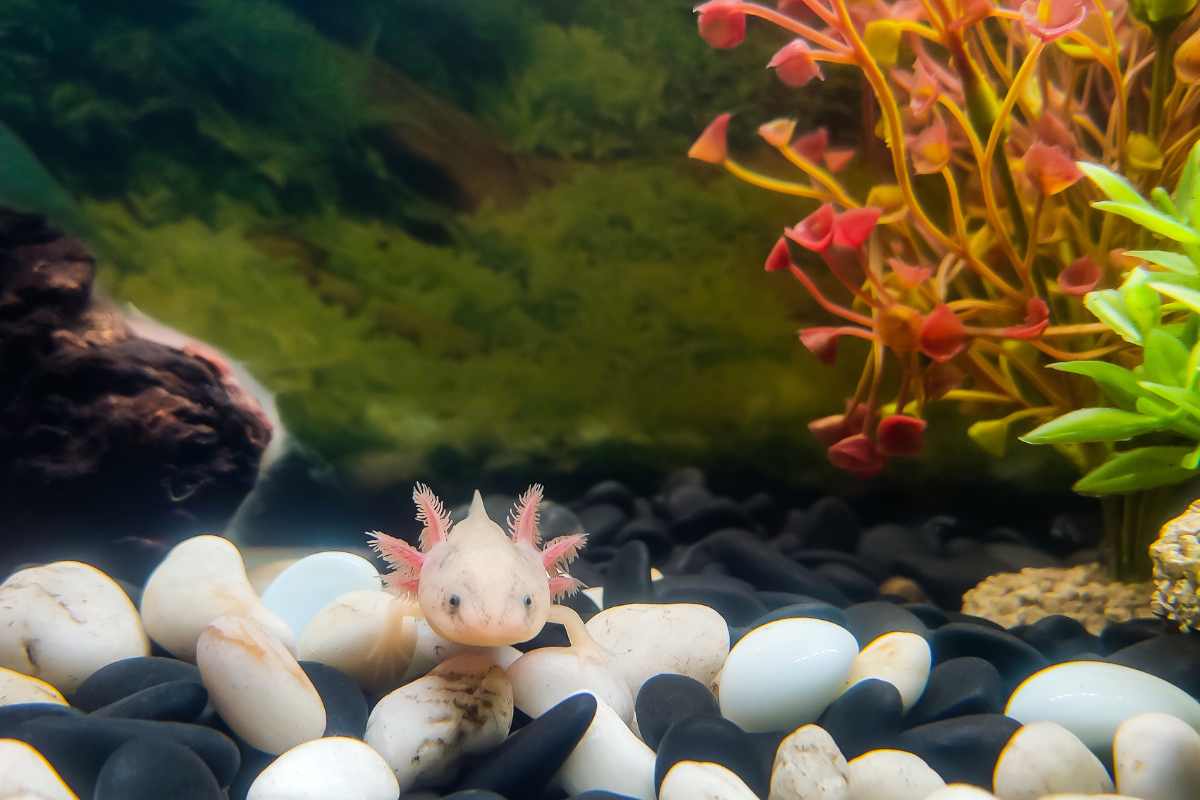
The substrate you choose for the tank is important because axolotls may accidentally ingest particles, which can lead to digestive problems.
Avoid using gravel as substrate, as axolotls may swallow it. Instead, use fine sand or have a bare-bottom tank.
Safe Substrate: Fine sand or bare-bottom tank.
Avoid: Gravel, as it can cause impaction.
Add decorations such as rocks, plants, and hiding spots to provide your axolotl with an enriching environment. Axolotls are shy creatures, and having places to hide helps them feel secure.
Feeding Your Axolotl: A Carnivorous Diet
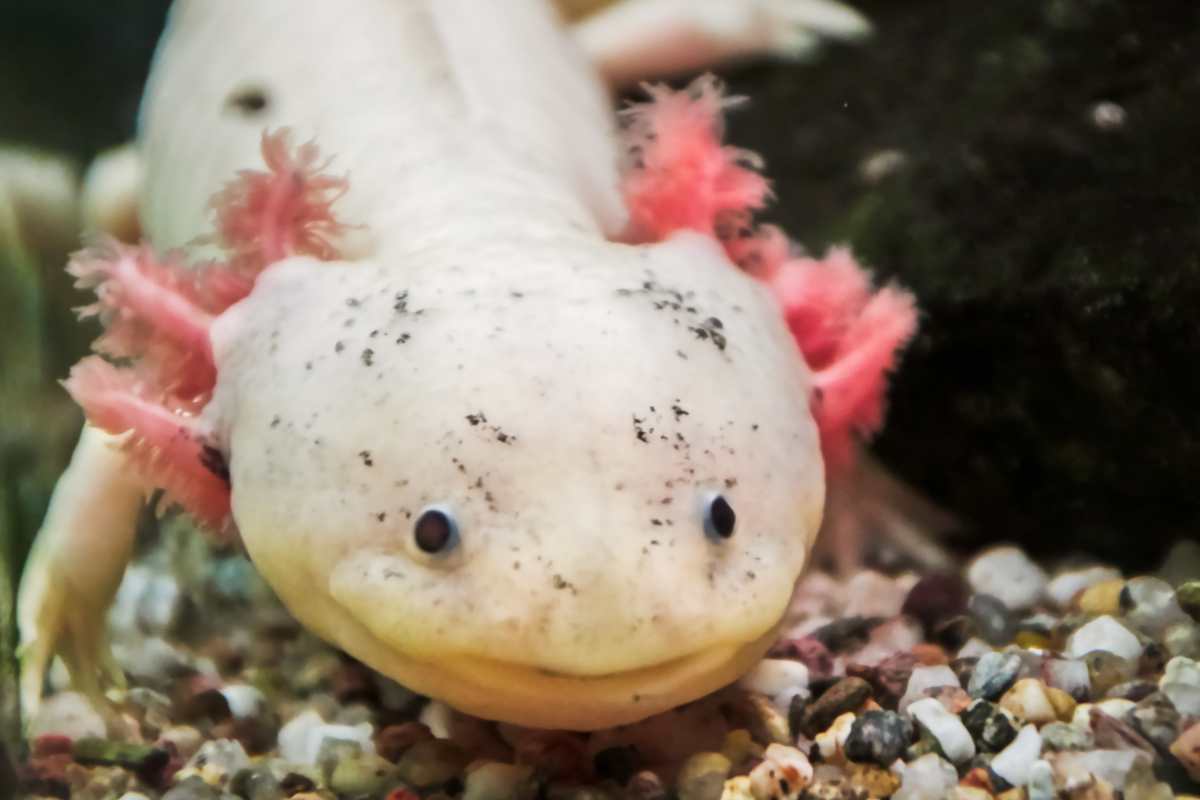
Axolotls are carnivores, and their diet consists primarily of protein-rich foods. They do not have a highly specialized diet but require a mix of live and prepared foods.
Types of Food for Your Axolotl
Live Food: The best live food options for axolotls include earthworms, bloodworms, blackworms, and small aquatic invertebrates. These provide the protein and nutrients needed for growth.
Frozen Food: You can also feed them frozen foods like bloodworms, daphnia, or brine shrimp.
Pellets: There are specialized pellets made for axolotls that provide a balanced diet. Make sure the pellets are high in protein and designed for carnivorous amphibians.
Feeding Frequency
Young Axolotls: They should be fed every day to ensure they grow properly.
Adult Axolotls: Can be fed every 2–3 days. Avoid overfeeding, as axolotls are prone to becoming overweight.
Portion Control: Offer food in amounts your axolotl can finish in 10-15 minutes to prevent overfeeding.
Temperature Management: Keeping Your Axolotl Comfortable
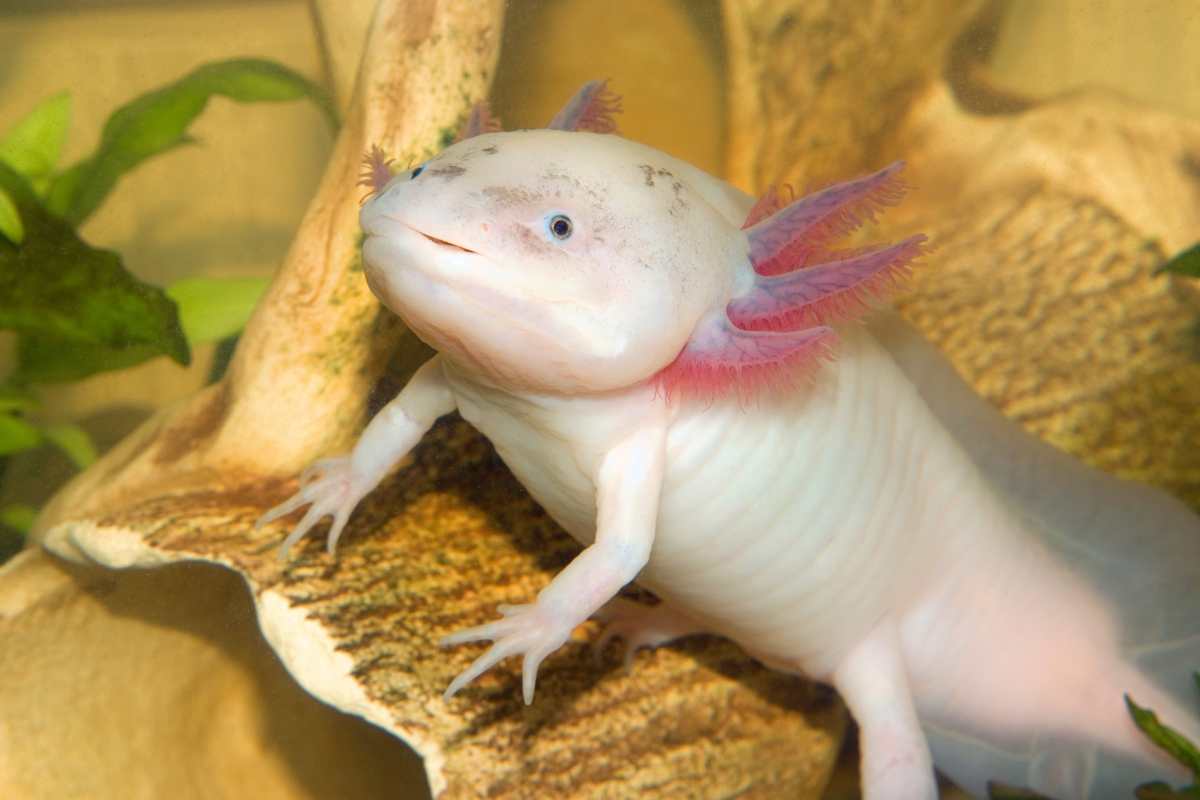
Maintaining an appropriate water temperature is essential to axolotl health.
If the water temperature fluctuates or exceeds the safe range, it can cause stress, weaken their immune system, and lead to health issues such as skin lesions or respiratory problems.
How to Regulate Water Temperature
Water Chillers: If the room temperature is consistently high, invest in a water chiller. These devices lower the water temperature and maintain it at a steady, cool level.
Fans: You can also use aquarium fans to circulate the air above the water’s surface, helping to cool the water in the summer.
Aquarium Heaters: Avoid using heaters, as they can heat the water too much for axolotls.
Signs of Heat Stress
If your axolotl is exposed to water that is too warm, you may notice:
Increased activity (axolotls are more active in warmer water).
Decreased appetite.
Abnormal swimming behavior.
Handling Your Axolotl
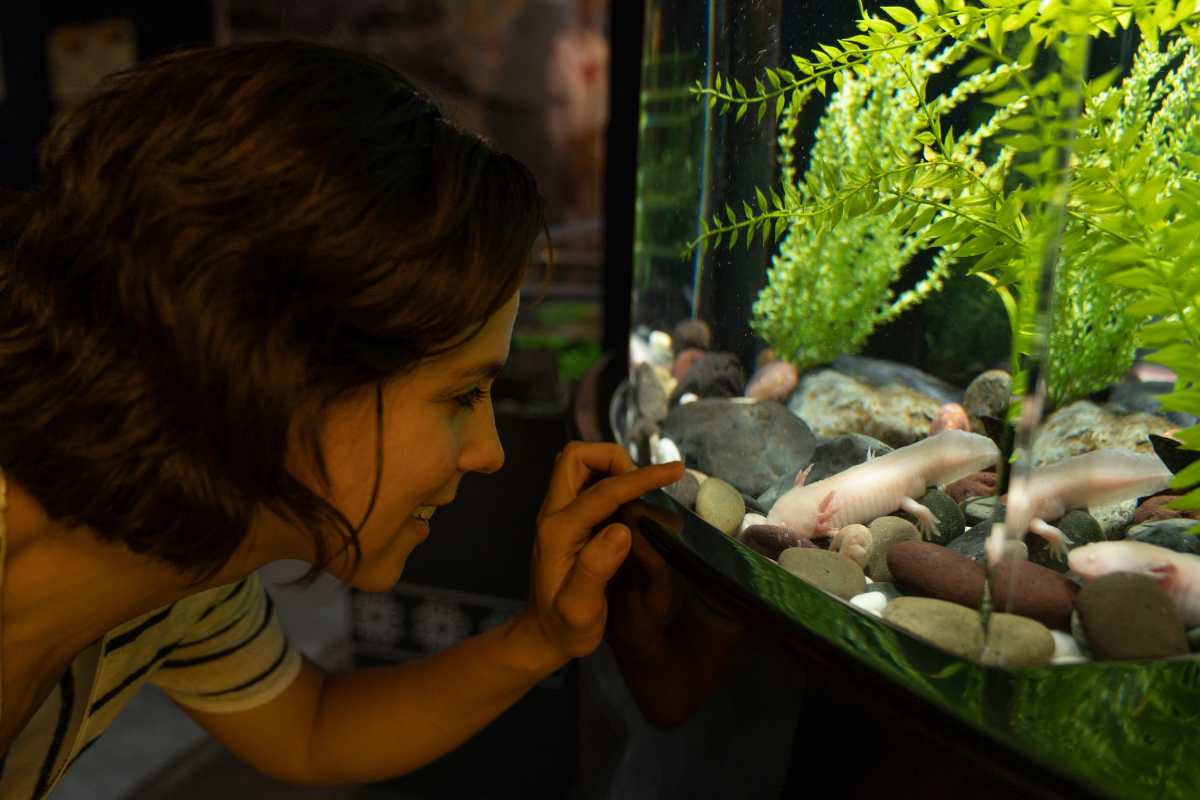
Although axolotls may seem cute and harmless, it is not recommended to handle them frequently. Their skin is highly permeable, meaning it can absorb contaminants and chemicals from your hands, which can be harmful to them.
Why Not to Handle Your Axolotl
Skin Sensitivity: Axolotls have delicate skin that can absorb chemicals from your hands, which can cause skin irritation or infections.
Stress: Handling can cause stress, which is detrimental to their health.
Physical Damage: Excessive handling can also lead to injury, as they are not built for interaction with humans.
How to Observe Your Axolotl
Rather than handling your axolotl, enjoy watching it swim and interact with its environment. They can be quite entertaining to observe, and it's a much safer and healthier way to engage with them.
Common Diseases and Health Issues
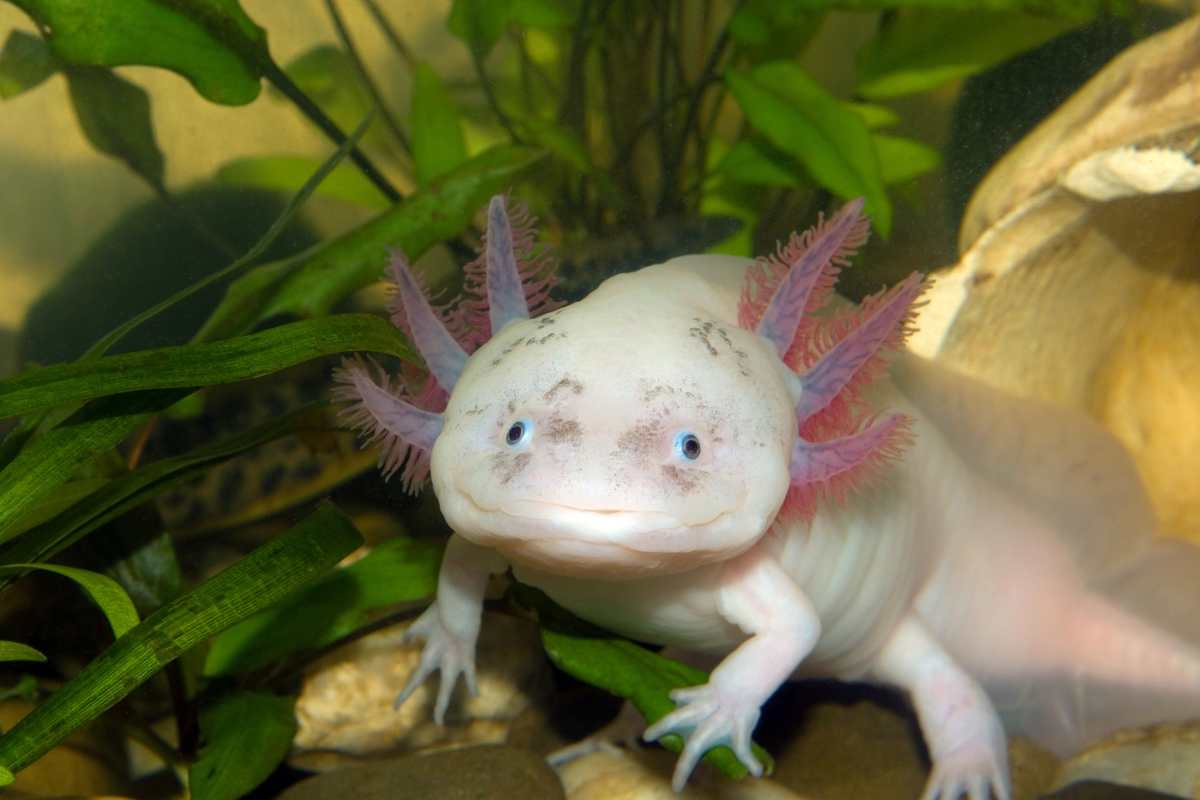
Axolotls, although relatively hardy, can suffer from various diseases if their environment is not properly maintained. Understanding common issues and how to prevent them is crucial.
Bacterial Infections
Bacterial infections are often caused by poor water quality or wounds. Signs of infection include red or inflamed skin, swelling, and open sores. To prevent bacterial infections:
Keep the water clean with a proper filtration system.
Quarantine new axolotls before introducing them to an established tank.
Avoid overfeeding, as uneaten food can lead to bacterial growth.
Fungal Infections
Fungal infections appear as white, fuzzy patches on the skin of your axolotl. These can be caused by poor water conditions or stress. Treatment includes:
Salt baths (dissolve aquarium salt in water) to treat fungal infections.
Consult with a veterinarian for antifungal treatments if necessary.
Stress
Stress can significantly impact your axolotl’s immune system. Symptoms of stress include:
Refusal to eat.
Unusual swimming behavior (e.g., floating at the surface or hiding excessively).
To reduce stress, ensure your axolotl's tank is at the right temperature, has adequate space, and is free from sudden changes or disturbances.
Breeding Axolotls: A Challenging but Rewarding Process
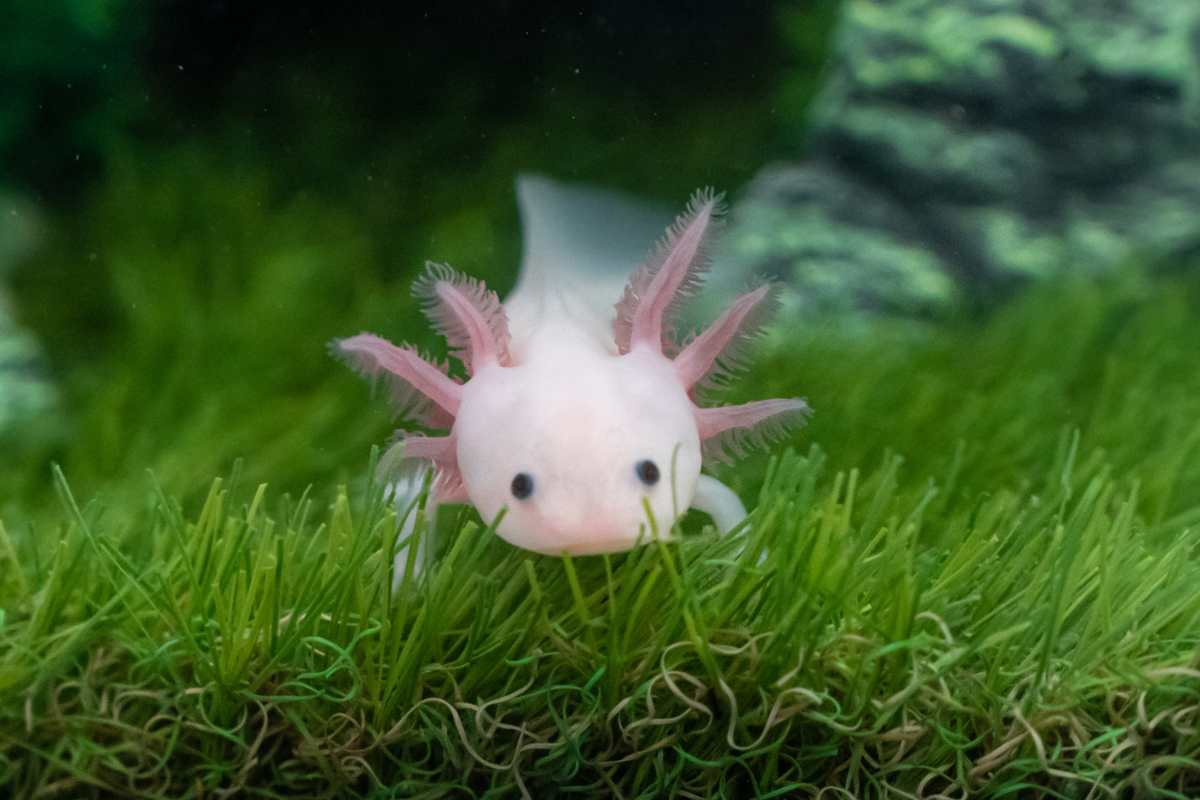
Breeding axolotls can be a fascinating experience, but it requires patience and specific environmental conditions.
Breeding Conditions
To trigger breeding in axolotls:
Lower the temperature to about 15°C (59°F) for a few weeks to mimic the cooler winter months.
Provide suitable hiding spots and a large tank to accommodate both males and females.
Eggs and Larvae
After mating, the female will lay hundreds of eggs, which will hatch in approximately 2–3 weeks. The larvae will require special care and attention:
Provide infusoria or microworms for the larvae to eat.
Monitor the water quality to ensure healthy development.
Conclusion: Ensuring the Best Care for Your Axolotl
Caring for an axolotl requires dedication and attention to detail. By maintaining proper water conditions, feeding a balanced diet, and ensuring a stress-free environment, your axolotl can live a long, healthy life.
Remember that axolotls are delicate creatures that thrive in well-maintained, cool aquatic environments.
Whether you're a beginner or an experienced aquarium enthusiast, providing the best care for your axolotl will ensure a rewarding and enjoyable experience.
Enjoy This Video Tutorial About Axolotl
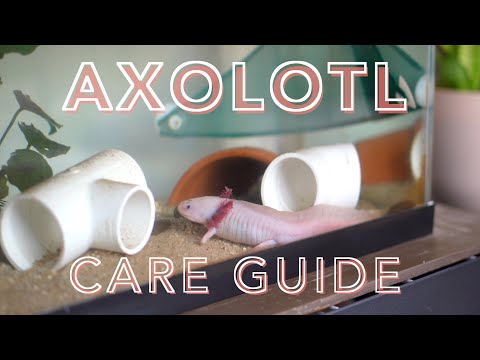
Source: The Turtle Girl
Did you find this post useful or inspiring? Save THIS PIN to your Pets Board on Pinterest! 😊

You may also like