
Angelfish - The Ideal Species for your Aquarium


Angelfish are a stunning and popular species in the aquarium world. With their unique shape, beautiful fins, and vibrant colors, they make an eye-catching addition to any tank.
Whether you're a beginner or an experienced aquarium enthusiast, angelfish can thrive in a well-maintained environment, making them an excellent choice for any aquarium.
However, before adding this majestic species to your tank, it’s essential to understand their care requirements to ensure they remain healthy and happy.
Why Choose Angelfish for Your Aquarium?

Angelfish are not only beautiful but also highly adaptable, making them perfect for various types of aquariums.
Their elegant, flat, diamond-shaped bodies and graceful fins allow them to swim through the water with ease, and their peaceful nature (when not threatened) makes them great companions for other fish.
Their vibrant colors range from soft yellows and oranges to deeper shades of blue, silver, and black, depending on the variety.
These fish can bring life and color to your aquarium, but they do require specific care to maintain their health and vibrancy.
Choosing the Right Aquarium Size
Angelfish are medium to large-sized fish, and they need enough space to swim and grow comfortably. It’s crucial to provide them with an adequate tank size to ensure their well-being.
For a single angelfish, the minimum tank size should be 110 liters (29 gallons).
For a small group of angelfish, a tank size of 200 liters (55 gallons) is recommended.
Additionally, angelfish prefer tall aquariums because their body shape is vertical, which allows them to swim up and down with ease. Tanks that are too short can restrict their movement and cause stress.
Water Parameters: Keeping Your Angelfish Healthy

Angelfish are relatively hardy but still require specific water conditions to thrive. Maintaining proper water parameters is essential for their overall health.
pH: Aim for a range of 6.5 - 7.5.
Temperature: A steady temperature between 24°C - 28°C (75°F - 82°F) is ideal.
Water Hardness (GH): Keep the water between 3° - 10° dGH for optimal health.
To maintain these parameters, it is essential to monitor water quality regularly and perform weekly water changes to keep the environment clean. Ensure the tank has a high-quality filtration system that will remove debris and maintain water clarity.
Angelfish Diet: What to Feed Them?
A balanced and varied diet is vital for keeping your angelfish in top condition. While they are omnivores, they require both plant-based and animal-based foods to meet their nutritional needs.
Best food options for angelfish include:
High-quality pellet food designed for freshwater fish, particularly for cichlids.
Live or frozen foods, such as brine shrimp, bloodworms, and daphnia, which provide essential proteins.
Vegetables, like blanched spinach, peas, and spirulina, which offer necessary vitamins and minerals.
Feed your angelfish once or twice a day, ensuring that they consume all food within a few minutes to avoid water contamination. It’s important to avoid overfeeding, as this can lead to water quality issues and obesity.
Tank Mates: Who Can Live with Angelfish?
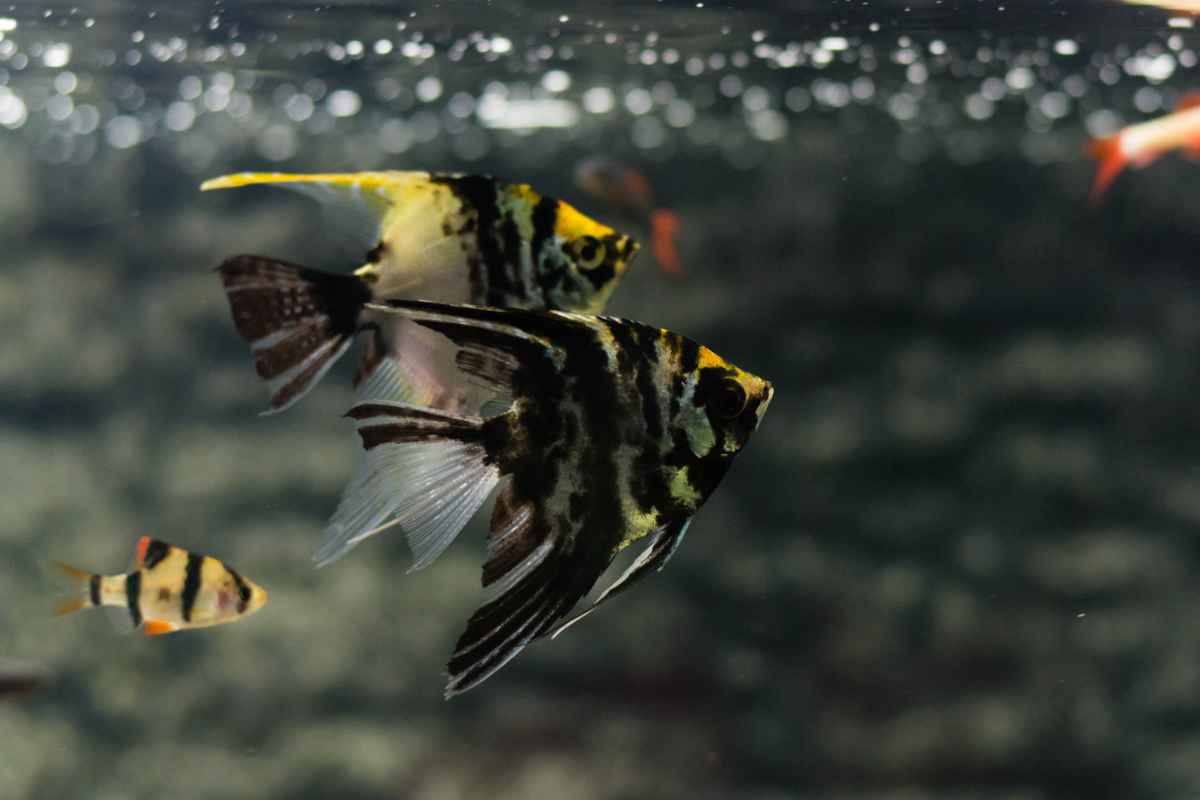
Angelfish are generally peaceful, but they can be territorial, especially during breeding. They are best suited to tanks with non-aggressive fish that won’t compete for food or invade their personal space.
Good tank mates for angelfish include:
Tetras: Larger tetras, such as neon tetras and cardinal tetras, make great companions.
Corydoras catfish: Peaceful bottom dwellers that will not disturb the angelfish.
Rasboras: These active fish can live well with angelfish, offering movement and color in the tank.
Avoid keeping angelfish with smaller fish like guppies, as they may become prey, or with overly aggressive species that could bully the angelfish. Always ensure that all tank mates are compatible in terms of water requirements, temperament, and size.
Maintaining a Healthy Environment

Keeping your angelfish healthy means creating an environment that mimics their natural habitat. In the wild, angelfish are found in the slow-moving rivers of the Amazon, where they enjoy plenty of plant cover and water with gentle flow. Here are some essential tips for maintaining a healthy environment:
Live plants: Angelfish enjoy having hiding spots and shaded areas, so aquatic plants like Java fern and Anubias are perfect for them.
Substrate: A soft, fine gravel or sand substrate will prevent injury to the angelfish’s delicate fins.
Lighting: Keep the lighting moderate. Too much direct light can stress the fish and encourage algae growth.
Angelfish also require plenty of space to swim, so ensure your tank is well-maintained, with plenty of room for them to move freely.
Breeding Angelfish: What You Need to Know

Breeding angelfish in captivity is possible, though it can be challenging for beginners. Angelfish are monogamous, meaning they typically form long-term pairs. To breed angelfish, you need to provide a stable, well-maintained tank with a flat surface where the female can lay her eggs.
Tips for successful breeding:
Provide a separate breeding tank to avoid aggression from other fish.
Ensure the water temperature is slightly elevated to 28°C (82°F), which encourages breeding.
Make sure the pair is healthy and well-fed before attempting to breed.
Once the female lays her eggs, the male fertilizes them. The parents will guard the eggs until they hatch into fry. These fry will need special care, including feeding them infusoria or liquid fry food until they are large enough to accept crushed flakes.
Common Health Issues in Angelfish
Angelfish are relatively hardy, but they can suffer from common freshwater fish diseases, including:
Ich (white spot disease): A parasitic infection that causes white spots on the fish’s skin. It’s highly contagious, and treatment with copper-based medications or increased water temperature is required.
Fin rot: Often caused by poor water quality, fin rot can be treated with antibiotics.
Internal parasites: Ensure your angelfish’s diet is varied and nutritious to prevent internal parasites.
Regular monitoring and prompt action can prevent most diseases, so it’s important to keep a close eye on your fish.
Conclusion: Bringing Angelfish into Your Tank
Angelfish are an excellent choice for both novice and seasoned aquarium owners, offering beauty and grace to your tank.
By providing them with the right environment, diet, and companions, you can ensure that they thrive and add elegance to your aquatic setup.
If you're ready to bring an angelfish into your home, make sure to carefully plan your aquarium setup, keeping their specific needs in mind. Whether you're introducing a single angelfish or a small group, these stunning fish will undoubtedly become the centerpiece of your aquarium.
Get your angelfish today and create the perfect environment for them to flourish!
We hope you enjoy this video about the characteristics and care of angelfish

Source: KeepingFishSimple
Did you find this post useful or inspiring? Save THIS PIN to your Pets Board on Pinterest! 😊

You may also like