
Aquarium Harmony: Discover the Top 10 Community Fish for Your Tank!


A thriving community tank is all about compatibility, consistency, and a little restraint. The fish below are popular, hardy, and reliably peaceful when their basic needs are met.
For each species you’ll find a quick snapshot of minimum tank size, schooling needs, and water preferences, plus practical notes on temperament and care.
Use these profiles to design a calm, vibrant setup that’s beginner-friendly and easy to maintain.
Quick tip before you start: stable water parameters matter more than chasing perfect numbers. Cycle the tank, choose species that like similar temperature and GH/KH, and quarantine newcomers whenever possible.
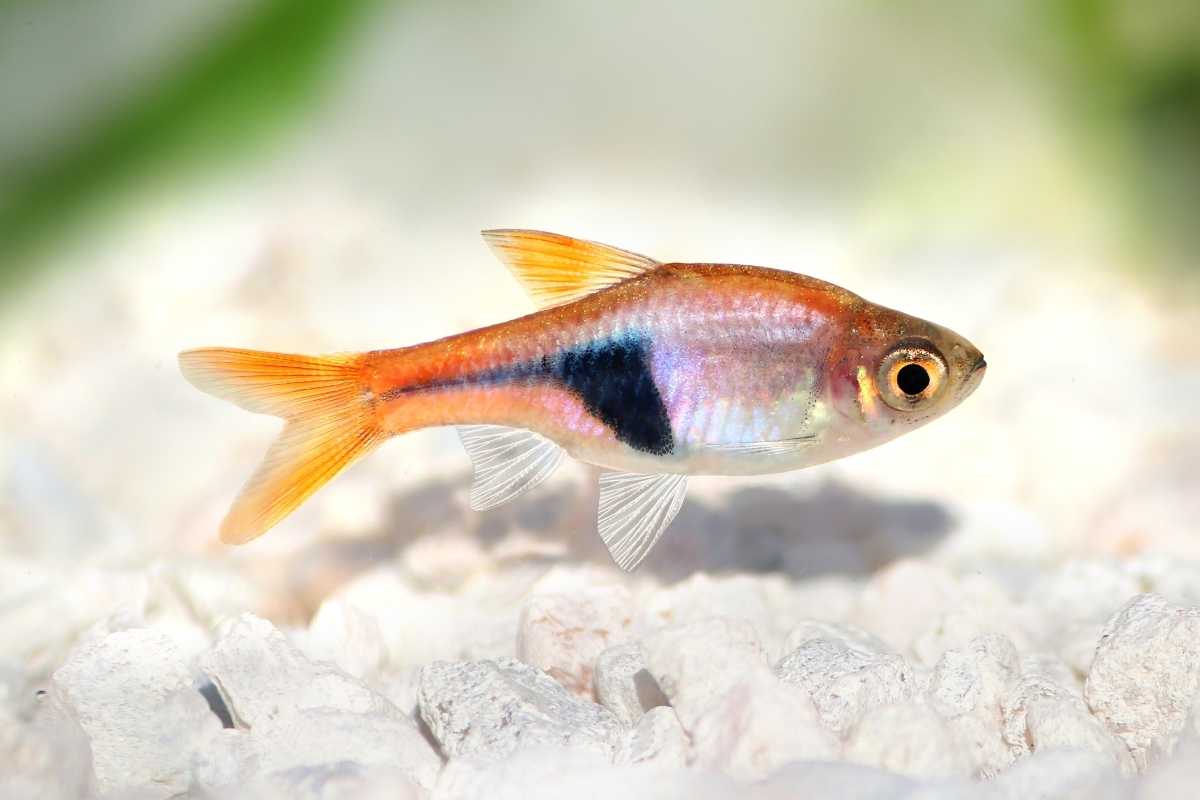
Harlequin Rasbora (Trigonostigma heteromorpha)
Quick View
Adult size: ~2 in (5 cm) • Minimum tank: 20 gal / 75 L • Group: 8–10+ schooling fish • Level: Midwater • Temp: 73–81°F (23–27°C)
Temperament & Tankmates
Harlequins are quintessential peaceful freshwater fish. In a proper school they glide together and ignore tankmates. They pair beautifully with small tetras, corydoras, and gentle centerpiece fish like a pearl gourami.
Care Notes
Soft, slightly acidic to neutral water suits them best, but they adapt well if changes are slow. A dark substrate and plants bring out their copper-rose color.
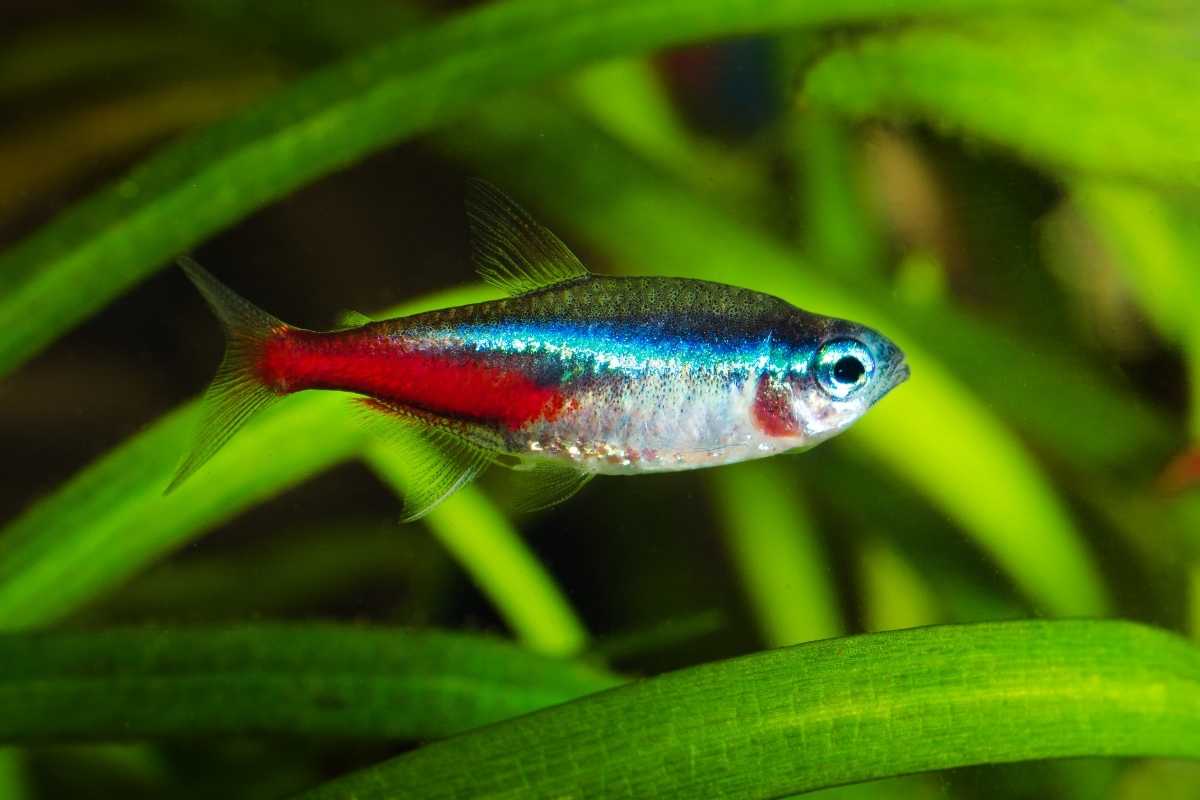
Neon Tetra (Paracheirodon innesi)
Quick View
Adult size: ~1.5 in (3.5 cm) • Minimum tank: 15 gal / 55 L • Group: 10+ • Level: Midwater • Temp: 72–79°F (22–26°C)
Temperament & Tankmates
Neons are classic community fish that shine in mid-sized schools. Keep with other small, non-nippy species—harlequins, corys, platies. Avoid boisterous or large fish.
Care Notes
They do best in mature, stable tanks with gentle flow and subdued light. Soft, slightly acidic water enhances color and longevity.
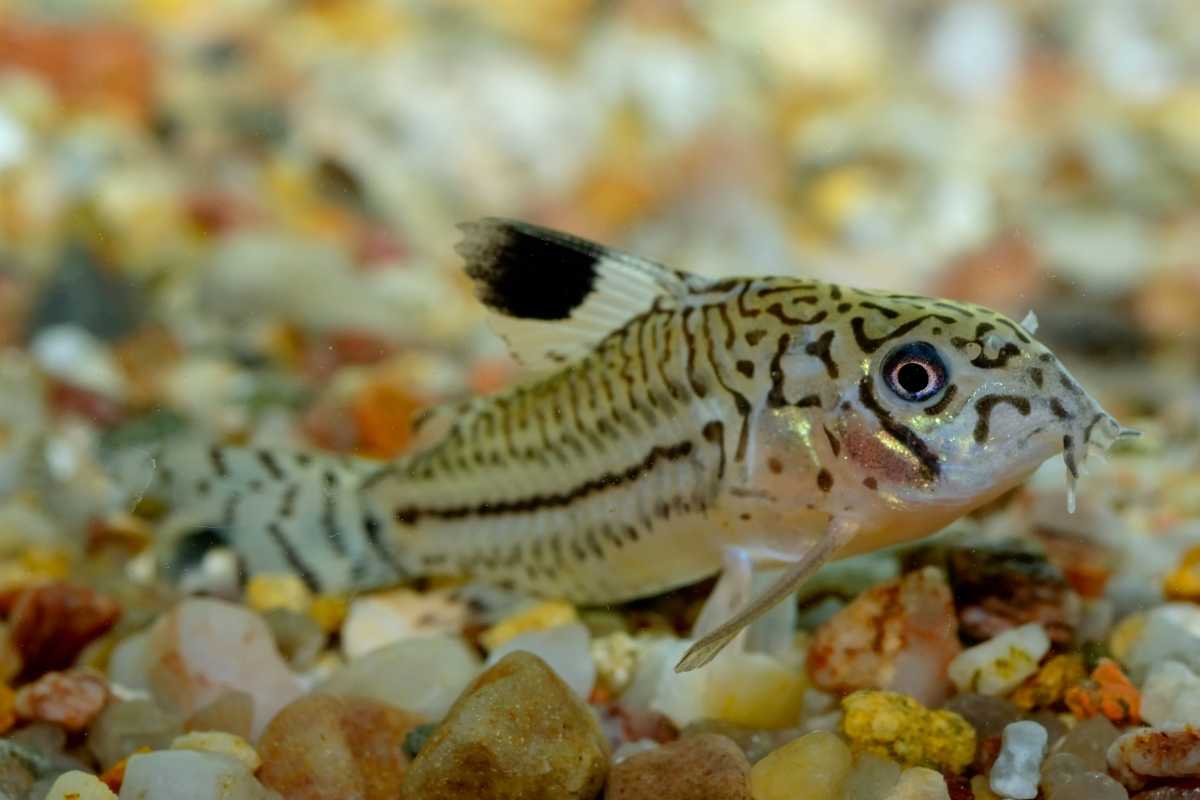
Corydoras Catfish (Corydoras spp.)
Quick View
Adult size: 2–3 in (5–7.5 cm) • Minimum tank: 20 gal / 75 L • Group: 6+ • Level: Bottom • Temp: 72–79°F (22–26°C)
Temperament & Tankmates
Endlessly social and harmless, corys complete a peaceful community by keeping the bottom lively and non-territorial. They mix safely with nearly all small schooling fish.
Care Notes
Use fine sand or very smooth gravel to protect their barbels. Feed them directly with sinking wafers and frozen foods—they are not “cleanup crews” and still need real meals.
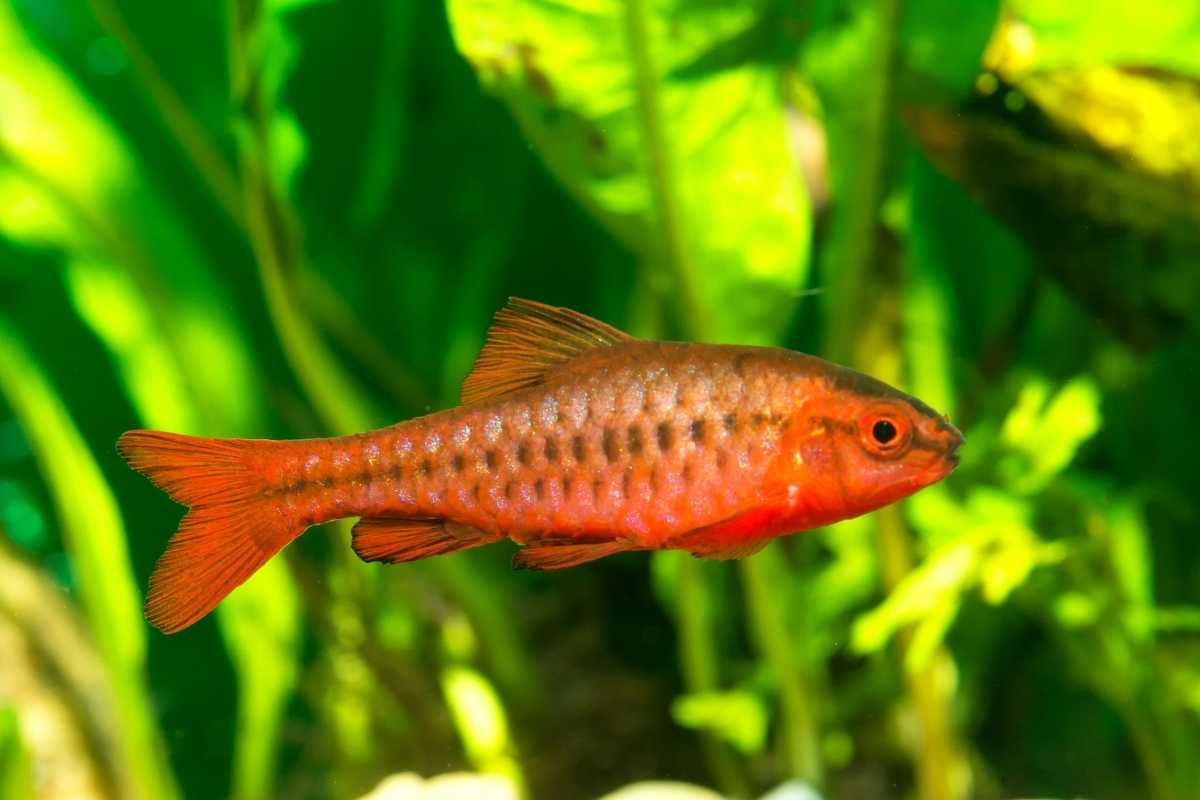
Cherry Barb (Puntius titteya)
Quick View
Adult size: ~2 in (5 cm) • Minimum tank: 20 gal / 75 L • Group: 6+ • Level: Mid/low • Temp: 73–81°F (23–27°C)
Temperament & Tankmates
Cherry barbs are gentle for barbs. In a group they spread out and display rich color without harassing neighbors. Great with rasboras, tetras, and corys.
Care Notes
Provide plants and wood for cover. A balanced sex ratio or more females than males reduces chasing during displays.
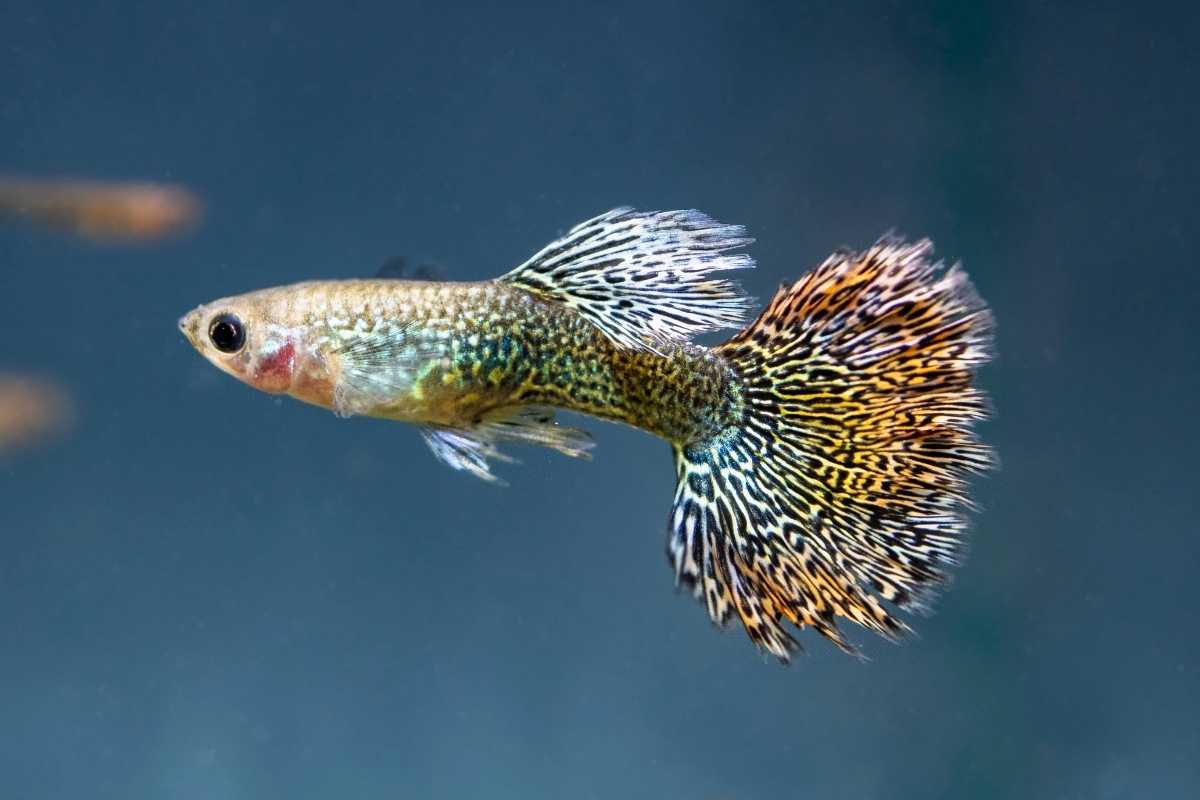
Guppy (Poecilia reticulata)
Quick View
Adult size: 1.5–2 in (4–5 cm) • Minimum tank: 15 gal / 55 L • Group: Small groups (ideally 1 male : 2–3 females) • Level: Top • Temp: 72–82°F (22–28°C)
Temperament & Tankmates
Active, colorful, and unfussy, guppies thrive with platies, small rasboras, and corys. Avoid nippy species that might target flowing tails.
Care Notes
Prefer slightly harder, alkaline water. If you don’t want fry, keep an all-male group or plan ahead—guppies are prolific.
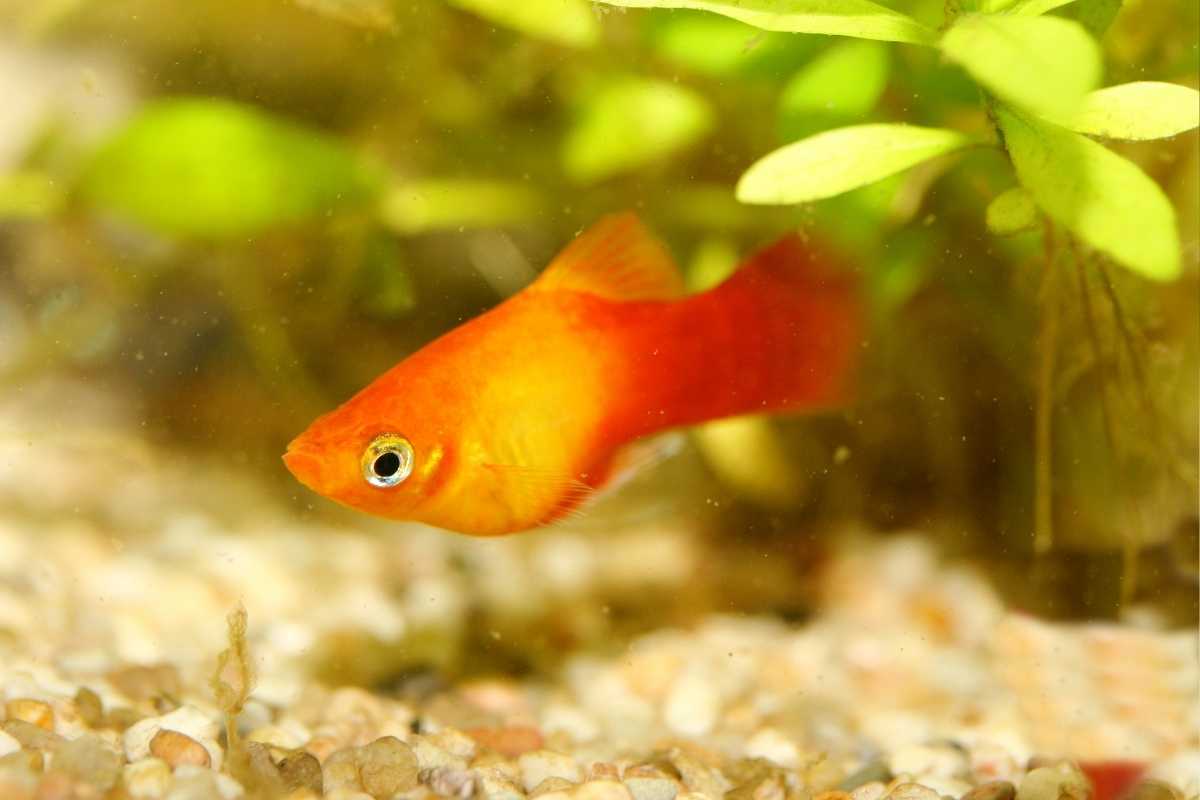
Platy (Xiphophorus maculatus)
Quick View
Adult size: 2–2.5 in (5–6.5 cm) • Minimum tank: 20 gal / 75 L • Group: Small groups • Level: Top/mid • Temp: 72–79°F (22–26°C)
Temperament & Tankmates
Platies are unfailingly friendly and make excellent first fish. They cohabit well with guppies, peaceful tetras, and bottom dwellers.
Care Notes
Like guppies, they appreciate mineral-rich water. Offer varied foods—vegetable-based flakes or pellets plus occasional frozen fare to keep colors vivid.
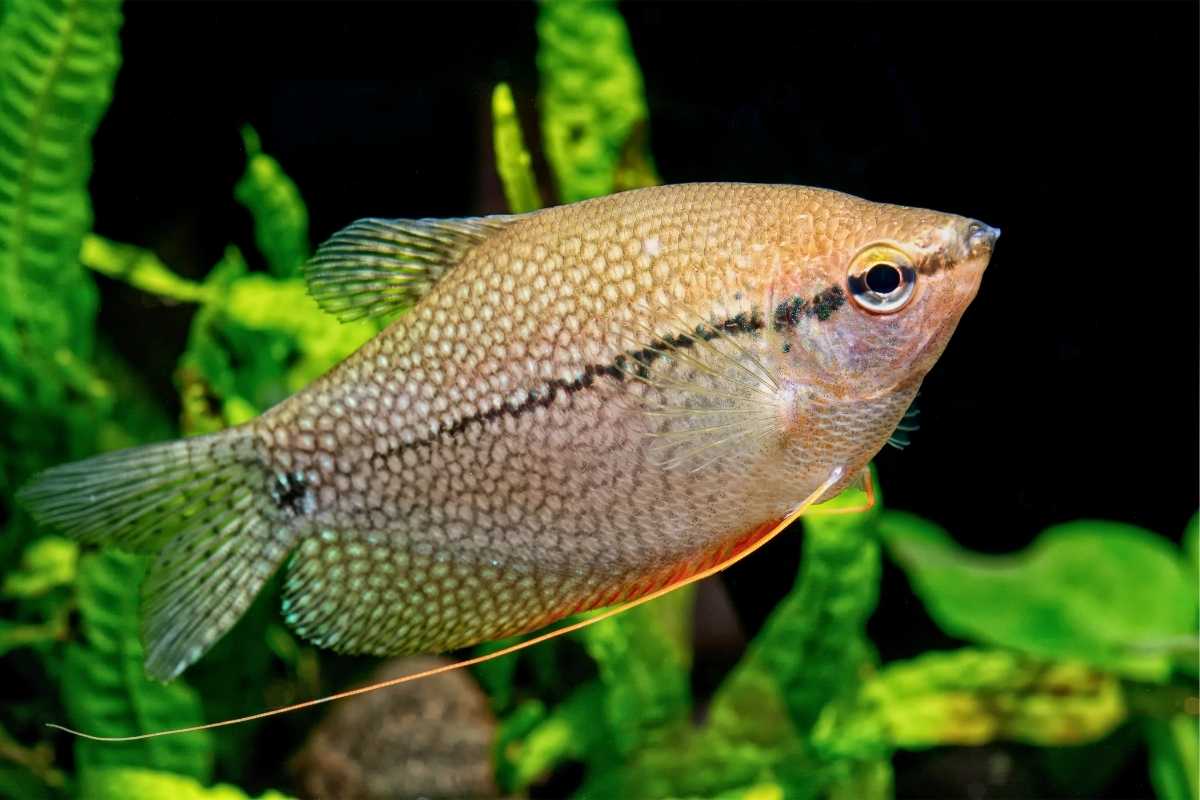
Pearl Gourami (Trichopodus leerii)
Quick View
Adult size: 4–5 in (10–12 cm) • Minimum tank: 30 gal / 115 L • Group: Solo or 1 male with 2+ females • Level: Mid/top • Temp: 75–82°F (24–28°C)
Temperament & Tankmates
A calm, elegant centerpiece fish for a planted community. Males may be mildly territorial with each other, but they’re generally gentle toward smaller schooling fish and corys.
Care Notes
As a labyrinth fish, pearls breathe surface air—leave open space at the top and keep surface film minimal. Floating plants and gentle flow help them feel secure.
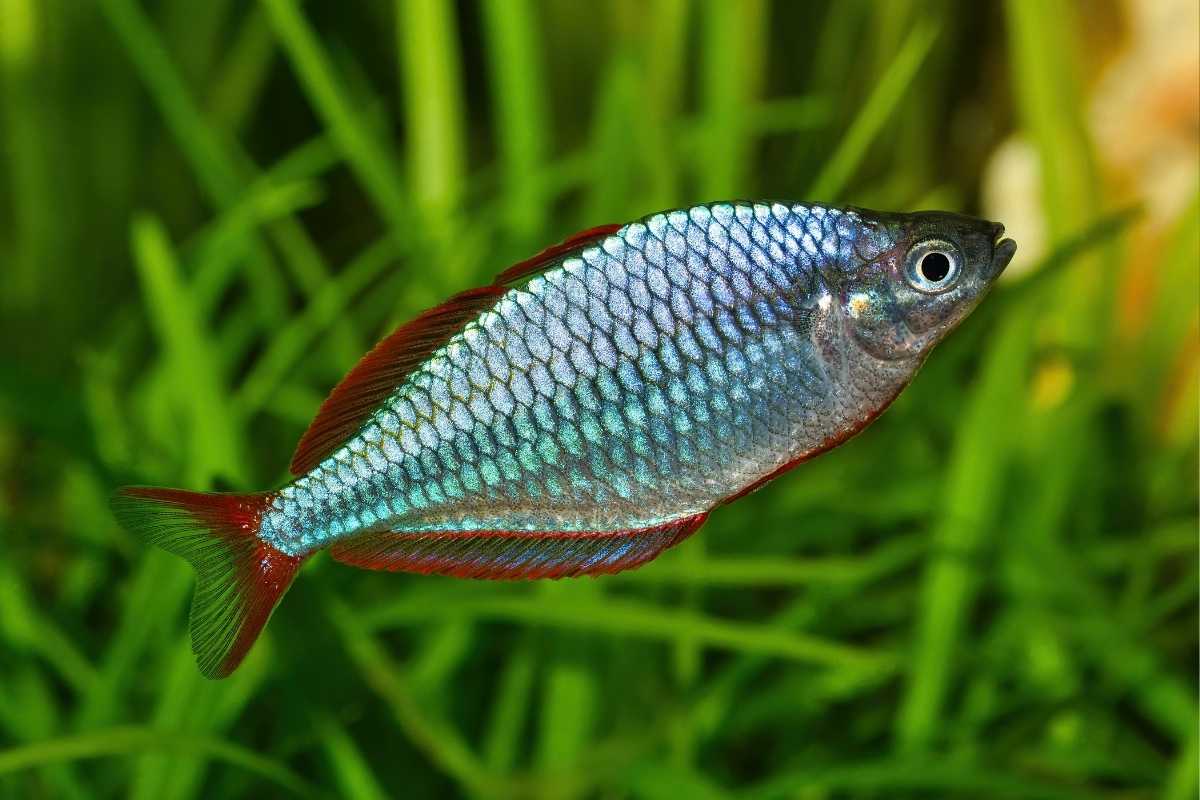
Dwarf Neon Rainbowfish (Melanotaenia praecox)
Quick View
Adult size: 2.5–3 in (6–7.5 cm) • Minimum tank: 30 gal / 115 L • Group: 6+ • Level: Mid/top • Temp: 75–82°F (24–28°C)
Temperament & Tankmates
Energetic yet well-mannered, praecox rainbows add shimmer without bullying. They’re perfect with rasboras, tetras, peaceful livebearers, and bottom cats.
Care Notes
They crave swimming room and impeccable water quality. Keep a tight lid—rainbows can jump when startled.
Zebra Danio (Danio rerio)
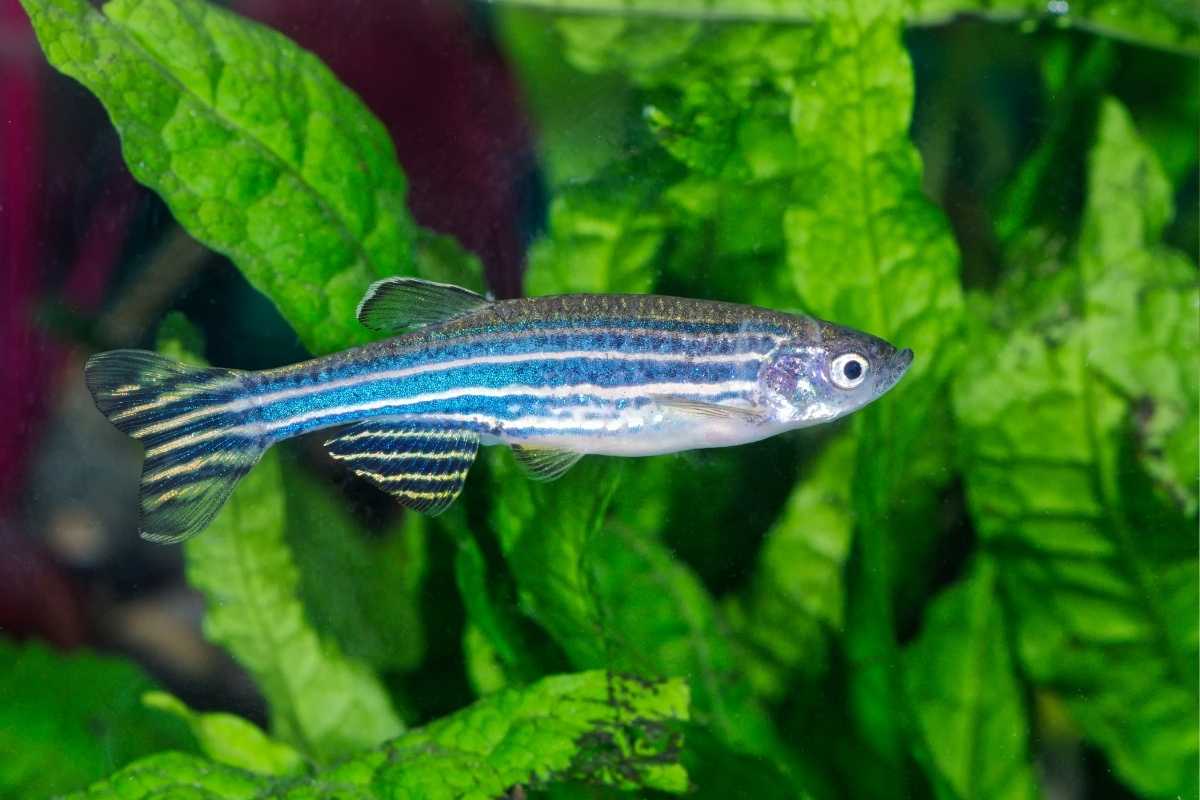
Quick View
Adult size: ~2 in (5 cm) • Minimum tank: 20 gal / 75 L • Group: 6+ • Level: Top/mid • Temp: 64–75°F (18–24°C)
Temperament & Tankmates
Fast and playful, danios are great “pace-setters” for communities—just make sure tankmates aren’t easily stressed by activity. They coexist well with barbs (peaceful types), livebearers, and corys.
Care Notes
They prefer slightly cooler water than tropical averages, making them a smart choice for rooms that run on the cool side.
Bristlenose Pleco (Ancistrus cf. cirrhosus)
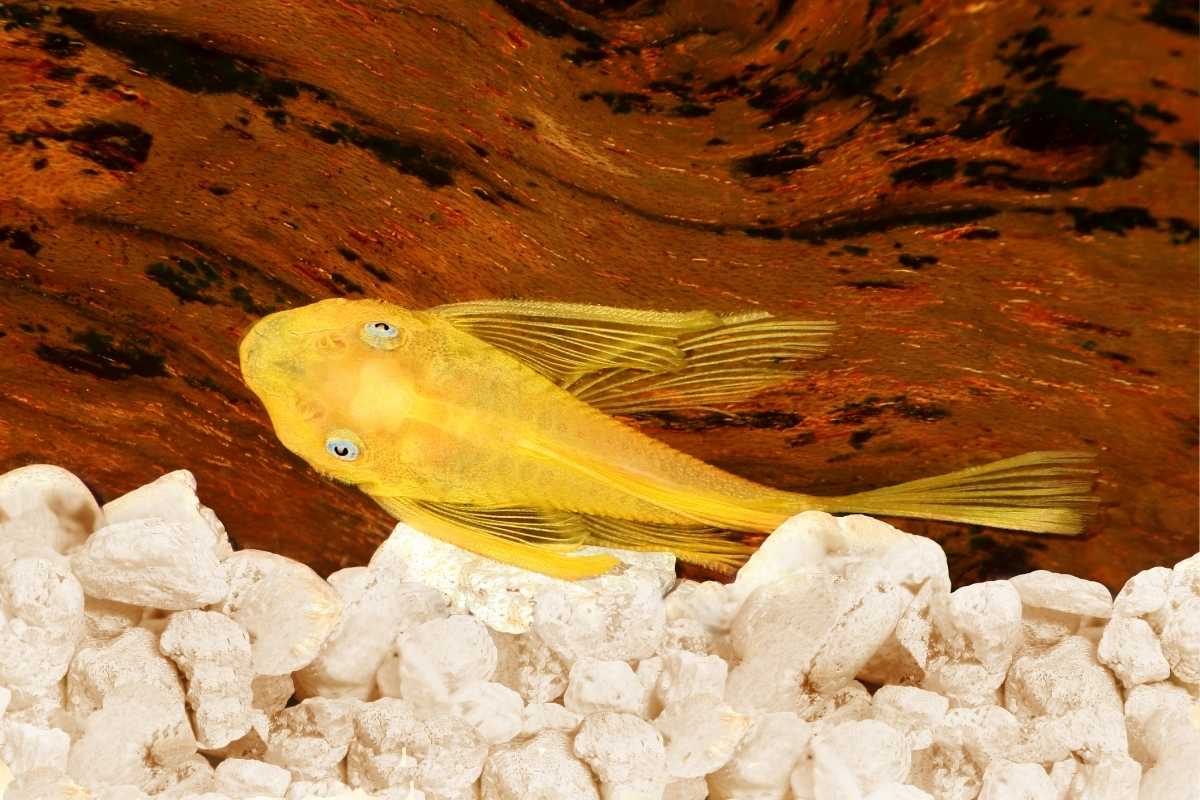
Quick View
Adult size: 4–5 in (10–12 cm) • Minimum tank: 30 gal / 115 L • Group: Usually solo • Level: Bottom • Temp: 72–79°F (22–26°C)
Temperament & Tankmates
A tidy, well-behaved bottom dweller that rarely bothers others. It’s much smaller than common plecos and far better suited to community tanks.
Care Notes
Provide driftwood (they rasp it), sturdy plants, and veggie-rich foods. Good flow and ample filtration keep them at their best.
Smart Stocking Examples for Common Tank Sizes
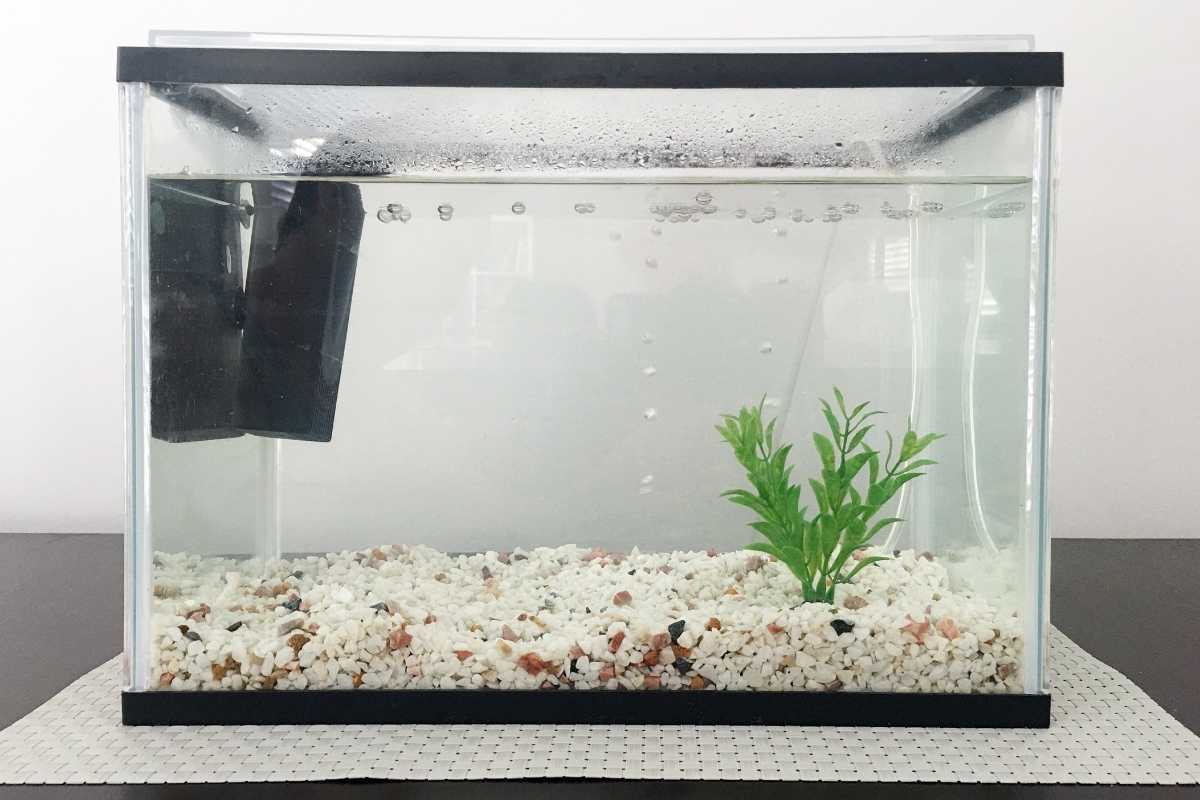
15–20 Gallons (55–75 L)
Think small, cohesive groups. A school of neon tetras or harlequin rasboras (10–12), plus a group of corydoras (6) creates movement at midwater and the bottom without overcrowding.
If you prefer livebearers, choose a modest guppy group with corys and keep water on the harder side.
30–40 Gallons (115–150 L)
You can add a calm centerpiece. A flock of harlequins (12), a group of corys (8), and a pearl gourami provide striking contrast across levels.
Alternatively, swap harlequins for dwarf neon rainbowfish (8) if you want a little more sparkle and speed.
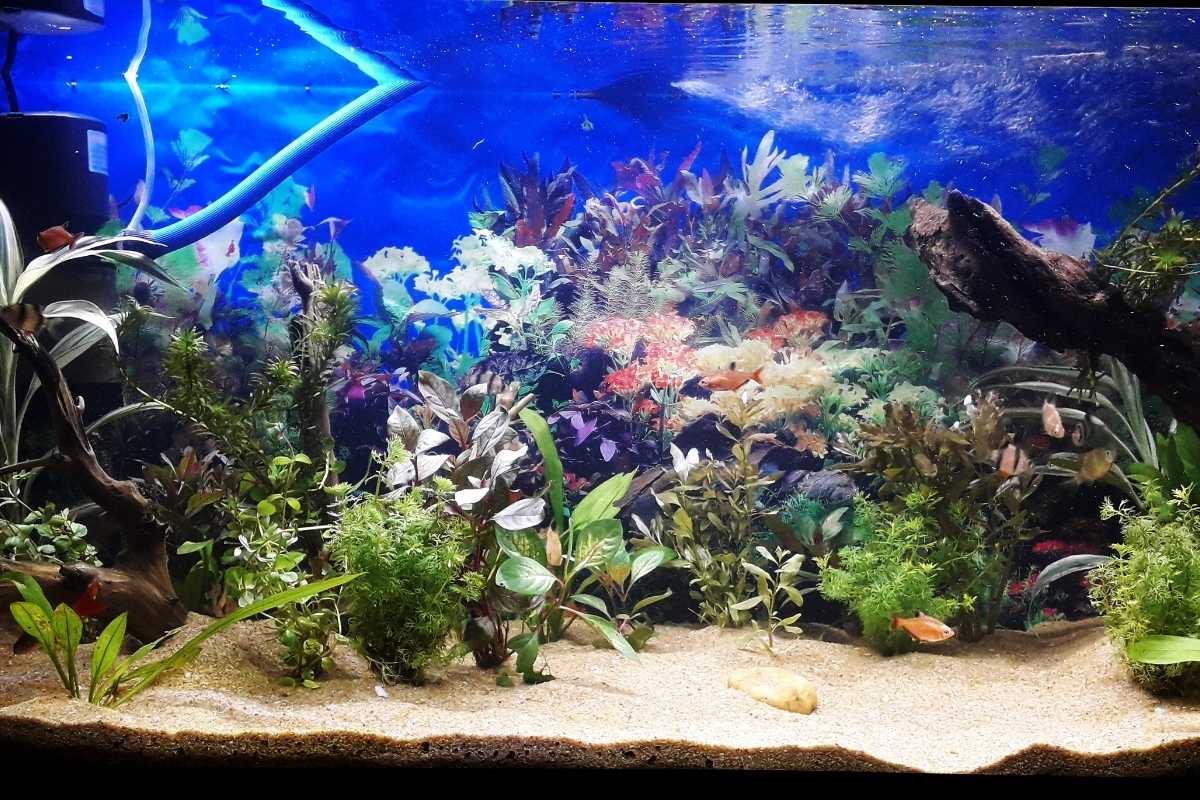
Rule of thumb: plan around minimum tank size, then build layers—top, mid, bottom—so everyone has space. More fish isn’t better; balanced stocking is.
At-a-Glance Comparison
| Species | Adult Size | Min Tank | Temperament | Schooling/Group | Level | Temp (°F) |
|---|---|---|---|---|---|---|
| Harlequin Rasbora | 2 in | 20 gal | Peaceful | 8–10+ | Mid | 73–81 |
| Neon Tetra | 1.5 in | 15 gal | Peaceful | 10+ | Mid | 72–79 |
| Corydoras | 2–3 in | 20 gal | Peaceful | 6+ | Bottom | 72–79 |
| Cherry Barb | 2 in | 20 gal | Peaceful | 6+ | Mid/Low | 73–81 |
| Guppy | 1.5–2 in | 15 gal | Peaceful | Small groups | Top | 72–82 |
| Platy | 2–2.5 in | 20 gal | Peaceful | Small groups | Top/Mid | 72–79 |
| Pearl Gourami | 4–5 in | 30 gal | Peaceful | Solo / harem | Mid/Top | 75–82 |
| Dwarf Neon Rainbowfish | 2.5–3 in | 30 gal | Peaceful | 6+ | Mid/Top | 75–82 |
| Zebra Danio | 2 in | 20 gal | Peaceful/active | 6+ | Top/Mid | 64–75 |
| Bristlenose Pleco | 4–5 in | 30 gal | Peaceful | Usually solo | Bottom | 72–79 |
Use this table to visualize layers and avoid overlap. Matching temperature ranges and behavior is the backbone of a stable community aquarium.
Quick FAQ for Beginner Community Tanks

How many schooling fish should I keep?
Most schooling fish feel secure at 6–10+ individuals; more is better if your tank allows. Larger schools reduce nipping and shyness, which leads to calmer behavior overall.
Can I mix livebearers like guppies and platies?
Yes—if you’re okay with fry. Keep a male-heavy or all-male group to limit breeding, or provide floating plants and a plan for rehoming youngsters. Livebearers prefer harder, alkaline water.
Do I need “cleaner fish” to keep the tank spotless?
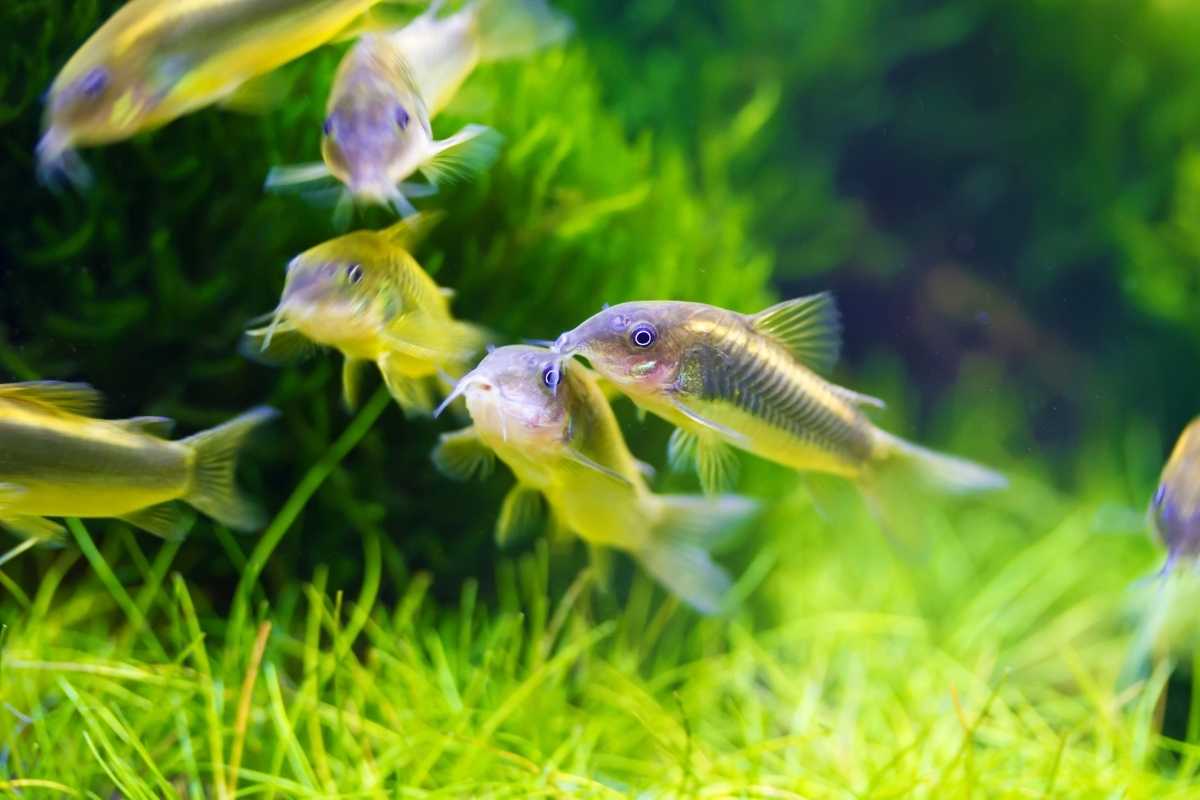
No fish replaces regular maintenance. Corydoras and bristlenose plecos help with leftover food and some algae, but you still need water changes, a siphon, and a good filter.
Are gouramis safe in a community?
Pearl gouramis are among the most peaceful. Keep one male or a male with multiple females in a well-scaped tank. Provide surface access and floating cover for confidence.
What’s the biggest mistake with community tanks?
Overstocking with mismatched species. Prioritize compatibility, not headcount. Choose fish that share temperature and water chemistry, then scale the group size to your minimum tank size and filtration.
A Peaceful Community Tank, Made Simple

Designing a harmonious community aquarium is less about chasing rare fish and more about getting the basics consistently right: stable water, compatible species, and appropriate group sizes.
Start with one or two schooling species that love your water, add a characterful but calm centerpiece fish, and round things out with a bottom crew that won’t cause drama.
If you keep stocking modest, feed a varied diet, and maintain your routine, the payoff is huge—color, movement, and serenity in perfect balance.
Enjoy The Video About Fishes
Source: KGTropicals
Did you find this post useful or inspiring? Save THIS PIN to your Pets Board on Pinterest!

You may also like