
Arabian Horse: History, Traits, Temperament, and Care Guide


The Arabian horse is one of the oldest and most recognizable horse breeds in the world. It's known for its dished face, high tail carriage, huge stamina, and a sharp, people-focused mind. Arabians dominate endurance riding, but they also make loyal trail partners and family horses when they're handled with patience and consistency.
If you're wondering whether an Arabian is right for you, here's the short answer: they're smart, sensitive, and energetic. They do best with owners who are calm, consistent, and willing to keep them busy. Below you'll find the breed's history, how to recognize one, what they're like to live with, and how to care for them.
Arabian Horse at a Glance
- Origin: Arabian Peninsula and surrounding desert regions
- Height: Usually about 14.1 to 15.1 hands
- Build: Compact, refined, short back, strong legs and hooves
- Common colors: Bay, gray, chestnut, black, and occasionally roan
- Known for: Endurance, intelligence, and a close bond with people
- Best for: Endurance and trail riding, showing, and active owners who enjoy training
The Origins and Heritage of the Arabian Horse
The Arabian's story goes back thousands of years to the deserts of the Middle East. Bedouin tribes bred these horses for loyalty, intelligence, and the ability to travel long distances on little food and water. Horses were so valuable that prized mares were sometimes kept close to the family tents, which helps explain why the breed is so comfortable around people today.
Because breeders kept careful track of bloodlines, the Arabian is considered one of the purest breeds in the equine world. Over time, Arabians spread across continents through trade and conquest, and they were highly valued by royalty and warriors. Their influence shows up in many modern breeds, which inherited some of their speed, refinement, and toughness.
Physical Traits: How to Recognize an Arabian
Once you know what to look for, an Arabian is easy to spot in a crowd:
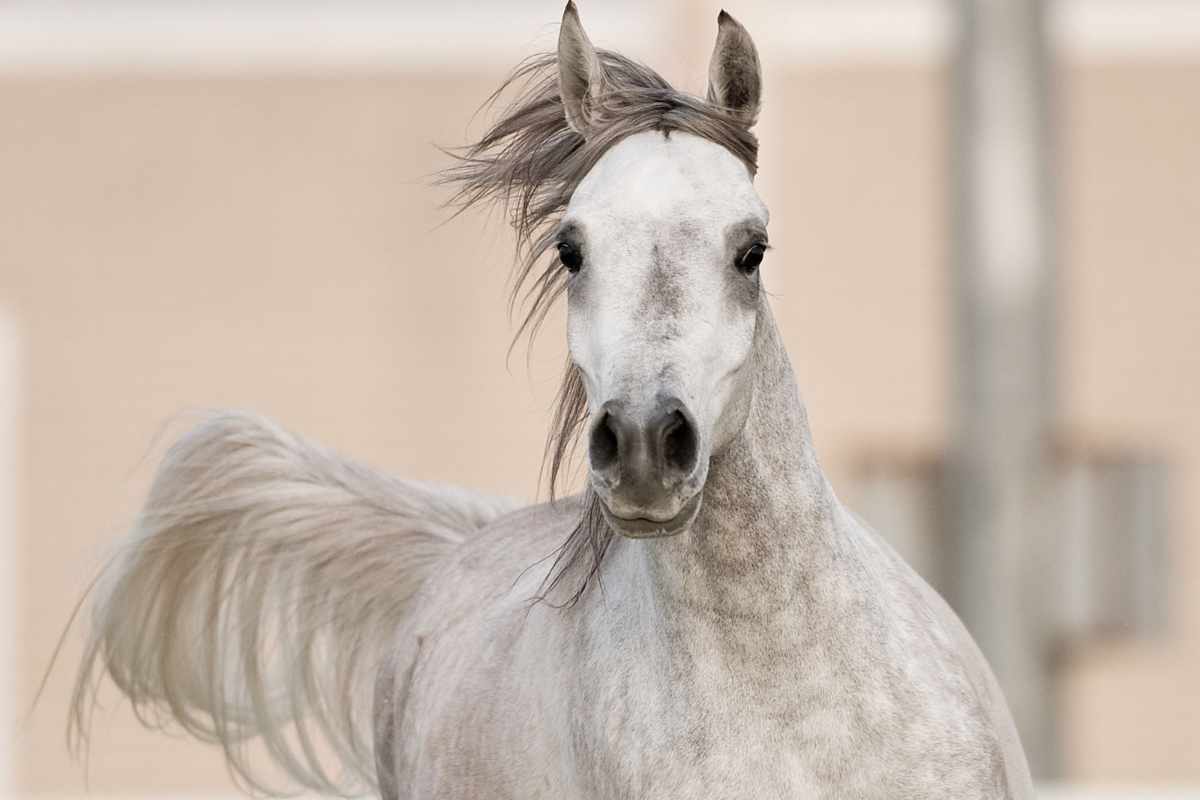
- Dished profile: A slightly concave face that narrows to a small muzzle.
- Large, expressive eyes set in a wedge-shaped head with small, curved ears.
- Arched neck that gives the horse a proud, elegant outline.
- High-set tail that's carried up and flagged when the horse is excited or moving out.
- Short, strong back. Many Arabians have fewer lumbar vertebrae than other breeds, which contributes to their compact frame and agility.
- Dense bone and hard hooves that hold up well over long miles.
Despite their modest height, Arabians are well muscled and surprisingly strong for their size. Their coats come in bay, gray, chestnut, black, and occasionally roan. Many gray Arabians are born dark and lighten with age until they look almost white.
Unrivaled Stamina and Athleticism
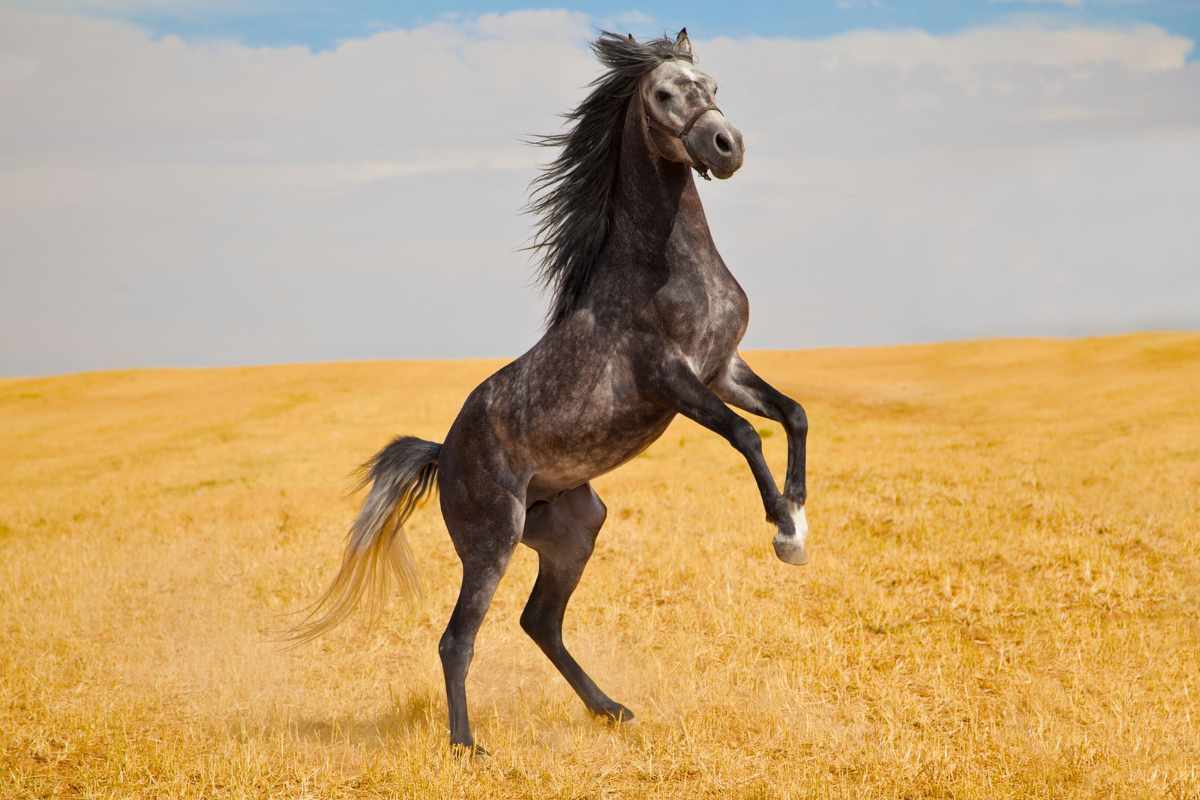
Endurance is where the Arabian really shines. Their desert ancestry rewarded horses that could cover long distances while conserving energy, recover quickly, and keep going in heat. That's why Arabians and Arabian crosses are so common in endurance competitions around the world.
They aren't one-trick horses, though. Arabians also compete in:
- Endurance and competitive trail riding
- Dressage, where their lightness and responsiveness are a plus
- Show jumping at lower and mid levels
- Western riding, including reining and trail classes
- Halter and English pleasure classes at breed shows
Their intelligence and willingness to work make them adaptable, but they thrive best under thoughtful training and good conditioning. If you plan to compete, build fitness gradually with a mix of long, easy rides and shorter, harder sessions.
Temperament and Bond with Humans
Arabians are often described as "hot-blooded," which refers to their energy and sensitivity, not bad behavior. In practice, that means:
- They're very people-oriented. Many Arabians seek out their owners, follow them around the paddock, and form strong attachments.
- They learn fast. That includes good habits and bad ones, so consistency matters.
- They're sensitive. Harsh handling or rough cues tend to backfire. Light, clear communication works much better.
- They notice everything. New sights and sounds can get a big reaction at first, especially in young or under-exercised horses.
Positive reinforcement and calm, consistent handling bring out the best in this breed. Short, varied training sessions keep their busy minds engaged. If you want ideas, try our 5 proven techniques to strengthen the bond with your horse.
Are Arabian Horses Good for Beginners?
It depends on the individual horse more than the breed. An older, well-trained Arabian with a steady temperament can be a wonderful first horse. A young or green Arabian, on the other hand, usually needs an experienced rider who can stay calm and give clear guidance.
If you're new to horses and set on an Arabian:
- Look for a horse that's mature and has plenty of miles under saddle.
- Ride it several times, in different settings, before you buy.
- Work with a trainer or instructor for at least the first few months.
- Plan for daily turnout and exercise so the horse isn't bottling up energy.
Our checklist for first-time horse owners covers the basics you'll need before bringing any horse home.

Proper Care and Nutritional Needs
Arabians are generally hardy horses, but they still need thoughtful day-to-day care.
Feeding
Good-quality forage should make up the bulk of the diet. Because Arabians tend to have an efficient metabolism, many need less feed than other horses of similar size, and some get fat easily on rich pasture. Add concentrates only if the horse's workload or body condition calls for it, and ask your vet or an equine nutritionist to help you build the right plan. For more ideas, see our tips on a balanced diet for working horses.
Exercise and Turnout
This is a breed that needs to move. Daily turnout in a roomy paddock, ideally with a companion, helps prevent restlessness and stall vices. Pair turnout with structured riding or groundwork several times a week. Trail rides, hill work, and pole exercises are great ways to keep an Arabian's body and mind busy.
Grooming
Arabians have fine coats and often fine, silky manes and tails. Regular grooming keeps the coat healthy and gives you a chance to check for cuts, heat, or swelling. Gray horses show stains easily, so spot-cleaning is part of the routine. Our step-by-step horse grooming guide walks you through it.
Hooves, Teeth, and Routine Health Care
Arabians are known for tough hooves, but they still need regular trims from a farrier. Schedule routine dental checks, vaccinations, and parasite control with your vet. To stay ahead of common issues, read our guide on how to prevent hoof problems in horses.
When to Call the Vet
Arabians are tough, which sometimes means they hide discomfort. Call your veterinarian if you notice:
- Signs of colic, such as pawing, rolling, looking at the belly, or not passing manure
- Sudden lameness, heat in the hooves, or a reluctance to move
- Loss of appetite or rapid weight loss
- Heavy breathing at rest, nasal discharge, or a cough that doesn't go away
- Any sudden change in behavior, like unusual aggression or dullness
When in doubt, call. Catching problems early is always easier on the horse and on you.
Is an Arabian Horse Right for You?
An Arabian may be a great fit if you:
- Want a horse that bonds closely and enjoys human company
- Like trail riding, endurance, or trying different disciplines
- Have time for daily exercise and regular training
- Prefer a light, responsive ride over a slow, laid-back one
You might want a calmer breed if you're looking for a horse that can sit for weeks without work, or if you're a nervous beginner without access to a trainer. In that case, our look at gaited horse breeds and their smooth movements may give you some other options to consider.
Frequently Asked Questions
How tall is an Arabian horse?
Most Arabians stand about 14.1 to 15.1 hands. Some individuals are a little shorter or taller, but the breed is generally compact and refined.
Are Arabian horses hard to handle?
Not usually, but they are sensitive and energetic. With calm, consistent handling and plenty of exercise, most Arabians are willing and affectionate partners. Problems tend to appear when they're bored, under-exercised, or handled roughly.
What is the Arabian horse best known for?
Endurance. The breed was developed to travel long distances in the desert, and today Arabians are a top choice for endurance riding. They're also famous for their beauty and their dished face and high tail.
Why do Arabian horses carry their tails so high?
A high tail set is part of the breed's natural build. Arabians often lift and flag their tails even higher when they're excited, alert, or moving freely.
Final Thoughts
The Arabian horse combines ancient history, striking looks, and a big heart. It's a breed that rewards owners who invest time, patience, and kindness. Give an Arabian clear guidance, plenty of movement, and a real relationship, and you'll have a loyal partner for many years.
Did you find this post useful or inspiring? Save THIS PIN to your PETS Board on Pinterest!
You may also like