
Are Reptiles the Right Pet for You? Common Pet Reptiles Weighed


When choosing a pet, reptiles are often an appealing option due to their fascinating behaviors and unique care needs.
Whether you are considering a reptile for the first time or are simply curious about them, understanding their care requirements is crucial.
This article will explore common pet reptiles, providing essential information on their care, habitat needs, diet, and more, to help you determine if a reptile is the right companion for you.
Understanding Reptile Care

Reptiles require a specific set of conditions to thrive. Unlike dogs and cats, they don’t depend on companionship or daily exercise.
However, their care needs are just as demanding, especially when it comes to providing the proper environment, temperature, and food.
Unlike traditional pets, reptiles are often solitary creatures, making them a good fit for people who are prepared to meet their unique needs.
The most common reptiles kept as pets include bearded dragons, geckos, snakes, and turtles. Each of these animals has distinct characteristics and care requirements, but they share some basic needs for survival.
Common Pet Reptiles: Care and Considerations
Bearded Dragons
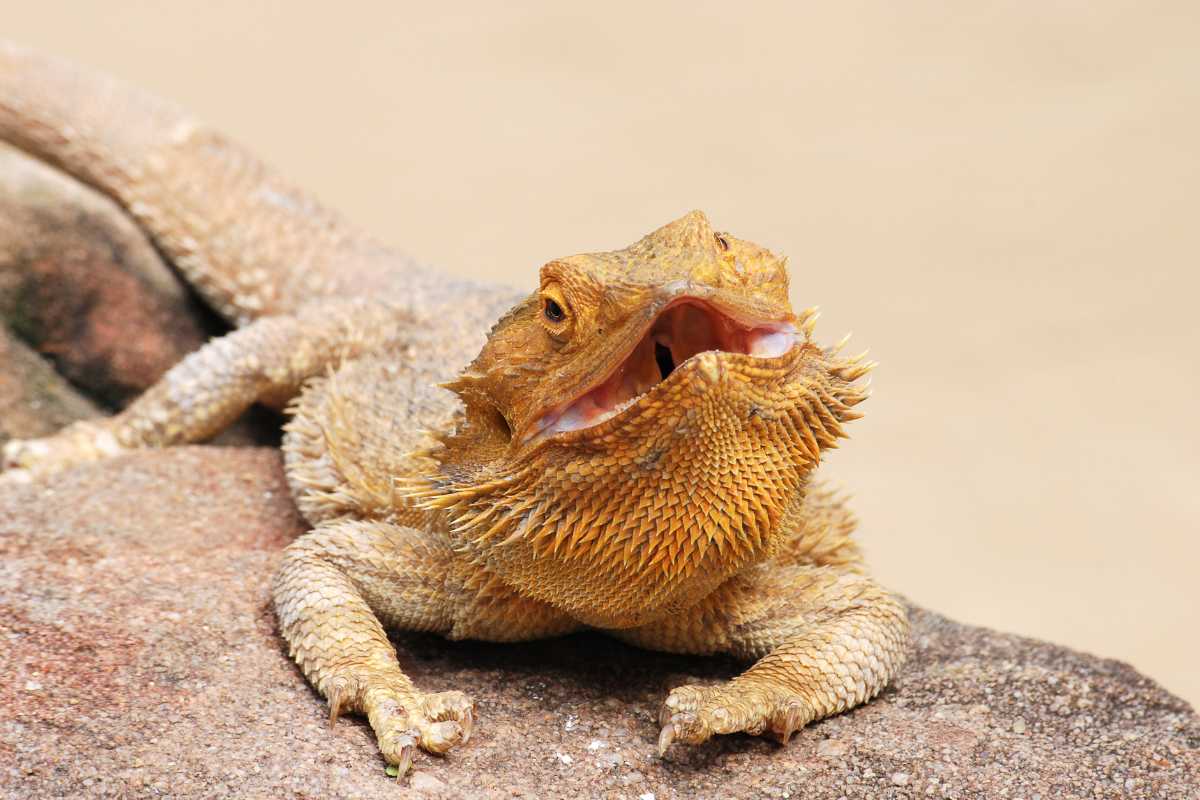
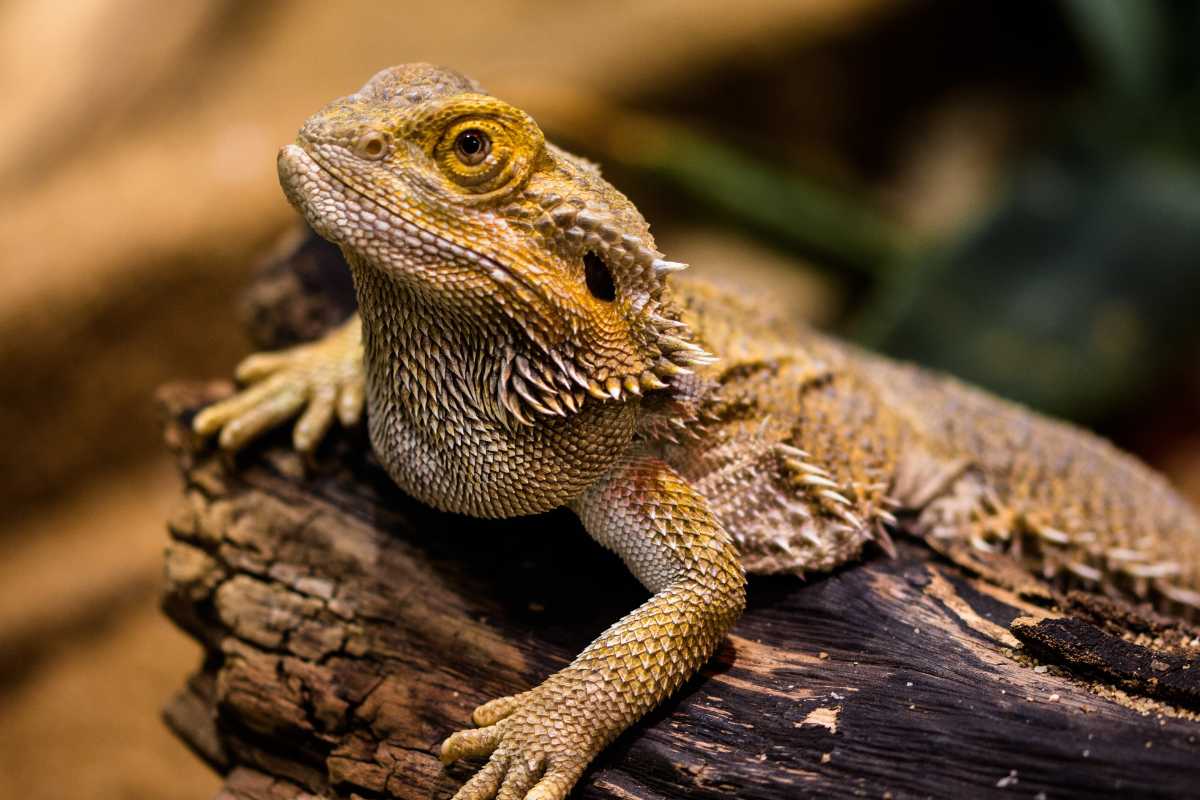
Bearded dragons are one of the most popular reptiles for beginners due to their docile nature and relatively easy care.
They require a spacious enclosure with proper lighting, including UVB light to help them absorb calcium and prevent metabolic bone disease.
Temperature plays an essential role in their health; a temperature gradient is necessary, with a basking area reaching about 100°F and a cooler side at around 75°F.
Diet: Bearded dragons are omnivores, meaning they need both plants and insects in their diet. Crickets, mealworms, and vegetables such as kale and collard greens should be part of their regular meals.
Calcium supplements are also important for bone health.
Leopard Geckos
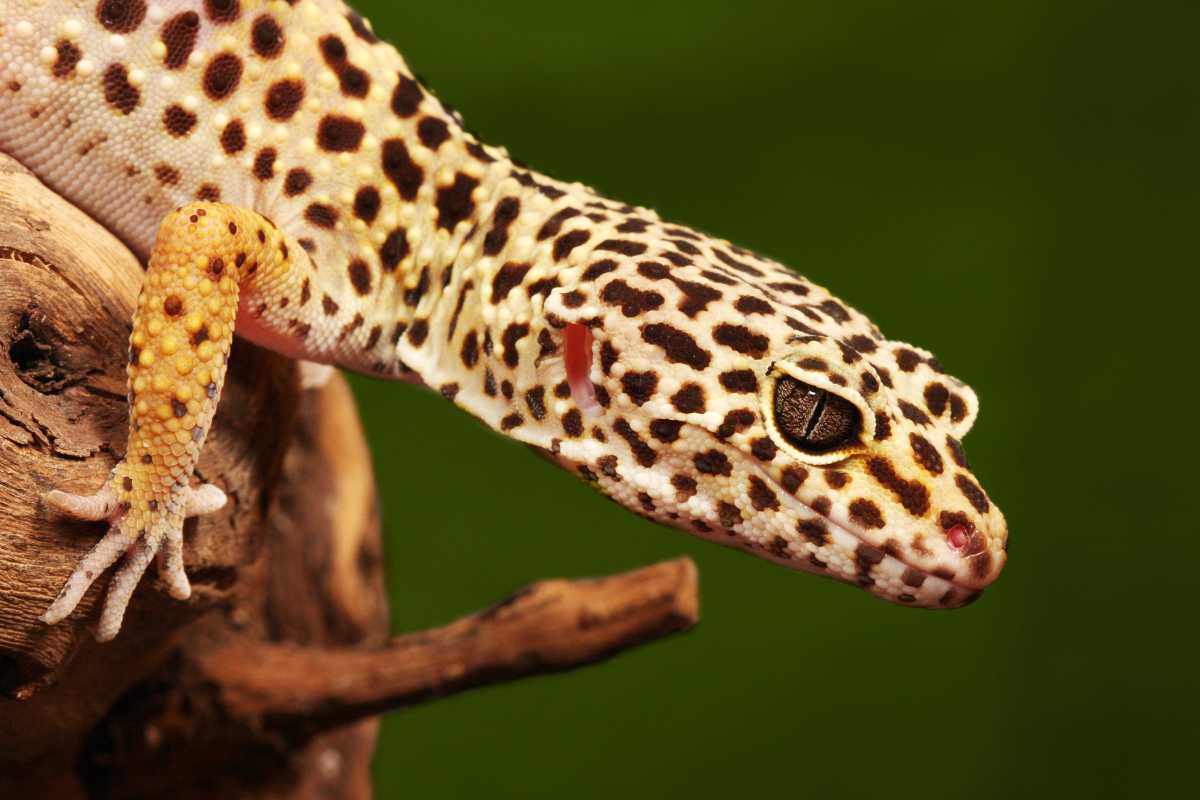
Leopard geckos are another fantastic reptile choice for beginners. These nocturnal lizards are known for their vibrant coloration and friendly disposition.
Leopard geckos are also relatively low-maintenance and do not require special UVB lighting, which makes them easier to care for compared to other reptiles.
Diet: Their diet mainly consists of insects, such as crickets and mealworms. These geckos require a steady diet of protein to thrive, and it’s also important to dust their food with calcium and vitamin D3 supplements to prevent nutritional deficiencies.
Habitat: A 20-gallon tank is sufficient for one gecko. A simple setup with a heat lamp, hiding spots, and a shallow water dish will meet their needs.
Ball Pythons
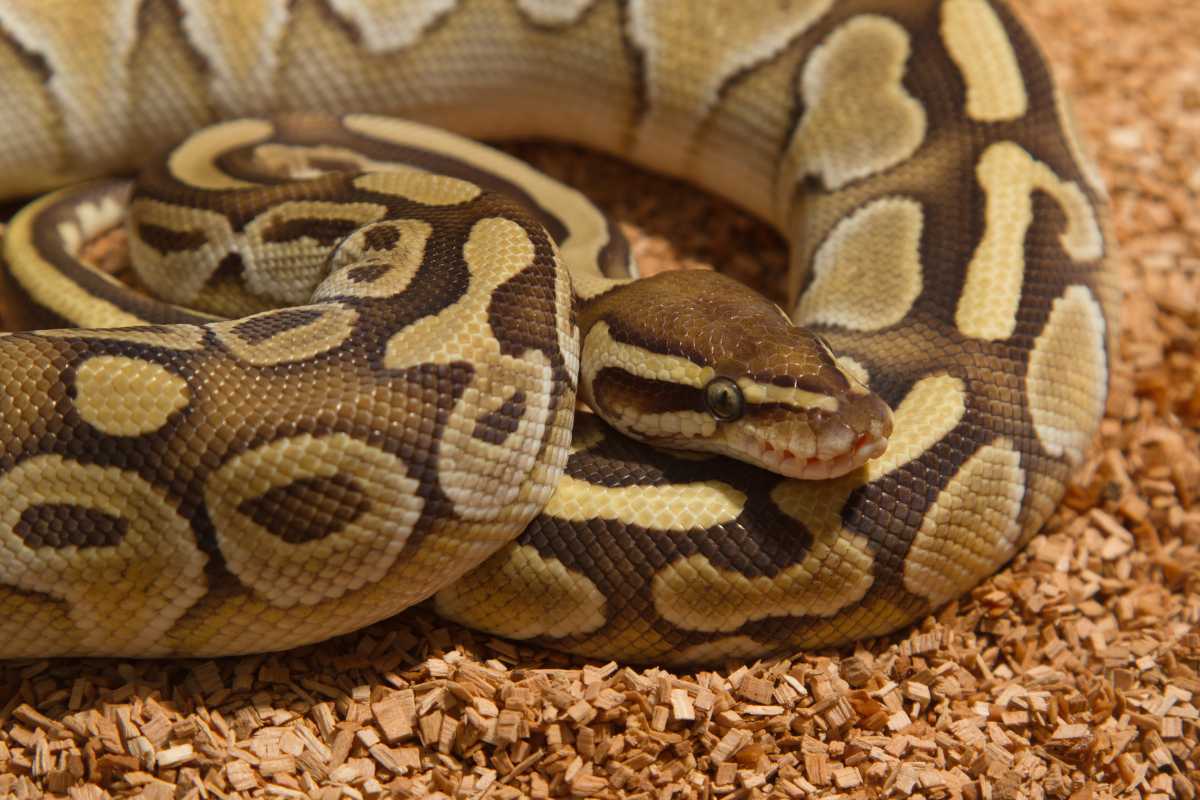
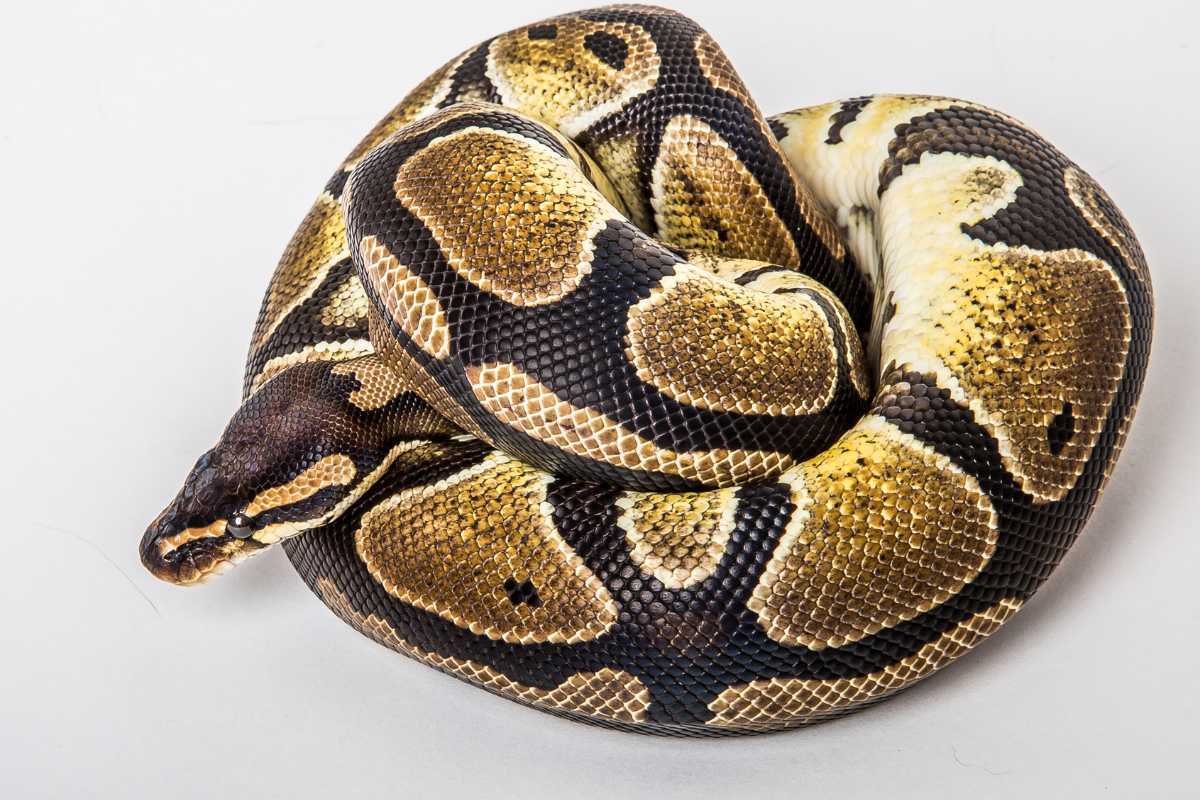
Ball pythons are a great choice for those looking for a snake as a pet. These snakes are known for their calm temperament and relatively small size compared to other pythons.
However, they do have very specific environmental needs that must be met for their well-being.
Temperature and Humidity: Ball pythons require a temperature range of 80°F to 85°F during the day and around 75°F at night. They also need a humidity level of around 50-60%, which can be achieved by adding a water bowl and misting their enclosure regularly.
Diet: They are carnivores and eat frozen mice or rats, with the frequency of feeding depending on their size and age.
Turtles and Tortoises
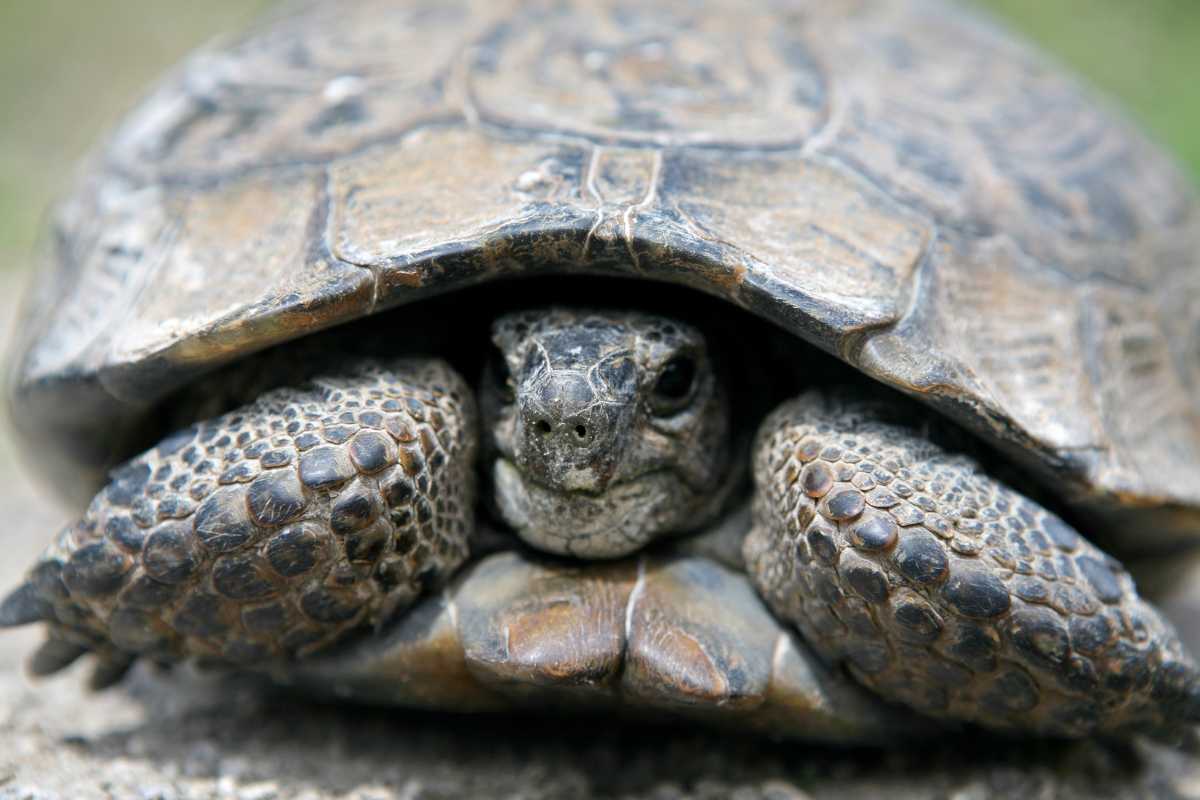
Turtles and tortoises are both fascinating reptile species, but they have significantly different care needs. Tortoises tend to live on land, while turtles live in aquatic environments.
For land tortoises, you'll need a large, well-ventilated enclosure that provides access to sunlight for UVB exposure, which is crucial for their calcium absorption and shell health.
Diet: Both turtles and tortoises are herbivores, requiring a diet rich in greens and vegetables. Some species of turtles will also eat small invertebrates and fish.
For aquatic turtles, a water tank is necessary with a filtration system to keep the water clean, as they can be quite messy.
Ethical Considerations and Conservation
When adopting a reptile, it’s important to consider the ethical implications. Many reptiles are wild-caught, which can negatively impact wild populations.
It's always best to purchase reptiles from reputable breeders or rescues rather than supporting the illegal pet trade.
Additionally, some reptile species are at risk of extinction, and it’s important for pet owners to research conservation efforts and adopt practices that help preserve these animals in their natural habitats.
Educating oneself about the needs of the species and ensuring you are not inadvertently contributing to their exploitation is key.
Is a Reptile the Right Pet for You?
Choosing a reptile as a pet can be a rewarding experience, but it’s important to understand that they require specialized care.
Reptiles are not low-maintenance pets; they need a controlled environment, specific dietary needs, and a regular routine to stay healthy.
Before making your decision, consider the following questions:
Do you have the time and resources to maintain their habitat?
Are you prepared to handle their specific dietary needs and health requirements?
Can you commit to meeting their environmental needs for the long term?
If you are ready to take on the responsibility, a reptile can be a unique and fascinating companion.
However, if you are unsure about whether you can meet their needs, it may be worth exploring other pets or doing more research before adopting.
Conclusion

Reptiles make wonderful pets for those who are willing to dedicate the time and effort needed to meet their specialized care requirements.
From bearded dragons to ball pythons, each species has its own unique needs, but they all require proper habitat, diet, and attention.
By educating yourself on the specific requirements of the species you're interested in and committing to their care, you can ensure that your reptile pet thrives in a healthy and enriching environment.
With thoughtful preparation, reptiles can be fascinating, long-term companions that offer a new and exciting aspect to the world of pet ownership.
Enjoy The Video About Reptiles

Source: Wickens Wicked Reptiles
Did you find this post useful or inspiring? Save THIS PIN to your Pets Board on Pinterest!

You may also like