
Bearded Dragon Care Guide


Set your bearded dragon up for success from day one. Adult size: 16–24 in (40–60 cm). Lifespan: 8–12+ years.
Temperament: usually calm, diurnal (active by day). Minimum enclosure: 75–120 gal (280–450 L) for one adult; larger is better.
Basking temp: 38–42 °C (100–107 °F). Cool side: 22–26 °C (71–79 °F). Night: ≥20–22 °C (68–72 °F). UVB: strong T5 HO linear tube spanning 50–75% of the tank.
Humidity: 30–40%. Diet: juveniles = more insects; adults = more greens. Supplements: calcium + D3 and multivitamin on a schedule. Vet: exotics vet check within the first month.
Meet the Species

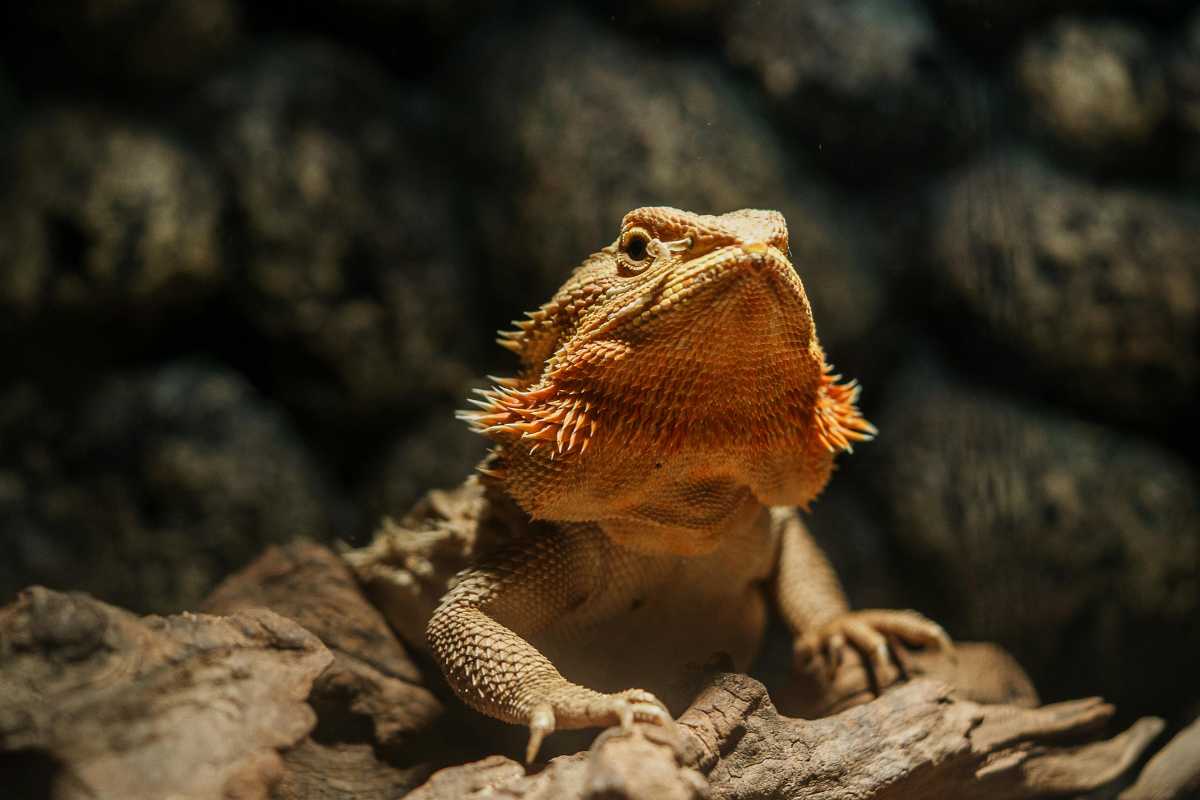
Central bearded dragons (Pogona vitticeps) hail from Australia’s arid interior. They’re ground-oriented lizards that bask in full sun, use low perches to survey territory, and communicate with beard darkening and arm waves.
Their adaptable, generally mellow nature makes them excellent beginner reptiles—as long as husbandry is precise. Think of them less like a “set-and-forget” pet and more like a small desert resident with specific light and heat needs.
Enclosure & Setup
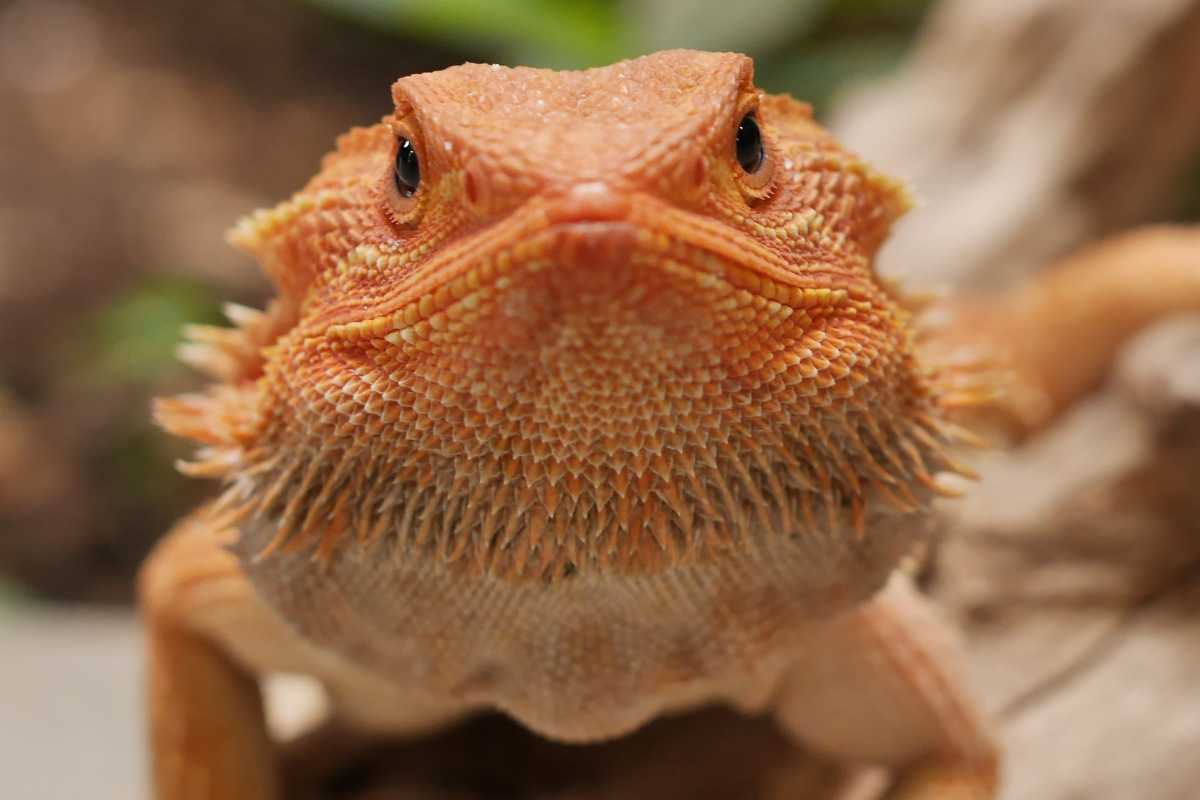
Size and Layout
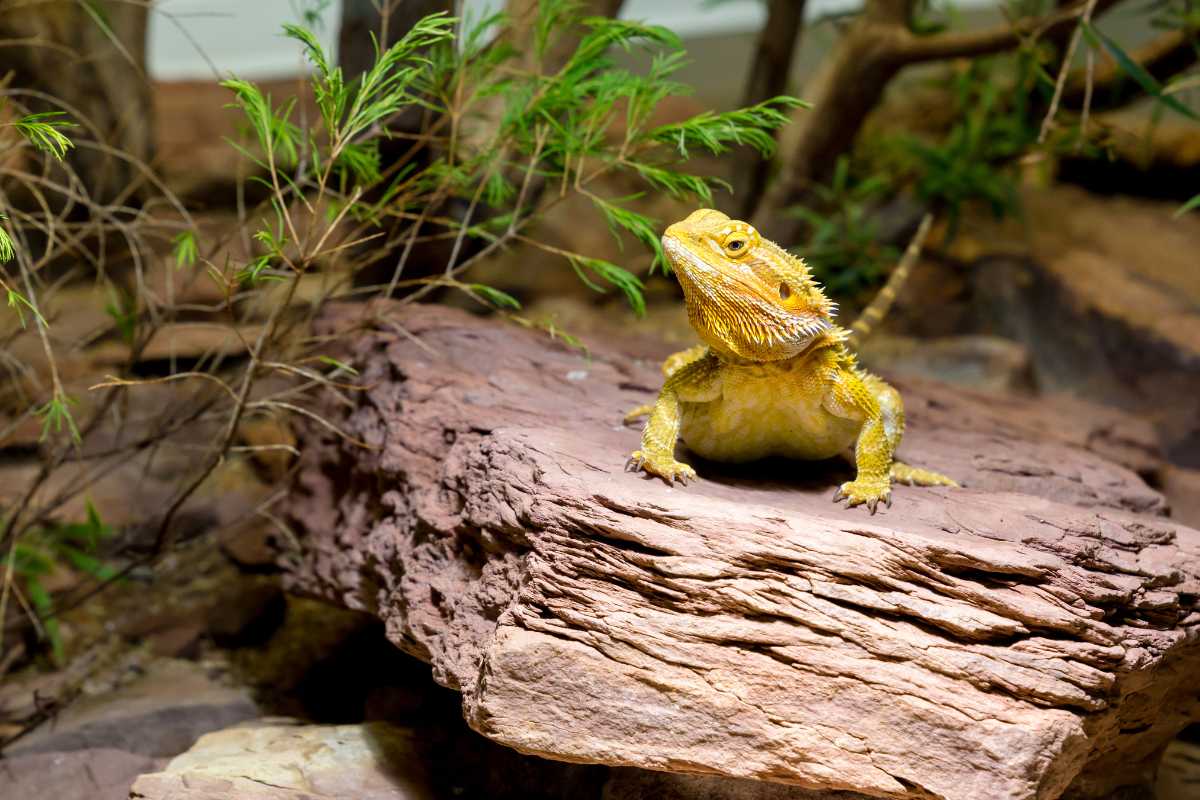
Give your dragon room to thermoregulate. For an adult, 120 × 60 × 60 cm (4 × 2 × 2 ft) or larger is ideal.
Include a warm basking zone, an open middle, and a cool retreat. Add two hides (warm side and cool side), sturdy climbing branches, and a flat basking ledge under the heat lamp.
Position décor to create line-of-sight breaks so the lizard feels secure.
Heating & the Temperature Gradient
Bearded dragons rely on external heat to digest and function. Aim for:
Basking surface: 38–42 °C (100–107 °F) measured at the actual basking surface with a probe thermometer.
Ambient warm side: 30–32 °C (86–90 °F).
Cool side: 22–26 °C (71–79 °F).
Night: generally safe at 20–22 °C (68–72 °F); avoid dropping below that for long periods.
Use a reliable dimmable heat bulb or thermostat-controlled ceramic heat emitter. Verify with digital probes—stick-on dials are often inaccurate.
Place the basking lamp over (not inside) the enclosure to prevent burns, and always give the dragon choice: a hot spot, mid-zone, and cool zone.
UVB Lighting (Non-Negotiable)
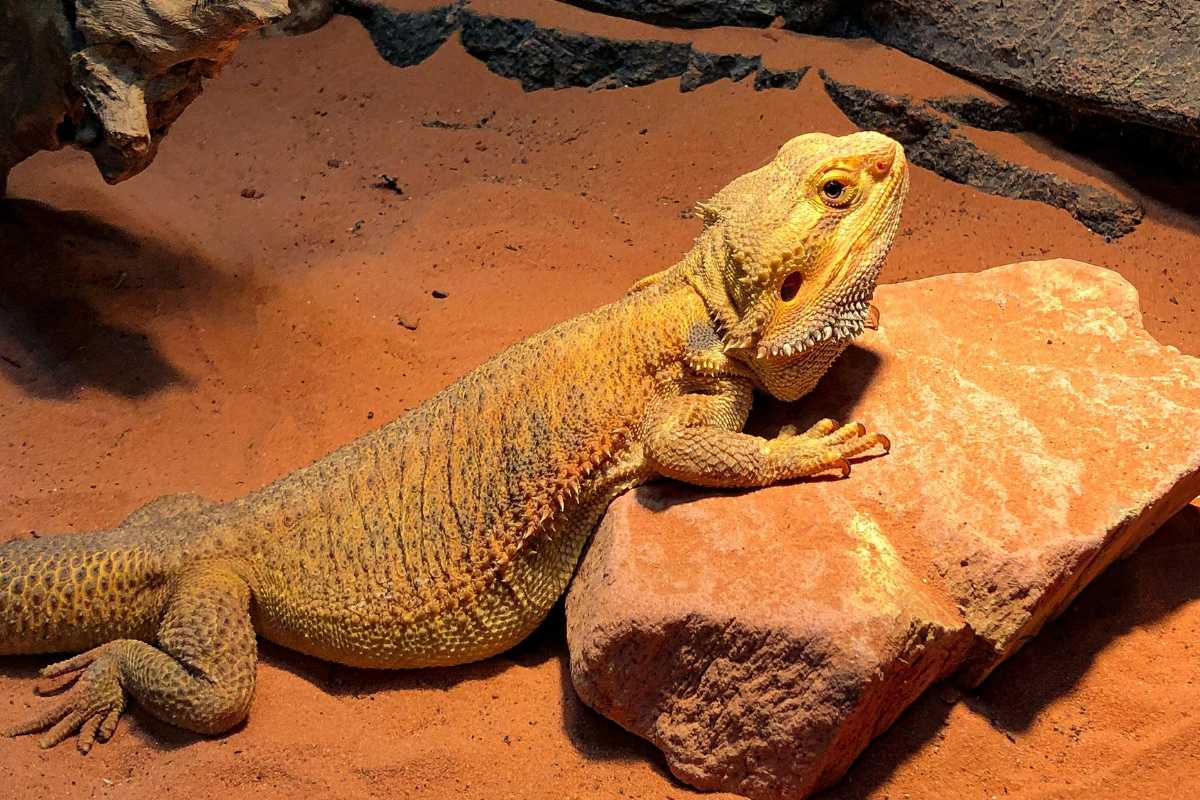
Bearded dragons are high-UVB, high-heat reptiles. Provide a T5 HO linear UVB (e.g., 10–12%) that covers at least half the tank length, ideally two-thirds to three-quarters.
Mount it inside the enclosure or over a mesh that doesn’t block most UV. Typical distances:
10–14 in (25–35 cm) from bulb to basking spine when using a reflector.
Keep no glass or acrylic between the UVB and the dragon (these block UVB).
Replace tubes every 6–12 months per manufacturer guidance, even if the lamp still shines—UVB output declines before visible light does. Pair the UVB with a bright daylight LED to raise overall light levels and encourage natural behavior.
Humidity & Ventilation
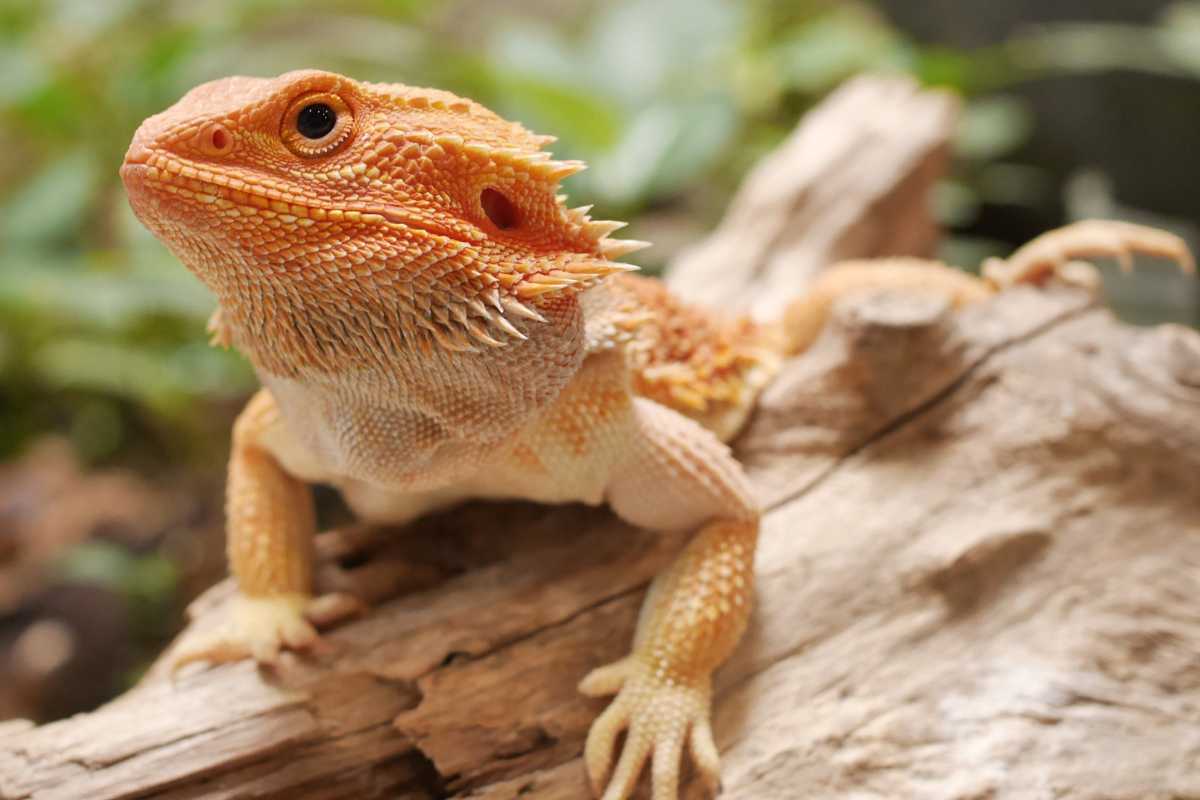
Target 30–40% humidity, similar to many indoor environments. Ensure good airflow; stagnant, humid air under warm conditions can contribute to respiratory issues. A small hygrometer helps you monitor conditions.
Safe Substrates
For simplicity and easy cleaning, many keepers use solid substrates such as textured tile, sealed slate, or reptile carpet (washed frequently). Well-built bioactive works for experienced keepers.
If you experiment with loose substrates, avoid dusty, fine silica sand, especially for juveniles, and ensure proper feeding techniques (use feeders in a dish or tongs) to reduce ingestion risks. Never use heat rocks—they can cause severe burns.
Diet & Nutrition
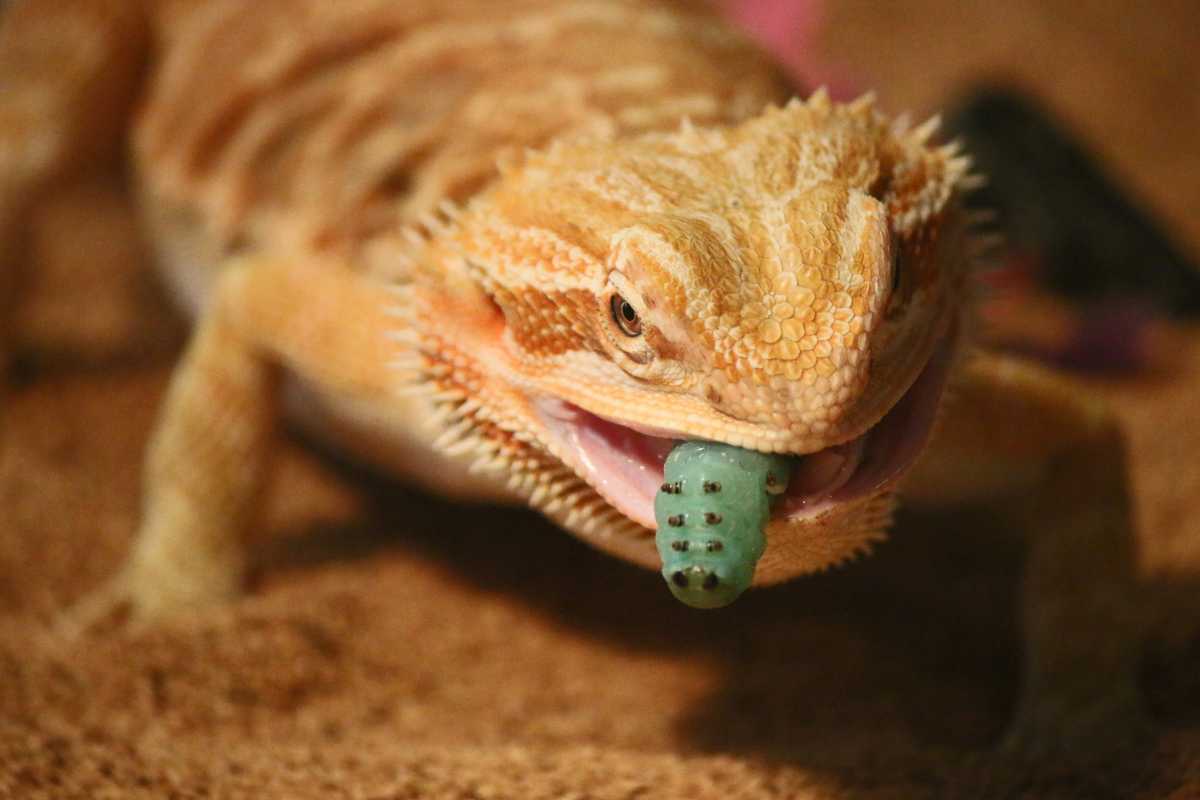
Juveniles vs. Adults
Bearded dragons are insect-heavy as juveniles and greens-heavy as adults:
Juveniles (up to ~12 months): roughly 60–70% insects, 30–40% greens. Offer insects 1–2 times daily.
Adults: 70–80% leafy greens and vegetables, 20–30% insects. Offer insects 3–4 times per week.
Feeder Insects and How to Use Them
Great staples include dubia roaches, crickets, black soldier fly larvae, and occasional silkworms or hornworms for hydration and variety. Avoid fatty superworms as a staple.
Size matters: choose prey no larger than the space between the dragon’s eyes to reduce choking and impaction risk.
Gut-load insects for 24–48 hours with high-quality greens and commercial insect diets so your dragon eats nutrients—not empty calories.
Greens, Veggies & What to Avoid
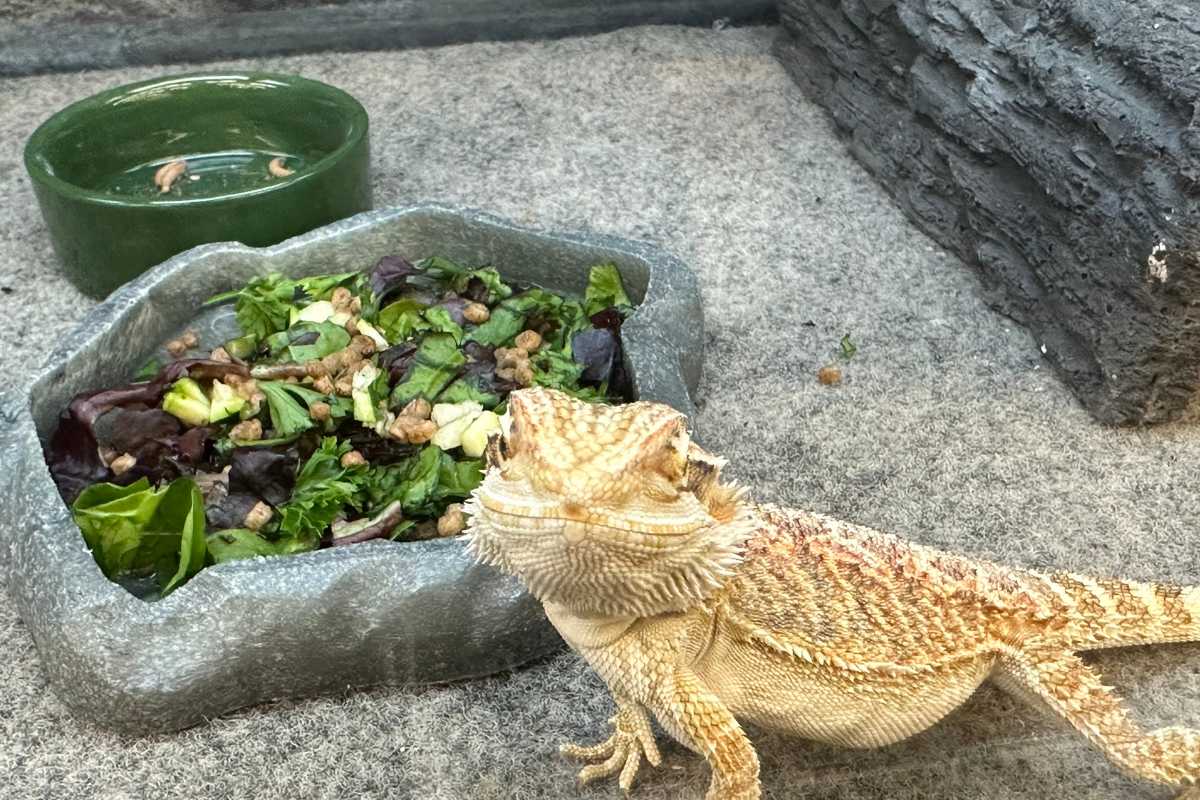
Build bowls around collard greens, mustard greens, turnip greens, dandelion greens, escarole, endive, and squash.
Offer occasional herbs (basil, cilantro) and colorful veg for enrichment. Limit high-oxalate or goitrogenic items (e.g., large amounts of spinach or kale every day) and skip iceberg lettuce (very little nutrition). Fruits are treats only.
Supplements & Metabolic Bone Disease Prevention
Dust insects with calcium + D3 and a multivitamin on a sensible schedule:
Juveniles: calcium 5–6 feedings/week, multivitamin 1–2/week.
Adults: calcium 3–4 feedings/week, multivitamin 1/week.
Consistent UVB + correct calcium prevents metabolic bone disease (MBD)—a painful, life-threatening condition. If you see soft jaws, tremors, or limb deformities, call a vet immediately.
Water, Shedding & Hygiene
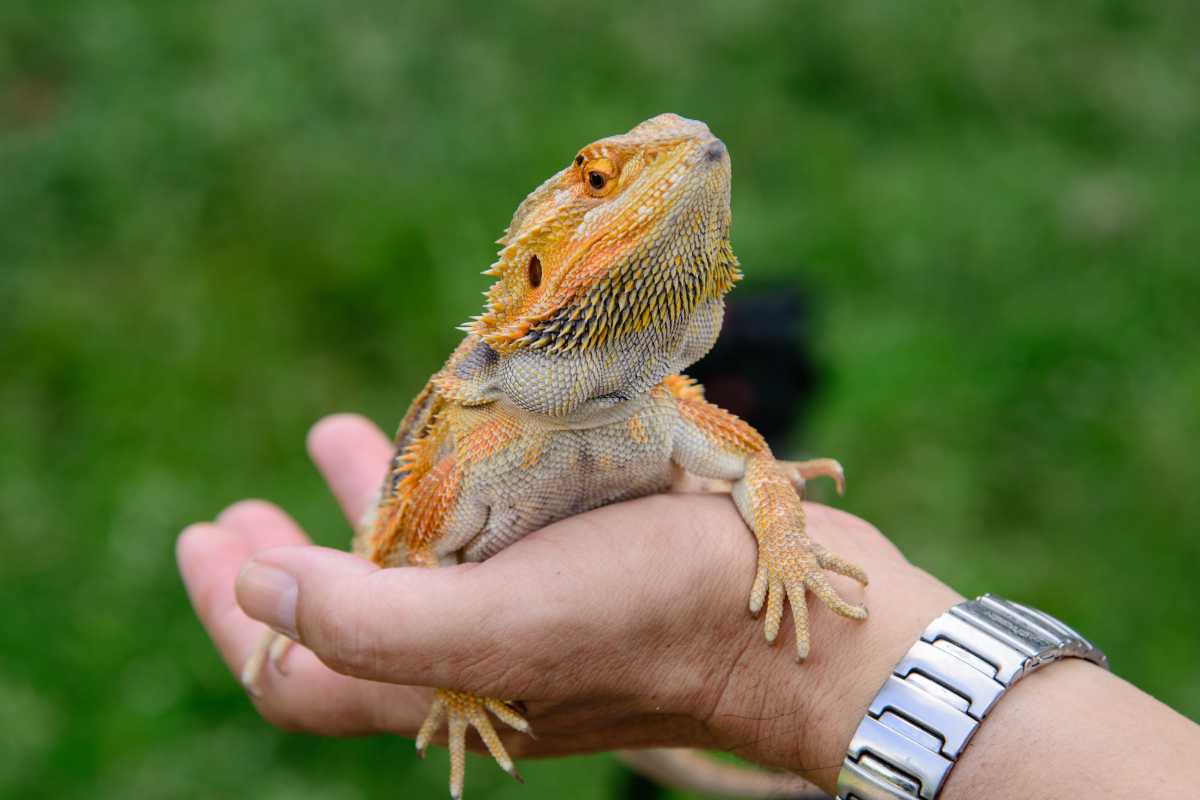
Offer a shallow water dish and refresh it daily. Many dragons prefer to drink droplets or get moisture from greens; you can lightly mist greens before feeding.
For stuck shed on toes or tail tips, provide a humid hide or brief lukewarm soaks. Avoid over-bathing; it can dry skin and lower temperatures.
Maintain clean nails and check for retained shed around toes and the tail tip to prevent constriction.
Handling, Enrichment & Behavior
Taming Steps
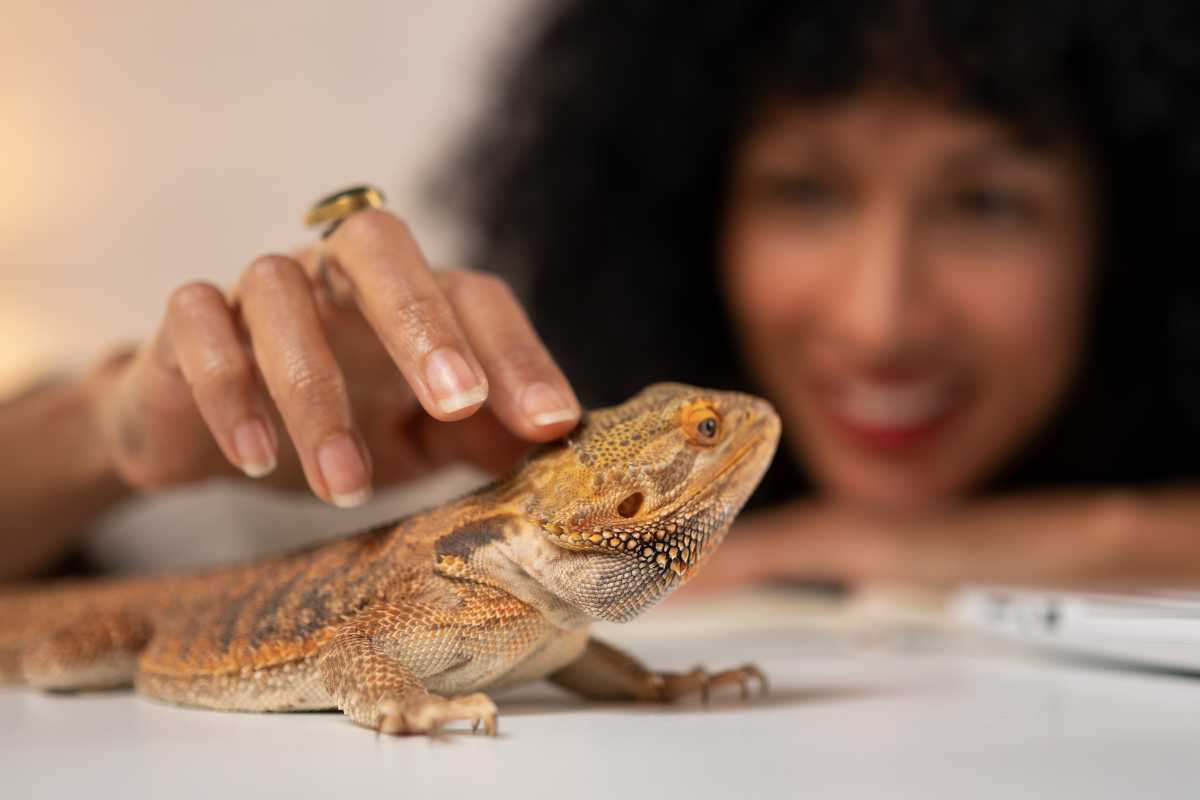
Go slow and make every interaction predictable. Approach from the side (not from above), scoop—don’t pinch, supporting the chest and belly.
Keep early sessions short and calm near the enclosure, then expand to supervised exploration on a secure, warm surface. Reward with a favorite green or worm after handling to build positive associations.
Enrichment They Actually Use
Add low perches, tunnels, basking shelves, and visual barriers. Rotate décor monthly to prevent boredom.
Let your dragon watch the world from a stable window perch (no direct sun through glass). Offer foraging by tucking greens into a leafy bundle or using a puzzle feeder designed for reptiles.
Brumation Basics
As days shorten and temps drop seasonally, adults may enter brumation—a light hibernation-like state. Appetite and activity dip; stools become infrequent.
Before assuming brumation, rule out illness with a vet, ensure hydration, and keep night temps stable.
Don’t force-feed; instead, monitor weight weekly and provide easy access to water and a hide. After several weeks, activity gradually returns.
Health & Red Flags
When to Call an Exotics Vet
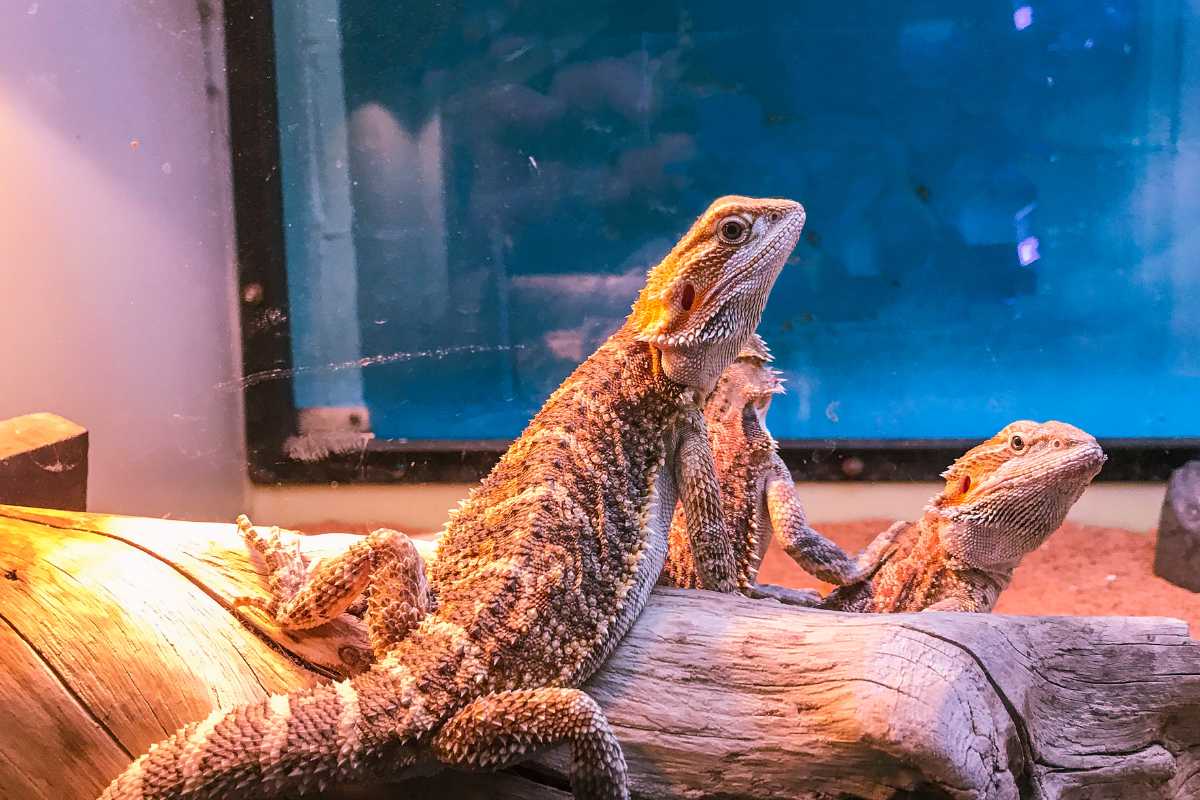
Seek veterinary help if you notice persistent lethargy, refusal to eat >7–10 days (not brumating), wheezing or clicking, swollen joints, runny or foul stools, black beard for hours, weight loss, limb tremors, kinked spine or jaw softness, or visible parasites in stools.
A fecal check 1–2 times per year is smart preventative care.
Common Issues
Metabolic Bone Disease (MBD): from inadequate UVB/calcium. Signs include tremors, soft jaw, limb deformities. Immediate vet care + fix lighting and diet.
Parasites: weight loss, diarrhea, poor appetite. Requires fecal test and treatment.
Respiratory Infections: caused by low temps, high humidity, poor ventilation. Look for wheezing, bubbles at the nose, open-mouth breathing. Correct environment and see a vet.
Mouth Rot (Stomatitis): redness, swelling, caseous material in mouth; needs prompt treatment.
Cleaning & Maintenance
Spot-clean daily (remove feces, leftover food). Deep-clean monthly: remove décor, wash with hot soapy water, rinse, then disinfect with a reptile-safe disinfectant or diluted chlorhexidine; rinse and dry thoroughly.
Launder reptile carpets on a hot cycle and keep a spare set to rotate. Wash hands before and after handling to protect both you and your dragon.
Buying or Adopting a Dragon
Choose captive-bred from a reputable breeder or rescue. Look for clear, bright eyes, alert posture, rounded tail base (good body condition), and steady movement.
Avoid animals with sunken eyes, protruding bones, stuck sheds around toes, or wheezing. Quarantine new dragons for 30–60 days away from other reptiles and schedule an initial vet check.
Smart FAQs
What’s the best UVB bulb?
A T5 HO linear tube (10–12%) mounted with a reflector, spanning most of the tank, delivers strong, even UVB. Replace every 6–12 months and set the distance correctly.
Do I need heat at night?
If your home stays ≥20–22 °C (68–72 °F), you typically don’t need extra night heat. If it drops lower, use a thermostat-controlled ceramic heat emitter—no light at night.
Can two bearded dragons live together?
No for adults. Co-housing often leads to stress, bullying, or injuries. Keep one dragon per enclosure.
How often should adults eat insects?
Offer 3–4 times per week, a modest portion of well gut-loaded feeders, and keep greens available daily.
One-Page Setup Checklist
Enclosure: 4×2×2 ft (120×60×60 cm) minimum; two hides; basking ledge; branches.
Heat: basking 38–42 °C, warm side 30–32 °C, cool 22–26 °C, night ≥20–22 °C; verify with digital probes.
UVB: T5 HO linear covering 50–75% of tank; correct distance; replace 6–12 months.
Humidity: 30–40% with good ventilation.
Substrate: textured tile, slate, or laundered carpet; avoid dusty sands.
Diet: juveniles insect-forward; adults greens-forward; gut-load & dust (calcium + D3, multivitamin).
Water & Shedding: fresh dish daily; assist stuck shed with humidity or brief soaks.
Health: monitor weight, appetite, stools; schedule exotics vet checks.
Bottom line: When you nail heat, UVB, and diet, bearded dragons thrive—becoming the calm, curious companions everyone talks about.
Use the numbers above, commit to weekly checks, and you’ll enjoy a confident lizard that eats well, basks boldly, and lives a long, healthy life.

Source: ChiefSweetsUniverse
Did you find this post useful or inspiring? Save THIS PIN to your Pets Board on Pinterest!

You may also like