
12 Best Cat Breeds for Families and First-Time Owners


This post contains affiliate links. As an Amazon Associate, Urbaki Pets earns from qualifying purchases, at no extra cost to you.
The best cat breeds for families are the ones with steady, people-loving temperaments: Ragdolls, Maine Coons, Birmans, British Shorthairs and Burmese top most lists because they tolerate handling, adapt to busy homes and rarely hold a grudge. If you are a first-time owner, a calm adult cat from one of these breeds (or a friendly shelter cat) is usually an easier start than a high-energy kitten.
Below you will find 12 breeds that tend to do well with kids, other pets and beginners, what each one is really like to live with, and a few tips to help any new cat settle in. Keep in mind that every cat is an individual. Breed gives you a good guess about personality, not a guarantee.
What Makes a Cat Breed Good for Families?
Before looking at specific breeds, it helps to know what you are actually looking for. A family cat does not need to be a lap cat 24/7, but it does need a few traits that make shared life easier:
- Patience with handling. Kids pet clumsily, pick cats up at odd angles and make sudden noise. Laid-back breeds shrug this off instead of swatting.
- Social, not clingy. A cat that enjoys company but can also entertain itself while everyone is at school or work.
- Adaptability. Visitors, moving furniture and changing routines should not send it under the bed for days.
- Reasonable grooming needs. Long, silky coats are lovely, but someone has to brush them.
- Playfulness. Cats that love wand toys and fetch give kids a safe, fun way to bond without too much grabbing.
If you already have a cat that seems a bit distant, our guide on how to make your cat more affectionate has simple ways to build trust at any age.
12 Best Cat Breeds for Families and First-Time Owners
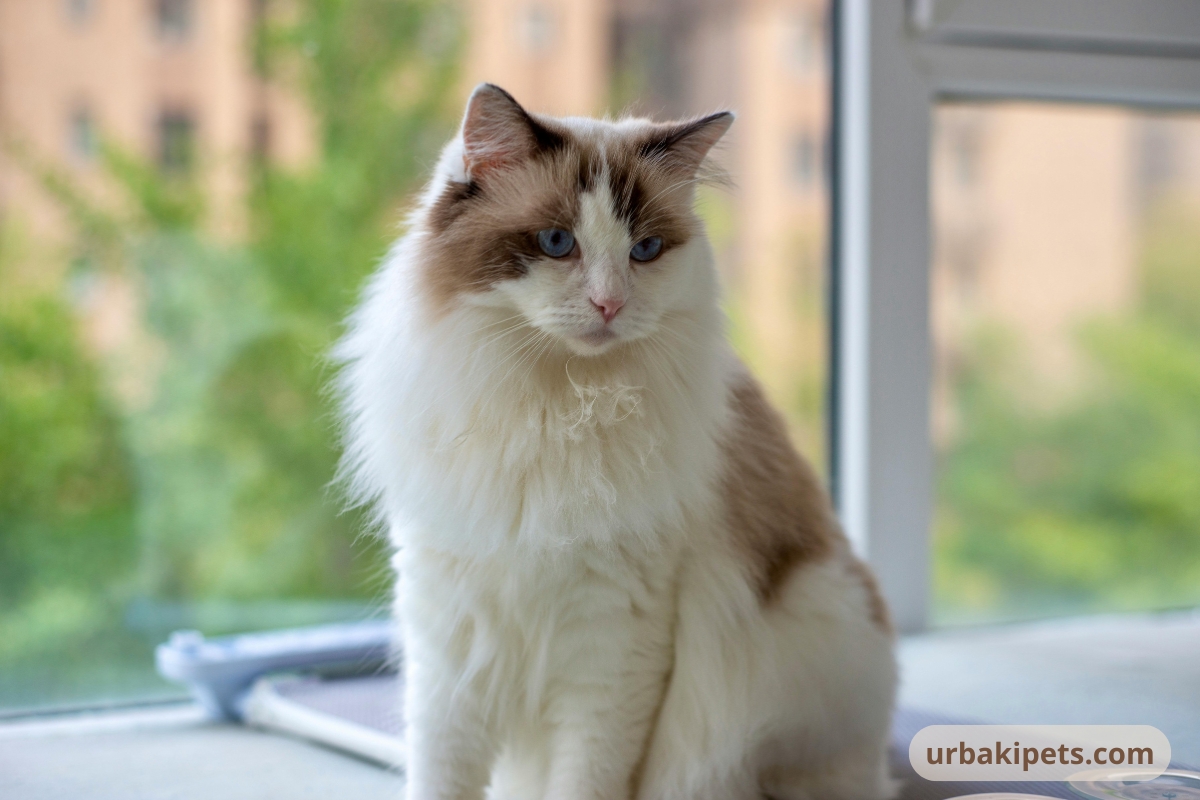
1. Ragdoll
Ragdolls got their name from the way many of them go limp when you pick them up. They are big, blue-eyed and famously relaxed, and they often follow their people from room to room like a puppy. Ragdolls are a great match for families with older kids who can lift a heavy cat properly. Their semi-long coat mats less than you might expect, but a weekly brush still helps.
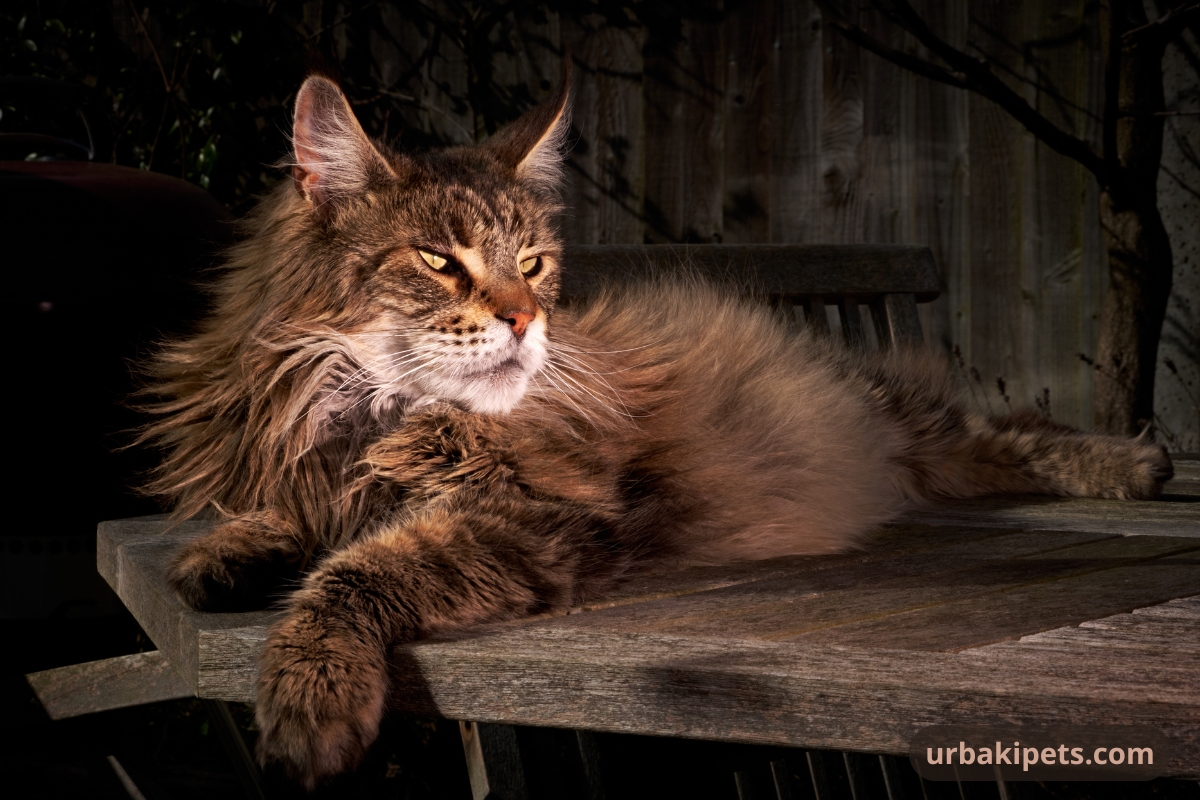
2. Maine Coon
The gentle giant of the cat world. Maine Coons are sociable, curious and surprisingly tolerant of noisy households, and many get along well with dogs. They love to "help" with chores and are easy to teach simple games. Plan for a sturdy cat tree, because a full-grown male can be very large. Read our full Maine Coon care guide before you commit.
3. Birman
Birmans have a soft, medium-length coat, white "gloves" on their paws and a quiet, sweet personality. They like company but are not demanding, which makes them a lovely choice for calmer families or first-time owners who want an affectionate cat without constant chatter.
4. British Shorthair
Round face, plush coat, easygoing attitude. British Shorthairs are content to sit next to you rather than on you, and they handle being alone for a workday better than many breeds. They do not always love being carried, so teach kids to pet them where they sit. Their dense coat sheds seasonally, so brushing during spring and fall makes a big difference.
5. American Shorthair
If you want a "classic" cat with few quirks, this is it. American Shorthairs are healthy, adaptable and moderately active, with a friendly but independent streak. They are a smart pick for busy households, apartments and first-time owners who want a low-fuss companion.
6. Burmese
Burmese cats are small, muscular and full of personality. They are known for being very people-focused and playful well into adulthood, so they fit families who are home a lot and want a cat that joins in. They do not enjoy long stretches alone, so they often do best with another pet or a busy household.
7. Tonkinese
A cross between the Siamese and the Burmese, the Tonkinese is social, smart and chatty without being as loud as a Siamese. They usually enjoy kids and other animals and love interactive play. We cover them in more depth in our post on why the Tonkinese is great for homes with kids and other pets.
8. Siberian
Siberians are strong, fluffy cats from Russia with a playful, dog-like streak. Many are friendly with strangers and patient with children. Their triple coat needs regular brushing, especially when it sheds. Some people with mild cat allergies report fewer symptoms around Siberians, but no cat is truly allergy-free, so spend time with one before you decide.
9. Abyssinian
Abyssinians are for active families. They are athletic, curious and always busy, climbing shelves and investigating everything you do. They are not big lap cats, but they are very engaged and bond closely with their people. Kids who love playing will adore them.
10. Exotic Shorthair
Think of the Exotic Shorthair as a Persian in pajamas: the same sweet, calm temperament and round face, but with a short coat that is much easier to care for. They are quiet, affectionate and happy in apartments. Their flat faces can come with breathing and eye issues, so choose a responsible breeder and keep up with vet visits.
11. Russian Blue
Russian Blues are gentle, loyal and a bit shy with strangers, but very loving with their own family. They like routine, so they suit calmer homes with older children. Wondering about their personality? Our article are Russian Blue cats friendly explains what to expect.
12. The Domestic Shorthair (Your Local Shelter Cat)
Most cats in the U.S. are not purebred at all, and that is great news. Mixed-breed domestic shorthairs come in every color and personality. The big advantage of adopting an adult cat from a shelter is that staff can tell you exactly how it behaves with kids, dogs and being held. For first-time owners, that information is worth more than any breed label.
Breeds That May Be Harder for First-Time Owners
Some wonderful cats need more experience, time or space. That does not make them bad pets. It just means you should go in with your eyes open:
- Bengal: extremely energetic and clever. Without lots of play and climbing space, boredom can turn into mischief.
- Siamese: loving but very vocal and demanding of attention.
- Persian: sweet and calm, but the long coat needs daily grooming.
- Sphynx: very affectionate, but hairless skin needs regular baths and protection from cold and sun.
Rare and unusual breeds also tend to be harder to find and more expensive. If one catches your eye, meet a few adult cats of that breed before you commit.
Tips for Bringing a Cat Home to a Family
- Start with one quiet room. Give the new cat a small "base camp" with food, water, a litter box, a hiding spot and a scratcher. Let it explore the rest of the house over a few days.
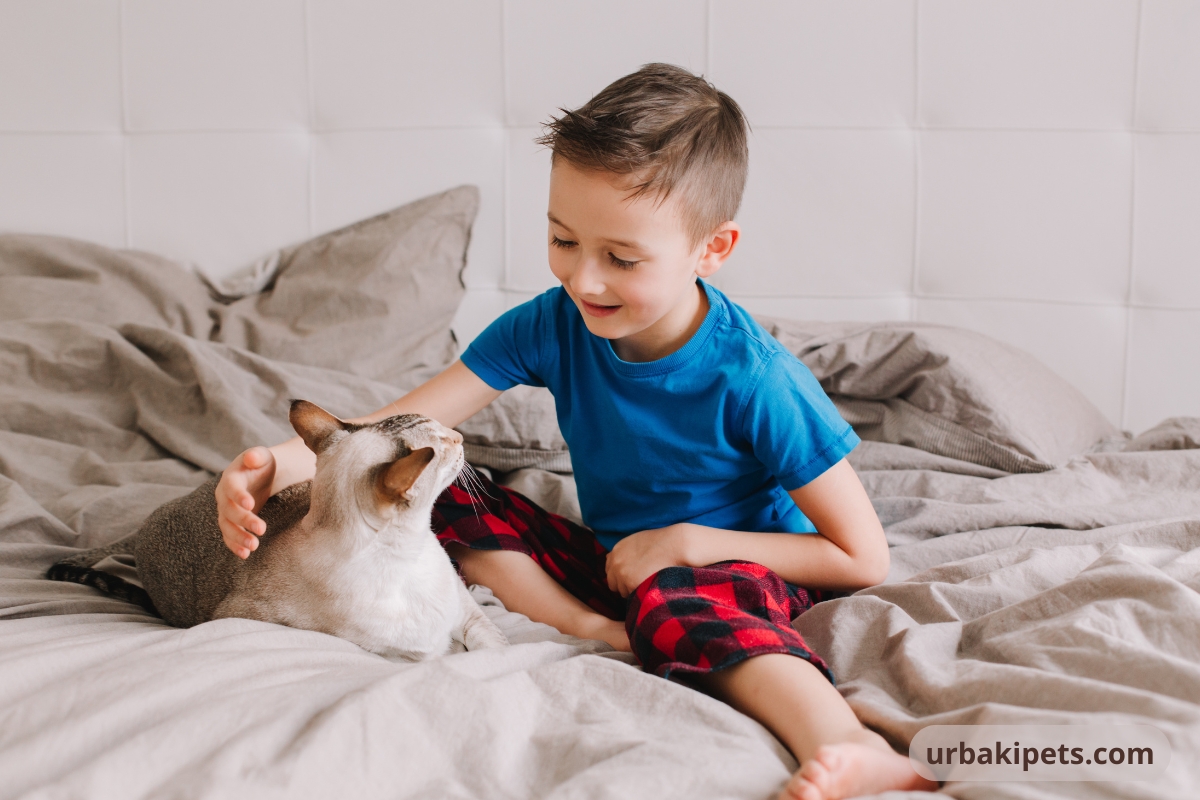
- Teach kids the rules early. Two-finger petting on the head and back, no chasing, no picking up without an adult nearby, and always let the cat walk away.
- Read body language. A swishing tail, flattened ears or skin twitching on the back means "I'm done." If a cat nips during play, our guide on why cats bite and how to stop it can help.
- Play every day. Ten minutes with a wand toy twice a day burns energy and builds a bond.
- Give them height. Cats feel safer when they can watch the action from above. A cat tree or window perch helps a shy cat relax in a busy home.
- Book a vet check. Schedule a first visit soon after adoption to set up vaccines, parasite prevention and spay or neuter if needed.
Our Favorite Picks for a New Family Cat
These are simple, useful basics that make the first weeks easier for both the cat and the family.
Feandrea Multi-Level Cat Tree
A tall tower with perches, a condo and scratching posts gives a new cat its own territory above the household chaos. Great for bigger breeds like Maine Coons and Ragdolls. Check it on Amazon
FUKUMARU L-Shaped Cardboard Scratcher
Cardboard scratchers are cheap, and most cats love them. Put one next to the sofa to save your furniture from day one. Check it on Amazon
CATENAS Feather Wand Toy Set
Wand toys keep little hands at a safe distance while kids and cats play together. Swap the attachments to keep things interesting, and put the wands away after playtime. Check it on Amazon
Amazon Basics Hooded Cat Litter Box
A covered box keeps litter where it belongs and gives shy cats some privacy. Place it in a quiet spot, away from food and busy hallways. Check it on Amazon
Henkelion Soft-Sided Cat Carrier
You will need a carrier for that first vet visit. Leave it open in the living room with a blanket inside so your cat learns it is a safe place, not a scary one. Check it on Amazon
Zakkart Window Perch
A window seat is "cat TV" and a great retreat when the house gets loud. Check it on Amazon
When to See a Vet
Even the friendliest breed can become grumpy or withdrawn when something is wrong. Call your veterinarian if your cat suddenly starts hiding, stops eating, uses the floor instead of the litter box, hisses or bites when touched in a certain spot, or seems much less active than usual. Sudden changes in behavior are often the first sign of pain or illness, not a "bad attitude."
Frequently Asked Questions
What is the most kid-friendly cat breed?
Ragdolls, Maine Coons and Birmans are often named the most kid-friendly breeds because they are patient, calm and enjoy company. That said, an adult shelter cat that is known to like children can be just as good a choice.
Are male or female cats better for families?
Personality matters more than sex. Once spayed or neutered, both males and females can be loving family pets. Many owners find neutered males a little more laid-back, but there are plenty of exceptions.
Is a kitten or an adult cat better for first-time owners?
An adult cat is usually easier. Kittens are fun but need constant supervision, training and lots of play, and their adult personality is still unknown. With an adult, what you see is mostly what you get.
Which cat breeds shed the least?
Short-coated breeds such as the Russian Blue, Burmese and Tonkinese tend to shed less than long-haired breeds, and the hairless Sphynx sheds almost nothing. For any cat, regular brushing helps a lot. See our tips on how to reduce cat shedding.
You may also like