
Why Does My Cat Bite Me? 9 Reasons and How to Stop It

This post contains affiliate links. As an Amazon Associate, Urbaki Pets earns from qualifying purchases, at no extra cost to you.
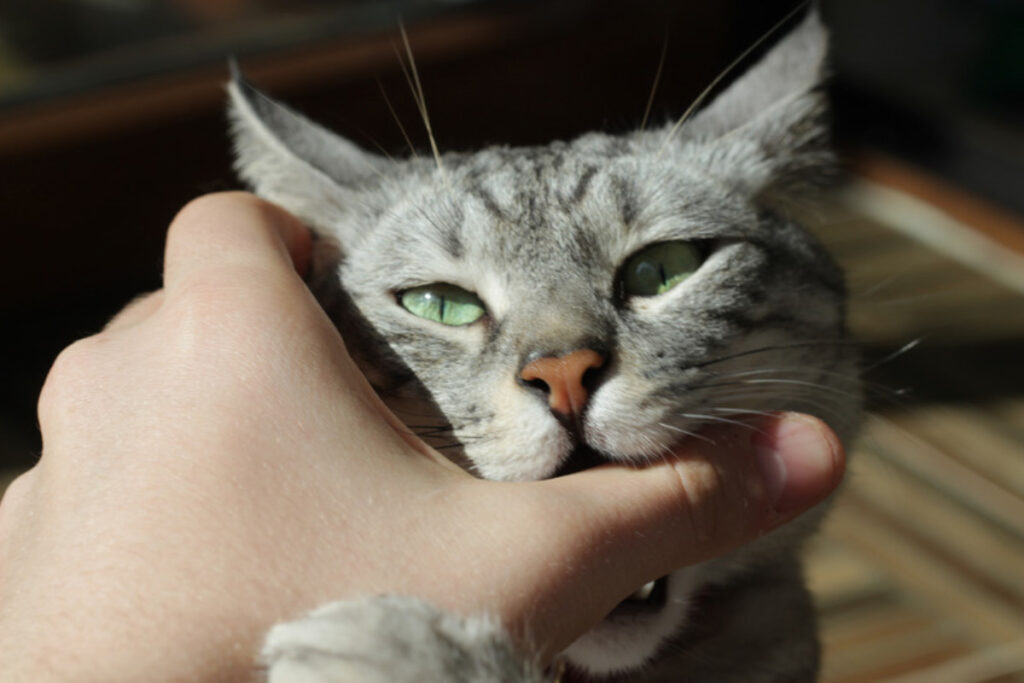
Most cats bite for one of a few simple reasons: they are playing and see your hand as prey, they have had enough petting, they want your attention, or they feel scared or hurt. A bite is almost never spite. Once you know which kind of bite you are dealing with, you can stop it with daily play, the right toys and a little patience, without any punishment.
Biting is pure instinct for a hunter. The trouble starts when your fingers, ankles or toes become the favorite target. Below you will find the nine most common reasons cats bite their people, the body language that comes before a bite, and a simple step-by-step plan to make it stop.
What Does It Mean When a Cat Bites You?
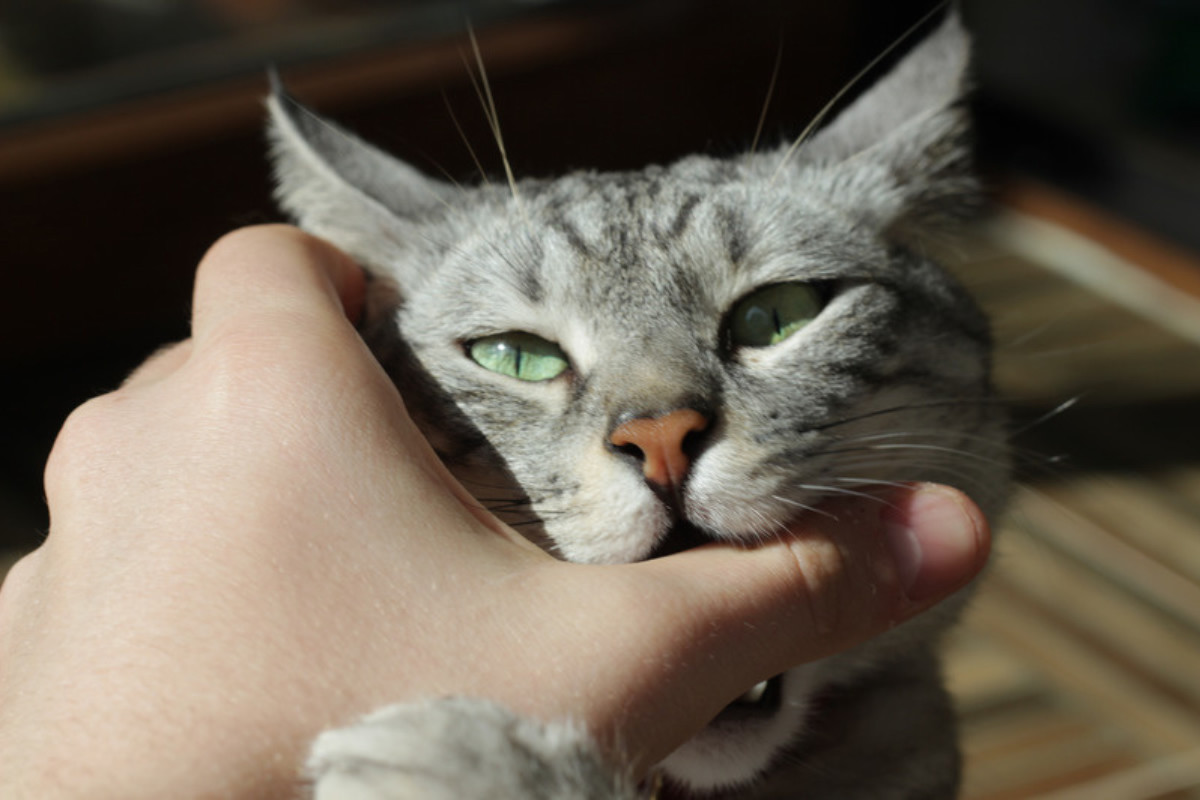
Your cat cannot talk, so it uses its body, its voice and sometimes its teeth to tell you something. Not every bite means the same thing:
- Play bite: quick, light and usually after a stalk or chase. It often comes with bunny kicks from the back legs.
- Love bite: small, gentle nibbles while you pet your cat or while it grooms next to you. These do not break the skin.
- Warning bite: comes after a few seconds or minutes of petting. It means "that is enough for now."
- Fear or defensive bite: hard and fast, with hissing, growling, flattened ears and a tense body. This is the one that hurts most and the one you most want to avoid.
9 Reasons Your Cat Bites You
1. It Thinks Your Hands Are Toys
This is the most common cause, especially in young cats. If your cat learned as a kitten that wiggling fingers or a hand under the blanket were fun to chase, it now sees your hand as fair game.
2. It Is Overstimulated by Petting
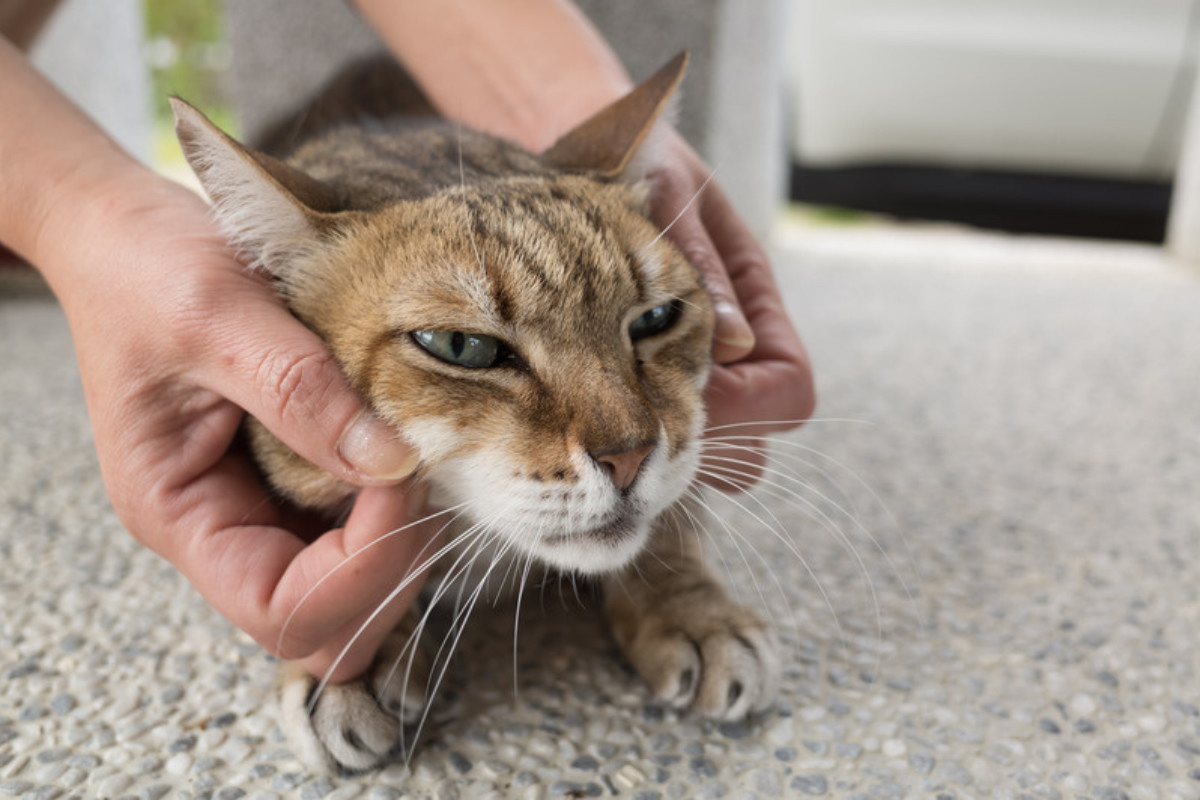
Many cats enjoy being stroked for a while and then suddenly bite. They did not change their mind for no reason. Repeated touch on the same spot builds up until it becomes irritating, and every cat has its own limit. Some reach it after a minute, others after ten. If this sounds familiar, our guide on how to pet a cat without getting bitten walks you through the safest spots and timing.
3. It Wants Your Attention
A cat that walks up, nips your ankle and runs off is usually inviting you to play. This is very common in cats that spend long hours alone or do not have enough toys and play routines. The bite works, because you react, so the habit sticks.
4. It Is Showing Affection
Some cats give soft little nibbles while rubbing against you, sometimes mixed with licks. Cats groom each other this way, so a gentle love bite is a sign of trust. If the nibbles never squeeze or break the skin, there is nothing to worry about, although you can redirect it if you prefer.
5. It Is Hunting, Not Fighting
Ankle attacks from behind the couch are pure predatory play. Cats are built to stalk, chase and pounce several times a day. An indoor cat with no outlet for that energy will invent its own prey, and moving feet are perfect.
6. It Is Scared or Stressed
A frightened cat bites to protect itself. This can happen when you pick it up unexpectedly, when there are guests, loud noises, a new pet in the house or big changes like a move. The body language is usually very clear, and you will learn to read it in the next section.
7. Redirected Aggression
Sometimes a cat sees another cat through the window, hears a strange noise or gets startled, and it cannot reach the real target. All that tension goes to the nearest living thing, which is often you. If your cat suddenly bites while staring out the window or right after a scare, give it space and a quiet room to calm down before you touch it.
8. Something Hurts
If your cat never used to bite and suddenly starts, especially when you touch a certain spot, it may be in pain. Sore teeth or gums, a wound, stiff joints and many other problems can make a cat grumpy and touchy. This kind of biting will not improve with training. It needs a vet visit.
9. It Is a Teething or Untrained Kitten
Kittens explore the world with their mouths and lose their baby teeth at a few months old. Chewing and biting are normal at this stage, but it is also the best time to teach that people are not chew toys. What a kitten learns now usually sticks for life.
Warning Signs Your Cat Is About to Bite
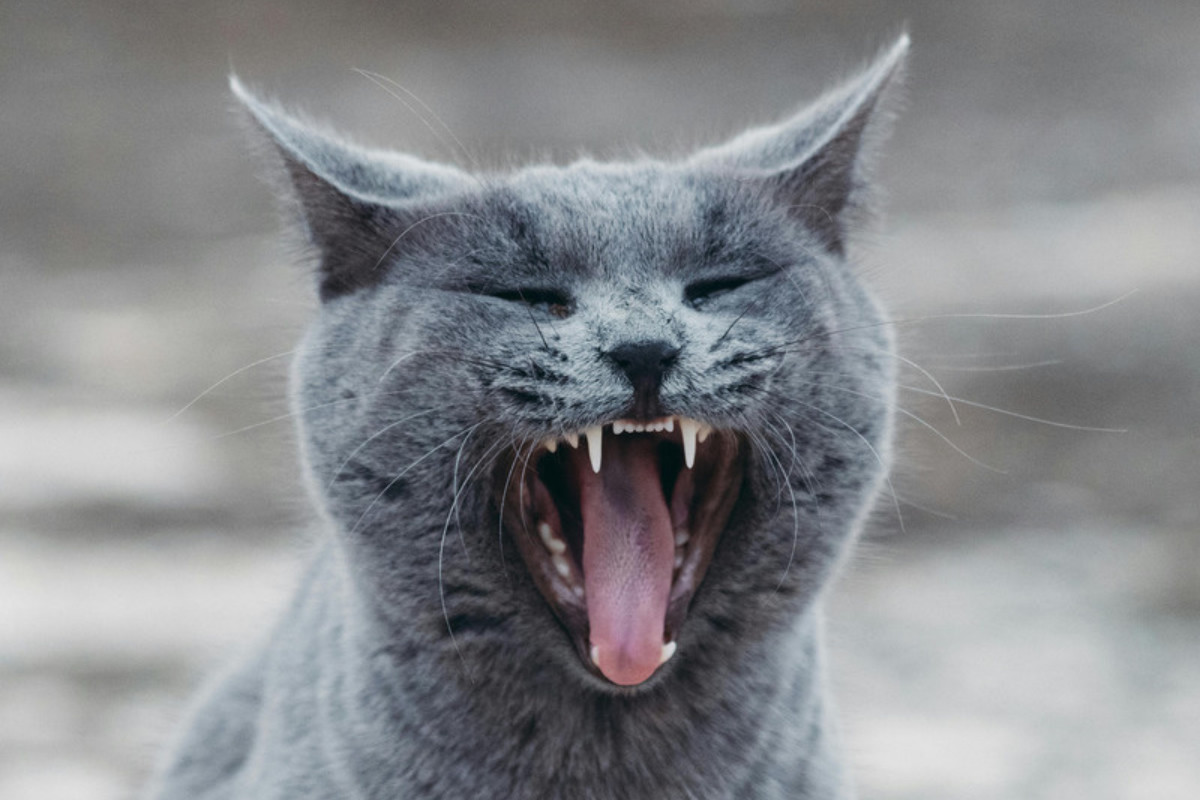
Almost every bite comes after a few warnings. Learn to spot them and you can stop before it happens:
- The tail swishes or thumps from side to side, or just the tip twitches.
- The ears turn sideways or flatten back against the head.
- The skin along the back ripples or twitches when you touch it.
- The purring stops suddenly, or the cat goes still and stiff.
- It turns its head to stare at your hand.
- The pupils get big and round.
- It hisses, growls or puffs up the fur on its back and tail.
When you see any of these signs, stop petting and slowly move your hand away. If you want to understand more of what your cat is telling you, read about the real meanings behind strange cat behaviors.
What to Do in Each Situation
If Your Cat Bites While You Pet It
Keep petting sessions short and let your cat ask for more. Most cats prefer the head, cheeks and under the chin. The belly, paws and base of the tail are often off-limits, even when a cat rolls over and shows its tummy. That pose is usually a sign of trust, not an invitation for a belly rub.
If Your Cat Bites and Kicks With Its Back Legs
Bite plus bunny kicks is classic hunting play. Do not yank your hand back, since that makes the cat hold on tighter. Go still and limp, gently ease your hand free, and offer a long kicker toy it can grab and kick instead.
If Your Cat Attacks Your Ankles or Feet
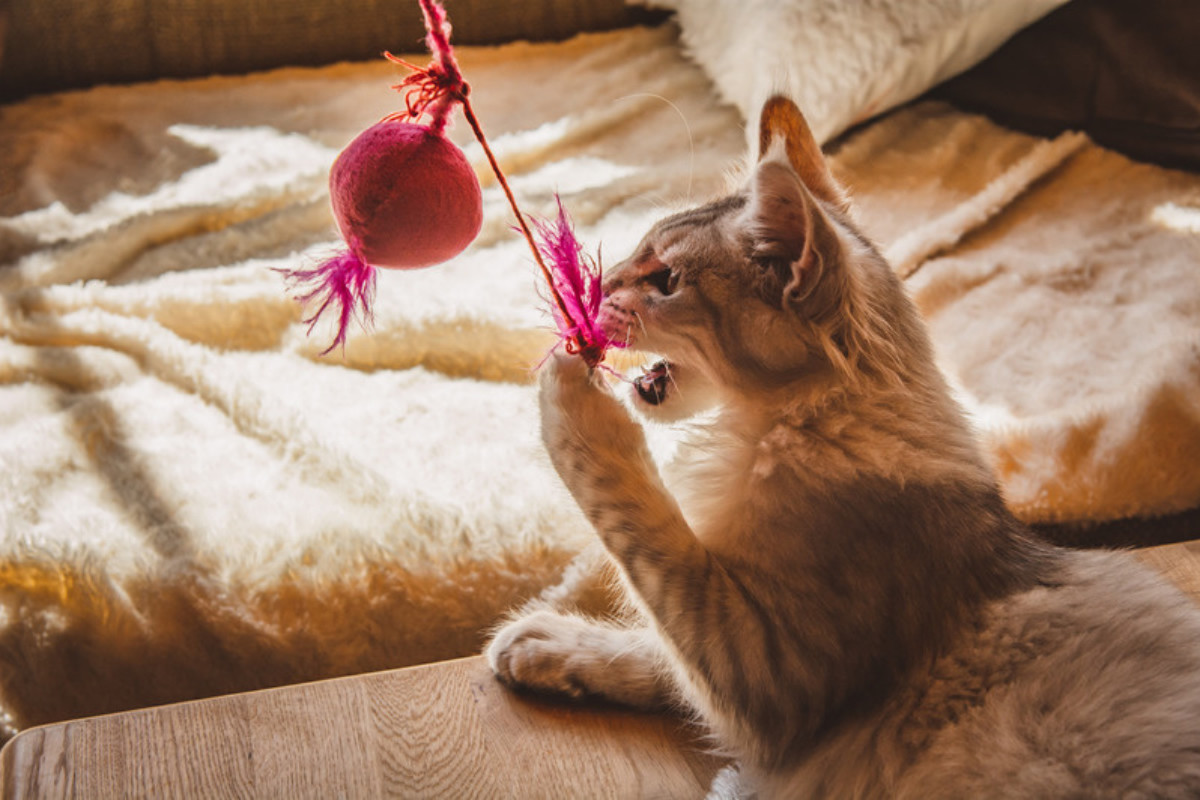
This is a cat with energy to burn. The fix is two or three play sessions a day with a wand toy, letting your cat stalk, chase and finally catch the "prey." Keep a toy handy near the spots where ambushes usually happen so you can redirect right away.
If a Bite Breaks the Skin
Cat bites can get infected easily, even when the wound looks small, because their thin teeth go deep. Wash the area right away with plenty of soap and running water and contact a doctor, especially if the bite is on your hand or you notice redness, swelling or pain that gets worse.
How to Stop Your Cat From Biting, Step by Step
- Never use your hands or feet as toys. Not even with a tiny kitten. Everyone in the house has to follow this rule, or your cat gets mixed messages.
- Always keep a toy within reach. Wands, toy mice or balls. When your cat goes for your hand, redirect it to the toy.
- Play every day. Aim for 10 to 15 minute sessions where your cat can chase, jump and catch. A tired, satisfied cat bites much less. Not sure what to buy? See how to choose the right toy for your cat.
- End the game when teeth touch skin. Go still, calmly walk away for a few minutes, then come back and play only with the toy. Your cat learns that biting people ends the fun.
- Reward calm behavior. Give a treat or a short chin scratch when your cat plays nicely or approaches without biting. Positive reinforcement works far better than scolding.
- Do not punish. Yelling, tapping the nose or spraying water makes a cat fearful, and a fearful cat bites more, not less. It is one of the most common mistakes cat owners make.
- Enrich the environment. Scratching posts, high perches, puzzle feeders and a window with a view all give your cat other things to "hunt." Scratching posts also save your couch, as you can read in why cats scratch furniture.
Consistency is everything. Most cats show a real change within a few weeks when the whole family sticks to the same rules.
Our Favorite Picks to Redirect Biting
The right toys make redirection much easier. These are simple, well-loved options that give your cat something better than your hands to bite and chase:
- Feather wand toy: Keeps several feet between your hand and your cat's teeth while it chases a fluttering "bird." Perfect for daily hunting sessions. GoCat Da Bird Feather Toy
- Catnip kicker toy: A long toy your cat can hug, bite and bunny kick, so that energy lands on the toy instead of your arm. Check it on Amazon
- Tall scratching post: Gives your cat a place to stretch and release tension. Put it near the spots where it likes to ambush you. MECOOL Tall Scratching Post
- Treat puzzle: Makes your cat "work" for snacks, which burns mental energy and helps bored cats that bite for attention. Catstages Buggin' Out Puzzle
- Crinkle tunnel: Great for ankle attackers. Your cat can hide, stalk and pounce on toys from inside the tunnel. Check it on Amazon
When to See a Vet
Take your cat to the vet if:
- It started biting suddenly and never did before.
- It bites or hisses when you touch one specific part of its body.
- Along with biting, it eats less, hides, limps, licks one area a lot or changes how it uses the litter box.
- Bites keep getting harder or more frequent even after you follow the tips above.
Your vet can rule out pain or other health problems and, if needed, refer you to a feline behavior specialist.
Frequently Asked Questions
Why does my cat bite me and then lick me?
It is usually a mix of affection and grooming. Cats lick and nibble each other when they clean, so gentle bites followed by licks are a sign of trust. If the bites start to squeeze harder, calmly move your hand away.
Do kittens grow out of biting?
Not always. If a kitten learns that hands are toys, the habit usually carries into adulthood. That is why it pays to teach kittens early to play only with toys.
Does my cat bite me because it doesn't like me?
No. Most bites are play or warning bites, and some are even affectionate. Learning to read your cat's body language and respecting its limits usually improves your relationship a lot. For easy ways to make your cat's day better, try these easy hacks your cat will love.
You may also like