
Betta Fish Care 101: 5 Must-Know Tips for a Happy and Healthy Fish


Betta fish, also known as Siamese fighting fish, are one of the most popular aquarium species due to their stunning colors and fascinating personalities.
However, to keep a betta happy and healthy, it’s essential to understand their specific care requirements. In this guide, we’ll explore the five most important tips for ensuring your betta thrives in your care.
1. The Right Tank Size: More Space Means More Happiness
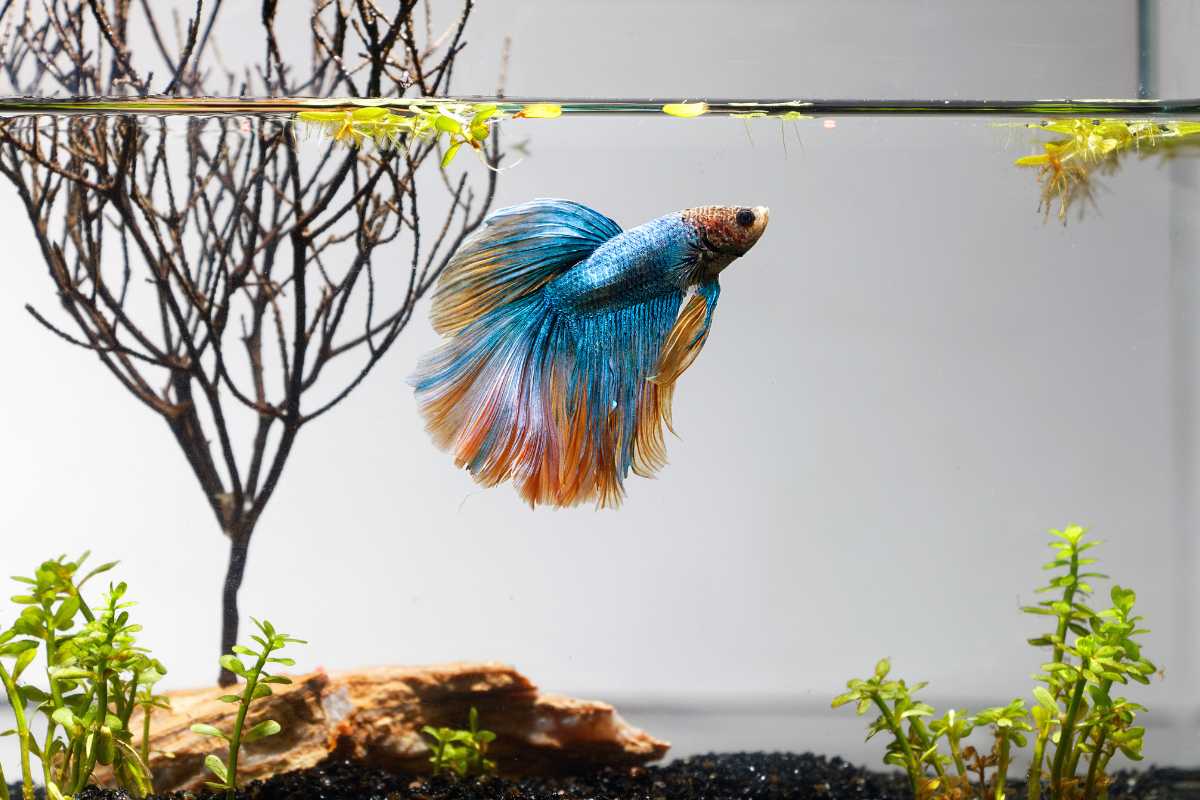
While bettas are often kept in small bowls, they truly flourish in larger aquariums.
A common misconception is that bettas don’t need much space, but this couldn’t be further from the truth. A minimum of 5 gallons is recommended for a single betta.
A larger tank not only provides enough room for swimming but also helps maintain water quality and temperature stability.
The tank should also have a lid to prevent your betta from jumping out. Even though bettas are not known for being huge jumpers, they can sometimes surprise you with their agility.
Adding decorations and plants to the tank can provide hiding spots, making your betta feel more secure and reducing stress.
2. Water Quality and Temperature: Key Elements for a Healthy Betta
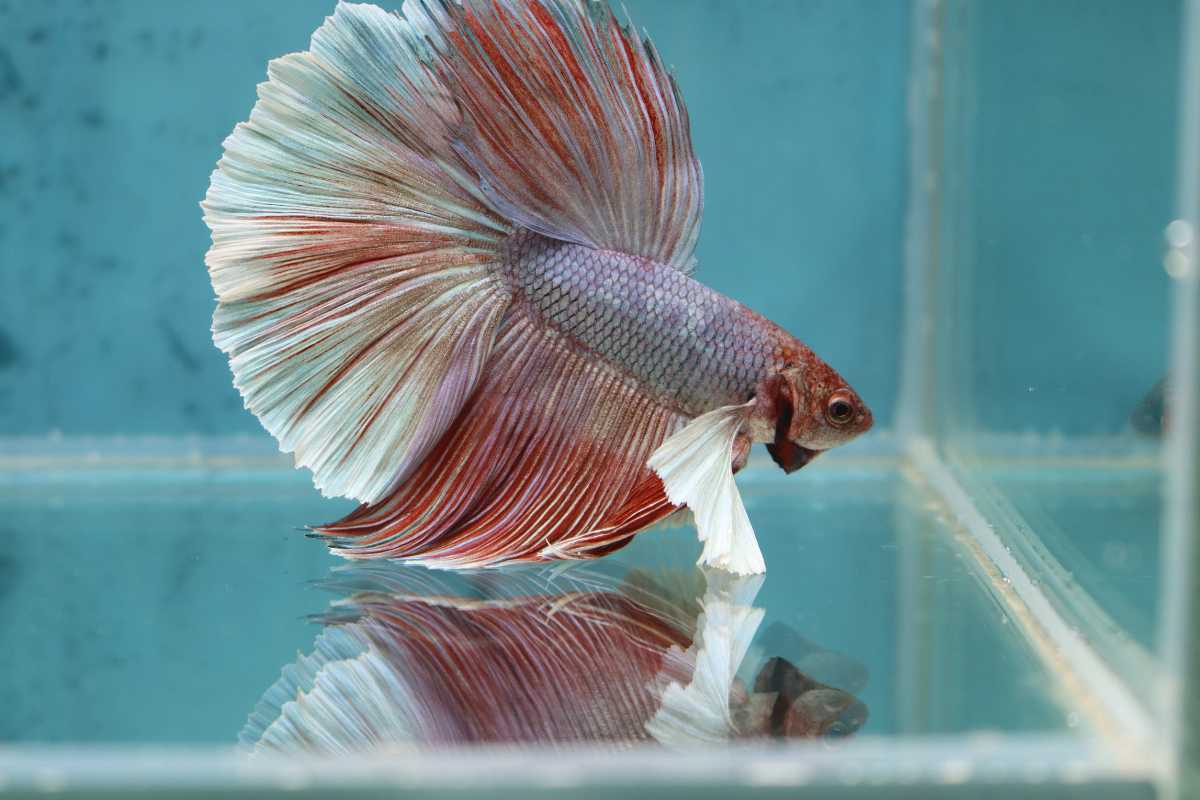
Water quality is one of the most important aspects of betta fish care. Bettas are tropical fish, meaning they require a warm environment to thrive.
The water temperature should be maintained between 76°F and 82°F (24°C to 28°C). It’s best to use a reliable aquarium heater to ensure the water stays within the ideal range.
Sudden temperature changes can lead to stress and weaken the fish’s immune system.
Additionally, water quality is crucial. Regular water changes are necessary to maintain a healthy environment.
Perform weekly water changes of 25–30% to prevent the build-up of harmful chemicals like ammonia and nitrites. Use a good filter that can handle the water flow without being too powerful, as bettas prefer calm waters.
Avoid tap water with high chlorine content; instead, use dechlorinated water or let tap water sit for 24 hours before adding it to the tank.
3. Betta Fish Diet: What to Feed Your Betta for Optimal Health
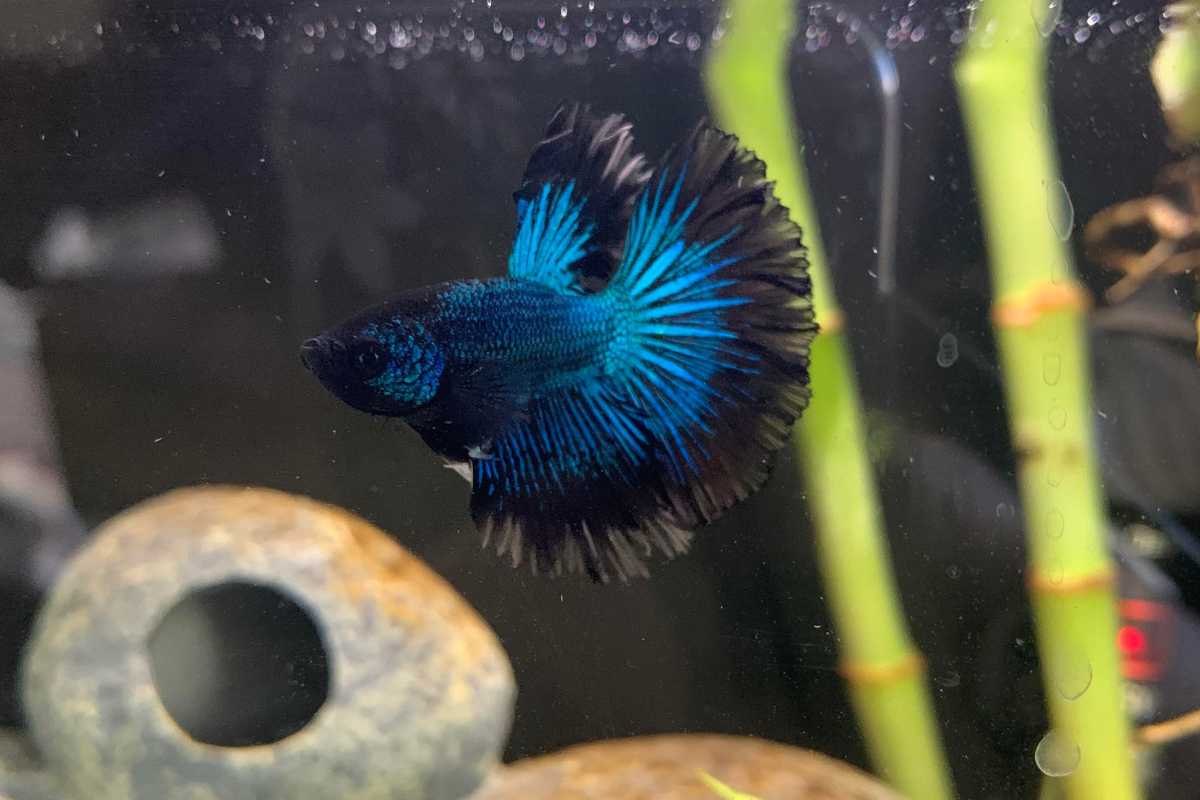
A well-balanced diet is vital for keeping your betta fish vibrant and healthy. Bettas are carnivores, so their diet should consist primarily of high-quality protein.
Look for betta pellets or flakes that are specifically formulated for their dietary needs. Additionally, offering live or frozen foods like bloodworms, brine shrimp, or daphnia can provide variety and simulate the betta’s natural diet.
Feed your betta once or twice a day, but be careful not to overfeed. Overfeeding can lead to obesity and water contamination.
Remove any uneaten food after a few minutes to maintain water cleanliness. It’s also important to fast your betta one day each week to allow their digestive system to reset and avoid bloating.
4. Tank Companions: Choosing the Right Tank Mates
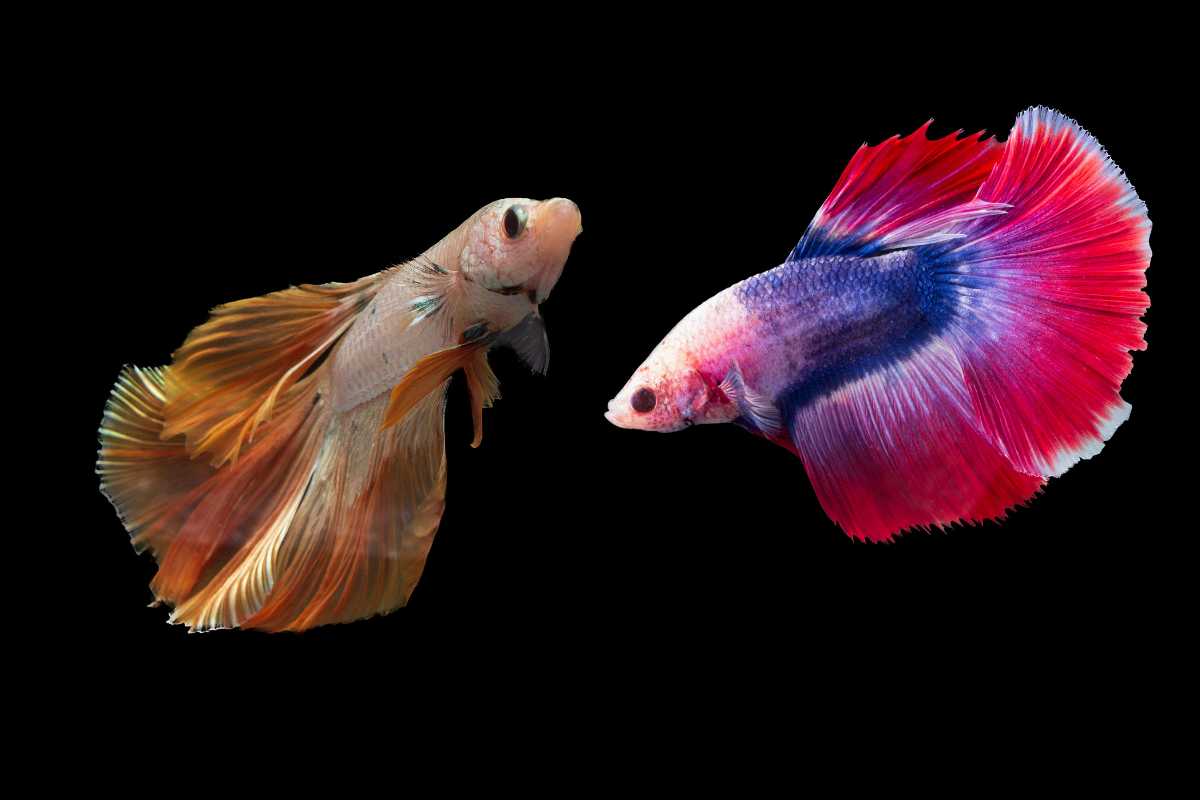
Betta fish are famously territorial and aggressive, particularly males. It’s essential to choose tank mates carefully to ensure your betta’s well-being.
Generally, it’s best to keep a single betta in a tank, especially if it’s a male, as they may fight with other males or fin-nipping fish.
However, some species of fish can live peacefully with bettas. Consider tank mates that are peaceful, non-aggressive, and don’t resemble other bettas.
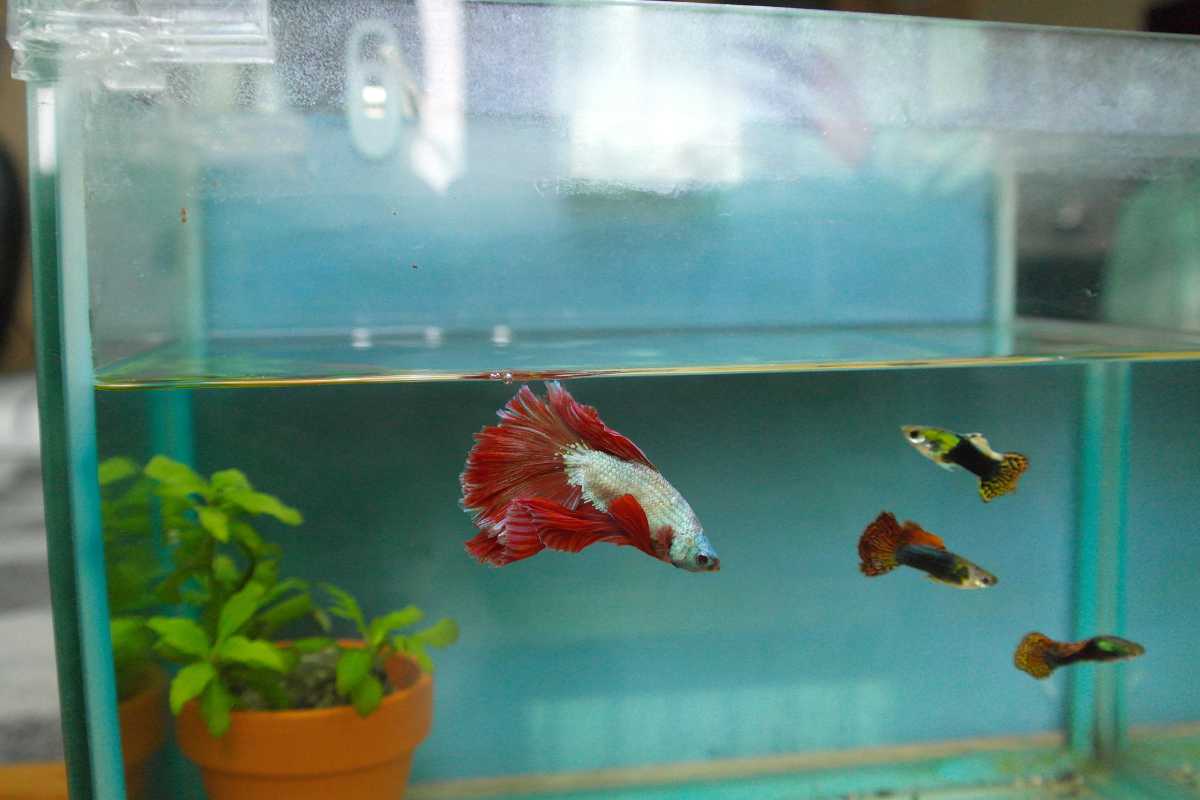
Fish like neon tetras, corydoras catfish, and snails are often compatible. Avoid fin-nipping species like guppies, which may provoke your betta to become aggressive.
5. Understanding Betta Behavior: Signs of Stress and Health Issues
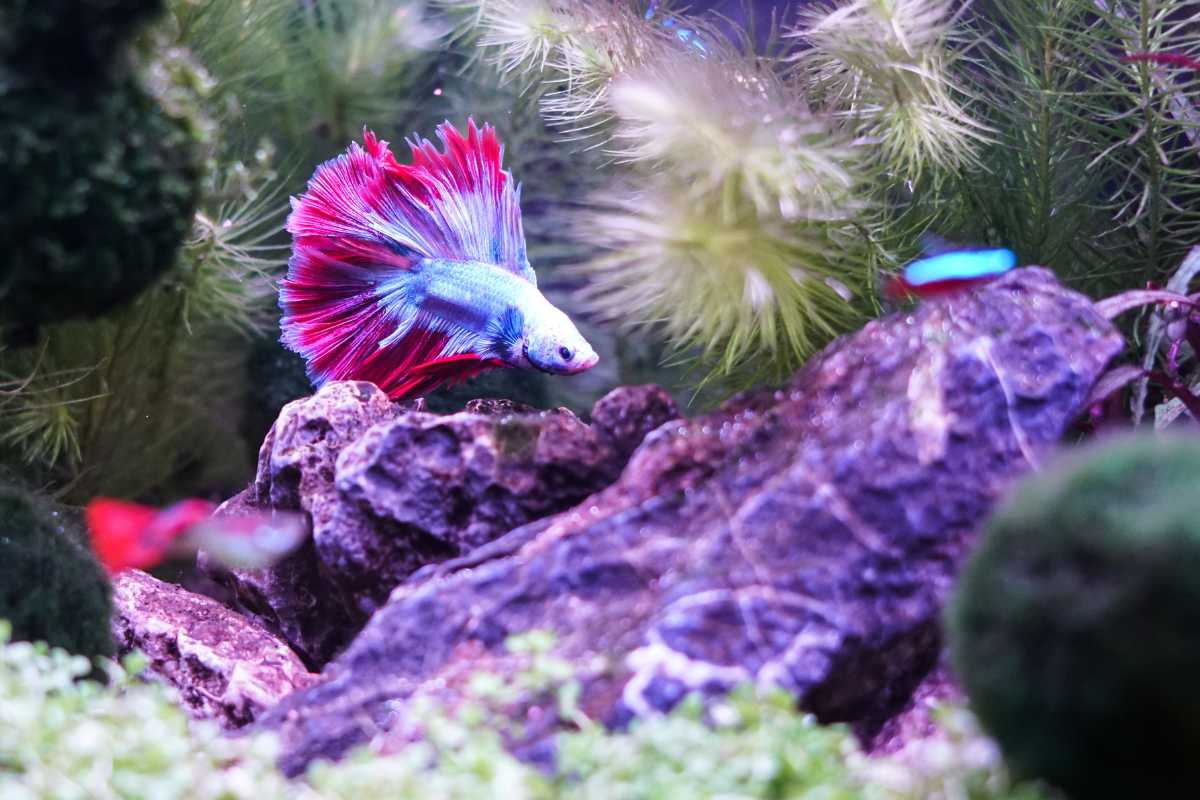
Bettas are relatively hardy fish, but they are sensitive to their environment. Stress can manifest in various ways, such as loss of color, clamped fins, or lethargy.
Common causes of stress include poor water quality, unsuitable tank mates, or a tank that is too small. If your betta is showing signs of stress, it’s crucial to evaluate its environment and make necessary changes.
Betta fish are also susceptible to a few common diseases, including fin rot, velvet disease, and dropsy. Regular monitoring of your betta’s behavior and appearance is essential for catching any health issues early.
If your betta seems unwell, consider consulting with an experienced veterinarian or aquarium specialist.
Bonus Tips for Betta Care

Create a Stimulating Environment
Betta fish are intelligent and enjoy having a variety of enriching activities in their environment. Consider adding live plants, floating logs, and small caves to encourage exploration.
You can also interact with your betta using a betta fish mirror to provoke a healthy display of its flared fins. Just be sure to only use the mirror occasionally, as constant exposure can cause stress.
Regular Maintenance
A well-maintained tank is essential for a happy betta. In addition to regular water changes, ensure your filtration system is working efficiently, and check the temperature regularly.
Cleaning the tank should include wiping down the walls, removing debris, and checking for algae growth. Keep the environment clean and stable, and your betta will thank you with vibrant colors and lively behavior.
Final Thoughts on Betta Fish Care
Taking care of a betta fish may seem like a simple task, but it requires attention to detail and consistent care.
By providing the right tank size, maintaining excellent water quality, offering a balanced diet, and understanding your betta’s needs, you can ensure that your fish lives a long and healthy life.
With their captivating personalities and stunning beauty, bettas can make an excellent addition to any aquarium when cared for properly.
Enjoy The Video About Betta Fish

Source: Girl Talks Fish

You may also like