
Buying a Pet Iguana? 5 Things to Consider FIRST!!


Iguanas are fascinating and unique creatures that can make wonderful pets when cared for properly.
However, owning an iguana requires a solid understanding of their specific needs to ensure their health and happiness.
In this guide, we’ll cover the top things you need to consider before bringing an iguana into your home, from habitat requirements to their diet and potential health issues.
1. Habitat: Creating the Perfect Environment for Your Iguana
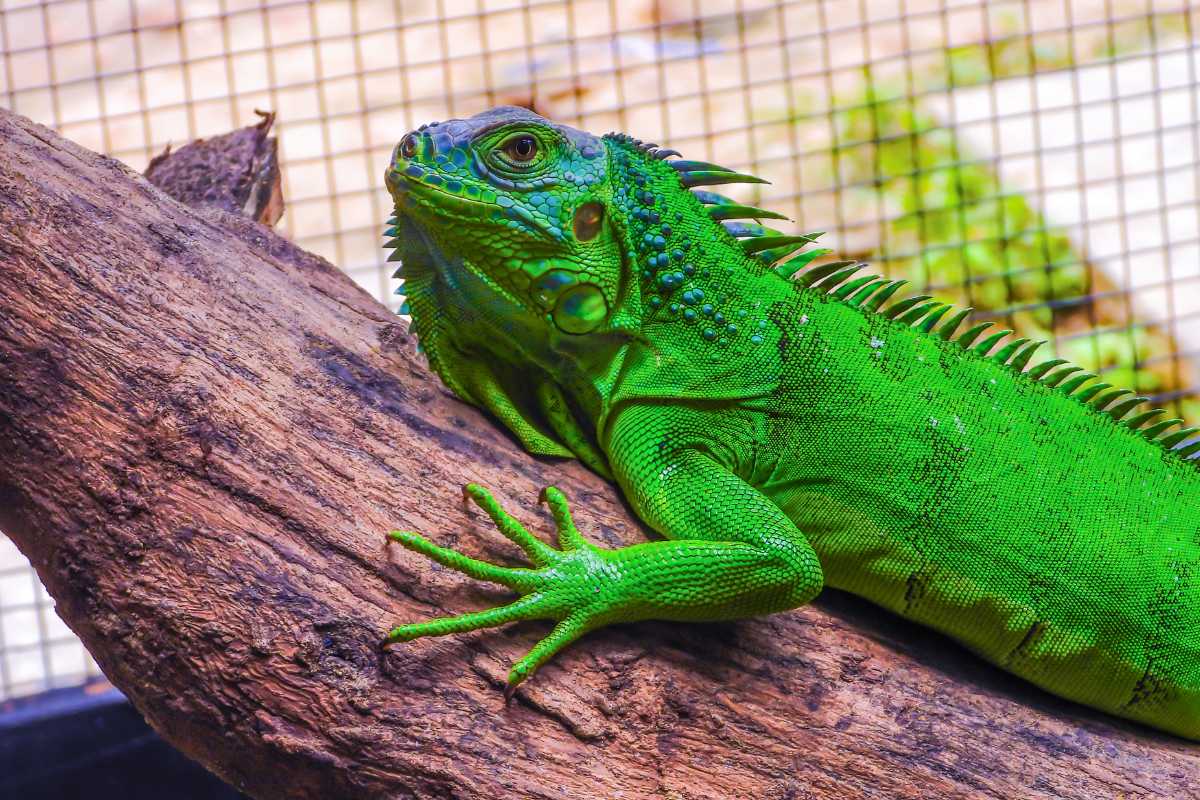
One of the most important aspects of owning an iguana is providing them with an appropriate living space. Iguanas are large reptiles, and their habitat needs to accommodate their size and natural behavior.
Size and Type of Enclosure
Iguanas require a large, secure enclosure to thrive. A single adult iguana will need a minimum of a 6-foot-long, 6-foot-tall, and 6-foot-wide enclosure.
These reptiles are arboreal, meaning they love to climb, so make sure their habitat includes vertical space and branches to climb on.
For younger iguanas, you can start with a smaller enclosure, but you’ll need to upgrade as they grow. Ideally, the enclosure should be made of sturdy materials like wood or glass, with a secure door to prevent escapes.
Lighting and Heat
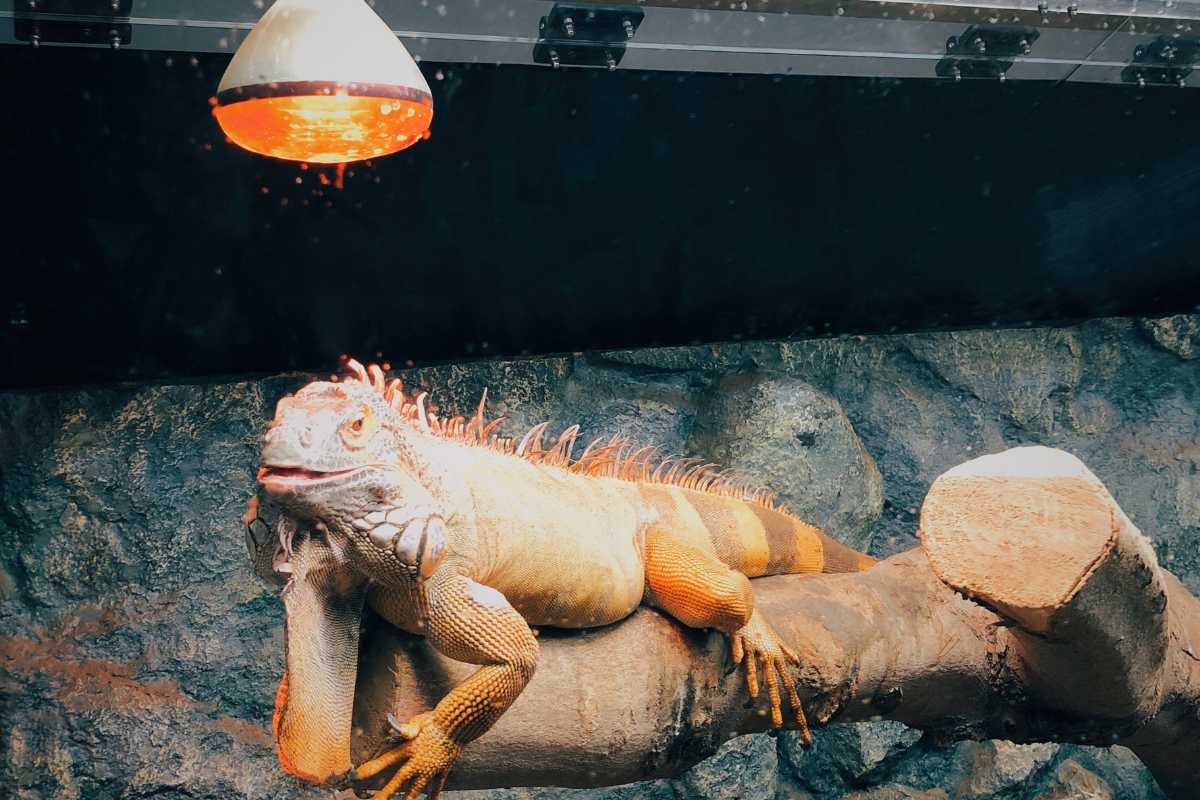
Iguanas are ectothermic, meaning they rely on external heat sources to regulate their body temperature. Proper lighting is essential for their health.
You’ll need a UVB light to help them synthesize vitamin D3, which is crucial for calcium absorption and bone health. Make sure the UVB light is positioned to provide direct exposure to your iguana for at least 10-12 hours a day.
In addition to UVB lighting, a basking lamp will help your iguana maintain the proper temperature.
The basking area should reach around 95-100°F (35-38°C) while the rest of the enclosure can stay around 80°F (27°C). Nighttime temperatures can drop to around 70°F (21°C).
Humidity Levels
Iguanas are native to tropical regions, so maintaining the right humidity level in their enclosure is essential. Aim for humidity levels of 60-80% to keep your iguana comfortable.
You can achieve this by misting the enclosure daily or using a humidifier. A water dish large enough for your iguana to soak in is also a good idea, as they enjoy submerging themselves to hydrate and shed skin.
2. Diet and Supplements: Feeding Your Iguana the Right Way
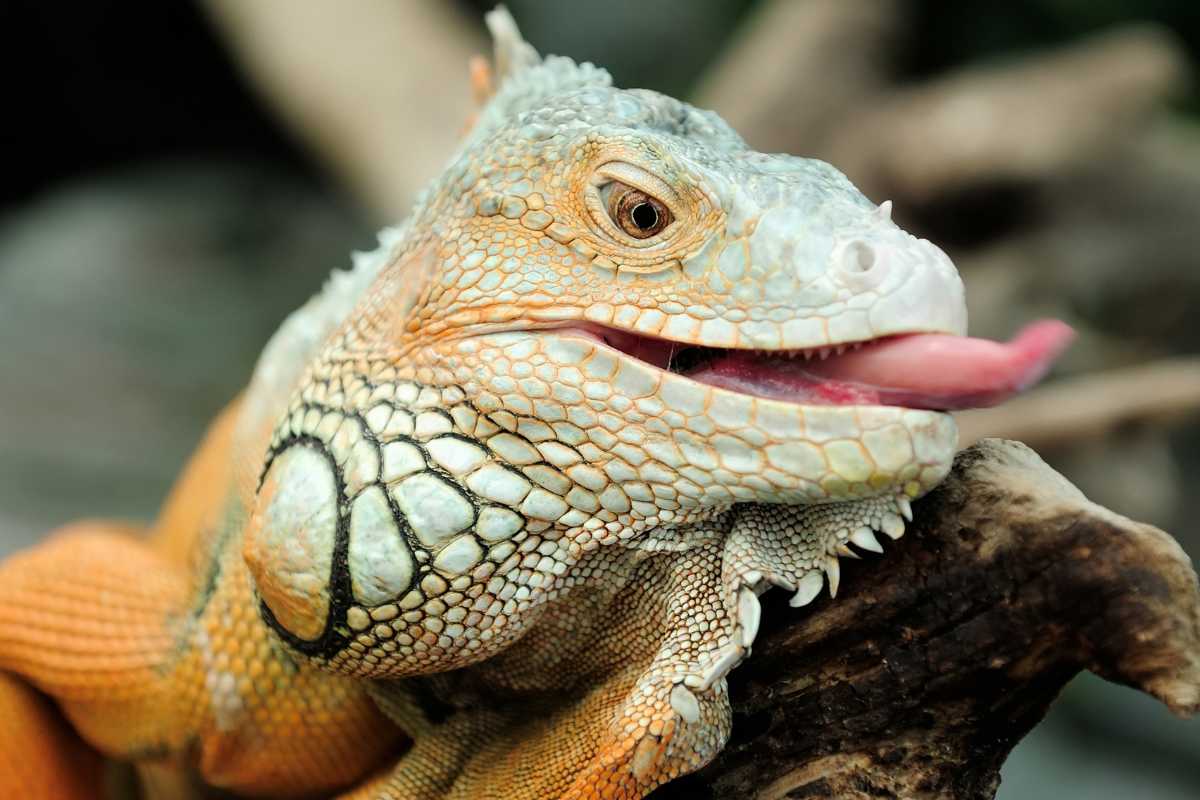
Proper nutrition is crucial for the health and longevity of your iguana. Iguanas are herbivores, so their diet should consist mostly of leafy greens, fruits, and vegetables. Let’s dive deeper into their nutritional needs.
Vegetables and Greens
Your iguana’s main source of food should be leafy greens such as collard greens, mustard greens, and dandelion leaves.
These greens provide essential nutrients like calcium and fiber. Avoid feeding your iguana iceberg lettuce, as it contains little nutritional value.
You can also offer a variety of vegetables like squash, bell peppers, and sweet potatoes. Try to incorporate a range of colors in their diet to ensure a variety of nutrients.
Fruits for Variety

Fruits can be offered in moderation as treats. Some good options include mango, papaya, bananas, and berries. However, be mindful of the sugar content, as too much fruit can lead to digestive issues or obesity.
Supplements
Although a well-balanced diet should provide most of the nutrients your iguana needs, calcium supplements are essential, especially if you don’t feed them a varied diet.
Dusting their food with a calcium powder a few times a week will help prevent metabolic bone disease, a condition that can occur due to a calcium deficiency.
In addition to calcium, consider using a multivitamin supplement to ensure your iguana gets all the nutrients it needs.
3. Handling and Behavior: Understanding Your Iguana’s Needs
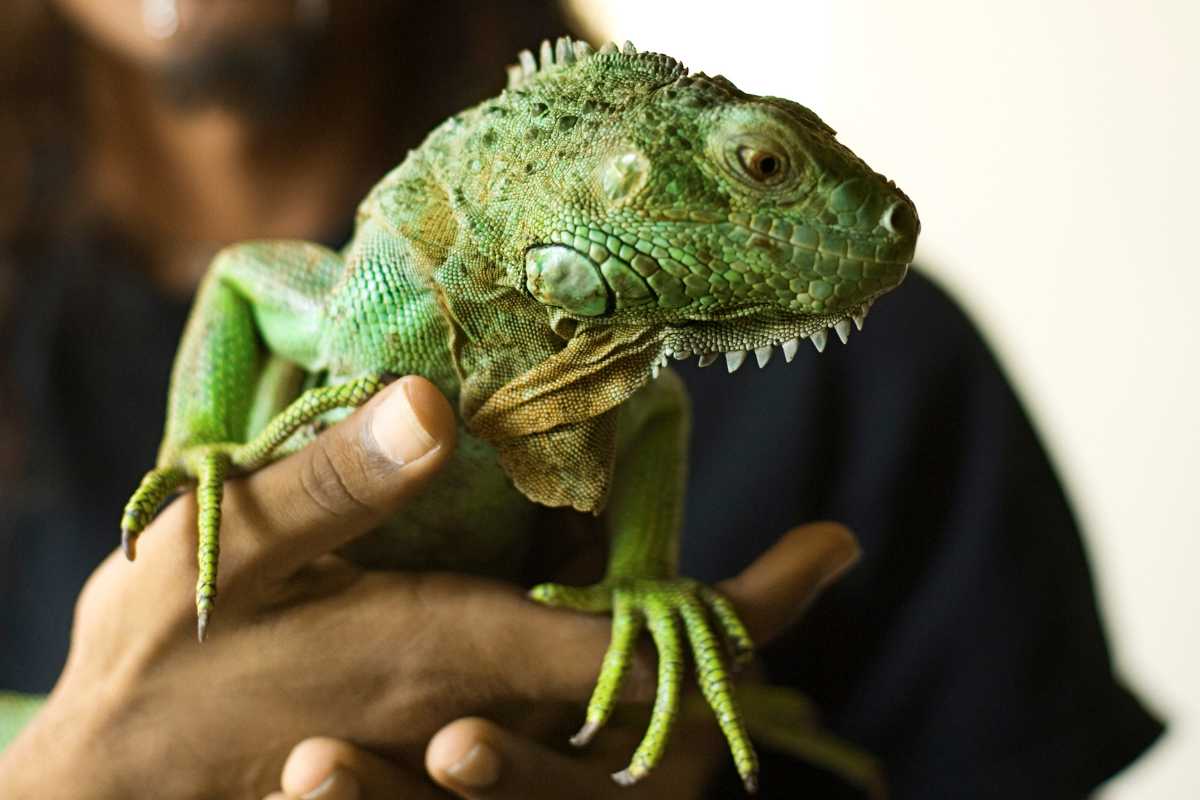
Iguanas are not always the cuddly type of pet you might expect. While some can become accustomed to human interaction, they can also be wary and easily stressed. Understanding their behavior is key to building a trusting relationship.
Socialization and Handling
Iguanas can be territorial, so it’s important to give them time to adjust to their new home. Start by letting them explore their enclosure and acclimate to their environment.
When you begin handling your iguana, do so gently and gradually, allowing them to get used to your touch. Avoid picking them up by the tail, as this can cause stress and injury.
You can build trust over time by handling your iguana regularly, but never force them to interact if they seem stressed or defensive.
Signs of Stress or Aggression
Iguanas will show signs of stress or aggression when they feel threatened. Some common behaviors include hissing, tail whipping, or puffing up.
If your iguana displays these signs, back off and give them some space. Stress can lead to health problems, so it’s essential to minimize anxiety and keep their environment calm.
4. Health Concerns: Potential Issues and How to Prevent Them
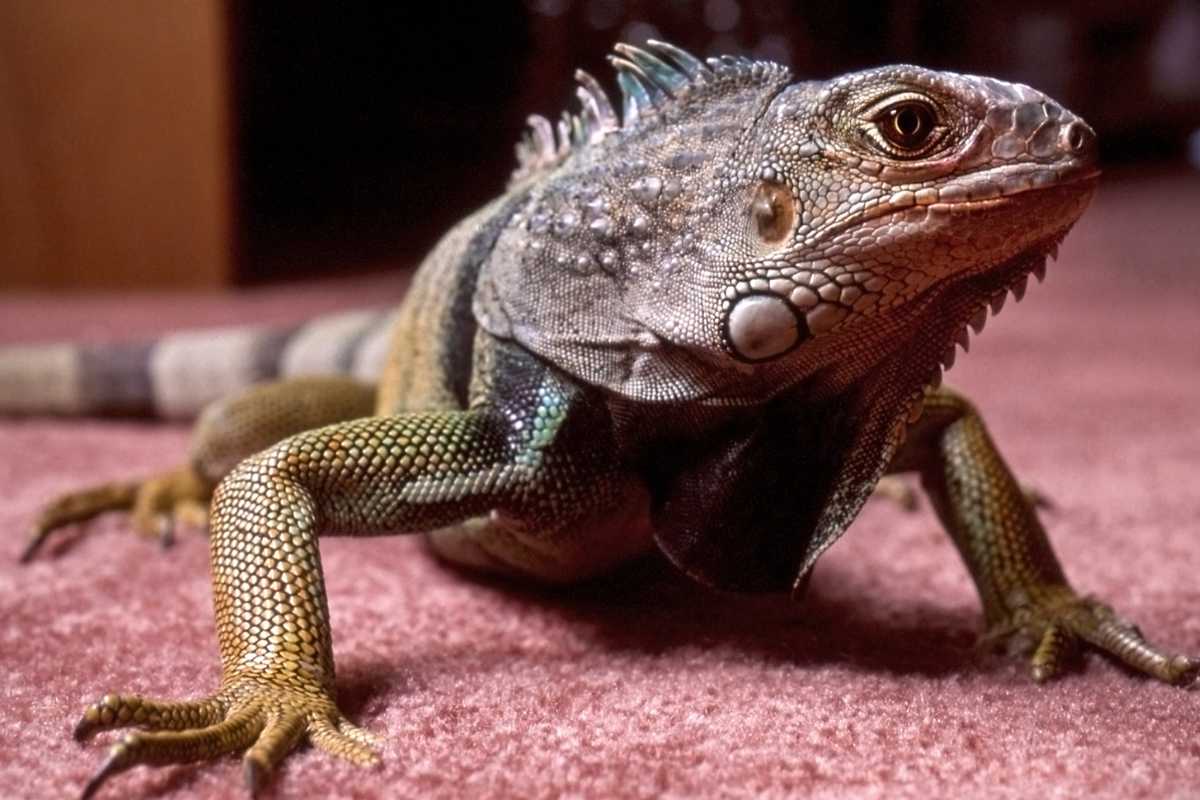
Like all pets, iguanas are prone to certain health issues. Being aware of these problems and taking preventive measures can help ensure your iguana lives a long and healthy life.
Metabolic Bone Disease (MBD)
One of the most common health issues in iguanas is metabolic bone disease (MBD), which is caused by a lack of calcium, inadequate UVB light, or improper diet.
To prevent MBD, make sure your iguana has access to proper lighting, a balanced diet with enough calcium, and vitamin D3 supplements if necessary.
Respiratory Infections
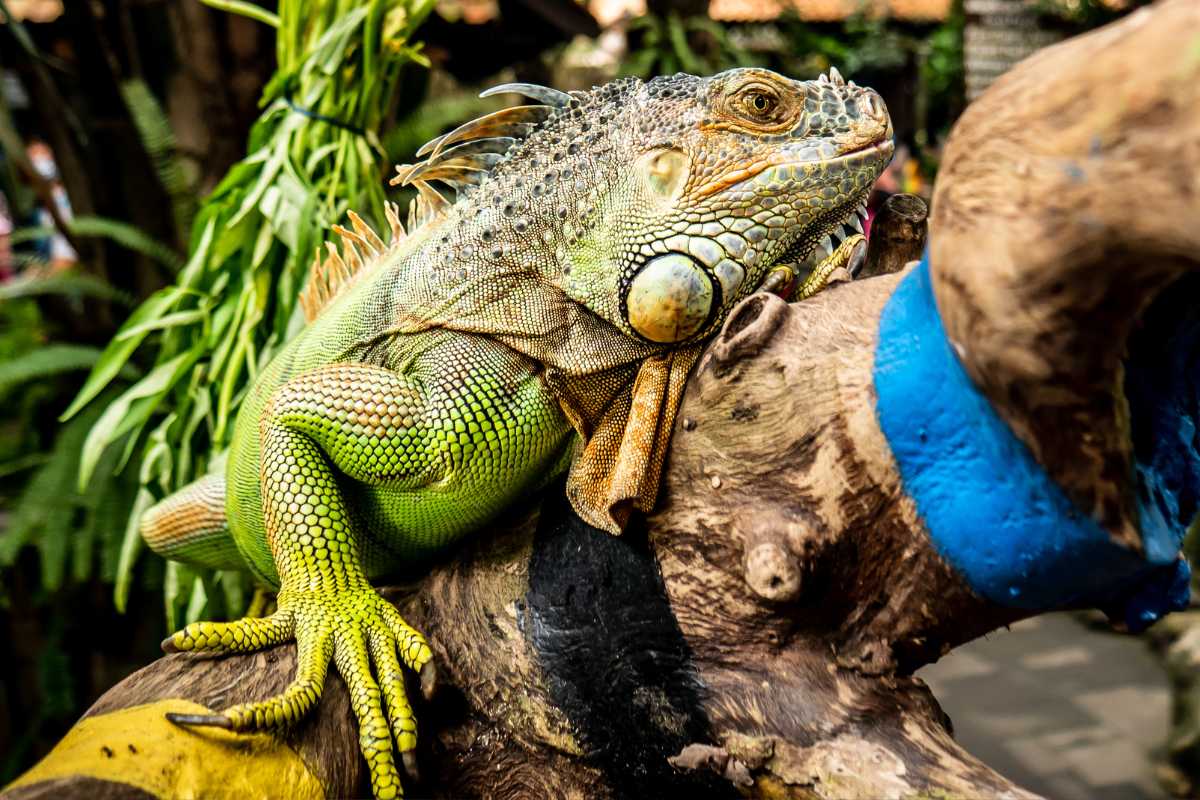
Iguanas are also susceptible to respiratory infections, particularly if their environment is too cold or humid. Signs of a respiratory infection include wheezing, nasal discharge, or labored breathing.
To prevent these infections, ensure your iguana’s habitat maintains the correct temperature and humidity levels.
Parasites
Iguanas can carry parasites, which can affect their digestive system. If you notice your iguana has trouble eating, lethargy, or diarrhea, a visit to the vet is necessary to check for internal parasites.
5. Legal and Ethical Considerations: Understanding the Responsibility of Iguana Ownership
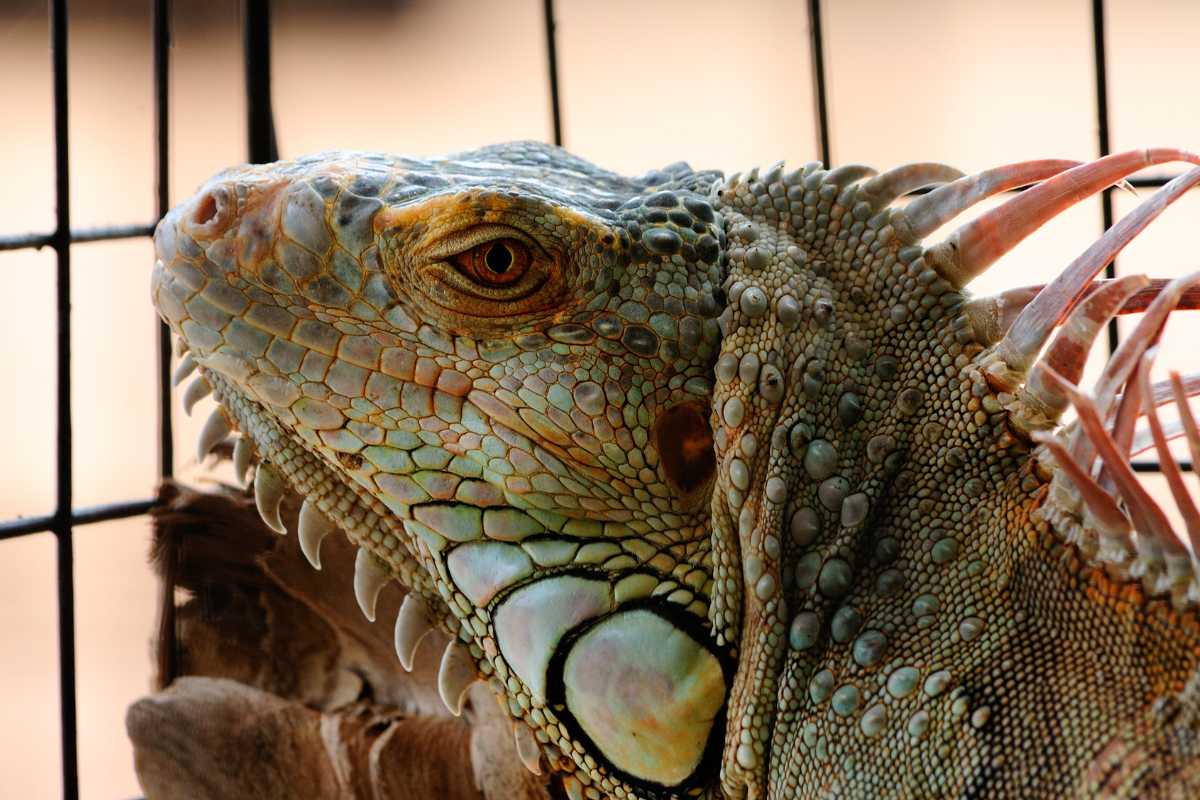
Before getting an iguana, it's important to understand the legal and ethical implications of owning one.
Legal Restrictions
In some regions, keeping iguanas as pets is regulated, and certain species may be illegal to own. Always check your local laws to ensure that owning an iguana is allowed in your area.
Ethical Concerns: Captivity and Conservation
Iguanas are often captured from the wild and sold as pets, which raises concerns about wildlife conservation. If you're considering getting an iguana, opt for captive-bred animals to help reduce the pressure on wild populations.
Additionally, make sure that the breeder you purchase from practices ethical breeding methods and cares for their animals properly.
Conclusion: Is an Iguana the Right Pet for You?
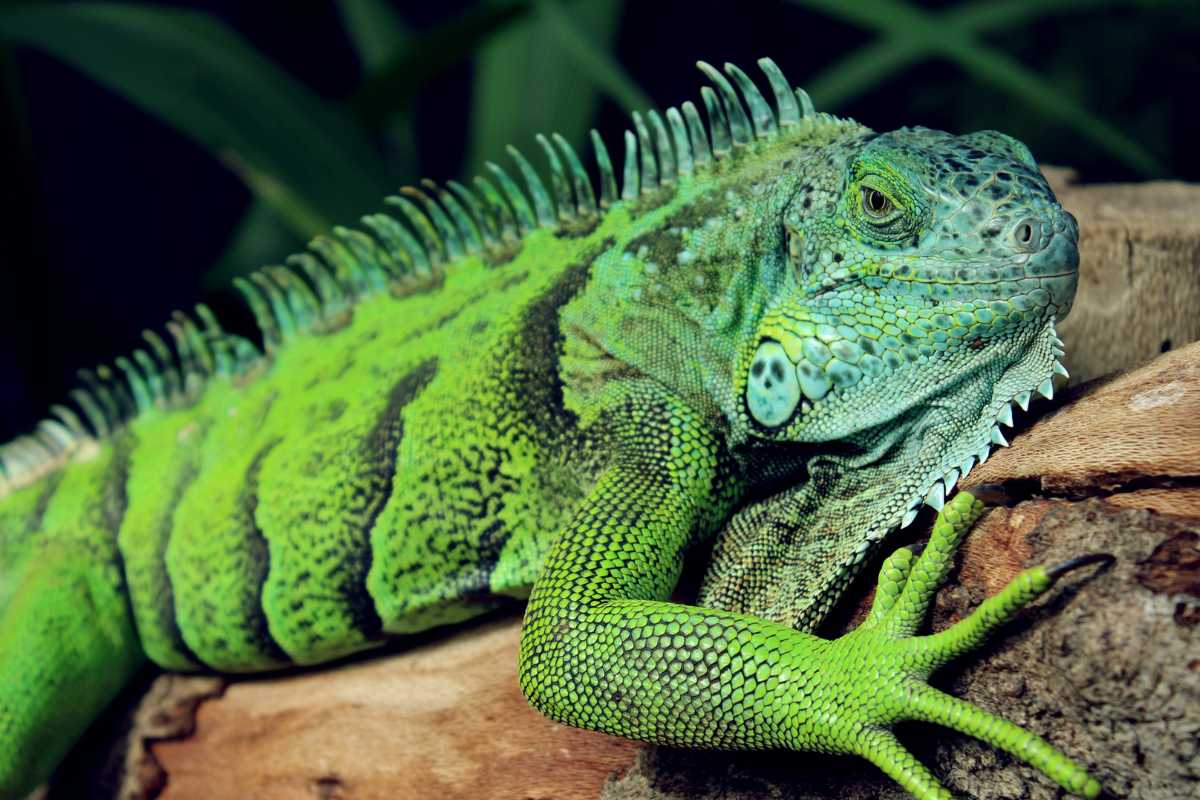
Iguanas are unique, long-lived reptiles that require a lot of care and attention. Before bringing one into your home, it’s important to consider their specific habitat, diet, and health needs.
While iguanas can make great pets, they also require a serious commitment to their care.
By providing a proper environment, a balanced diet, and regular checkups, you can ensure that your iguana thrives for many years to come.
If you’re ready for the responsibility, owning an iguana can be a rewarding experience for both you and your new pet.
Enjoy The Video About Reptiles

Source: Devine Reptiles
Did you find this post useful or inspiring? Save THIS PIN to your Pets Board on Pinterest!

You may also like