
Chinese Water Dragon - The Best Pet Lizard?


Quick answer: Is a Chinese water dragon the “best pet lizard”? It depends. They are stunning, active, semi-arboreal swimmers that can become tolerant of handling, but they aren’t beginner reptiles.
They need a very large, tall enclosure, reliable humidity, and strong UVB and heat. If you love building naturalistic habitats and daily upkeep, this species can be an incredibly rewarding companion.
Habitat & Enclosure Size
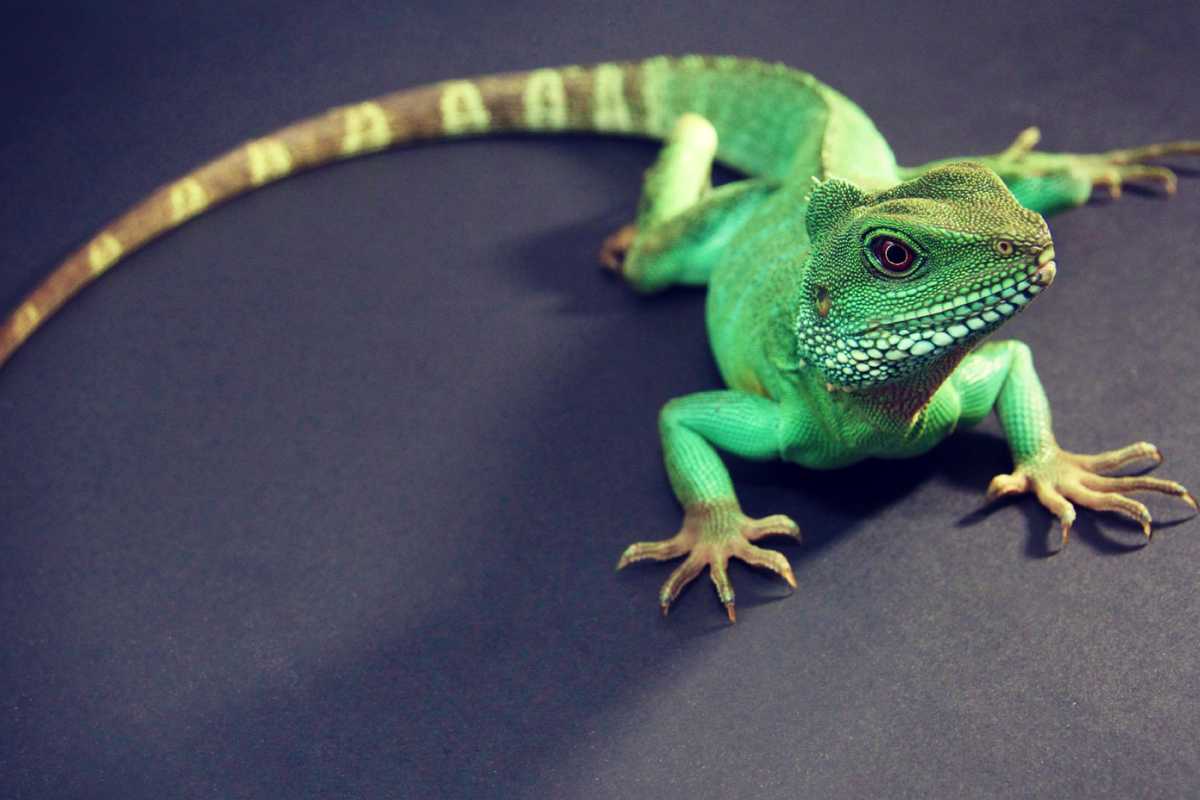
Chinese water dragons are athletic climbers and jumpers that relish vertical space. For a single adult, aim for at least 6 ft (L) × 3 ft (W) × 6 ft (H) (≈ 180 × 90 × 180 cm), which is roughly ~540 gallons in volume.
Bigger is always better, especially for stability of heat and humidity.
Key habitat goals:
Tall, front-opening enclosure for safe access and less stress.
Thick horizontal branches, sturdy vines, and elevated basking perches placed under the UVB/heat.
Multiple secure hides (ground and mid-level) so the lizard can retreat and feel safe.
Live or well-chosen artificial plants to create cover and help humidity.
A deep, diggable substrate (e.g., soil mixes designed for reptiles) that holds moisture without becoming swampy.
Ample ventilation to prevent stale, moldy air.
Heat, Light & UVB (Numbers That Matter)
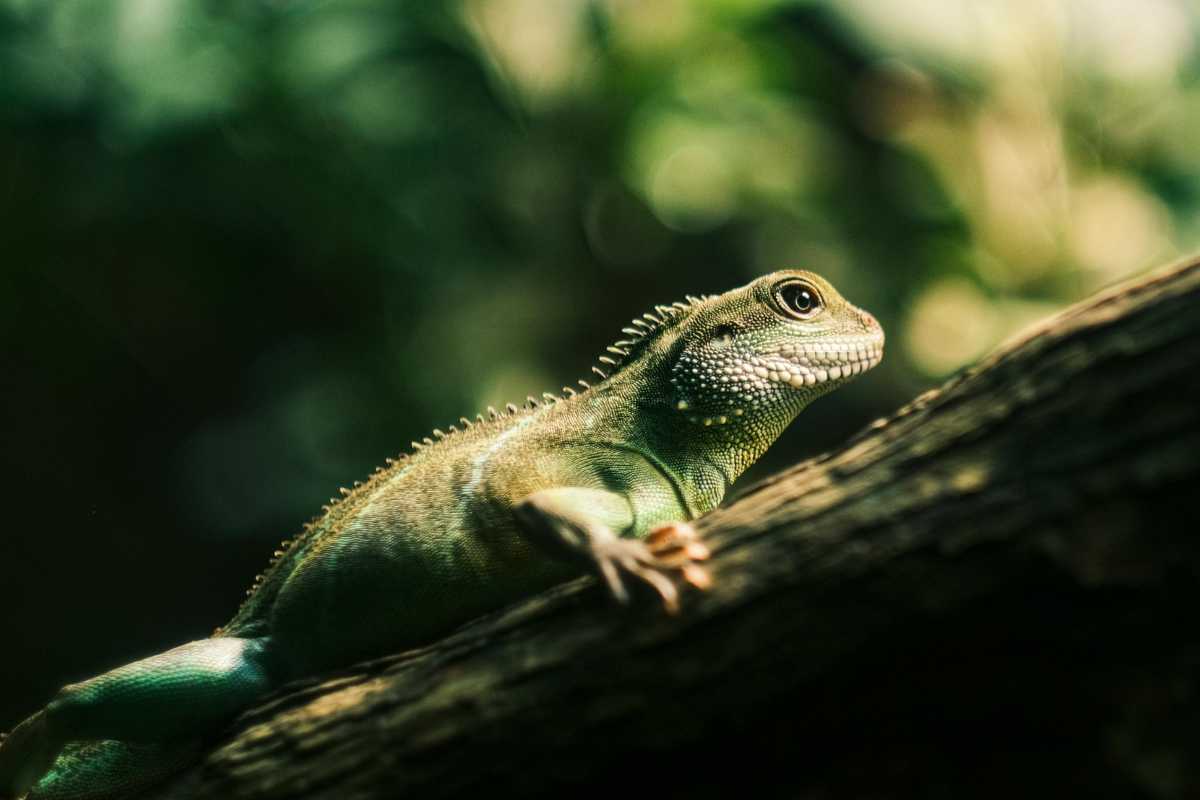
Water dragons thrive with precise gradients—they thermoregulate by moving between zones.
Targets to set and measure:
Basking spot: 90–95°F (32–35°C) on the perch.
Ambient daytime: 78–80°F (25–27°C) with a gentle night drop (low 70s°F / ~22–23°C).
UVB: High-output T5 HO linear UVB spanning 50–70% of the enclosure length. Aim for UVI 3–4 at the main basking zone.
Keep the bulb unobstructed (no glass between bulb and animal), match the fixture and bulb type, and replace per manufacturer schedule.
Pro tip: Use a reptile-safe thermostat for heat and a UV index meter (e.g., Solarmeter 6.5) to confirm you’re really delivering effective UVB, not just “a bright light.”
Humidity & Water (The Semi-Aquatic Secret)
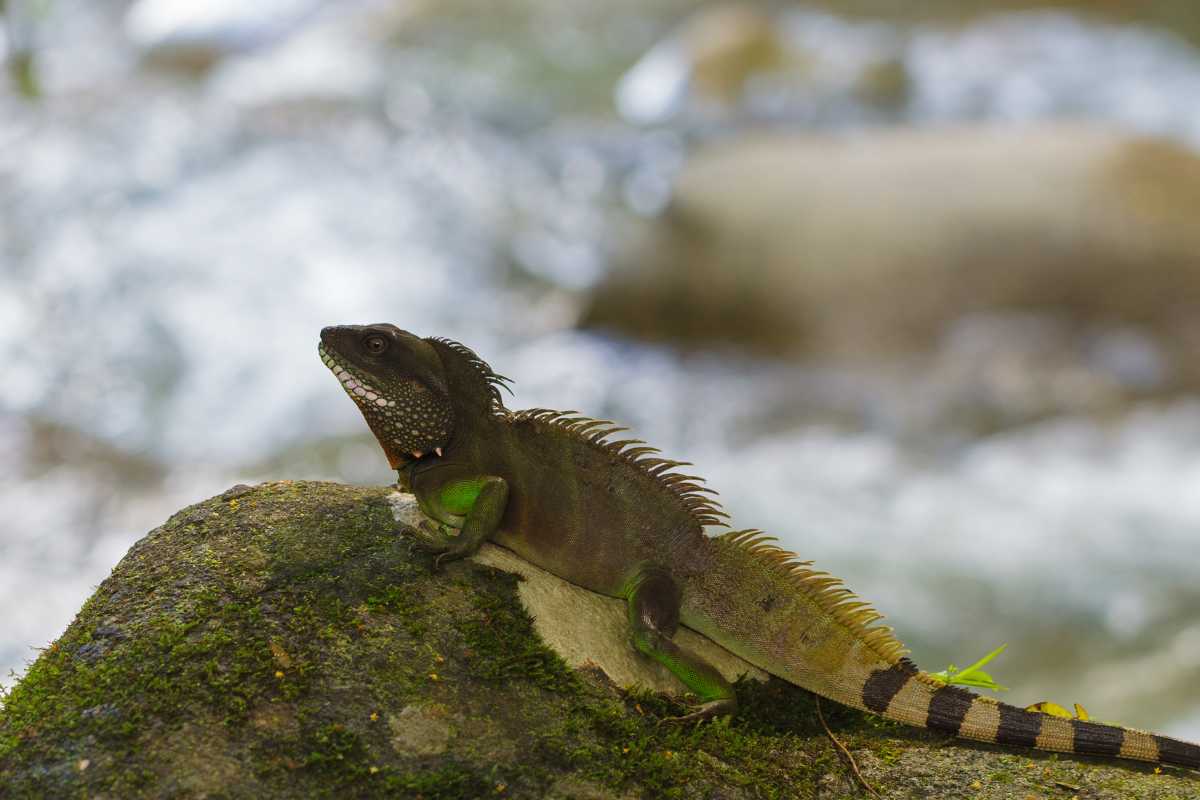
This species naturally uses water to soak, swim, and feel secure.
Maintain relative humidity at 70–80%.
Provide a large water area—think deep, cleanable tub or built-in pool big enough for the lizard to fully submerge and swim.
Use a filter or do frequent partial changes; spot-clean daily to avoid bacteria and odors.
Support humidity with live plants, moisture-retentive substrate, automated misting or hand-misting, and partial top coverage.
Balance is key: high humidity + good airflow prevents respiratory issues and mold.
Diet by Age (Fuel for Growth and Longevity)
Water dragons are insect-focused when young and more omnivorous as adults.
Juveniles (rapid growth)
Feed daily with a rotation of gut-loaded, calcium-dusted insects: crickets, dubia roaches, black soldier fly larvae, silkworms, and the occasional hornworm.
Offer small portions of leafy greens and bits of fruit to encourage varied textures and nutrients.
Adults (maintenance and variety)
Feed every 2–3 days with a strong insect base plus a modest mix of vegetables and some fruit (think “salad side,” not the main course). Avoid making rodents a staple; if ever offered, they should be rare and appropriately sized.
Supplementation: Use a calcium without D3 at most feedings (you’re already supplying UVB) and a multivitamin once a week or as advised by an exotics vet.
Handling & Behavior (Reading the Signals)

Chinese water dragons are alert and can tame down with patient routines, but they don’t usually enjoy constant handling.
After arrival, minimize handling for 2–3 weeks while they settle and build trust.
Start with target training and tong-feeding so the lizard learns that your presence predicts good things.
Watch for stress cues: darkened colors, frantic dashing, tail whips, gaping, or repeated nose rubbing (often a sign the enclosure is too small or the animal is trying to escape).
Keep sessions short, calm, and predictable; let the dragon choose to approach.
Health & Red Flags (Prevention Beats Treatment)
Dialed-in husbandry is the best medicine. Schedule a wellness exam with an exotics veterinarian after acquisition and anytime you notice changes.
Common issues to prevent:
Metabolic bone disease (MBD): From inadequate UVB/calcium—shows as weakness, tremors, deformities.
Rostral injuries (“nose rub”): Often due to undersized enclosures or reflective/glass fronts they can’t “read.”
Respiratory problems: From stagnant, overly wet air or chilly, damp conditions—wheezing, open-mouth breathing, lethargy.
Skin and tail tip issues: From poor water hygiene, retained shed, or abrasions.
Weekly quick-check: appetite, weight/BCS, activity, skin/shed quality, breathing, eyes/nose clear, stools formed, water clarity, and probe-verified temps/UVI/humidity.
Hygiene & Family Safety

Like many reptiles, water dragons can carry Salmonella. Keep everyone safe with simple habits:
Wash hands with soap and water for 20 seconds after any contact with the lizard, its water, food, or habitat.
Keep reptile tools and kitchen tools separate.
Supervise interactions with young children, and avoid face contact or kissing.
Clean the pool and enclosure away from food prep areas.
Costs & Commitment (Beyond the Purchase Price)
Owning a Chinese water dragon is a long-term project. Expect 10–15 years, sometimes up to ~20 with excellent care. Budget for:
The large custom enclosure, branches, pools, plants, hides.
Lighting and heating (fixtures, bulbs, thermostats, replacements).
Water filtration, misting systems, and quality feeders.
Electricity for year-round climate control.
Veterinary care (initial fecal tests, annual checks, emergencies).
Cohabitation: Better Apart
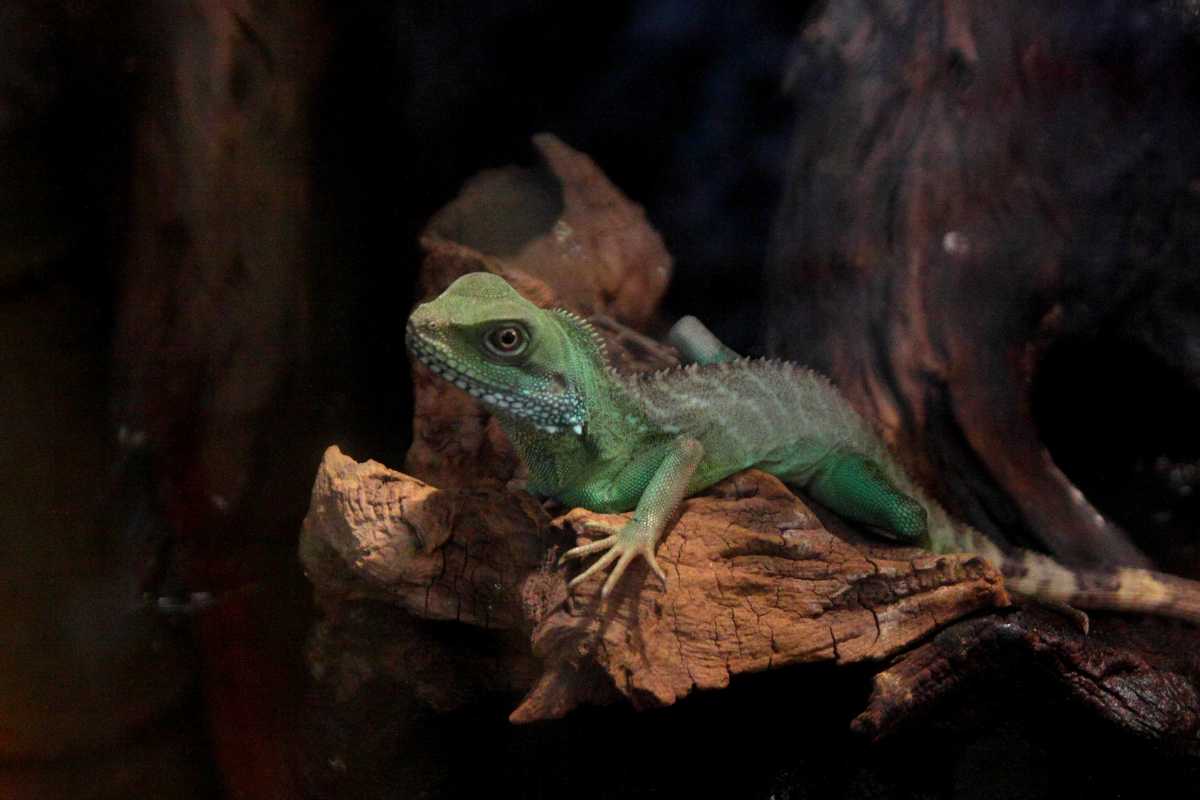
Cohabiting water dragons often leads to competition, stress, and injuries unless you have a very large, carefully designed setup and deep experience.
For most keepers, one dragon per enclosure is the welfare-friendly choice.
Who Should (and Shouldn’t) Get One?
Choose a Chinese water dragon if you:
Enjoy building habitats and maintaining environmental precision.
Can commit to daily checks and regular water changes.
Want a display-oriented, active lizard that’s fascinating to observe.
Consider a hard pass (for now) if you:
Need a small, low-maintenance reptile.
Can’t provide 6×3×6 ft (or larger) with reliable humidity and UVB.
Prefer a reptile that loves frequent handling.
Ethical Sourcing & Legal Notes
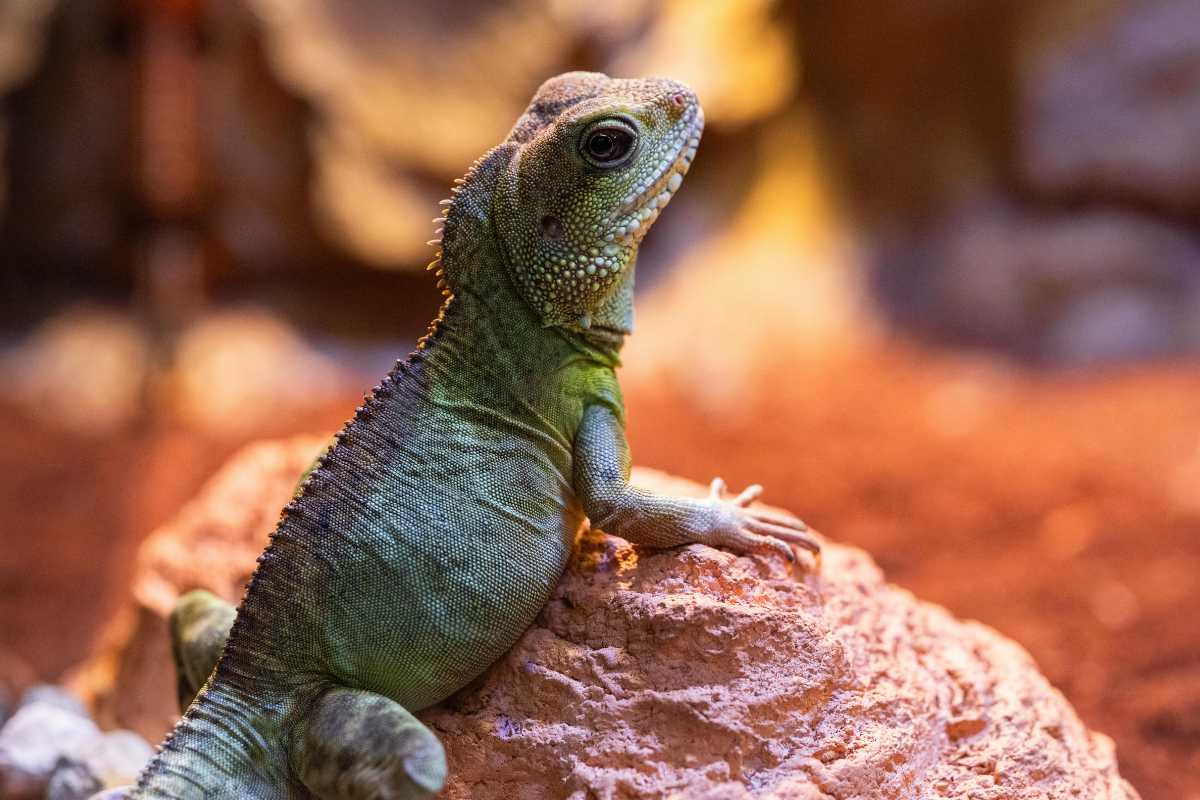
Choose captive-bred animals from reputable breeders whenever possible—better acclimation, fewer parasites, and more predictable health.
Confirm local regulations before you buy. A brief health guarantee and feeding record from the seller are signs of professionalism.
FAQs (Fast, Practical Answers)
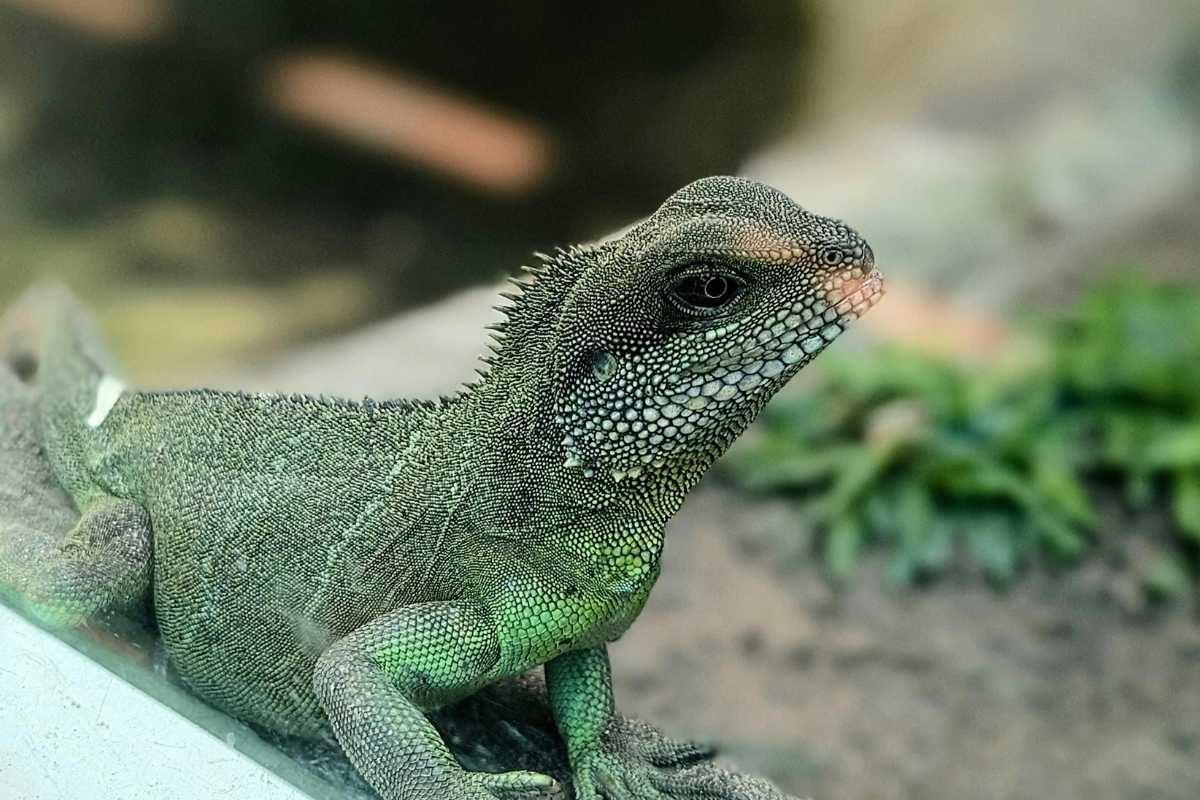
What enclosure size do adults need?
At least 6×3×6 ft—tall and enriched. Larger footprints and height improve welfare and make temperature/humidity more stable.
How humid should it be?
Keep 70–80% RH. Pair moisture with ventilation to avoid stale air. Live plants, deep substrate, and misting help.
What should I feed?
Juveniles: daily, insect-based, gut-loaded and calcium-dusted.
Adults: every 2–3 days, insects plus small portions of greens/fruit. Use supplements intelligently.
Are they good for beginners?
Usually no. They’re fantastic for intermediate or advanced keepers who can meet their space and climate needs.
A Clear Next Step (So You Nail It)

Before bringing one home, create a setup checklist and verify every parameter with tools: digital thermometers, infrared temp gun, hygrometer, thermostat, and ideally a UV index meter.
When your enclosure holds stable heat, UVI, humidity, and clean water for a full week without the animal inside, you’re ready to welcome a healthy Chinese water dragon.
Bottom line: If you can deliver space, structure, sunlight (UVB), and swim time, a Chinese water dragon isn’t just “the best pet lizard”—it becomes the best match for you.
Enjoy This Video About Reptiles

Source: Clint's Reptiles
Did you find this post useful or inspiring? Save THIS PIN to your Pets Board on Pinterest!

You may also like