
Creating a Happy Home for Your Betta Fish


Betta fish, also known as Siamese fighting fish, are popular for their vibrant colors and flowing fins. However, to ensure that your betta lives a long, healthy, and happy life, it’s important to create the right environment for them.
In this guide, we will cover everything you need to know, from tank size to water temperature, tank mates, and signs of stress, so you can give your betta the best possible care.
Choosing the Right Tank Size
One of the most important decisions when setting up a betta fish tank is choosing the right size.
Many people believe that bettas can live in small bowls, but this is a myth. To keep your betta healthy and happy, they need space to swim, explore, and establish their own territory.
Minimum Tank Size: 5 Gallons
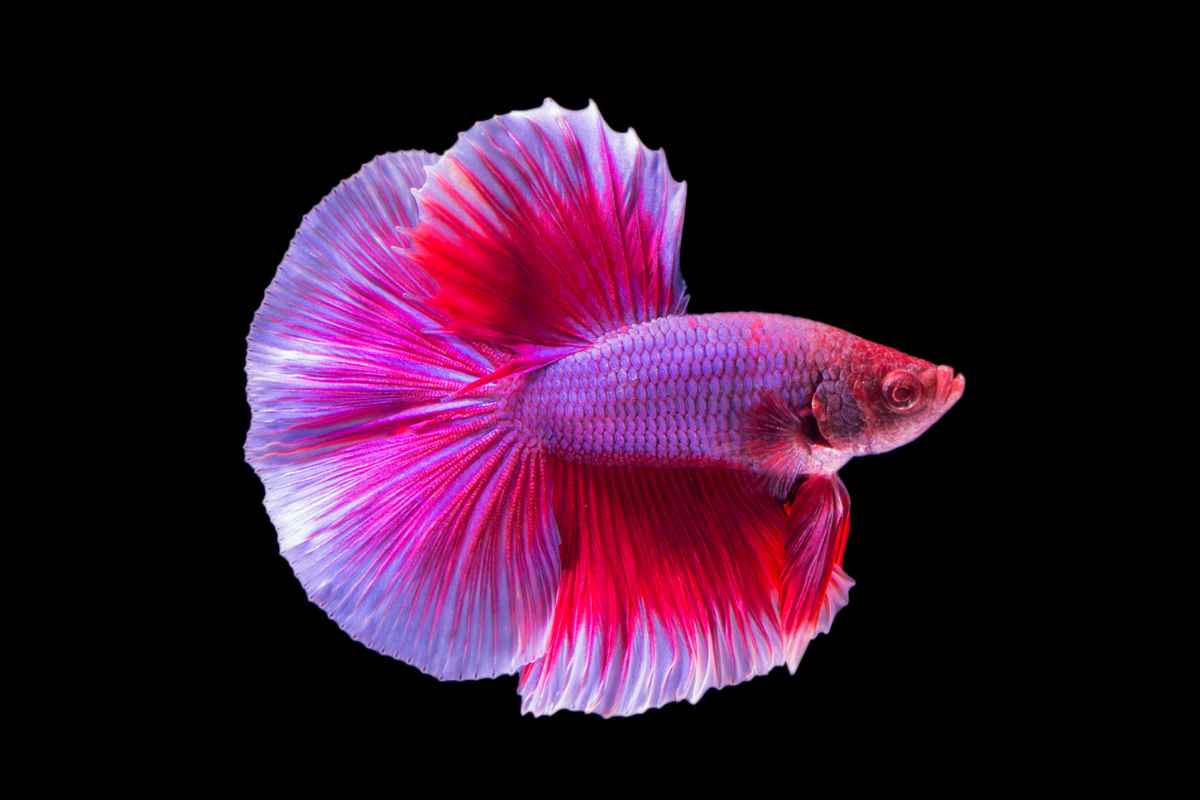
It’s widely recommended that bettas be kept in a tank no smaller than 5 gallons. While it’s possible to keep a betta in a smaller tank, a 5-gallon aquarium provides more stable water conditions, which is critical for their health.
A larger tank also gives your betta more room to swim and reduces the buildup of harmful toxins in the water. It’s also easier to maintain the proper water quality in a 5-gallon tank than in a smaller one.
Water Temperature and Filtration
Bettas are tropical fish, so they require warm water to thrive. Let’s dive into the ideal water temperature and the importance of water filtration for bettas.
Water Temperature: Between 76°F to 81°F (25-27°C)
Bettas require a consistent water temperature between 76°F and 81°F (25-27°C). If the water is too cold, your betta may become sluggish and more susceptible to diseases. On the other hand, water that’s too hot can stress them out and affect their health.
To maintain a stable temperature, it’s recommended to use a tank heater with an adjustable thermostat.
A submersible heater that’s designed specifically for small tanks is ideal for maintaining a steady temperature. Be sure to use a thermometer to regularly monitor the water temperature.
Water Filtration
While bettas are relatively hardy, they still require clean water to live a long life. The filtration system in your betta’s tank is crucial for keeping the water free from toxins.
However, it’s important to choose the right filter. Bettas don’t do well in tanks with strong currents, as it can stress them out.
Choose a gentle filter or a sponge filter that doesn’t create excessive water movement. A sponge filter is particularly beneficial because it provides filtration without disturbing the betta’s swimming space.
Decorations and Plants: Enhancing Your Betta’s Environment
Bettas love having things to explore in their tank, and providing the right decorations and plants can enhance their environment.
Plants: Natural Hiding Spots
Live plants are an excellent addition to your betta’s tank. They not only provide natural hiding spots, but they also help maintain water quality by absorbing excess nutrients.
Bettas enjoy having places to hide, so floating plants like anacharis or hornwort are perfect choices. These plants float on the surface of the water and create shade, mimicking a natural environment.
Avoid plants with sharp edges or rough surfaces, as these can damage your betta’s delicate fins. Look for soft-leafed plants, such as java fern or anubias, that are gentle on their fins.
Avoid Sharp Decorations
When choosing decorations, always opt for smooth, rounded edges to prevent your betta from getting injured.
Many bettas like to explore their environment by swimming through holes in decorations, but sharp plastic ornaments or rocks can easily tear their fins. Soft decorations, such as silk plants, are much safer for your betta.
Creating a Comfortable Environment
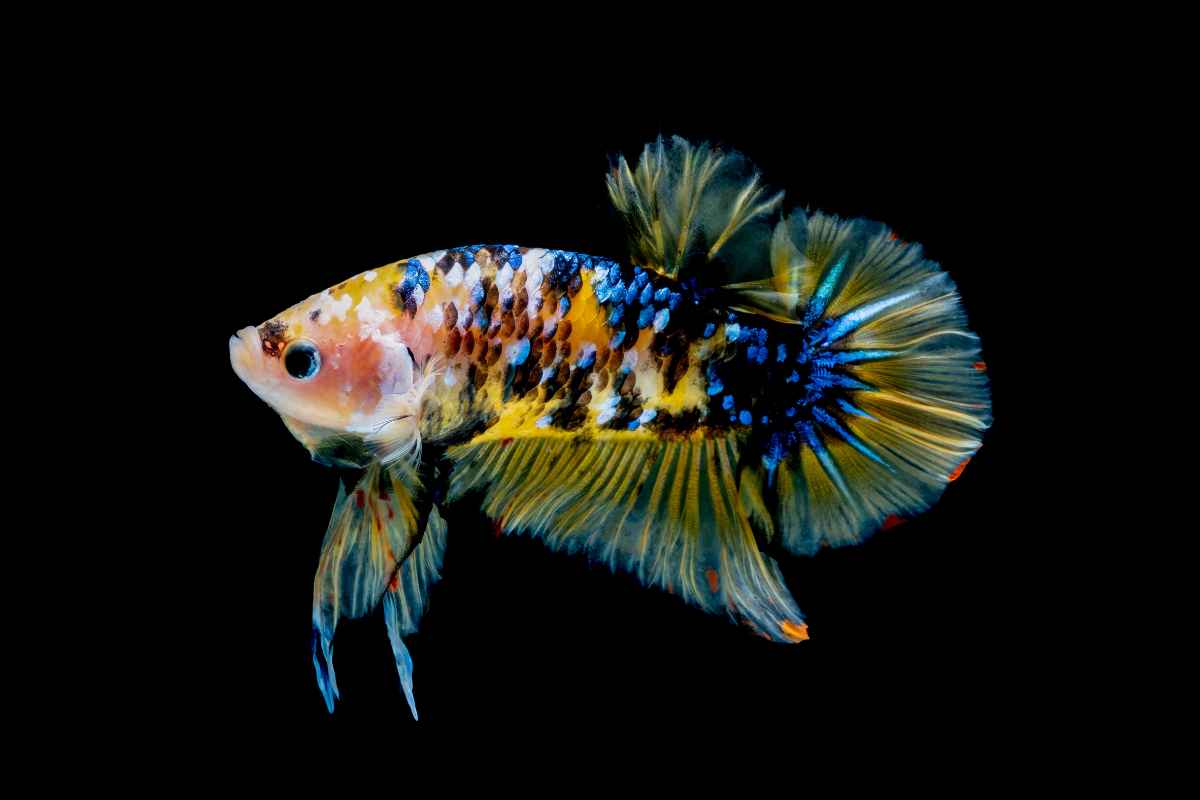
To make your betta’s home feel more like their natural habitat, pay attention to these other factors:
Water Quality: Maintaining a Clean Tank
Maintaining clean water is essential for the health of your betta. Regularly change 20-25% of the water every week to keep the tank fresh and free from harmful toxins like ammonia and nitrites. Use a water conditioner to remove chlorine and chloramine from tap water before adding it to the tank.
Lighting and Tank Location
Bettas enjoy having a day-night cycle, so providing natural light or a gentle aquarium light can help maintain their internal rhythm.
Avoid placing the tank in direct sunlight, as it can lead to algae growth and cause the water temperature to fluctuate.
When selecting the location for your betta’s tank, avoid putting it in a high-traffic area or anywhere with excessive noise. Betta fish can get stressed if they feel constantly disturbed.
Betta Fish Tank Mates: Who Can Live with a Betta?
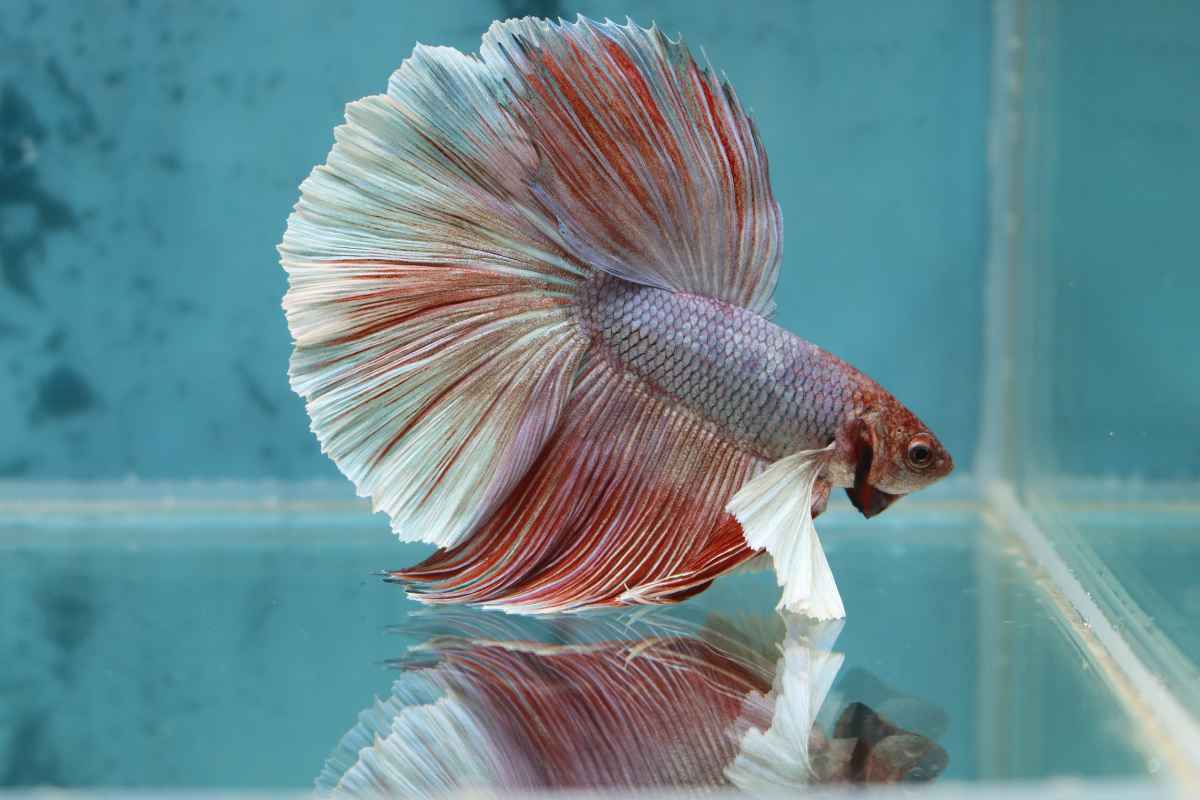
Bettas are known for their territorial nature, especially males. Introducing tank mates can be tricky, as bettas often see other fish as rivals.
Best Betta Tank Mates
If you want to keep other fish with your betta, choose peaceful species that aren’t too flashy or aggressive. Some suitable tank mates include:
Corydoras catfish
Neon tetras
Otocinclus catfish
Avoid keeping two male bettas in the same tank, as they will fight each other. Additionally, avoid fish with long, flowing fins, such as guppies or angelfish, as these may trigger aggression from your betta.
How to Introduce New Tank Mates
When introducing a new tank mate, it’s important to monitor your betta closely.
Place the new fish in a quarantine tank for a few days before adding them to the main tank. This allows you to check for signs of disease and prevents contamination of the main tank.
Signs of Stress and Illness in Betta Fish
Even with the best care, your betta may show signs of stress or illness. It’s essential to know what to look for to address any problems early.
Common Signs of Stress
Lethargy: If your betta is not swimming around or interacting as usual, it may be stressed.
Loss of Appetite: Bettas are usually good eaters, so if they’re not eating, it could indicate stress or illness.
Faded Color: Betta fish are known for their vibrant colors, so if your betta looks pale or dull, it could be stressed or unwell.
Clamped Fins: If your betta’s fins are held close to their body rather than spread out, it’s a sign of stress or discomfort.
Signs of Illness
Fungal Growth: White spots on the fins or body may indicate a fungal infection.
Fin Rot: If the edges of the fins appear ragged or decayed, your betta may have fin rot, often caused by poor water quality.
If you notice any of these signs, act quickly by checking the water parameters, performing a water change, and observing your betta closely for any further changes.
Conclusion: Creating the Perfect Betta Home
By following these guidelines, you’ll be well on your way to creating a happy, healthy environment for your betta fish.
Remember that a proper tank size, the right water temperature, a good filtration system, and plenty of decorations and plants will help your betta thrive.
Always observe your betta closely, as they can’t speak for themselves, and adjust their environment as needed.
If you’re new to bettas, don’t get discouraged if things don’t go perfectly at first. With time, you’ll learn more about your betta’s unique personality and needs, and you’ll be able to make adjustments to keep them happy and healthy.
Enjoy This Video Tutorial About Betta Fish

Source: Aquarium Co-Op
Did you find this post useful or inspiring? Save THIS PIN to your Pets Board on Pinterest! 😊

You may also like