
Creating an Eco-Friendly Fish Tank: Best Sustainable Practices


A truly eco-friendly aquarium keeps fish healthy, minimizes waste, and uses fewer resources—without sacrificing beauty.
Below you’ll find a practical, step-by-step guide to build and maintain a sustainable setup, from fishless cycling and ethical stocking to energy-efficient gear, sustainable hardscape, and smart maintenance that lowers your footprint over time.
Start Here: What Makes an Aquarium Truly Eco-Friendly

An aquarium becomes sustainable when the biological balance is strong, equipment consumes less energy, and your choices—fish, plants, décor, food, and water use—are responsible.
Instead of chasing quick fixes, focus on stable parameters, moderate bioload, and preventive care. This approach saves money and protects the environment while giving your fish a calmer, healthier life.
The Core Principles
Balance first: Healthy bacteria, steady temperature, and appropriate lighting prevent most problems.
Use what you need—only: Right-sized filters, LED lighting, and timers reduce consumption.
Choose responsibly: Favor captive-bred fish and nursery-grown aquatic plants.
Waste less water: Adopt water-savvy maintenance and safe disposal habits.
Cycle the Right Way—Fishless Cycling for a Humane Start

Fishless cycling establishes the beneficial bacteria that convert toxic ammonia into nitrite and then into relatively safer nitrate—before livestock enters the tank. This humane method avoids exposing fish to harmful spikes.
Quick Method Overview
Set up equipment (filter, heater if needed, LED light) and add dechlorinated water.
Seed bacteria using a reputable starter, a bit of media from a mature filter, or both.
Dose an ammonia source (pure liquid ammonia or fish food that decomposes).
Test daily. You’re aiming for ammonia → nitrite → nitrate.
When ammonia and nitrite read 0 within 24 hours of dosing, perform a large water change to reduce nitrate. Now you’re ready to stock.
Common Mistakes to Avoid
Rushing the process. Stable colonies take time; be patient.
Overdosing ammonia. Excess slows bacteria and prolongs the cycle.
Skipping tests. Regular testing is your early warning system.
Choose Ethically: Captive-Bred Fish & Traceable Plants

Your stocking choices are powerful. Captive-bred species are adapted to aquarium life, reduce pressure on wild populations, and often have better survival rates.
For plants, look for tissue-cultured or nursery-grown options that are free of pests and ethically propagated.
Why This Matters
Lower impact: Fewer wild captures and healthier supply chains.
Better resilience: Captive-bred fish typically handle transport and new water conditions more easily.
Transparency: Ask for source details and avoid species with unclear collection practices.
Smart Stocking Tips
Keep a moderate bioload; fewer fish mean lower waste and more stable water.
Favor community-friendly species with similar temperature and pH needs.
Quarantine new arrivals to protect your display tank and its delicate balance.
Cut Power Use Without Compromising Fish Health
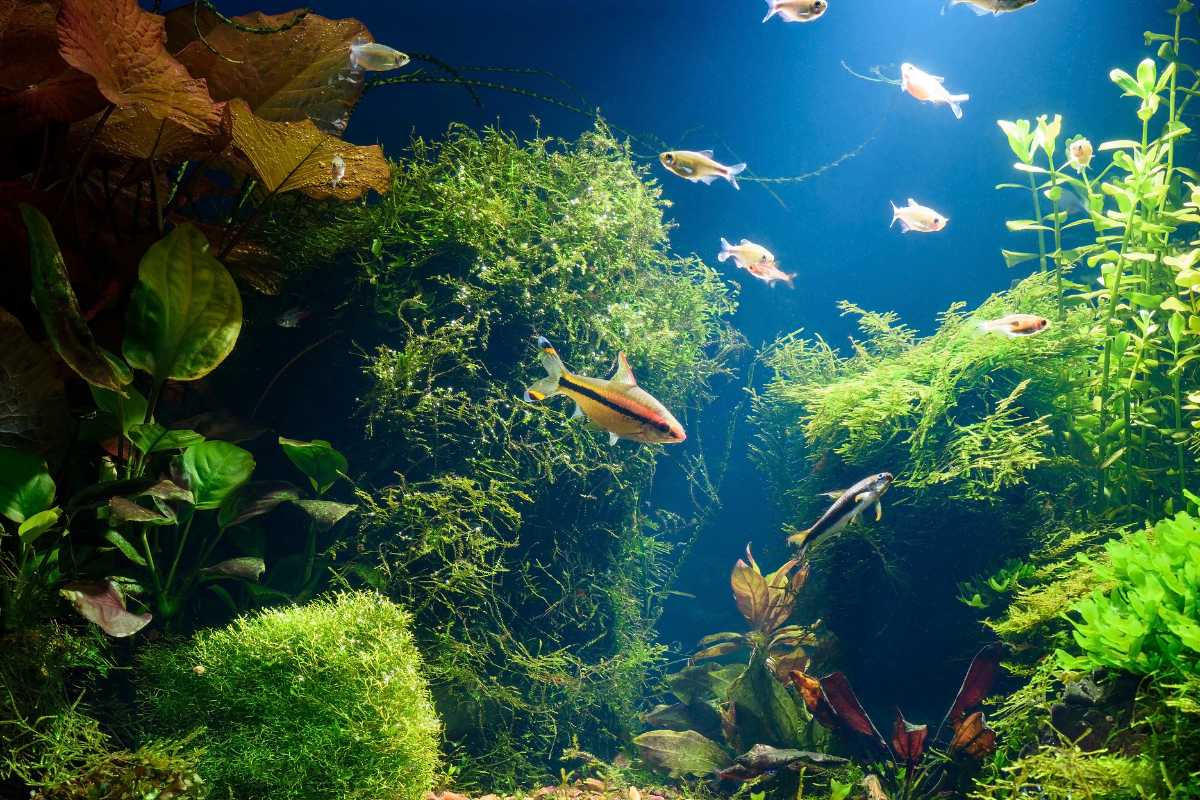
Energy efficiency is central to sustainability. Modern gear can dramatically lower your monthly footprint.
LED Lighting & Photoperiod
LED lighting provides excellent output with low wattage and minimal heat.
Use a timer to keep a consistent photoperiod (generally 6–8 hours for planted tanks), which curbs algae and saves energy. Dimming features help tailor intensity to plant needs.
Filters and DC Pumps
Look for efficient canisters or internal filters sized correctly for your tank—oversizing wastes power and can stress fish.
DC pumps (with variable speed) offer strong flow control, letting you run only what you need during the day and scale back at night if appropriate for your species.
Precise Heating and Temperature Management
A reliable, adjustable heater paired with a separate thermometer or controller avoids fluctuations.
In warmer climates or seasons, consider passive cooling: lift the lid slightly for airflow, place the aquarium away from direct sun, and use a low-noise fan across the surface before jumping to energy-intensive chillers.
Sustainable Hardscape & Live Plants
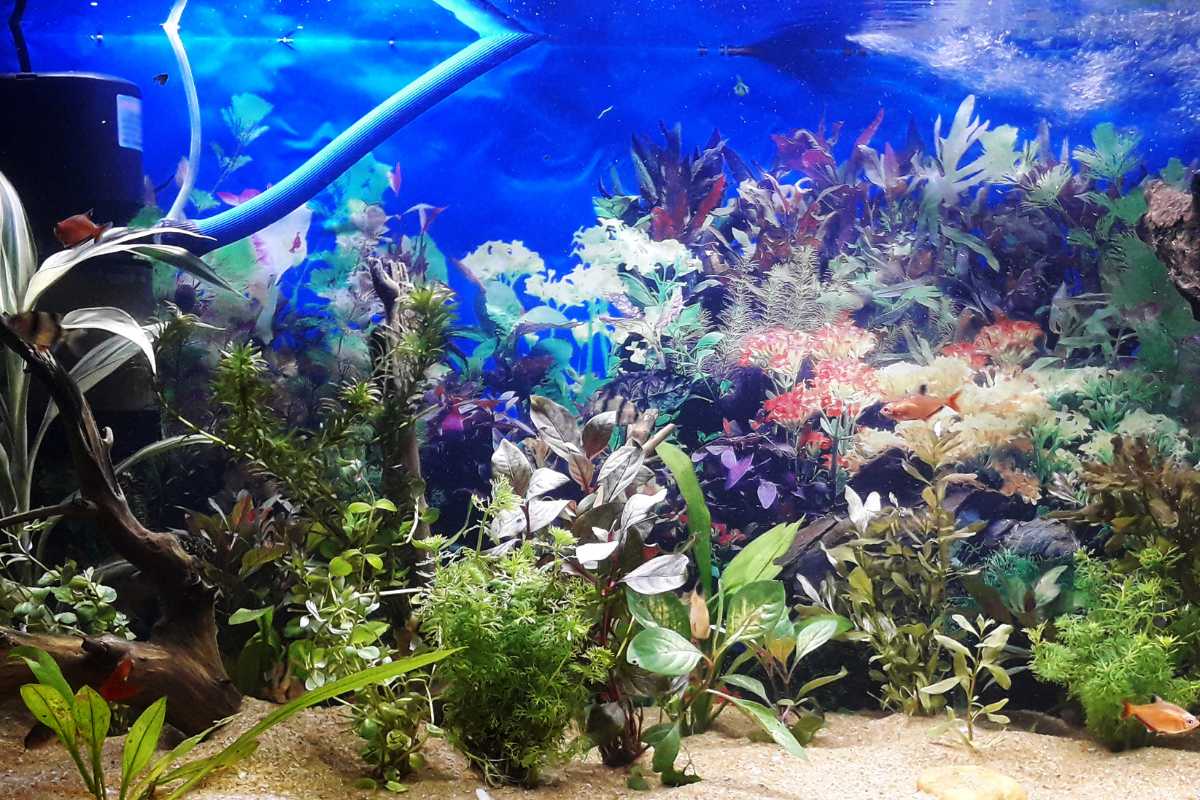
The beauty of your aquascape can also be responsible. Choose sustainably sourced wood and inert rocks appropriate for your water chemistry.
For plant-heavy layouts, nursery-grown and tissue-cultured plants offer pest-free growth with traceable origins.
Hardscape with a Conscience
Prefer certified or traceable driftwood over unknown origins.
Select rocks that won’t alter your water chemistry unexpectedly (test a sample in a bucket if unsure).
Rinse all décor to remove dust before adding it to the tank.
Plant Choices That Support Balance
Fast growers (e.g., stem plants, floating plants) soak up nutrients, helping prevent algae.
Combine rooted plants (for structure) with floaters (for shade and nitrate control).
Start with a plant-heavy setup and gradually adjust lighting and fertilization as growth stabilizes.
Smarter Maintenance: Water Reuse, Waste & Safe Disposal
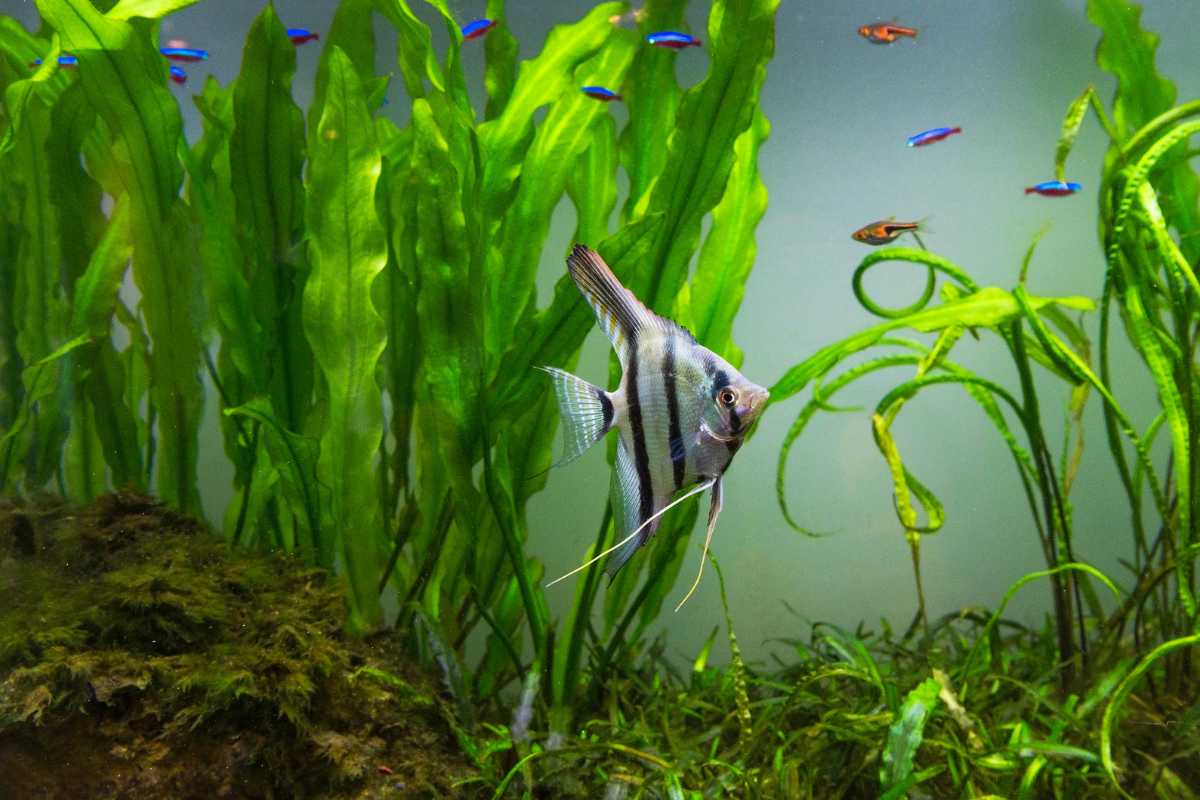
Maintenance is where sustainable habits add up. A little planning keeps your tank pristine and your footprint small.
Water Changes with Purpose
During partial water changes, collect the old aquarium water and use it to water non-edible household plants or ornamentals—it’s naturally fertilized with nitrates.
Avoid using it on edible gardens unless you understand local regulations and the potential risks.
Cleaning and Media Care
Never rinse filter media in tap water; use tank water to preserve beneficial bacteria.
Replace mechanical media only when it’s falling apart. Biological media can last for years with gentle rinses.
Keep gravel vacuums and tools dedicated to your tank to avoid cross-contamination.
Food, Feeding, and Waste Reduction
Overfeeding is the fastest way to create extra waste. Offer small portions fish can finish within a couple of minutes.
Choose high-quality foods that list whole ingredients and consider sustainable options when available. Less waste means lower nitrates and phosphates, fewer water changes, and happier fish.
Eco-Balanced Setups for Busy Owners
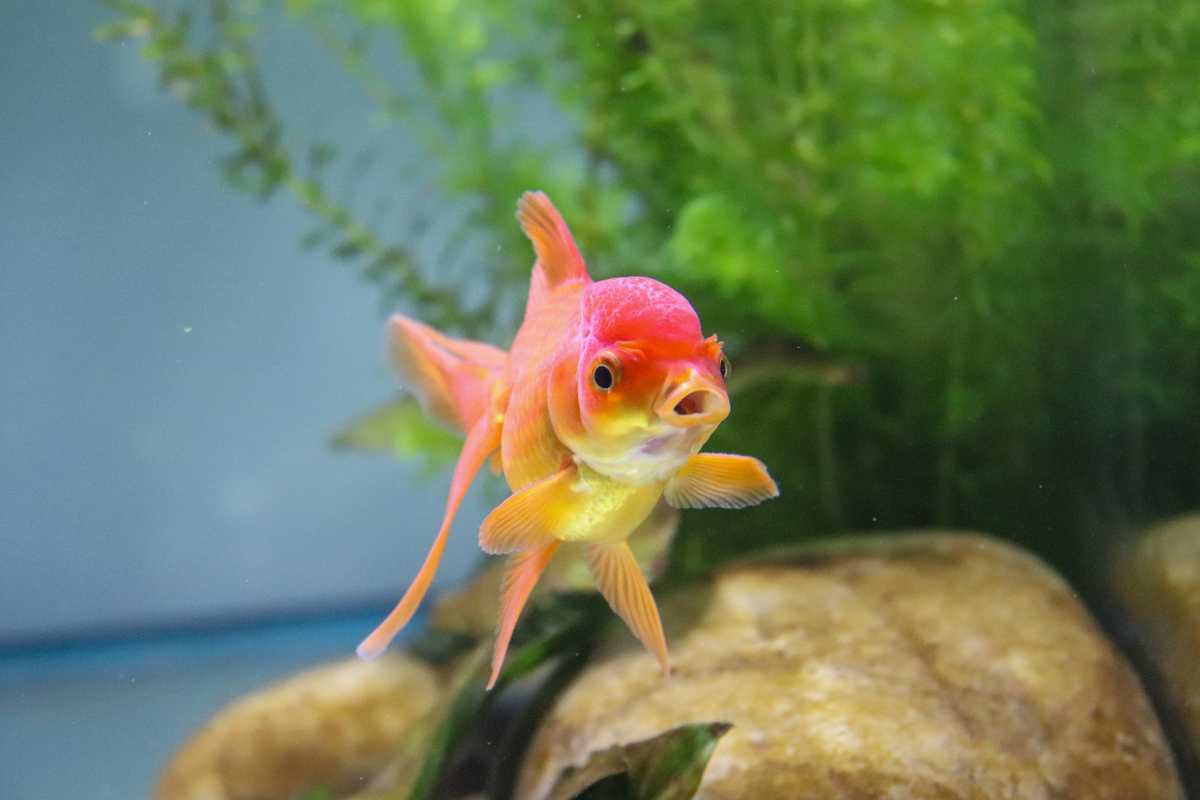
A balanced, plant-forward aquarium with moderate stocking and measured lighting can become a low-maintenance haven.
As plants mature, they stabilize nutrients, outcompete algae, and support clear water—especially when paired with targeted feeding and consistent, modest water changes.
Tips to Keep It Balanced Long-Term
Establish a weekly rhythm: quick visual check, top-off, glass wipe, and occasional filter inspection.
Track trends, not single numbers: a logbook for pH, GH/KH, nitrate, and temperature helps you act early.
Resist the urge to constantly tweak. Stability is the greenest upgrade of all.
Accessibility, Safety & Responsible Ownership
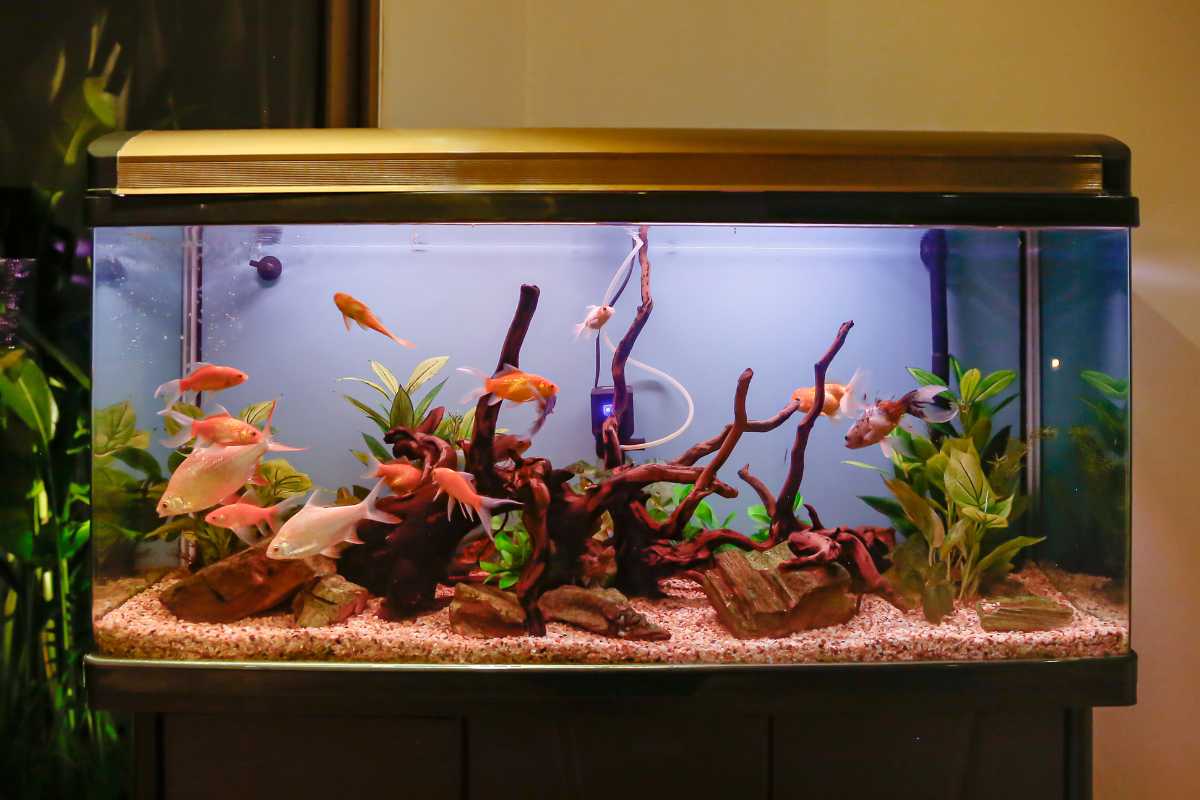
Sustainability includes safety and stewardship. Never release fish or plants into local waterways; invasive species can devastate ecosystems.
Dispose of trimmings and snails in sealed bags with household waste. Keep cords drip-looped, use GFCI outlets where possible, and secure lids to prevent jumps and reduce evaporation.
Quick Checklist (Downloadable PDF Idea)
Fishless cycle completed (ammonia & nitrite at 0).
Captive-bred livestock and nursery-grown plants prioritized.
LED lighting on a timer; efficient filter/DC pump sized to the tank.
Sustainable hardscape with safe, well-rinsed décor.
Moderate feeding and weekly mini-tasks to keep parameters steady.
Reuse change water for ornamentals; safe disposal of trimmings.
No release policy—ever.
Helpful Internal Links to Add
Within your site, link contextually to related guides like “Aquarium-Safe Plants,” “Low-Maintenance Community Fish,” or “Betta Tankmates That Actually Work.”
Internal links keep readers learning, improve topical authority, and guide visitors toward the right setup for their home.
Build a Tank That’s Kind to Your Fish—and the Planet
A sustainable aquarium isn’t about perfection; it’s about thoughtful choices repeated over time.
When you cycle humanely, stock responsibly, and tune your equipment to do more with less, your tank becomes a living example of what responsible fishkeeping can be: stable, beautiful, and gentle on the environment.
Start with one upgrade—LEDs on a timer, a plant-heavy scape, or smarter feeding—and let the balance grow with you. If you’d like, download the Eco Tank Checklist and take the next step toward a healthier home ecosystem today.
Enjoy This Video About Fishes
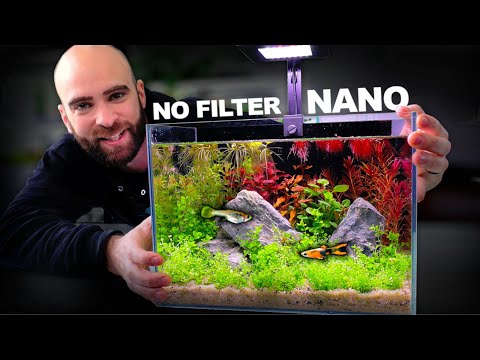
Source: MD Fish Tanks

You may also like