
Decoding the Meaning Behind 21 Strange Dog Behaviors

Dogs are fascinating creatures, and their behavior can often leave us scratching our heads in confusion. Whether they’re engaging in quirky habits or showing signs of stress, understanding what your dog is trying to communicate can help improve your bond.
In this article, we’ll explore the meaning behind 21 strange dog behaviors and provide insights into what might be going on in your dog’s mind.
What Your Dog's Weirdest Habits Really Mean
1. Belly Scratching: A Sign of Trust or Discomfort?
When dogs roll over and expose their bellies, many owners instinctively scratch them. This behavior, known as belly rubs, is often a sign of trust.
However, if the belly scratching is accompanied by nervous behavior, it could indicate discomfort, stress, or anxiety. Watch for signs like panting or body tension to assess if your dog is actually enjoying the belly rub or feeling anxious.

2. Chasing Their Tail: Playful Fun or Something Else?
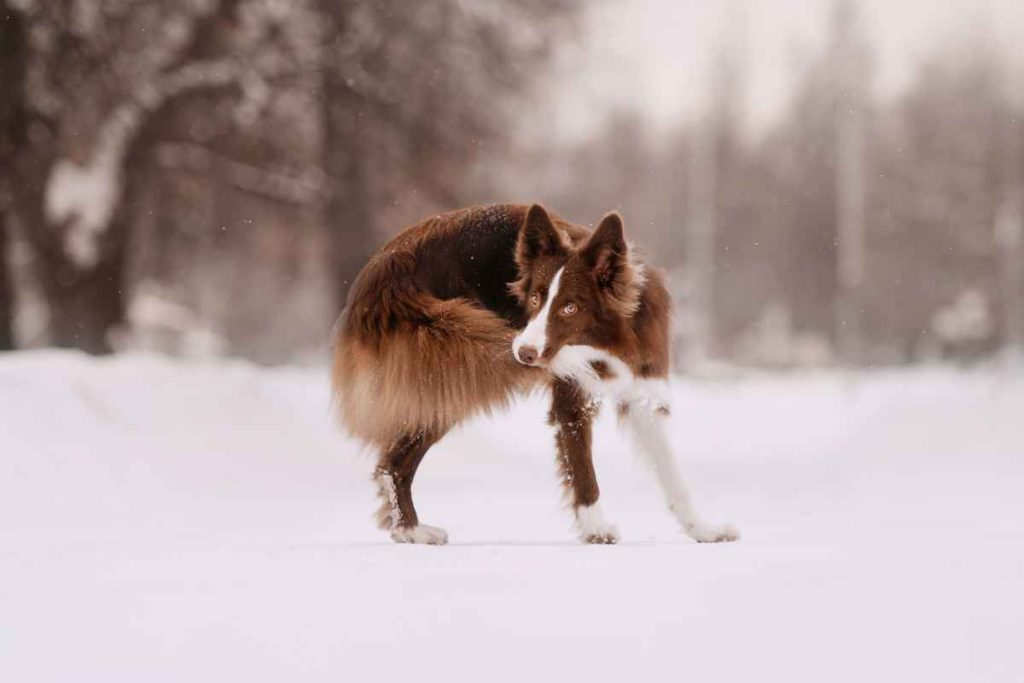
Tail chasing is a common behavior, but it can sometimes be an indication of an underlying issue. While it's often playful, excessive tail chasing can signify stress, anxiety, or compulsive behavior.
It might also be due to skin irritation, fleas, or anal gland issues. If the behavior becomes frequent, it's best to consult your veterinarian.
3. Humping: What’s Behind the Behavior?
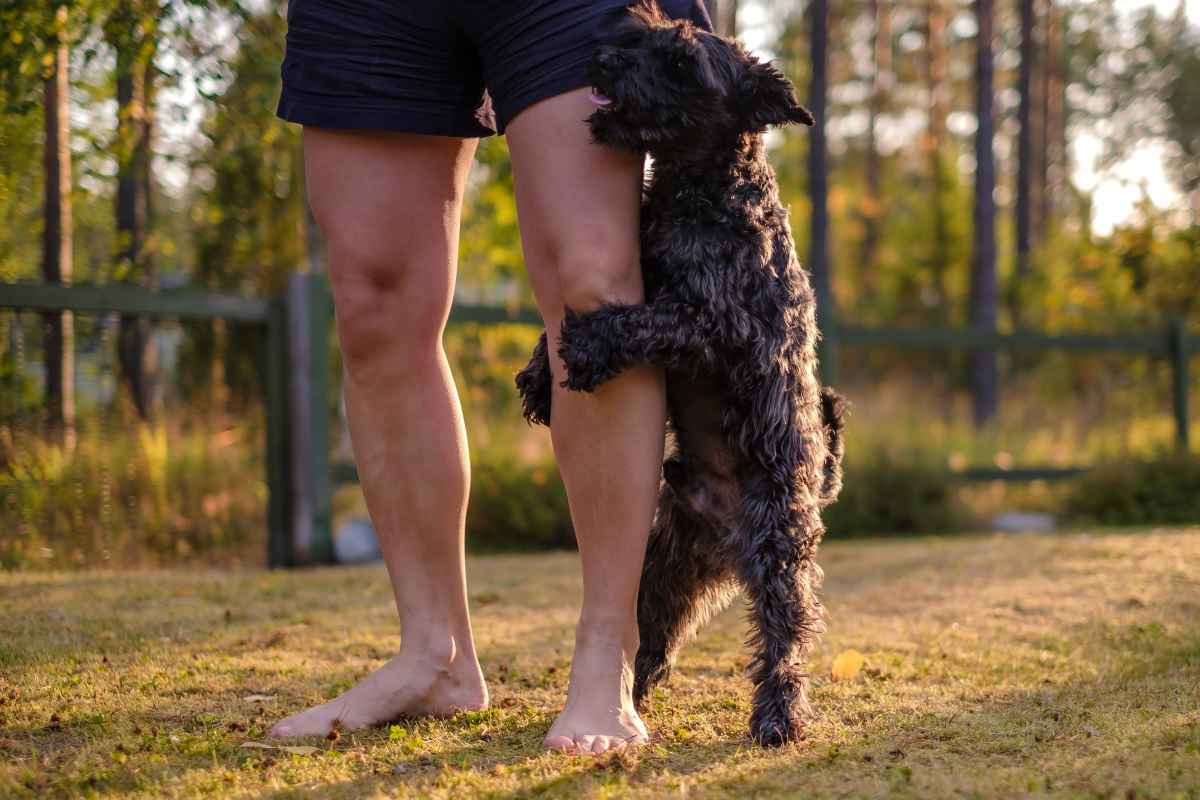
Many dogs hump as a way of expressing dominance, excitement, or boredom. It’s a common misconception that humping is only related to sexual behavior. Puppies may even hump to burn off extra energy.
This behavior can also be a response to stress or a need for attention. Understanding the context and addressing any potential emotional or environmental triggers can help minimize this behavior.
4. Running in Circles: The Need for Movement
Dogs sometimes run in circles before lying down or when excited. This behavior comes from their wild ancestors, who would circle around to flatten the grass and create a comfortable resting spot.
For domesticated dogs, it can be a sign of excitement or energy release. However, if excessive, it may indicate anxiety or obsessive-compulsive behavior.
5. Butt Scooting: More Than Just an Itch
If your dog is scooting their butt along the floor, it’s likely a sign of discomfort. It could be caused by anal gland problems, parasites, or skin irritation.
While it might seem funny, it's a behavior that often needs veterinary attention. Ensuring that your dog’s anal glands are expressed regularly can prevent frequent scooting.

6. Chewing Non-Food Items: Boredom or Anxiety?
Dogs often chew on shoes, furniture, or other non-food items when they are bored, anxious, or experiencing teething. This behavior can also be a sign of lack of stimulation.
Ensure your dog has plenty of mental stimulation and chew toys to keep them occupied and prevent destructive chewing.
7. Whining for Attention: The Need for Connection
Whining is a way dogs communicate their needs or desires. While it can be a sign of frustration, it often indicates that your dog is seeking attention, food, or a bathroom break.
Dogs are social animals and may whine if they feel neglected or anxious. Understanding the reason behind the whining can help you address your dog’s needs effectively.

8. Rolling in Something Stinky: Why Do Dogs Love Smelly Stuff?
When dogs roll in something foul-smelling, it’s often instinctual behavior inherited from their wild ancestors. Rolling in strong odors helped wild dogs mask their scent from predators or prey.
Domestic dogs may still enjoy rolling in strong smells, either out of curiosity or because it’s a natural behavior. Redirecting them away from these smells may be helpful, but it’s not always preventable.
9. Licking Their Paws: Grooming or Anxiety?
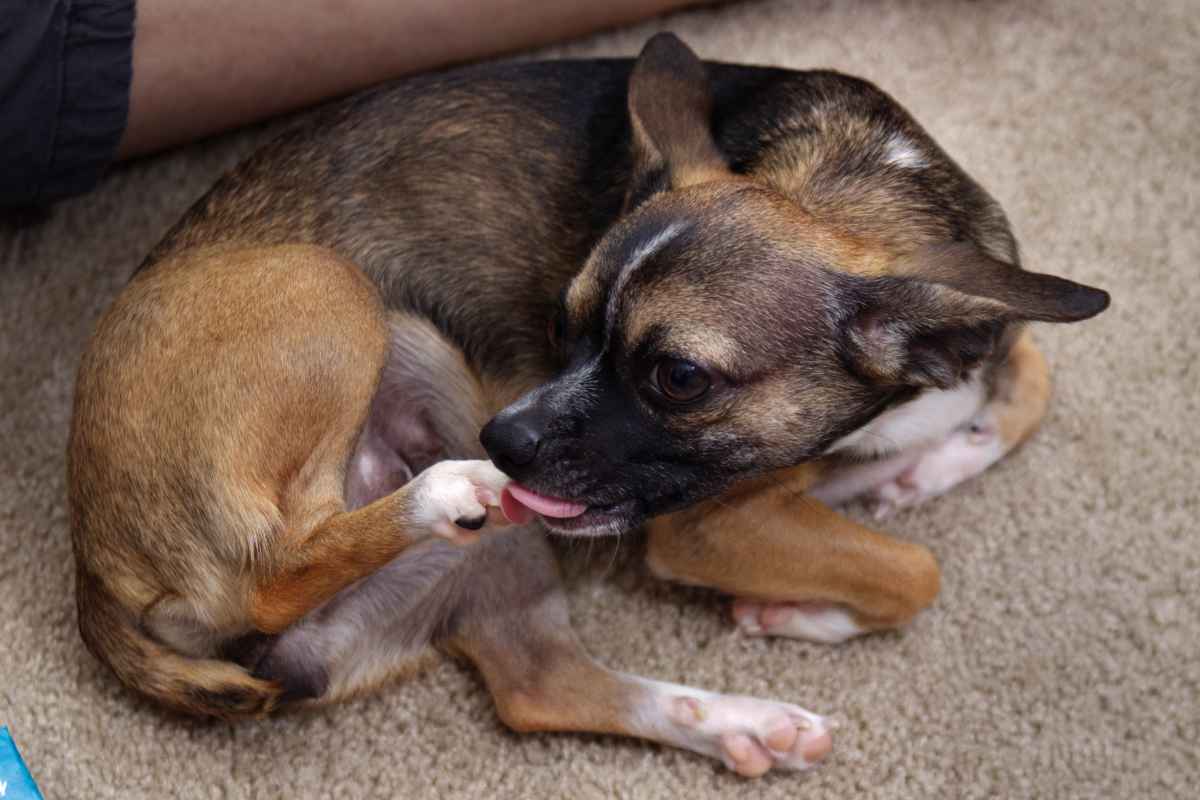
Licking their paws is often part of normal grooming behavior, but excessive licking can signal underlying issues. Allergies, skin infections, or anxiety are common causes of excessive paw licking.
If you notice your dog licking their paws constantly, it’s important to monitor for signs of infection or irritation and consult a vet if necessary.
10. Staring at You: A Sign of Affection or Communication?
When a dog stares at you, it’s usually a sign of affection and trust. Dogs have evolved to use eye contact to communicate with humans, and mutual staring can increase levels of oxytocin, the bonding hormone.
However, intense staring, accompanied by growling or rigid body language, may indicate dominance or stress, so always consider the context.
11. Barking at Nothing: Is There an Invisible Threat?
Dogs often bark at seemingly nothing, but they may be reacting to sounds we can’t hear, such as high-frequency noises. This could also be a sign that they are stressed, feeling territorial, or just trying to get your attention.
Understanding their environment and reducing noise or stressors can help minimize this behavior.

12. Eating Grass: A Sign of Health Issues or Just a Habit?
Many dogs enjoy eating grass, and while it’s usually harmless, it could indicate an upset stomach, nausea, or a need for fiber. Some dogs may also eat grass out of boredom or simply because they enjoy the taste.
However, if your dog regularly eats grass and vomits afterward, it’s important to consult a vet to rule out gastrointestinal issues.
13. Following You Everywhere: Clingy or Protective?
If your dog follows you around the house constantly, it may be a sign of attachment and loyalty. Some dogs are naturally more clingy, while others follow their owners as a sign of protectiveness or curiosity.
This behavior is often seen in working breeds that were bred to stay close to their owners. While it's generally not a concern, if your dog seems overly anxious when separated from you, it could indicate separation anxiety.
14. Shaking or Trembling: Is It Cold or Something More?
Dogs shake or tremble for various reasons. While cold weather can cause dogs to shiver, shaking can also be a sign of anxiety, pain, or even excitement.
Dogs may also tremble as a result of an underlying health issue such as nausea, fever, or neurological conditions. If the shaking persists, it’s important to consult a vet.
15. Hiding: Seeking Comfort or Something Wrong?
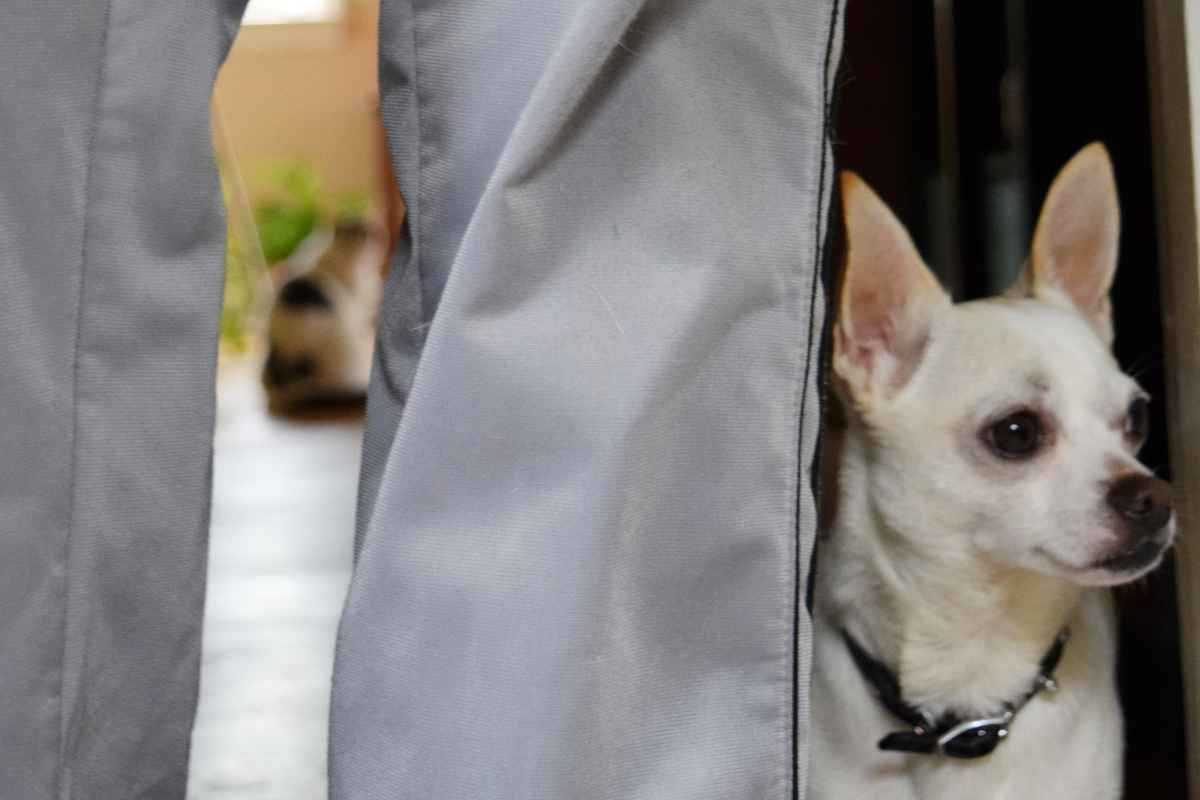
Dogs often hide when they’re feeling stressed or unwell. If your dog suddenly starts hiding more than usual, it could be a sign of illness, pain, or anxiety. Older dogs may hide due to cognitive dysfunction syndrome, a condition similar to dementia in humans.
Observing their overall behavior and consulting a vet will help determine if there is an underlying health issue.

16. Digging: An Instinctual or Destructive Behavior?
Dogs dig for various reasons, including boredom, stress, or an instinct to find shelter. Digging may also occur when dogs are seeking attention, comfortable places to rest, or simply because they love the act of digging.
To prevent unwanted digging, it’s important to provide your dog with mental stimulation, exercise, and a designated digging area where they are allowed to dig.
17. Yawning: Is Your Dog Tired or Stressed?
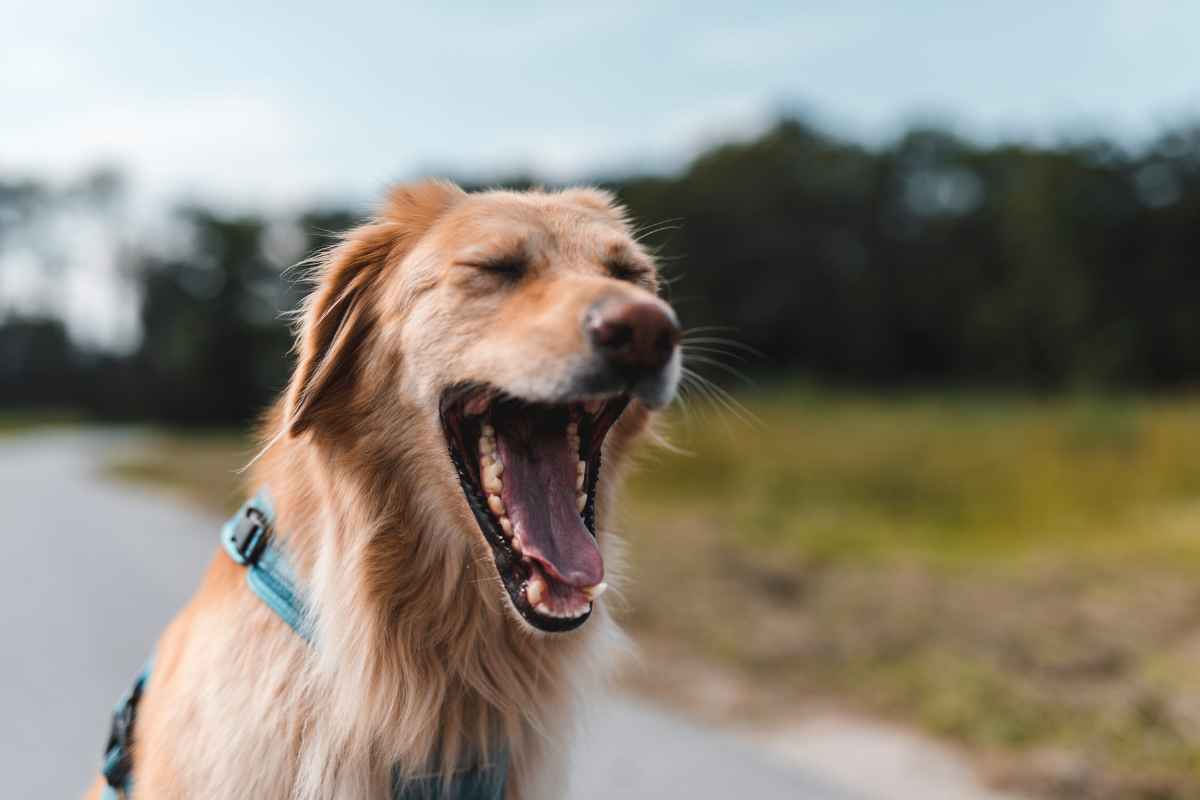
Dogs yawn for a variety of reasons. While tiredness is one reason, yawning can also be a sign of stress, discomfort, or nervousness. In social settings, a dog might yawn as a way to calm themselves or show they are feeling uncomfortable in a situation.
Pay attention to the context and the dog’s overall body language to understand whether the yawning is a sign of tiredness or stress.
18. Cowering: Fear or Submission?
When dogs cower or crouch down, it’s often a sign of fear or submission. Some dogs may cower because of past trauma or harsh training methods. If your dog regularly cowers, it's important to build their confidence and ensure they feel safe in their environment.
Positive reinforcement training and patience can help improve their comfort level.
19. Barking at the Door: Guarding or Attention-Seeking?
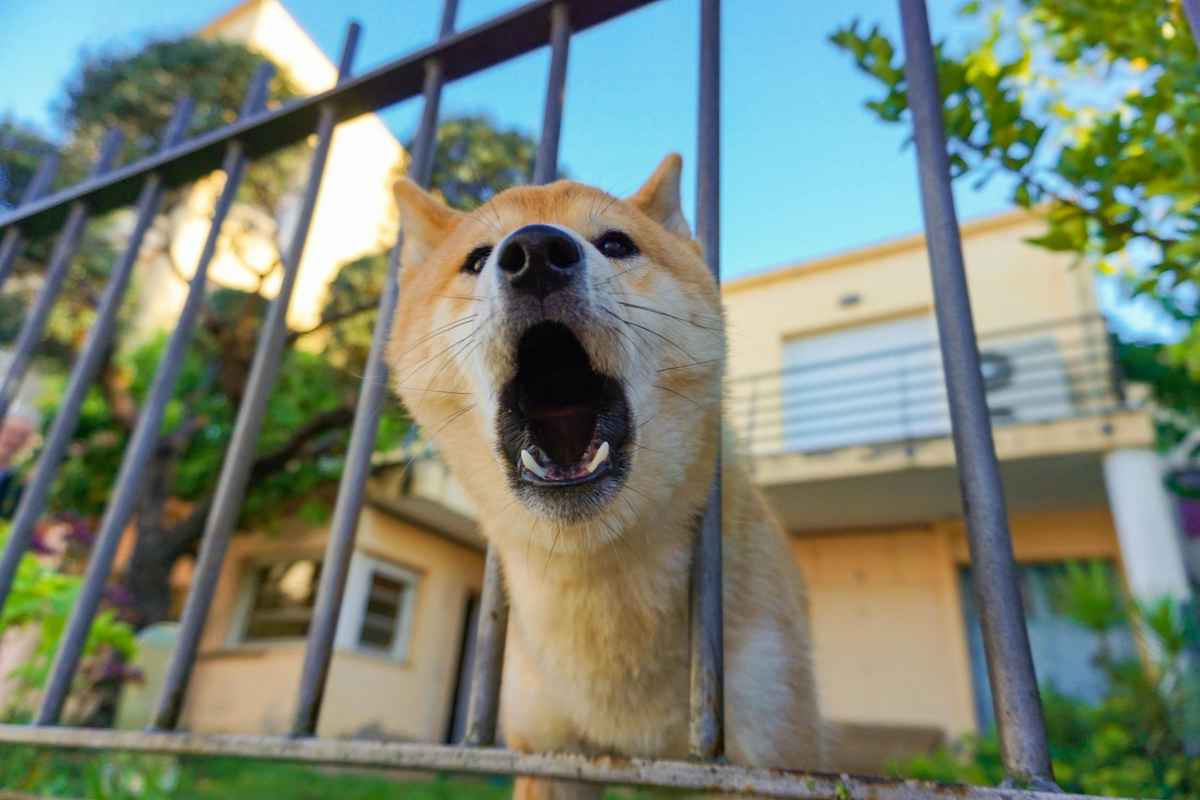
Dogs often bark at the door when they’re excited about visitors or when they want attention. However, persistent barking could also signal territorial behavior or guarding instincts. Some dogs bark at the door as a way to assert their dominance over the space.
Training your dog to remain quiet and calm when people arrive can reduce this behavior.
20. Sitting on Your Feet: Seeking Comfort or Control?
When dogs sit on your feet, they may be seeking comfort and closeness. It’s also a behavior that can indicate dominance, as the dog may be asserting their presence or trying to control your movements.
In either case, it’s a sign that your dog enjoys your company and wants to feel connected with you.
21. Mouth Breathing or Panting: Hot or Stressed?
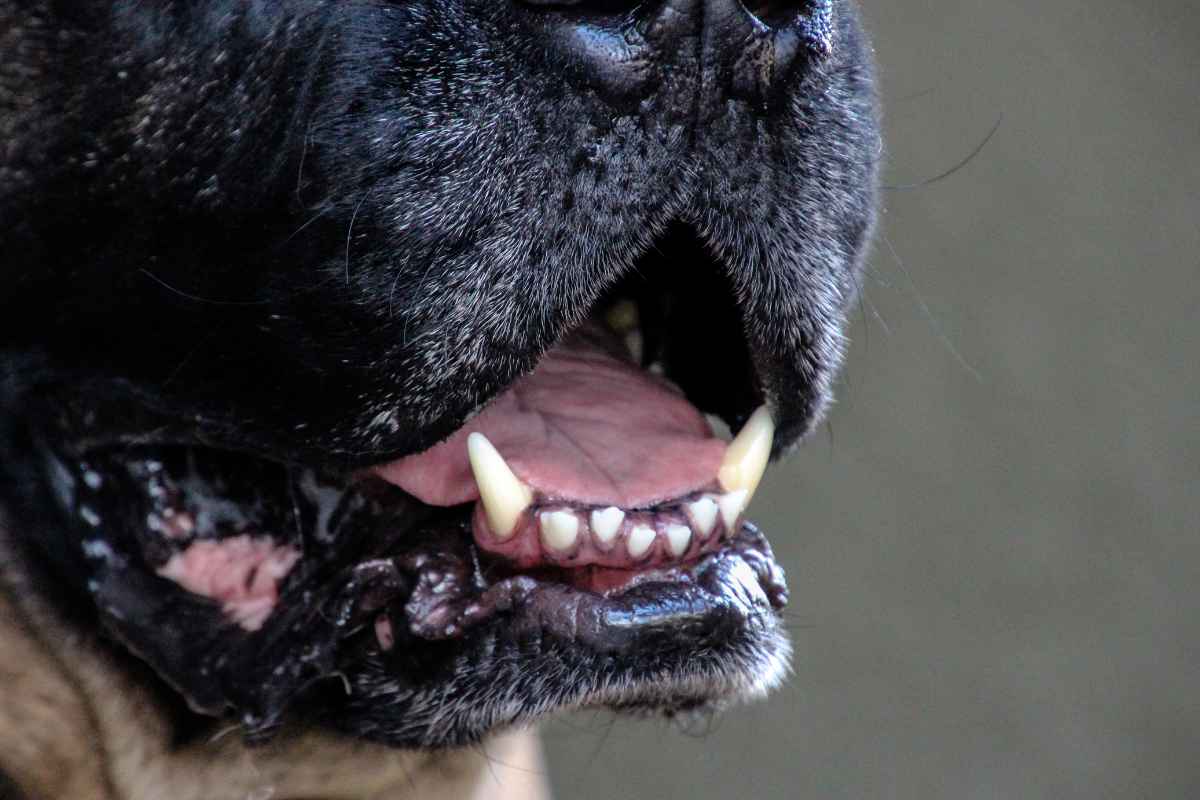
Dogs pant to regulate their body temperature, especially after exercise or in warm weather. However, excessive panting can be a sign of stress, pain, or anxiety.
Dogs may also pant when they are feeling overwhelmed or fearful. It’s important to monitor the context and frequency of your dog’s panting and take them to the vet if you suspect an underlying health issue.
The Answers You've Been Waiting About Your Pet
Dogs are complex beings with unique ways of expressing themselves. By paying attention to the meaning behind their strange behaviors, we can build stronger bonds and ensure they are happy and healthy.
Whether it’s tail chasing, barking at the door, or panting excessively, understanding the context and causes behind these behaviors will help you care for your dog more effectively.
If you’re ever in doubt, consulting a veterinarian or canine behaviorist can provide valuable insight and support.
Enjoy this Video About Dogs

Source: Jaw-Dropping Facts
Did you find this post useful or inspiring? Save THIS PIN to your Pets Board on Pinterest!

You may also like