
Dwarf Gourami Care Guide


The Dwarf Gourami (Trichogaster lalius) is a popular freshwater fish that captivates aquarium enthusiasts with its vibrant colors and peaceful nature.
If you’re considering adding one of these stunning fish to your tank, it's essential to understand their care requirements to ensure they thrive.
This guide provides a comprehensive overview of Dwarf Gourami care, from water conditions to feeding, breeding, and maintaining their health.
1. Ideal Aquarium Conditions for Dwarf Gouramis
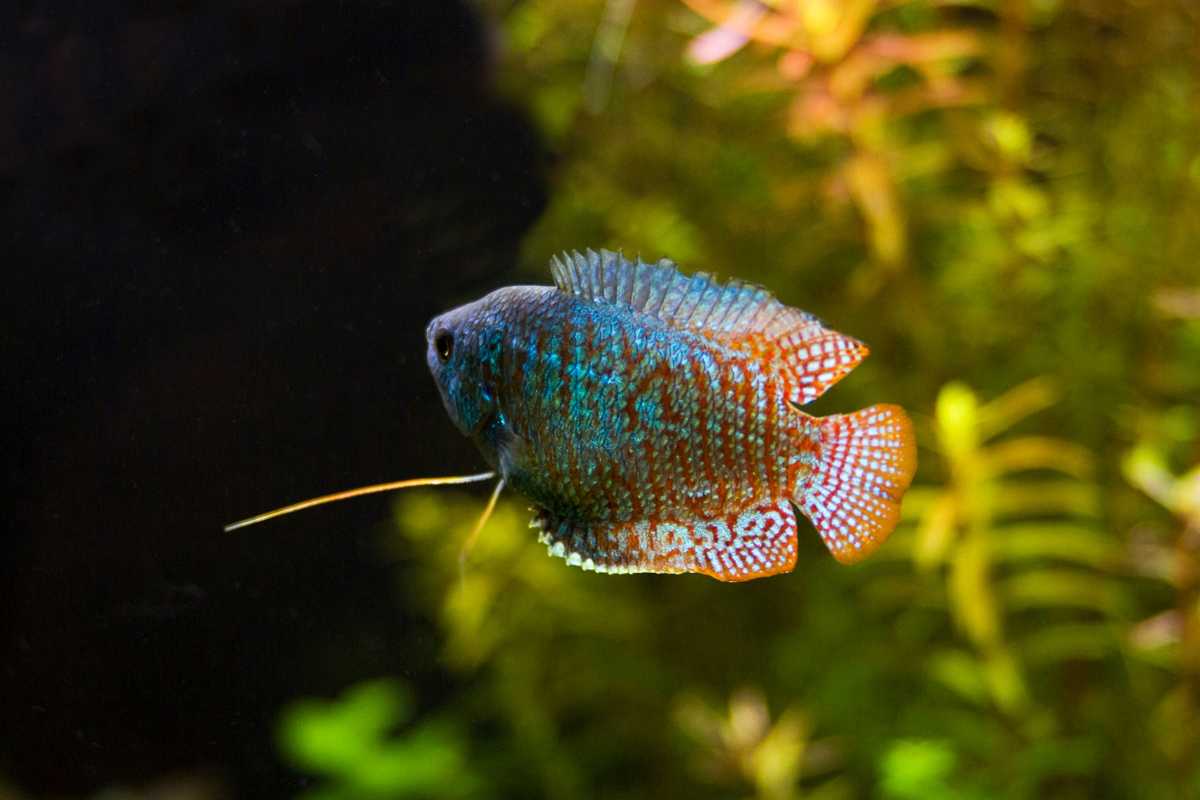
Dwarf Gouramis are relatively hardy fish, but they do require specific water parameters to thrive. Ensuring these conditions will help your fish live a long, healthy life.
Water Parameters
Tank Size: A minimum of 15 gallons (approximately 57 liters) is recommended for one Dwarf Gourami, as they need enough space to swim and feel comfortable.
Temperature: The water temperature should be maintained between 22°C and 28°C (72°F to 82°F). It’s crucial to provide a stable temperature to avoid stressing your fish.
pH Levels: The ideal pH range for Dwarf Gouramis is between 6.0 and 7.5. These fish prefer slightly acidic to neutral water.
Water Hardness: The hardness should be kept between 4 and 10 dGH (degrees of general hardness). Regular water changes will help maintain stable parameters.
Filtration and Water Flow
Dwarf Gouramis are low to moderate swimmers, so they prefer a gentle water flow. A sponge filter is ideal for them because it provides filtration without creating strong currents, which can stress your fish.
2. Feeding Your Dwarf Gourami
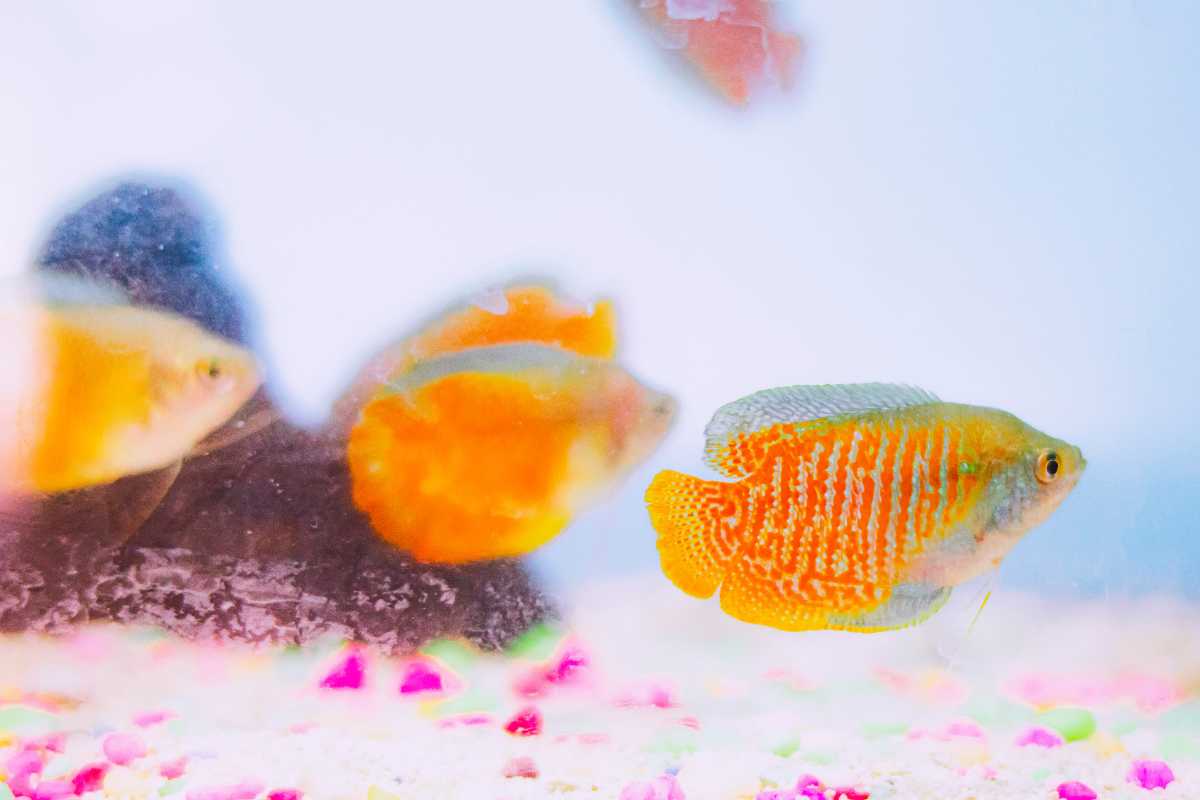
A balanced diet is crucial to maintaining the health and coloration of your Dwarf Gourami. While they are omnivorous, offering a variety of food types is essential to ensure they receive all the necessary nutrients.
What to Feed
Flake Food: A high-quality flaked food should form the base of their diet. Look for a flake formula rich in proteins and vitamins.
Pellets: Small pellets are a great option to encourage natural foraging behavior.
Frozen or Live Foods: Treat your Dwarf Gourami with occasional live foods such as brine shrimp or bloodworms, which help bring out their vibrant colors. You can also offer frozen varieties.
Vegetables: They will also benefit from plant matter. Blanched spinach, zucchini, or peas can be offered once or twice a week.
Feeding Frequency
Feed your Dwarf Gourami once or twice a day, offering small amounts of food that they can consume in 2-3 minutes. Avoid overfeeding, as uneaten food can degrade water quality.
3. Tank Mates for Dwarf Gouramis
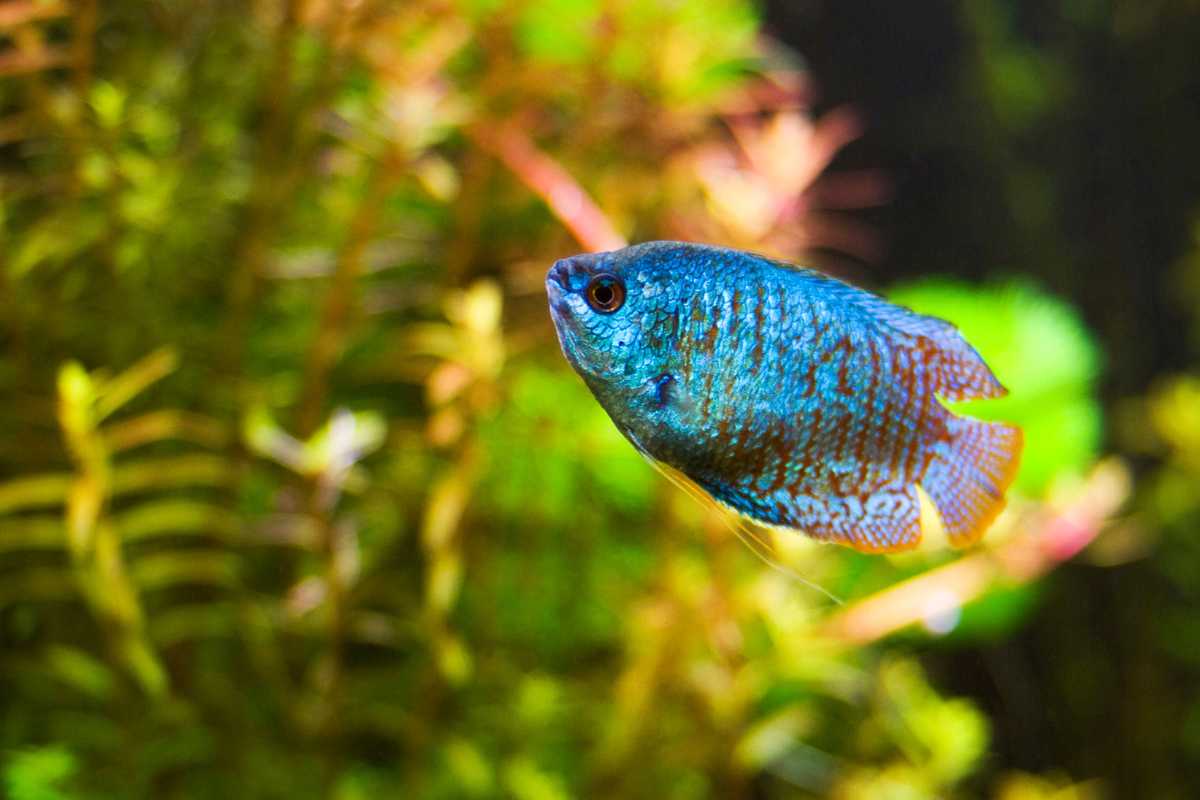
Dwarf Gouramis are peaceful fish and do well in community tanks, but it’s important to select compatible tank mates. They can be shy at first but generally get along with most species, provided they’re not too aggressive.
Compatible Species
Tetras (like Neon Tetras)
Rasboras (such as Harlequin Rasboras)
Corydoras Catfish and Otocinclus (small bottom dwellers)
These species are peaceful, non-territorial, and thrive in similar water conditions.
Species to Avoid
Aggressive Fish: Large, aggressive fish such as Cichlids or Barbs may harass the Dwarf Gourami.
Fin-nipping Species: Fish like Tiger Barbs or certain species of Betta Fish can nip at the Dwarf Gourami’s fins, leading to stress and potential injury.
4. Common Health Issues in Dwarf Gouramis
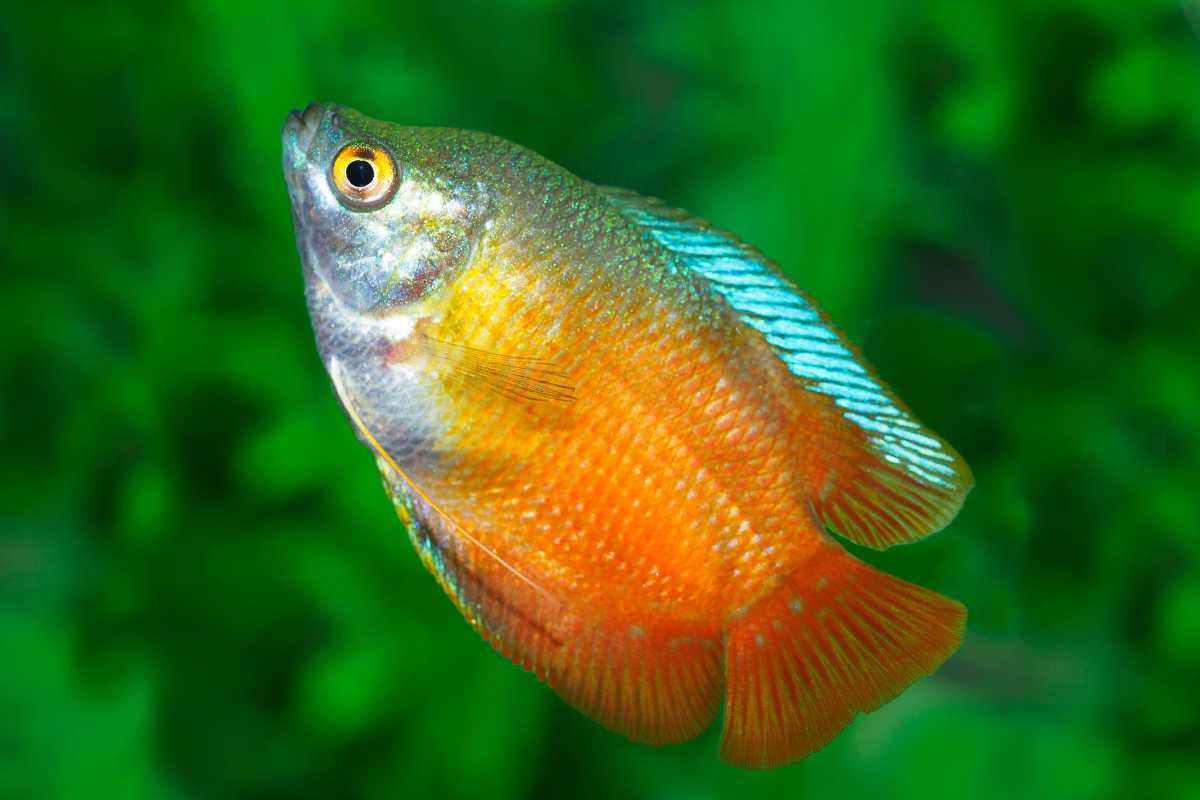
While Dwarf Gouramis are generally hardy, they are susceptible to a few health issues that all aquarium owners should be aware of.
Iridovirus
Iridovirus is a serious disease that affects Dwarf Gouramis. It’s characterized by a darkening of the fish’s color, lack of appetite, and overall sluggishness.
Unfortunately, this disease is incurable and can spread quickly, so it’s essential to only purchase Dwarf Gouramis from reputable breeders to avoid introducing infected fish to your tank.
Other Common Diseases
Ich (White Spot Disease): This is a parasitic infection that appears as small white spots on the body and fins. It’s highly contagious but treatable with medications.
Fin Rot: This bacterial infection can cause the fins to decay and should be treated with antibacterial medication.
Preventing Health Problems
Maintaining clean water, proper filtration, and regular water changes will help reduce the risk of these diseases. Additionally, ensure your fish are not stressed by overcrowding or poor tank conditions.
5. Breeding Dwarf Gouramis
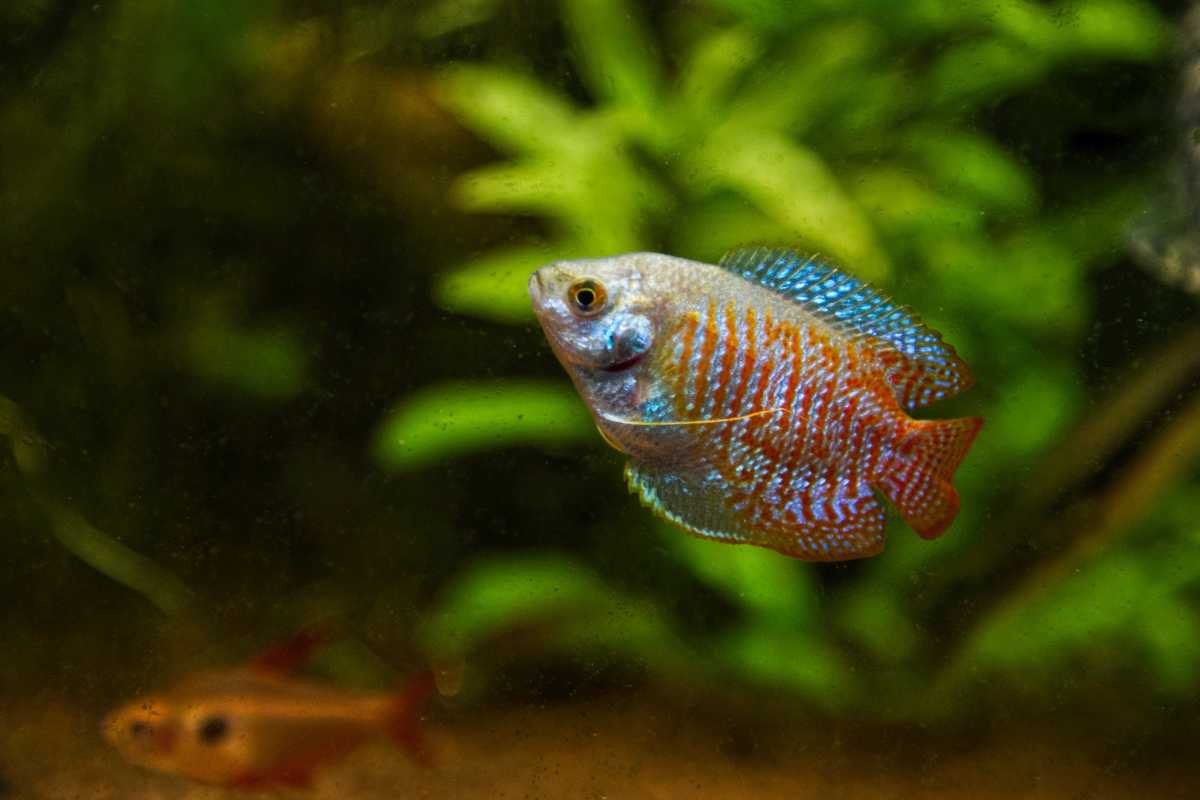
Breeding Dwarf Gouramis can be a rewarding experience, but it requires some preparation. These fish are bubble-nesters, meaning that the male will build a bubble nest at the water’s surface to attract a female.
Setting Up for Breeding
Separate the Male and Female: Introduce the female to the male’s bubble nest when the male is ready to breed.
Water Conditions: Increase the water temperature to around 28°C (82°F) to encourage breeding.
Spawning: After courtship, the female will lay eggs in the bubble nest. The male will fertilize the eggs, and both parents will care for the nest until the eggs hatch.
Caring for the Fry
Once the eggs hatch, the fry will be free-swimming in about 2-3 days. Feed the fry infusoria or liquid fry food until they are large enough to eat small particles of normal fish food.
6. Monitoring Your Dwarf Gourami’s Behavior
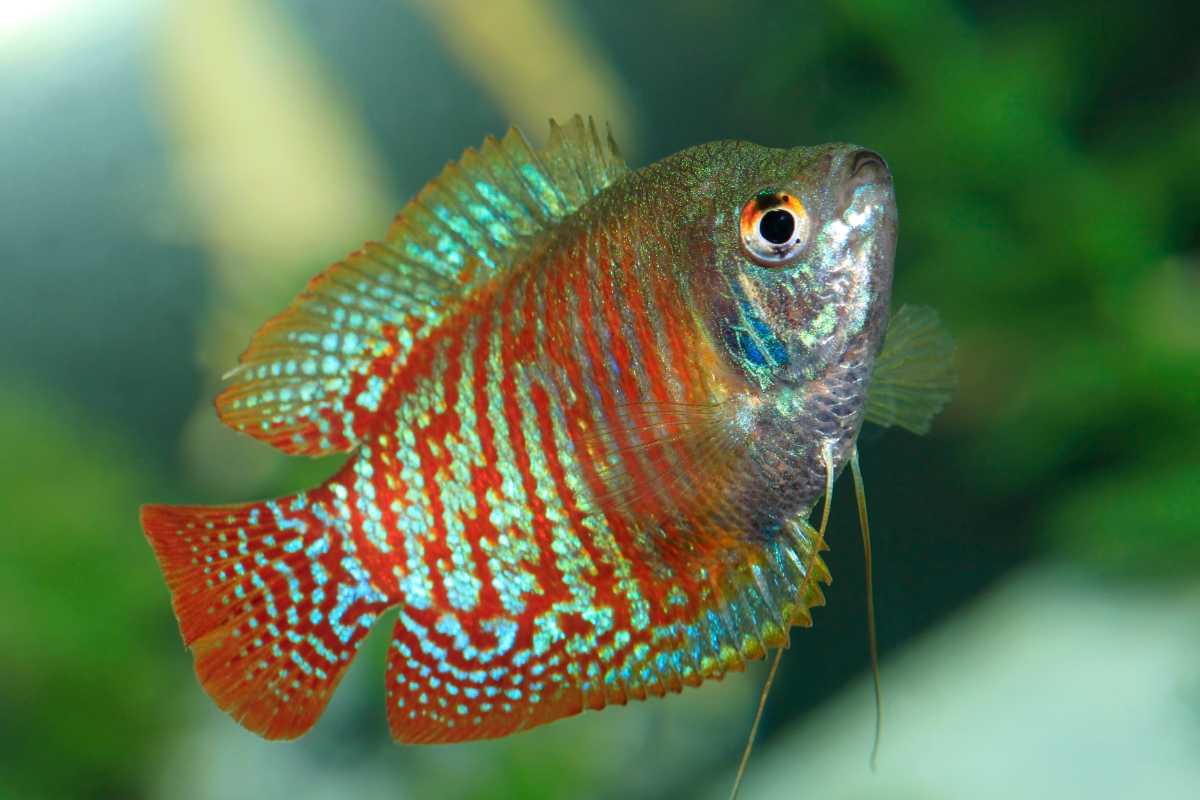
It’s important to observe the behavior of your Dwarf Gourami regularly. Healthy Gouramis will swim gently and interact with the environment, often displaying a peaceful temperament.
Signs of Stress or Illness
Hiding or lethargy: If your Gourami is spending too much time hiding or seems sluggish, this could be a sign of stress, poor water quality, or illness.
Color changes: A significant loss of color or darkening could indicate health problems such as Iridovirus or stress.
Unusual swimming patterns: If the fish is swimming erratically or rubbing against objects, it could indicate skin irritation or parasites.
Regularly check your fish and maintain stable water conditions to avoid these issues.
Conclusion: Maintaining a Happy Dwarf Gourami Tank

Caring for a Dwarf Gourami can be a fulfilling experience when done right.
By ensuring that you provide the proper water conditions, a balanced diet, compatible tank mates, and healthy breeding practices, you’ll create an environment where your Dwarf Gourami can thrive.
Remember, Dwarf Gouramis are peaceful, colorful, and relatively low-maintenance fish that make excellent additions to community aquariums. With a little attention to their specific needs, they will be a vibrant and healthy part of your aquatic world for years to come.
Source: AnimalWised
Did you find this post useful or inspiring? Save THIS PIN to your Pets Board on Pinterest!

You may also like