
EVERYTHING You Need To Know To Care For Your Eyelash Gecko!


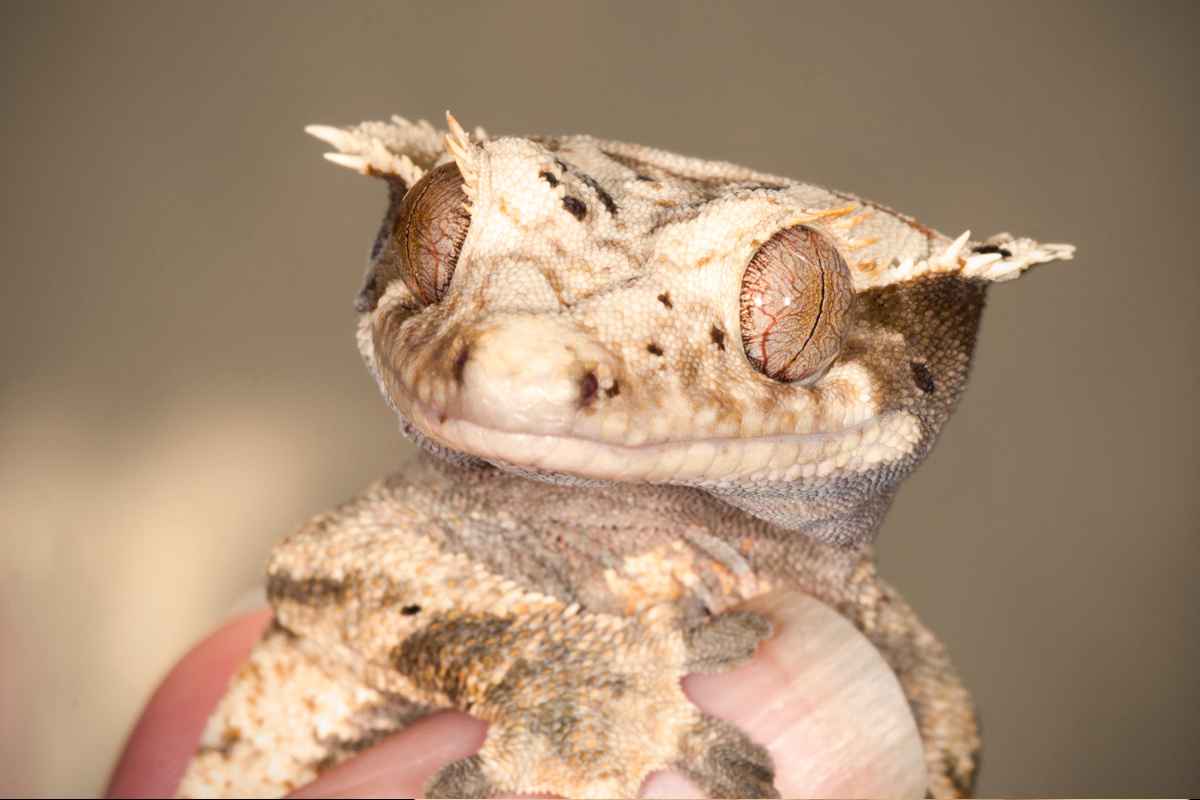
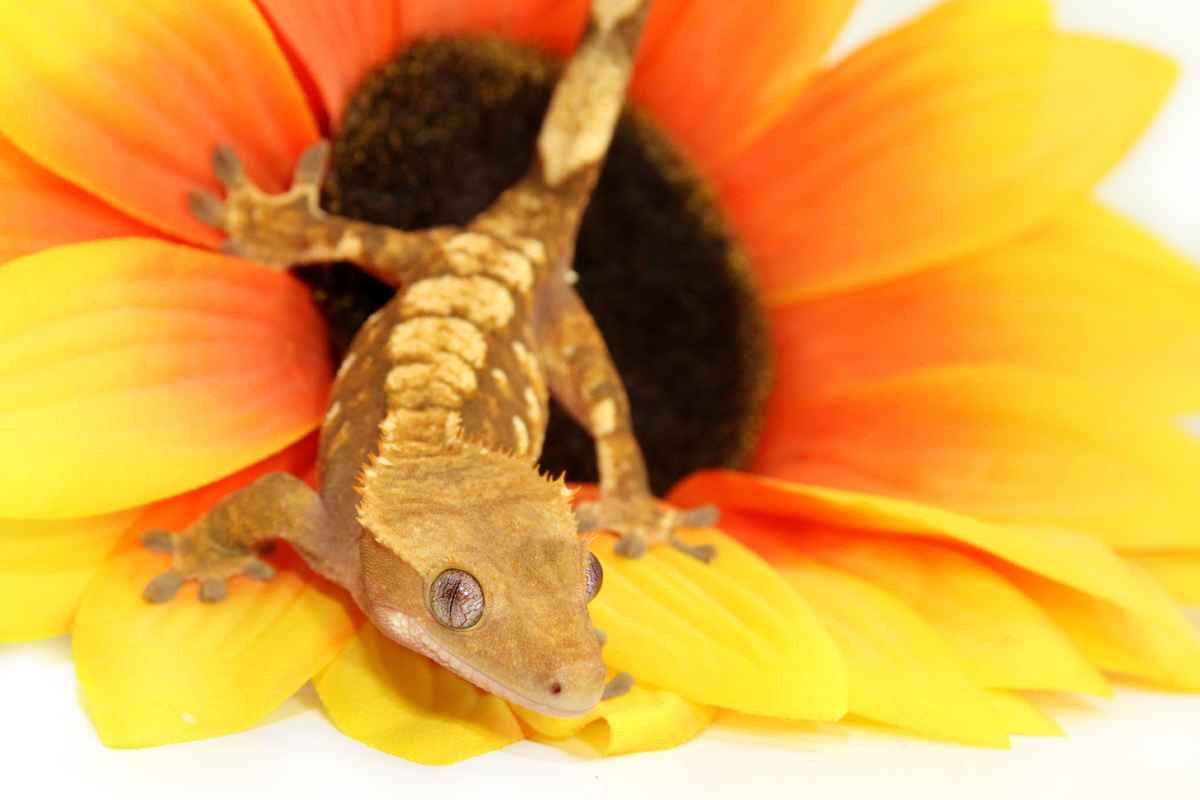
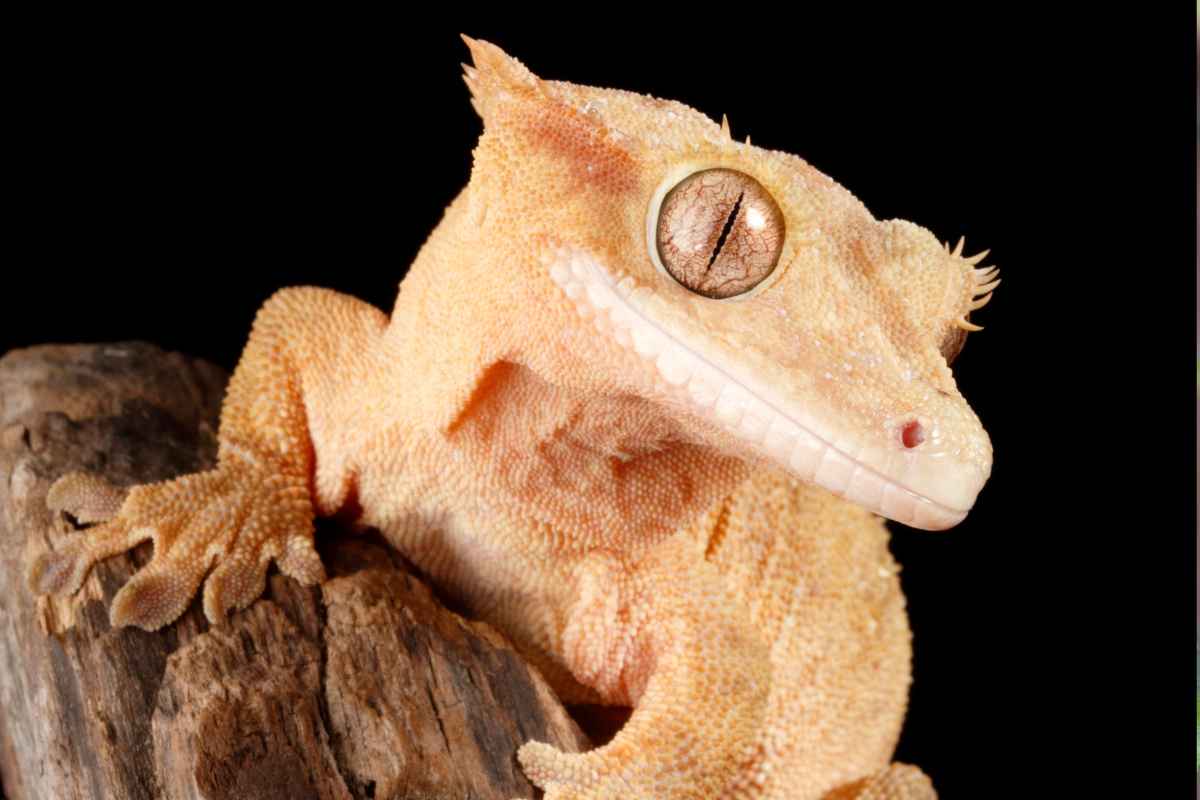
Eyelash geckos (Correlophus ciliatus) are fascinating, nocturnal reptiles with a calm temperament, making them fantastic pets for both beginners and seasoned reptile enthusiasts.
These geckos are native to New Caledonia and are known for their unique features, such as their "eyelash" crests above their eyes.
In this guide, we’ll cover all the essential aspects of caring for an Eyelash Gecko, from setting up their habitat to understanding their diet, temperature needs, and handling.
Setting Up the Perfect Habitat
Creating the right environment for your Eyelash Gecko is crucial for its health and happiness. They thrive in humid and warm environments, but it's important not to overdo it.
Terrarium Size
The ideal tank for an Eyelash Gecko should be at least 20 gallons for one adult.
The taller the tank, the better, as these geckos love to climb and explore vertical spaces.
Tall terrariums with plenty of surfaces to climb on mimic their natural habitat and promote healthy behaviors.
Substrate
For the substrate, avoid sand, as it can be harmful if ingested. Instead, use coconut fiber, peat moss, or paper towels.
These materials hold moisture well, helping to maintain the humidity levels your gecko needs. Coconut fiber is a great option as it also helps to promote burrowing, an instinctive behavior for geckos.
Hiding Spots and Branches
Eyelash Geckos need a place to hide and feel secure.
Cork bark or hollow logs make excellent hides, while branches or vines provide climbing opportunities.
Ensure there are multiple hides placed around the enclosure to allow your gecko to feel safe at all times.
Plants
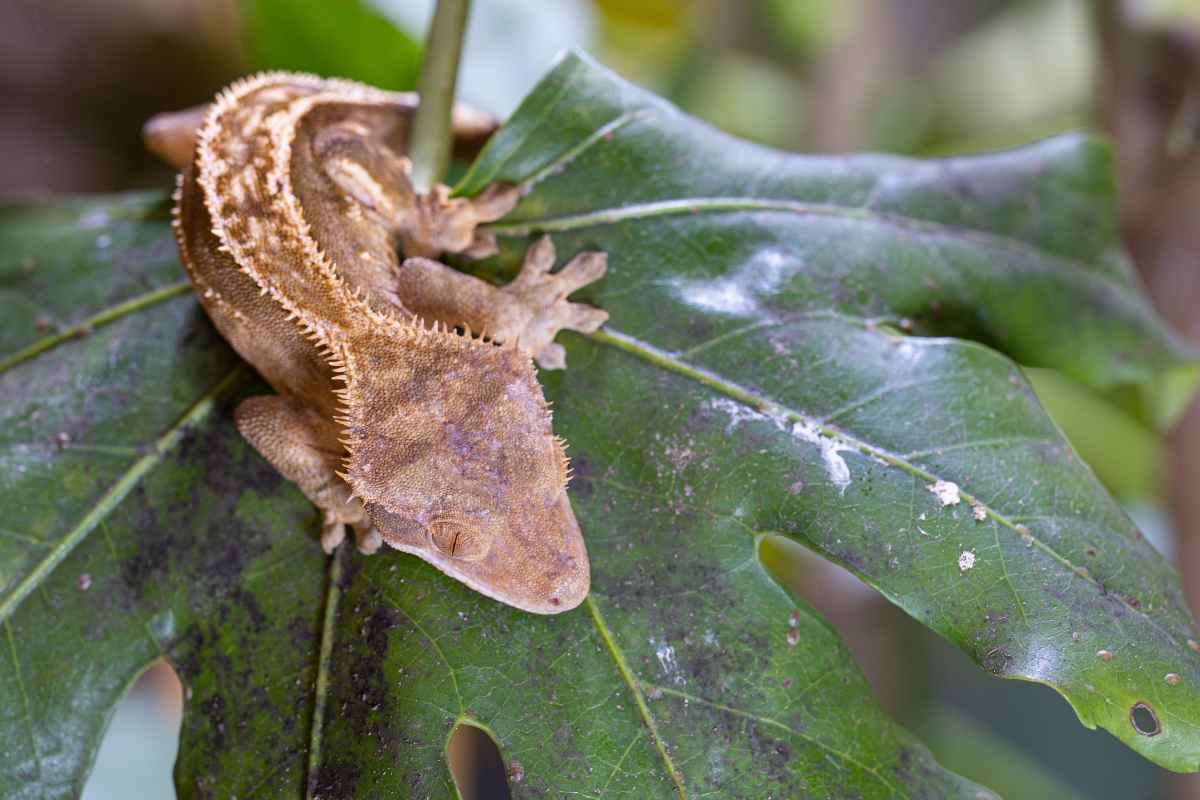
Including some live plants, such as pothos or spider plants, adds natural beauty to the enclosure and can help maintain the humidity.
Avoid plants that are toxic to reptiles, and always check for pesticide residue when introducing any new plants.
Temperature and Humidity Requirements
Maintaining the correct temperature and humidity levels is crucial for your gecko's well-being.
Temperature Range
During the day, the temperature should range between 75°F to 80°F (24°C to 27°C).
At night, it can drop to around 65°F to 70°F (18°C to 21°C).
Eyelash Geckos are sensitive to extreme temperature fluctuations, so it’s essential to maintain a consistent environment.
You can achieve this by using low-wattage heat bulbs or under-tank heaters.
Humidity Levels
Eyelash Geckos require high humidity levels of around 50% to 70%.
To maintain this, you can mist the tank once or twice a day, depending on the climate of your home. Installing a humidity gauge will help you monitor the levels and make adjustments when necessary.
If the humidity drops too low, your gecko could experience skin shedding issues or respiratory problems.
The Right Diet for Eyelash Geckos
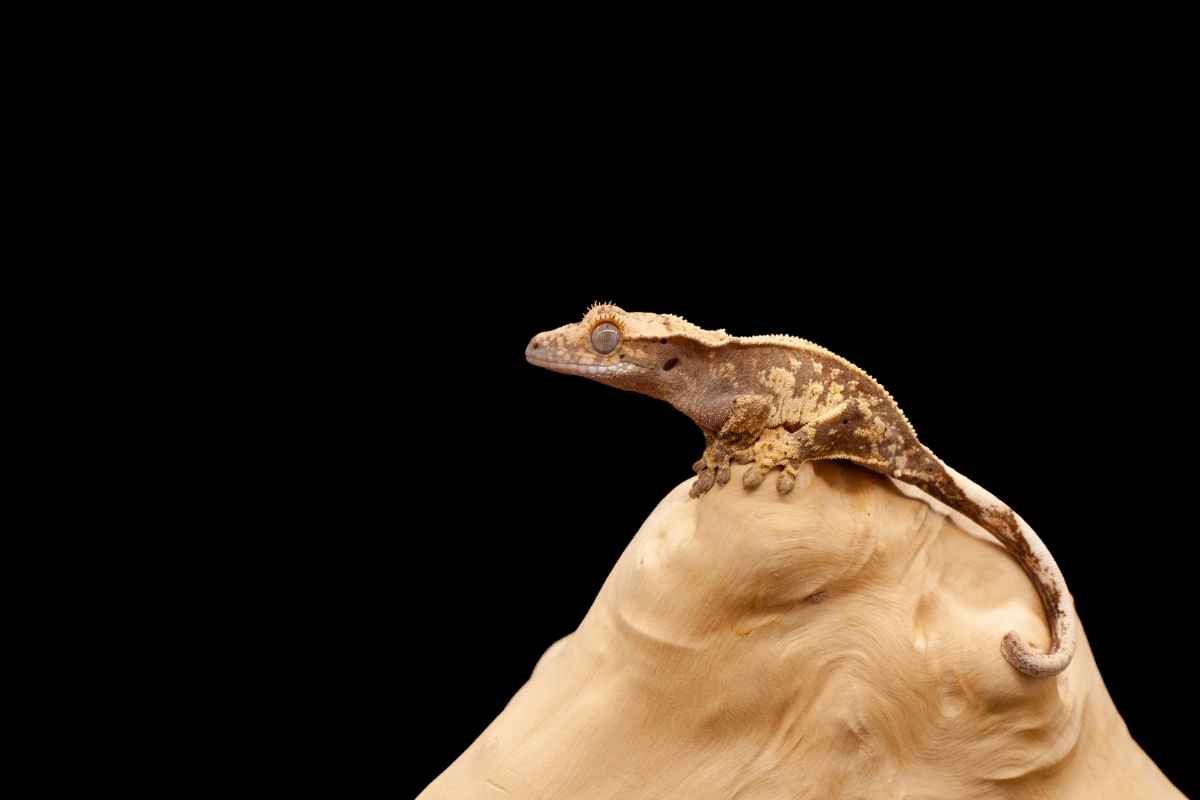
A proper diet is key to keeping your Eyelash Gecko healthy and vibrant. These geckos are insectivores, meaning they mainly feed on insects, but they can also benefit from occasional fruit.
Insects
Eyelash Geckos thrive on a diet of gut-loaded crickets, mealworms, roaches, and silkworms.
These insects should be appropriately sized—no larger than the width of your gecko’s head.
You should also feed them calcium and vitamin D3 supplements to support bone health.
Dust the insects with supplements before feeding them to your gecko.
Fruits
You can offer mashed bananas, mango, and papaya as an occasional treat.
However, these should only make up a small portion of their diet, as geckos are primarily insectivores.
Always remove any uneaten fruit promptly to avoid spoilage.
Feeding Frequency
Feed your gecko about 3-4 times a week. Juveniles may need more frequent feedings than adults, but generally, Eyelash Geckos don’t require daily meals.
Always ensure that the insects you offer are freshly gut-loaded to provide optimal nutrition.
Handling Your Eyelash Gecko
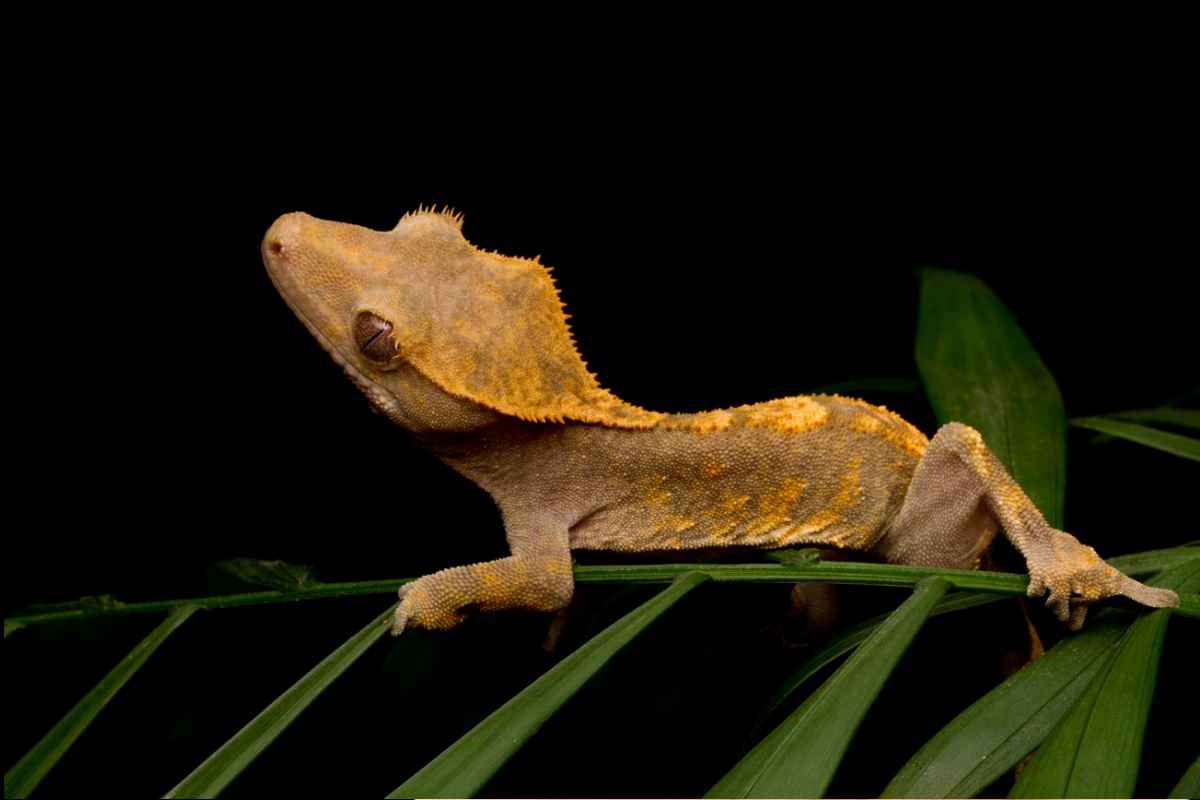
Eyelash Geckos are generally docile, but they can be skittish at first. With patience, they can become comfortable with handling.
Approaching Your Gecko
When handling your gecko, always approach slowly and gently.
Place your hand inside the tank and allow the gecko to walk onto your hand instead of grabbing it.
Use both hands to support their body fully to prevent stress or injury, especially to their delicate tails, which can be dropped as a defense mechanism.
Minimizing Stress
Avoid excessive handling, especially in the first few weeks after bringing your gecko home.
They need time to adjust to their new environment. Keep handling sessions short—5 to 10 minutes at a time—and make sure they feel secure.
Common Health Issues
Eyelash Geckos are generally healthy but, like all reptiles, can experience health problems if their needs aren’t met.
Respiratory Infections
If your gecko shows signs of wheezing or labored breathing, it may have a respiratory infection, which can be caused by poor humidity or temperature control.
If these symptoms appear, consult a reptile vet as soon as possible.
Shedding Problems
Eyelash Geckos shed their skin regularly, and they may require help shedding if the humidity is not adequate.
If you notice patches of unshed skin around the toes or tail, you can gently soak your gecko in warm water for a few minutes to help loosen the skin. Be careful not to pull it off, as it could injure them.
Obesity
Overfeeding or offering food that is too rich can lead to obesity, which can affect your gecko’s health. Monitor their weight and ensure that you’re providing a balanced diet with proper portions.
Final Thoughts: Providing the Best Care
Caring for an Eyelash Gecko is a rewarding experience that requires attention to their specific needs.
By providing them with the right habitat, diet, and care, you can ensure they live a long, healthy, and happy life.
These unique geckos are not only easy to care for but also fascinating to observe as they go about their nocturnal activities.
If you are considering adding an Eyelash Gecko to your family, be sure to set up a suitable habitat, maintain proper temperature and humidity, and provide a nutritious diet.
With these practices in place, your gecko will thrive and bring joy to your home.
We hope you enjoy this video about Reptil

Source: Wickens Wicked Reptiles

You may also like