
Fish Talk: 4 Things Your New Fish is Trying to Tell You


Before any decorations, fancy food, or new species, the priority is invisible: establish the nitrogen cycle. In every aquarium, organic waste breaks down into ammonia; beneficial bacteria convert it to nitrite and then to nitrate.
Ammonia and nitrite must remain at 0 ppm, while nitrate should stay controlled through plants and maintenance.
Clear water can still be unsafe, so a simple liquid kit is essential. Regular testing during the first weeks teaches you how your system matures and prevents early losses that feel mysterious but usually trace back to unstable chemistry.
Cycling isn’t a one-time ritual; it builds the biological backbone that supports everything else. Once those bacterial colonies are established in your filter media and hardscape, the tank becomes more forgiving.
That stability lowers stress, protects immune systems, and sets the stage for vivid color and confident behavior.
Stable Water in Practice
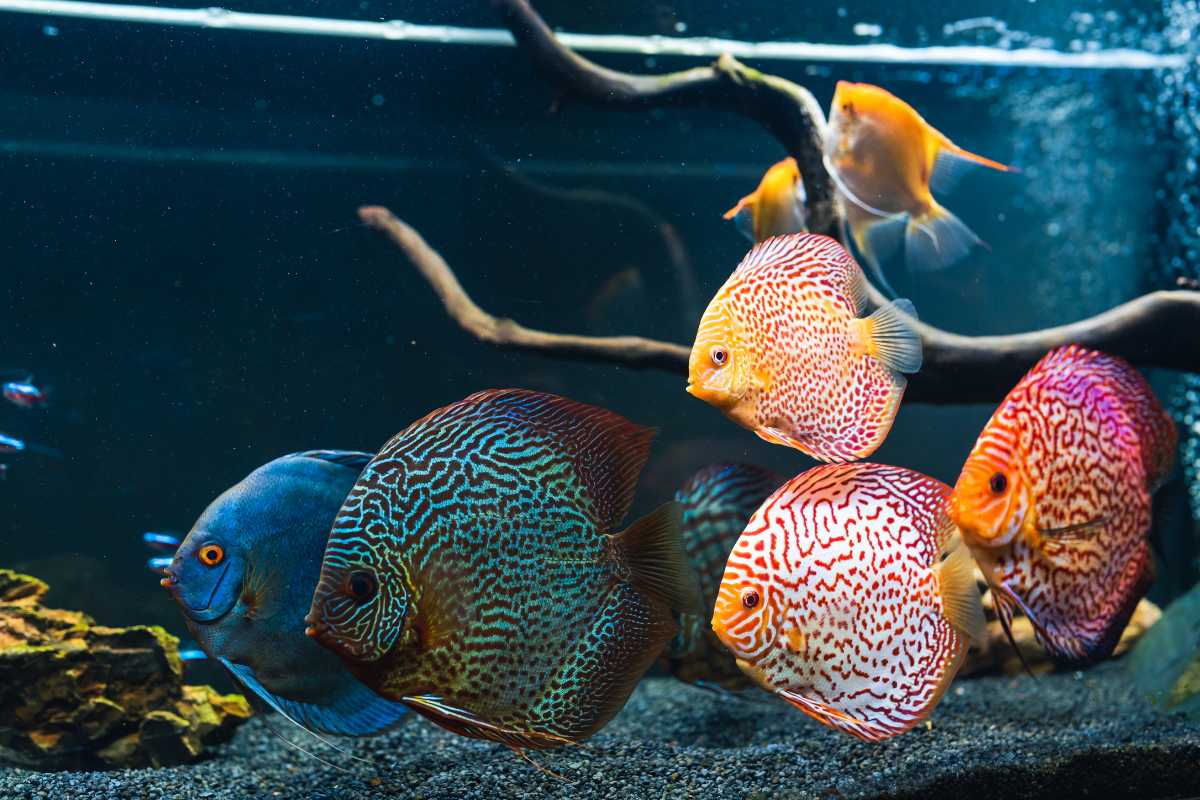
When a tank is ready, parameters don’t swing wildly between checks. Aquarium water quality holds steady, temperature stays in range, and pH is reasonably consistent rather than “perfect.”
Most community fish value consistency over precision; chasing tiny pH changes often creates more instability than it solves. Think of the cycle as your aquarium’s autopilot—quietly working, always present, and worth protecting.
Choose an Appropriate Tank Size and Setup
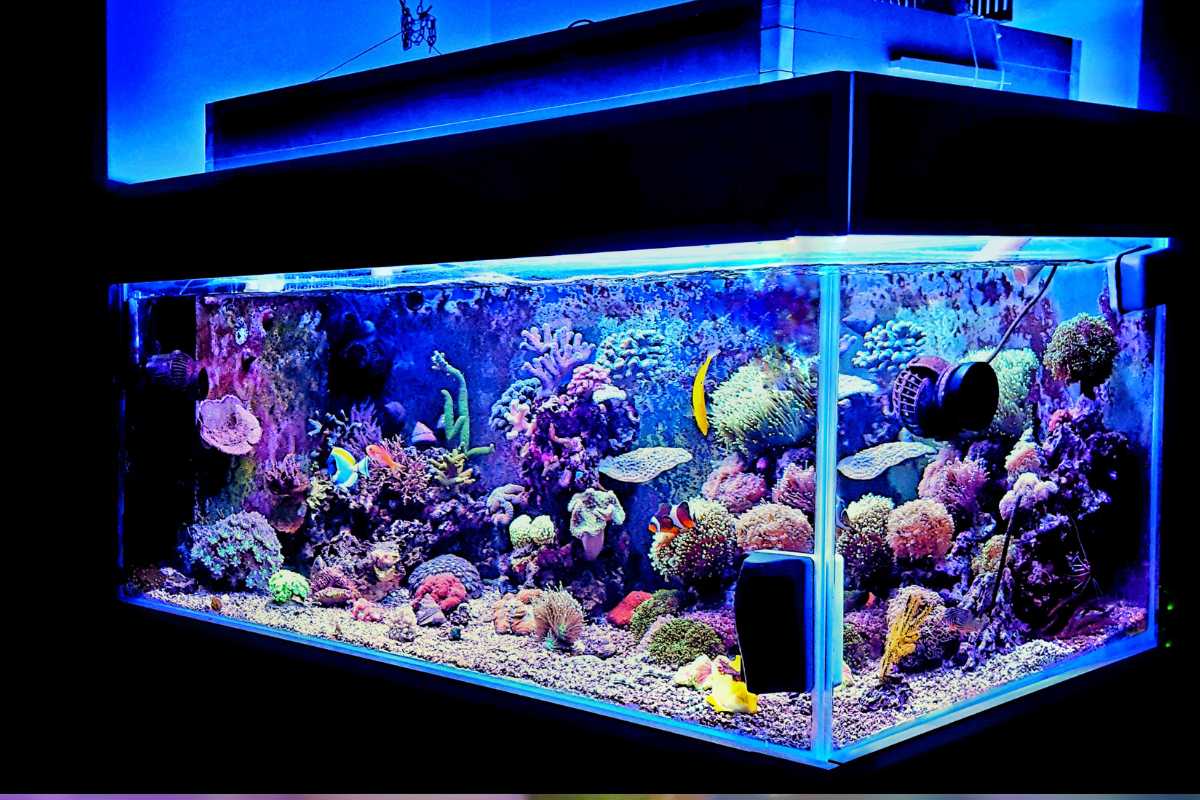
A bigger footprint buys you time, stability, and better gas exchange. Rules like “one inch per gallon” ignore activity level, body shape, and social needs. Instead, match tank size to species behavior and filtration capacity.
Provide a filter rated for at least the display volume, with gentle surface movement for oxygenation. A heater is non-negotiable for warm-water species; even small night-day swings can depress immunity.
Add hardscape and plants to create sightline breaks and calm refuges so bolder fish don’t dominate every inch of water.
Good equipment should disappear into the background of daily life. A quiet filter hum, a heater that holds temperature without drama, and a light on a timer create a rhythm fish can trust.
A secure lid matters more than many realize; the healthiest fish can jump when startled, especially at dusk or during feeding excitement.
Quick Size Guidance
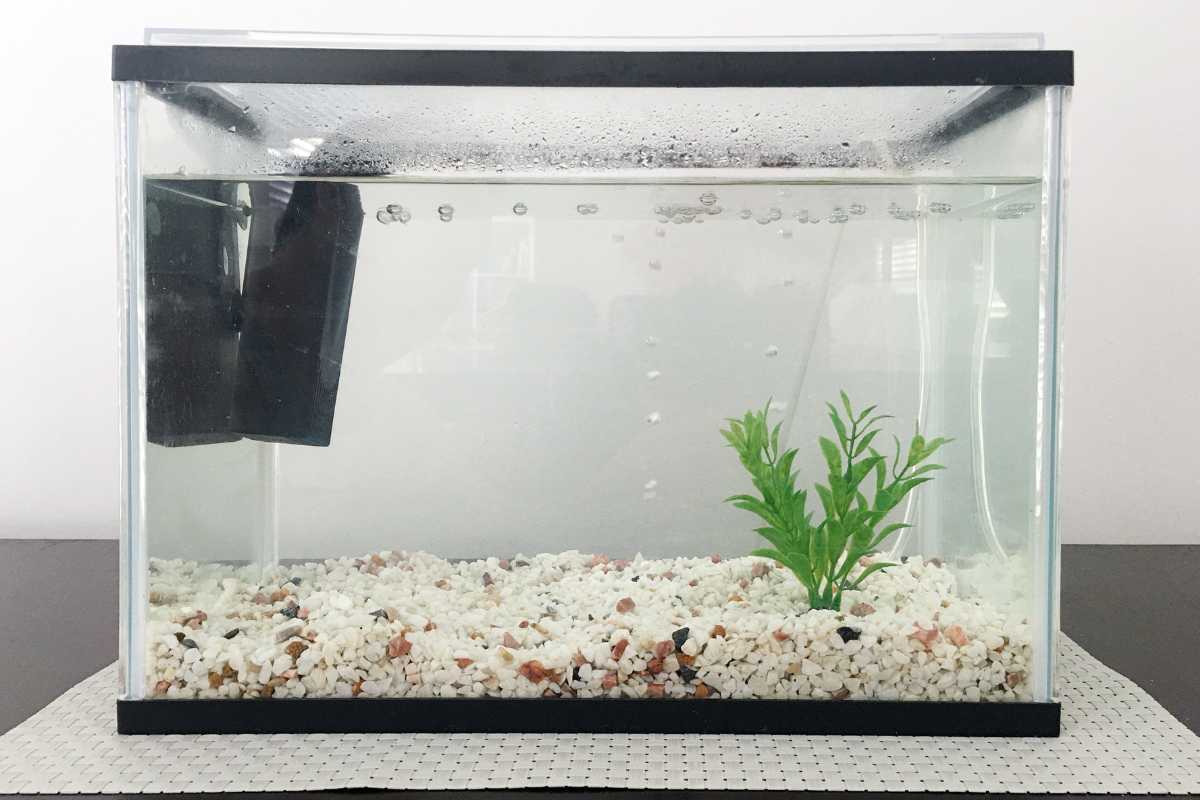
A betta thrives with at least 5 gallons plus filtration and gentle flow, which allows real swimming and stable heat.
A single fancy goldfish needs 20 gallons or more at the juvenile stage and will outgrow small setups; messy metabolism rewards extra water volume and robust filtration.
Small community fish—tetras, rasboras, guppies—show natural schooling and color in longer tanks and in proper group sizes.
Treat these as directional starting points rather than fixed ceilings; stepping up one tank size usually makes everything easier.
Maintain Aquarium Water Quality Consistently
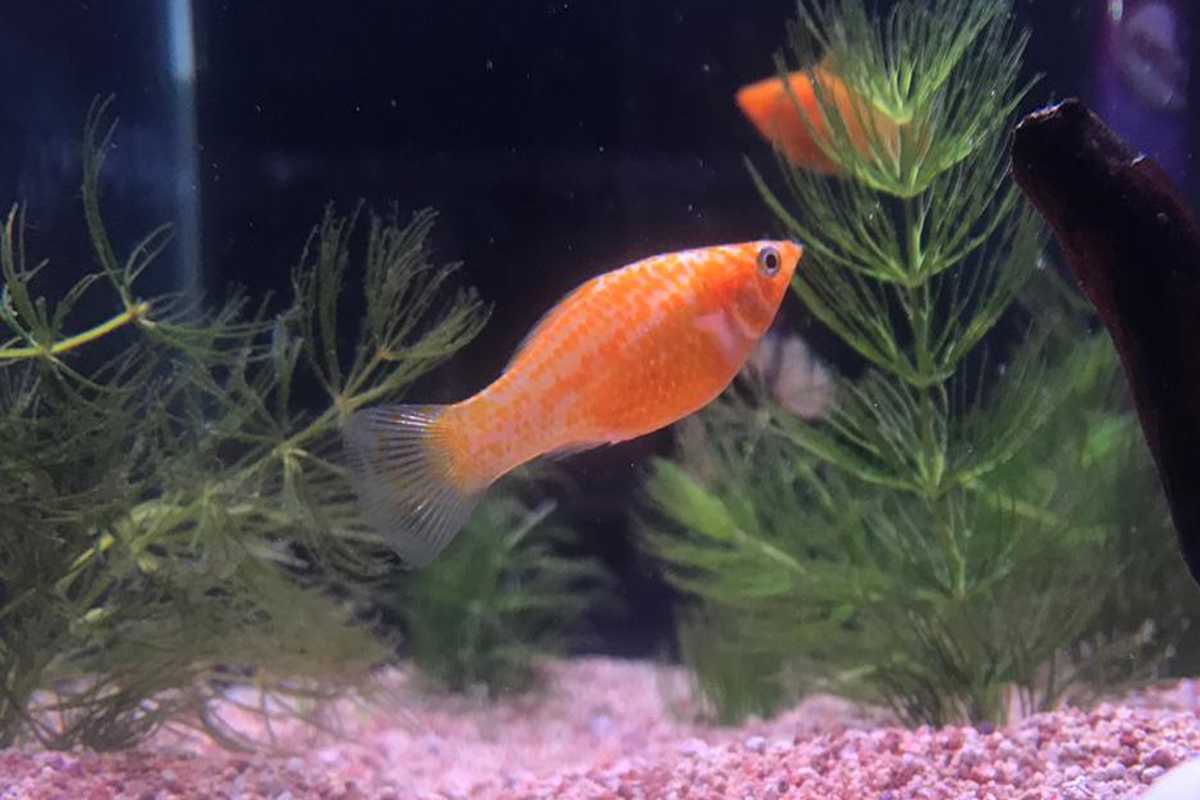
Caring for water is caring for fish. Rather than large, infrequent cleanups, aim for partial water changes on a predictable schedule. Many successful beginners land around 10–25% weekly, adjusting to bioload and plant growth.
The goal isn’t to scrub a tank spotless; it’s to keep parameters stable so the biofilter never faces a shock it can’t absorb.
Replace with dechlorinated water close to tank temperature and avoid aggressive filter “overcleaning” that strips away beneficial bacteria.
Maintenance is also observation time. As you service the tank, you’ll notice how much debris accumulates in specific areas, whether flow patterns need a tweak, or if plant leaves are signaling nutrient imbalances.
These small notes keep you a step ahead of algae blooms and creeping nitrate levels.
Know When to Adjust
Let the numbers and the fish guide you. If nitrate creeps up quickly between changes, increase volume or frequency.
If fish look stressed right after maintenance, review temperature matching and water treatment. In a balanced routine, aquarium water quality looks good not just on cleaning day but every day in between.
Feed Smart and Monitor Health
Overfeeding undermines even the best plan. Fish benefit from small, frequent portions over big meals, and they rarely need as much as we assume.
Offer a high-quality staple—pellets or flakes sized for the species—and rotate occasional frozen or freeze-dried items for variety.
Many keepers include a light fasting day to support digestion and reduce waste accumulation. Thoughtful feeding protects aquarium water quality and keeps filters from working overtime.
Feeding time is also your built-in wellness check. Healthy fish move with purpose, display full fins, and react quickly to you.
A fish that hangs near the surface, clamps fins, or lingers in a corner may be flagging water, social, or health issues. Because you see them daily, you’re the best early-warning system your aquarium has.
Common Signs of Stress
Watch for signs of stress such as gasping at the surface, clamped fins, rubbing on décor (“flashing”), loss of appetite, unusual hiding, or color fade.
Test water first; improving aquarium water quality often resolves the root cause. If a fish shows persistent or escalating symptoms, seek targeted guidance or an aquatic-experienced veterinarian.
Early action can prevent a minor issue from becoming a tank-wide problem.
Acclimation and Quarantine, Simplified
The first hour in a new environment sets the tone for everything that follows. Keep lights low, keep the room calm, and introduce fish gently so temperature and chemistry changes feel gradual rather than abrupt.
Whenever possible, transfer fish with a net rather than pouring transport water into the display; that habit avoids importing unknowns from bags or holding tanks.
For new arrivals, a quarantine period in a simple, filtered setup lets you observe closely, protect the main display, and treat proactively if needed. Quarantine isn’t just for rare fish; it’s an inexpensive insurance policy for the whole aquarium.
While acclimation and quarantine can be handled many ways, the principles remain constant: reduce shocks, reduce pathogens, and reduce drama.
You’ll notice how much more confidently new fish settle when those fundamentals are respected. Eating starts sooner, color returns faster, and social dynamics stabilize with fewer surprises.
New Fish Care: Keep Parameters Stable and Observe Daily
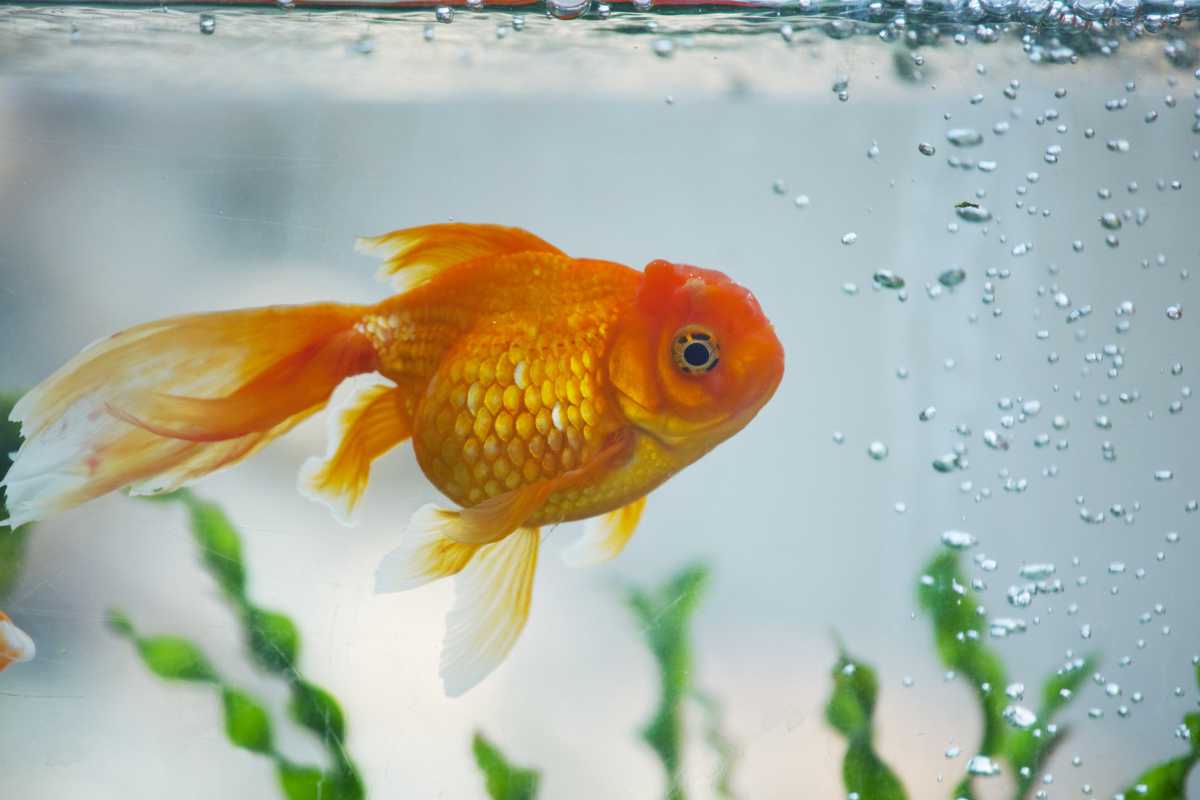
Success with new fish care rests on habits, not heroics. A cycled biofilter turns toxic waste into something manageable. The right tank size and equipment keep comfort high and volatility low.
Partial water changes lock in stability rather than chasing it after a crisis. Smart feeding supports both health and filtration load.
Observation—those quiet minutes in front of the glass each day—finishes the system by catching changes early, before they become emergencies.
As the tank settles, you’ll notice how predictability breeds beauty. Plants pearl, timid species emerge, and schooling fish move as one. That is the reward for small, consistent choices repeated over time.
If you’re just starting, anchor yourself to the fundamentals here and resist the urge to overhaul the tank with every new tip you read. Measure, adjust modestly, and give the system time to respond.
There’s still room for creativity. Aquascape to your taste, choose species with personalities you enjoy, and make the viewing experience part of your daily routine. But let chemistry, temperature, and flow be the quiet constants beneath the art.
With the nitrogen cycle established, aquarium water quality maintained, and signs of stress on your radar, your fish have everything they need to thrive—not just survive—in a home that feels as stable as it looks.
Enjoy This Video About Fishes

Source: Petco
Did you find this post useful or inspiring? Save THIS PIN to your Pets Board on Pinterest!

You may also like