
Fishy Business: A Simple Guide to Goldfish Care for Beginners


New keepers often fall in love with the personality of goldfish—their curious eyes, slow waltz around the tank, and surprising intelligence.
What many people don’t realize is that good goldfish care looks very different from the cartoon image of a bowl on a bedside table.
With the right space, filtration, water quality, and diet, these fish can live for a decade or more and become the calm, mesmerizing centerpiece of your home.
This guide brings everything together in a friendly, practical way so you can build a setup that’s beautiful, humane, and easy to maintain.
Goldfish for Beginners: The Essentials No One Tells You

Goldfish are carp, bred for centuries into dozens of varieties, from sleek commons and comets to rounded fancy goldfish like orandas, ranchus, and black moors.
That heritage matters because it shapes the environment they need. Commons are energetic swimmers built for distance, while fancies are slower, more delicate, and better suited to gentler flow.
Starting on the right foot means choosing the variety that genuinely fits your space and expectations. It also means planning for adult size, not the tiny juvenile at the store.
The Right Tank Size and Why Bowls Don’t Work

The biggest upgrade you can give a goldfish is space. A bowl starves the fish of oxygen, traps waste, and makes stable water chemistry nearly impossible.
For fancy goldfish, think in terms of volume and footprint: a practical baseline is about 75 liters (20 gallons) for the first fish and an additional 40 liters (10 gallons) per fish as you add companions.
For common or comet goldfish, plan for a long, large aquarium or, ideally, an outdoor pond, because these athletic fish can reach impressive lengths and require long runs to swim comfortably.
A longer tank with ample surface area beats a tall one every time, since surface area promotes better gas exchange and steadier oxygen levels.
Give your goldfish the room to grow, and you’ll be rewarded with stronger color, better health, and calm, confident behavior.
Fancy vs. Common: Match the Fish to the Habitat

Because their bodies and swimming styles are different, it’s best not to mix common/comet goldfish with fancy varieties. Commons are fast, competitive eaters and create a brisk atmosphere that leaves rounder-bodied fancies stressed and underfed.
Keeping like with like lets you tune filtration, flow, and aquascape to the fish you actually own. If you’ve fallen for fancies, build a tank with modest current, rounded décor, and lots of open water.
If commons have your heart, consider whether a large indoor tank or a garden pond is within reach; few fish look more spectacular than a small school gliding through sunlit water outdoors.
Filtration and Flow: Clean, Oxygen-Rich Water

Goldfish are enthusiastic eaters and equally enthusiastic polluters. That means you’ll want oversized filtration relative to the tank’s volume.
A good canister or a pair of high-quality filters keeps the water clear, but think beyond mechanical clarity to biological filtration—the beneficial bacteria that convert toxic ammonia to nitrite and then to relatively safer nitrate.
For fancies, aim for gentle, even flow that circulates the tank without pushing them around; a spray bar or well-placed return is often all it takes.
For sleek-bodied commons, a bit more current is fine, as long as the filter intake and outflow don’t create jets that toss fish into ornaments or corners. Keep your filter intake covered to protect delicate fins and trailing tails.
Cycling the Aquarium and Understanding Water Chemistry

Before fish ever enter the tank, cycling the aquarium is the most valuable step you can take. In simple terms, cycling means establishing colonies of beneficial bacteria that will process waste continuously.
Once stocked, your targets should be ammonia = 0 mg/L and nitrite = 0 mg/L at all times. Nitrate will rise between water changes, and keeping it ideally below 20–40 mg/L helps prevent stress and long-term health issues.
Invest in a liquid test kit and make testing part of your normal routine. Chemistry isn’t about chasing perfection; it’s about consistency.
When numbers drift, the solution is usually straightforward: a larger water change, a filter clean (in dechlorinated tank water), or a small stocking adjustment.
Temperature and Stability: Comfort Over Heat

Goldfish are cool-water fish that thrive in stable, moderate temperatures. For most indoor homes, that translates to a comfortable range around 15–23 °C (59–73 °F).
A heater isn’t typically necessary unless your room experiences wide swings or dips below the lower end of that range.
In warmer climates or during heat waves, focus on oxygenation—more surface agitation, extra aeration, or even turning the lights down can help fish breathe easier when water runs warm.
Fancy goldfish appreciate stability most of all; sudden changes in temperature, salinity, or pH are harder on them than a slightly imperfect number that doesn’t budge.
Aquascaping and Enrichment Without the Risks

A goldfish tank can be stunning without becoming a maze of hazards. Choose rounded ornaments and avoid sharp edges that can snag delicate fins, telescopic eyes, or flowing tails.
Smooth gravel or sand reduces the risk of mouth injuries for fish that love to rummage. If you enjoy plants, goldfish will happily taste most of them, but you can still create a green scape with hardy options and planters.
Silk or high-quality artificial plants add texture without the maintenance. Enrichment can be as simple as re-arranging décor periodically or offering a leafy vegetable clip for them to explore and nibble.
A little novelty goes a long way toward keeping these curious fish mentally engaged.
Feeding Well: Variety, Portions, and Swimmer-Friendly Choices

Feeding goldfish isn’t about stuffing them; it’s about steady energy and clean water. Offer goldfish-specific pellets or flakes formulated for cool-water omnivores, and round out the menu with blanched vegetables, gel foods, and occasional frozen treats.
A practical rhythm is two to three small meals a day, giving only what they can finish in under two minutes and removing any leftovers. Overfeeding leads to poor water and can contribute to swim bladder complaints, especially in fancies.
Pellets that soak and sink gently are often easier for fancy varieties to handle than airy flakes that gulp extra air at the surface.
Rotate foods to support color, immune health, and long-term vitality—variety keeps them interested and well-nourished.
Simple Maintenance That Actually Works

A beautifully kept goldfish aquarium doesn’t demand constant tinkering; it thrives on predictable routines.
Use your test kit to let nitrate guide your water change schedule, typically 25–50% weekly depending on your stocking and feeding. Always treat new tap water with a dechlorinator before it touches the tank.
Clean filter media in a bucket of tank water so beneficial bacteria survive the rinse, and replace media in stages rather than all at once.
Observe fish during feeding and after maintenance—subtle changes in posture, appetite, or interaction often tell you far more than a single number on a test strip.
Health and Behavior: Reading the Early Signs

Goldfish broadcast how they’re feeling if you know what to watch for. Healthy fish cruise the mid-water, investigate their surroundings, and approach the front glass at mealtime.
Stress shows up as clamped fins, listless hovering, bottom-sitting, frantic surface gulping, or rubbing on objects.
Visible cues like white spots, fraying fins, or cottony patches suggest specific issues, but the first response is always the same: test the water, confirm ammonia and nitrite are zero, and bring nitrate down with a generous water change.
If one fish looks unwell, a separate quarantine tank—even a simple, filtered tub—lets you observe and support it without exposing the whole community to potential pathogens.
Common Myths That Hold Keepers Back

Goldfish don’t “stay small because the tank is small.” They stunt when water quality and nutrition are poor, and that stunting harms organs and shortens life.
Bowls aren’t beginner-friendly; they’re beginner-frustrating, because they make stability impossible.
And no, goldfish don’t forget everything in three seconds—spend a week hand-feeding and you’ll see how quickly they learn routines, faces, and even where the food container lives.
Embracing evidence-based goldfish care turns those myths on their head and replaces them with a peaceful, long-lived pet that rewards your effort every single day.
Smart Stocking and Peaceful Cohabitation

If you love fancies, keep them with other fancies. Their slower pace, round bodies, and elaborate fins are a delight when the competition is fair.
If you prefer the athletic grace of commons or comets, give them the runway they deserve and avoid pairing them with smaller, delicate tank mates.
Goldfish mix best with their own kind because they produce more waste than most tropical species and thrive under conditions—cool, oxygen-rich water—that don’t suit many community fish.
A single-species setup is also easier to balance, which is helpful when you’re learning to read test results and fine-tune filtration and flow.
Lifespan and the Long View
With proper goldfish care, these fish commonly live 10–15 years, and well-kept individuals can surpass 20 years.
That longevity is why planning matters: the aquarium you choose today is the home your fish will inhabit for a sizable portion of your life.
Thinking long-term—about tank size, maintenance habits, and realistic stocking—turns a beginner project into a relationship you’ll be proud of for years.
Quick Answers to New Keeper Questions

- How big should the tank be? For fancy goldfish, a strong starting point is around 75 liters (20 gallons) for one fish, adding 40 liters (10 gallons) for each additional. Commons/comets need far more horizontal space; think large, long aquariums or ponds as they mature.
- Do I need a heater? Usually no. Focus on stable, moderate temperatures and good oxygenation.
- How often should I change water? Let nitrate be your guide, but many tanks thrive on 25–50% weekly.
- Can I keep goldfish in a bowl? No—bowls limit oxygen and stability, leading to chronic stress and early losses.
- Why do my fancy goldfish struggle to swim after eating? Too much food, gulped air from floating flakes, or poor water quality can contribute. Offer soaked sinking pellets, reduce portions, and re-check your water.
Setting Yourself Up for Effortless Success

A calm, thriving goldfish tank isn’t a mystery—it’s the predictable result of adequate space, oversized filtration, cycled water, steady temperature, and sensible feeding.
Build those pillars, and everything else becomes easier: glass stays clearer longer, fish grow steadily without stunting, colors intensify, and you spend more time admiring graceful movement than battling algae or emergencies.
Add your personal touch with safe décor and a plant or two, keep your test kit close, and enjoy the ritual of a weekly water change that resets the system and gives you a reason to check in on your aquatic friends.
A Humane, Beautiful Goldfish Tank Is Within Reach

If there’s one takeaway, it’s this: goldfish are not disposable pets. They’re hardy when their needs are met and surprisingly sensitive when they aren’t.
Give them room to breathe, clean water to live in, and the consistent care that turns a simple aquarium into a soothing display you’ll be proud to show off.
Whether you choose the whimsical charm of a fancy goldfish or the athletic elegance of a common, building a habitat around the fish—rather than asking the fish to tolerate the habitat—makes all the difference.
Start with space, follow through with filtration and cycling, keep food varied and portions small, and treat testing as your north star. Do that, and you won’t just keep goldfish; you’ll keep them well, for years.
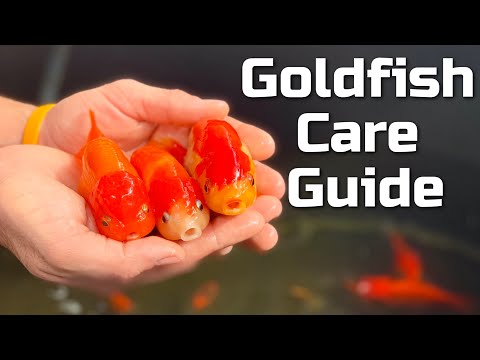
Enjoy The Video About Fish
Source: Luke's Goldies
Did you find this post useful or inspiring? Save THIS PIN to your Pets Board on Pinterest!

You may also like