
Gecko Whisperer: 5 Tips to Win Your Crested Gecko's Heart


Crested geckos are among the most fascinating reptiles kept as pets. With their wide eyes, sticky toes, and calm personalities, they can become more than just creatures in a terrarium—they can truly be companions.
But creating trust with them doesn’t happen overnight. It requires patience, consistency, and a deep understanding of their needs.
This article explores practical ways to strengthen your connection while giving you a clearer view of what makes these reptiles so unique.
Understanding the Nature of Crested Geckos
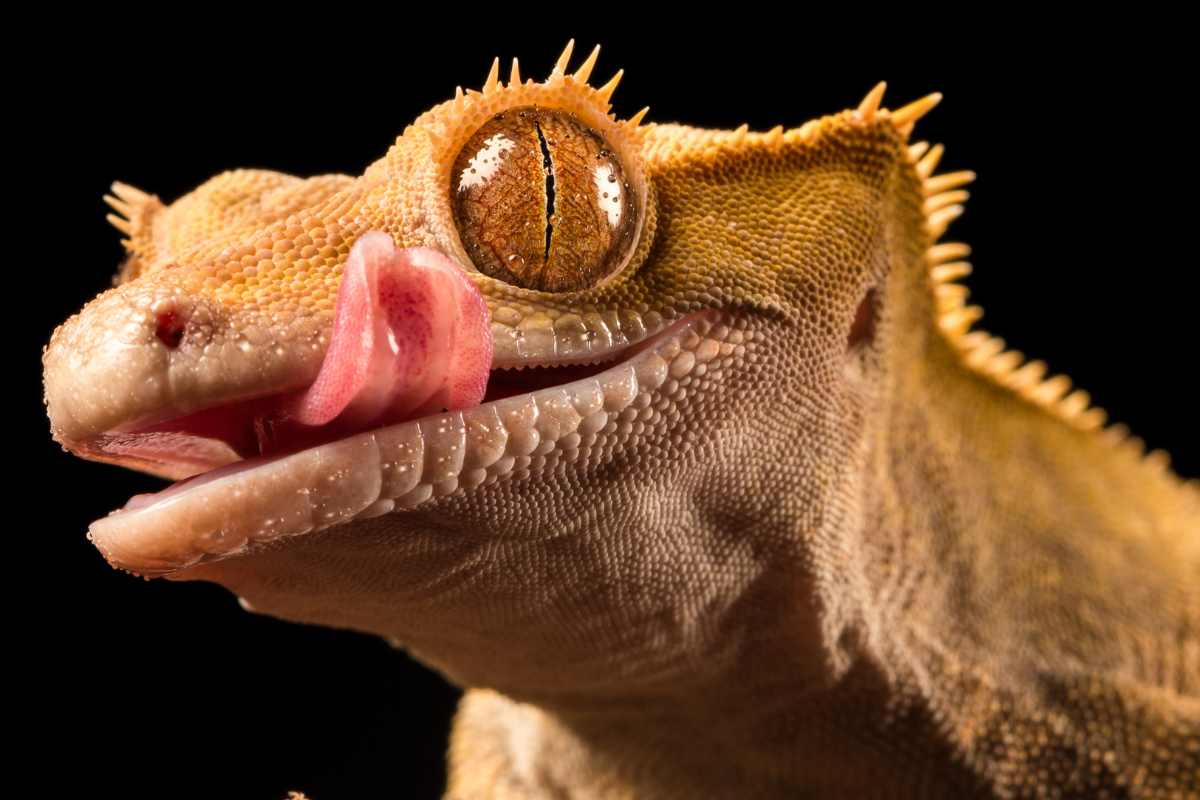
Before diving into techniques, it’s important to recognize who they are. Crested geckos originate from New Caledonia’s humid forests, where they climb, hide, and hunt at night.
They are arboreal, nocturnal reptiles who prefer calm environments.
Unlike dogs or cats, they won’t seek affection in a human sense. Instead, trust is expressed in subtler ways: staying calm in your presence, accepting food from your hand, or resting comfortably during gentle handling.
Knowing this background makes bonding less about forcing interaction and more about creating a safe, familiar environment where your gecko feels secure.
Creating the Perfect Habitat

Temperature and Humidity
One of the strongest foundations for trust is comfort. A crested gecko will only be relaxed if its habitat feels right. Their ideal environment ranges from 22–27 °C (72–80 °F), with cooler nighttime drops.
Just as crucial is humidity, which should stay around 60–80%, mimicking the tropical air of their natural home. Without proper humidity, they may struggle to shed skin, leading to stress and health issues.
The Right Enclosure

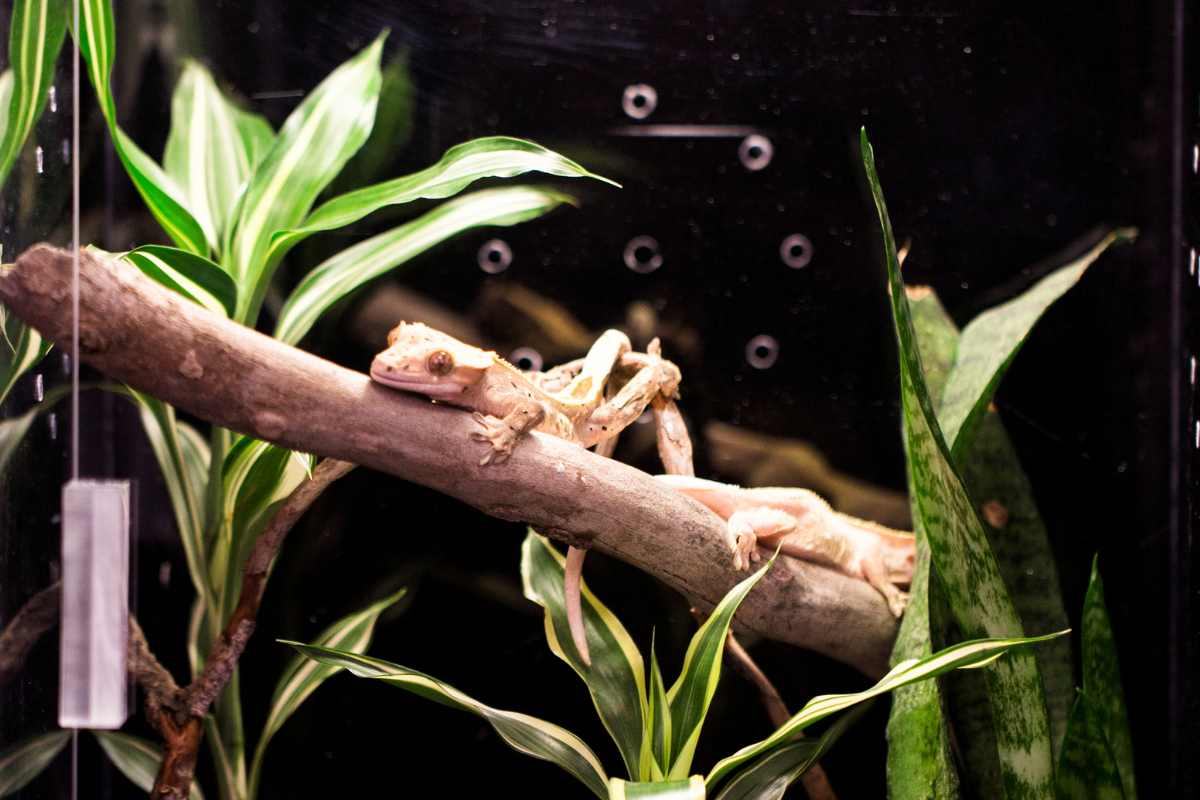
A vertical terrarium is key, since these geckos love climbing. A minimum of 18x18x24 inches works for a single adult, though larger is always better.
Fill it with branches, cork bark, and live or artificial plants. These not only provide climbing surfaces but also hiding spots, which are vital.
A stressed gecko that cannot retreat into foliage will be far less likely to trust interactions outside its enclosure.
Lighting and Rhythm
Crested geckos are nocturnal, so they do not need intense UVB lighting, but a low-level UVB bulb can support overall health. Keeping a consistent light-dark cycle helps them regulate their activity patterns, aligning with your bonding sessions.
Using Your Voice to Build Familiarity

Geckos may not understand words, but they recognize tones, patterns, and vibrations.
Speaking softly near their terrarium introduces your presence without physical intrusion. Over time, they begin to associate your voice with safety.
Instead of silence or sudden sounds, try brief daily interactions: greeting them while refilling water, narrating what you’re doing, or softly humming.
Think of your voice as part of the environment—steady, predictable, and comforting. This familiarity lowers their instinct to see you as a threat.
Gentle Handling: Building Trust Slowly

Reading Their Signals
Handling should never be rushed. A gecko that jumps away, flicks its tail, or stiffens its body is communicating discomfort. Respecting those signs builds more trust than forcing contact.
Supporting Their Body
When you do handle them, always let them climb onto you voluntarily rather than grabbing. Allow them to perch on your hand or arm, offering security by supporting their body fully.
Because their tails are delicate and can detach if threatened, never pull or restrain them roughly.
Short, positive handling sessions—just a few minutes at first—help create the association that being with you is safe and stress-free. Over time, these moments can extend naturally.
Consistency and Routine

Reptiles thrive on predictability. If your gecko knows when misting happens, when food arrives, and when lights shift, they’ll feel less stressed and more in tune with your rhythm.
Bonding can slot into this routine. For example:
Talk to them while misting in the morning.
Offer food by hand in the evening.
Handle gently once or twice a week, keeping a consistent time.
By linking your presence to familiar, positive activities, your gecko begins to anticipate your role as a source of comfort and care.
Hand Feeding: A Shortcut to Trust
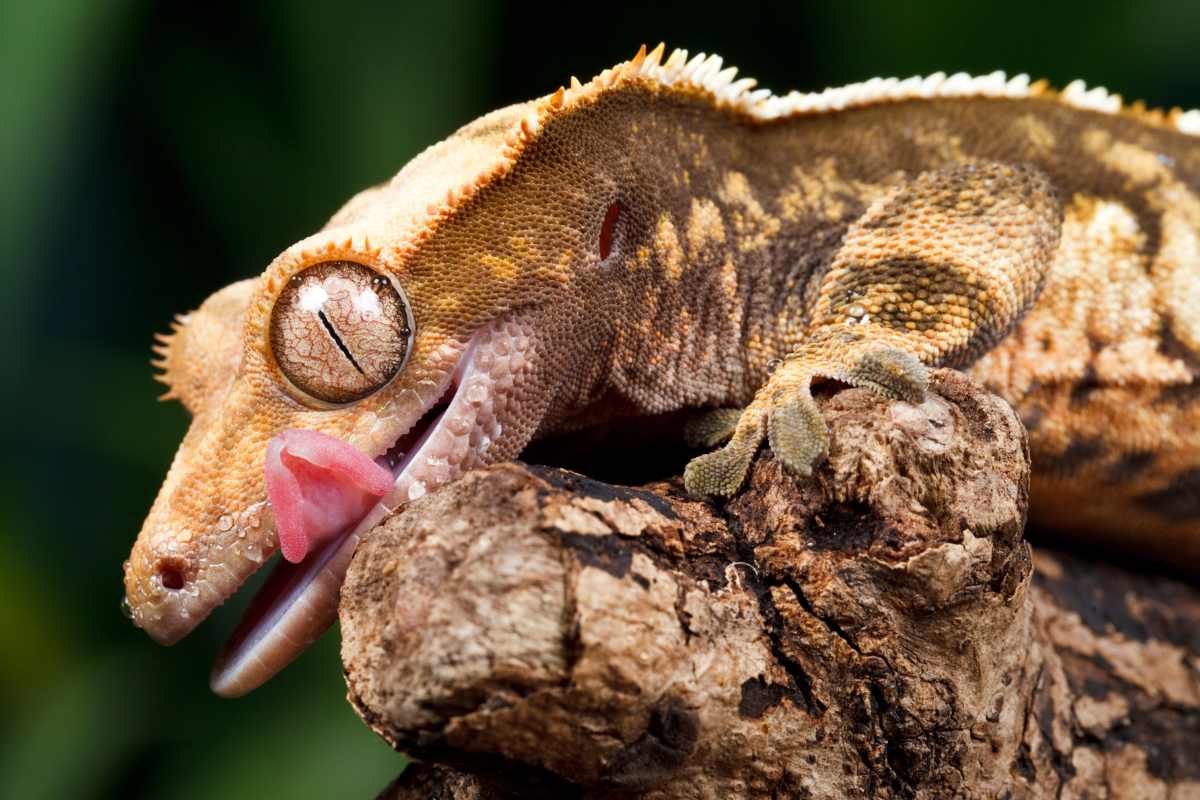
Food is one of the strongest bonding tools. Crested geckos thrive on commercial diets, fresh fruit purees, and occasional insects.
By offering these treats directly, you transform yourself from an observer into a provider of positive experiences.
Starting Small
Begin by holding a small spoon or bottle cap with their food just outside their hiding spot. Once they feel comfortable, advance to letting them lick from your fingertip.
Insects like crickets can also be introduced using tongs, so they learn that your presence equals good things.
Over time, many geckos will eagerly approach the front of their enclosure when they see you, anticipating a reward. This voluntary engagement is one of the clearest signs of trust.
Recognizing Trust and Bonding
Trust with a crested gecko is subtle. Signs include:
Remaining calm when you open the terrarium.
Approaching food offered by hand.
Staying relaxed on your hand without frantic movements.
Exploring you like they would a safe branch in their enclosure.
These behaviors may seem small, but they are powerful markers of progress. Every step forward reflects the time, consistency, and care you’ve given.
Enriching the Bond with Enclosure Interaction
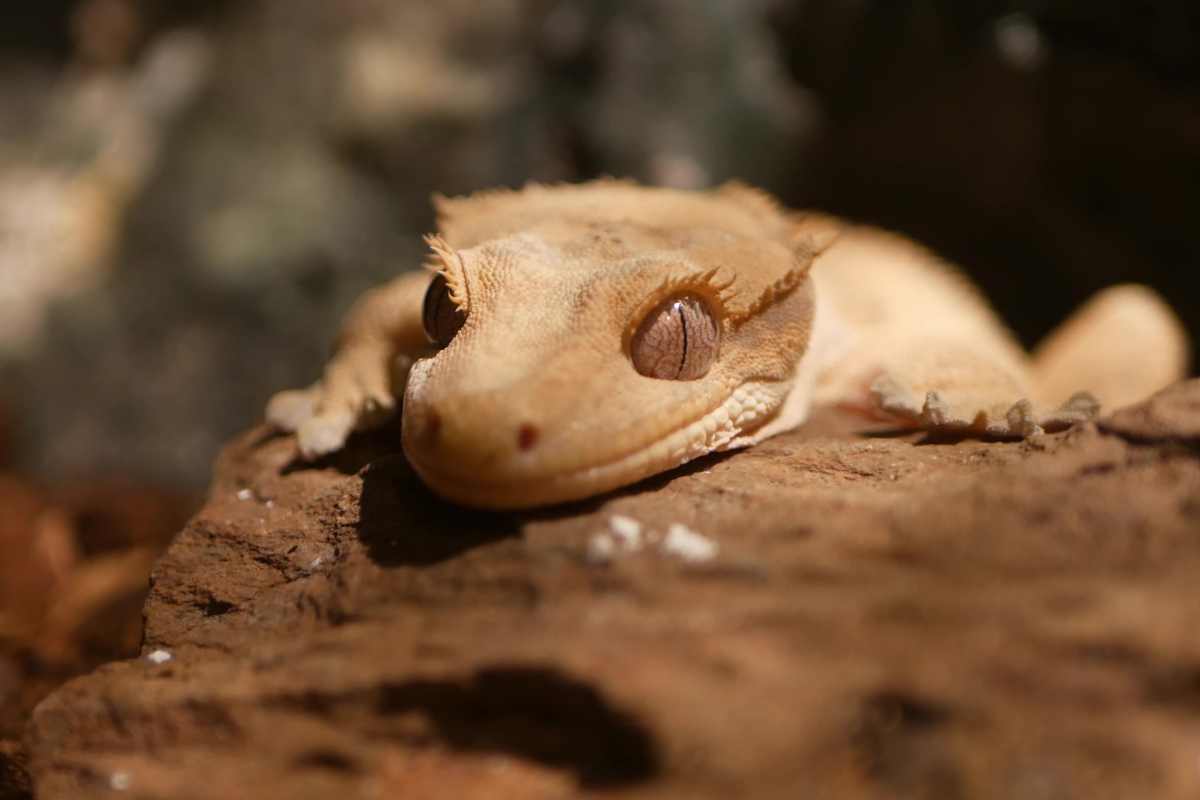
Bonding doesn’t always mean handling. Sometimes, simply being part of their world builds familiarity. You can:
Place your hand in the enclosure for a few moments without touching them.
Allow them to explore near your presence while you sit quietly.
Add interactive elements like climbing vines or feeding stations where they engage while you watch.
This approach respects their boundaries while still normalizing your presence.
Common Mistakes That Break Trust
Many owners unknowingly slow their progress with certain actions. To avoid setbacks:
Do not handle too soon or too often. Rushing can make them associate you with stress.
Avoid loud noises and sudden movements near the enclosure.
Do not neglect environmental needs. Incorrect temperature or humidity creates discomfort, making bonding harder.
Never restrain them harshly. Once trust is broken, it can take weeks to repair.
The Emotional Side of Keeping Geckos

It’s easy to underestimate reptiles because their emotions are not displayed like mammals. But caring for a crested gecko teaches patience, observation, and respect for subtle communication.
Over time, you may find yourself celebrating tiny victories—like the first time they eat from your hand or stay calm on your shoulder. These quiet milestones are the heart of reptile companionship.
Owning a crested gecko isn’t about taming a wild animal; it’s about creating a partnership built on respect and care. The reward is a relationship that feels earned, unique, and deeply satisfying.
Final Thoughts: A Journey of Patience and Respect
Winning the trust of a crested gecko is not about dominance but about building a bridge between species.
By providing a comfortable habitat, speaking softly, handling with care, offering food by hand, and sticking to a routine, you create a world where your gecko feels safe enough to let its guard down.
The process is slow, but each interaction deepens the bond. With time, your gecko will not just see you as part of its environment but as a trusted presence it can rely on.
And that moment—when your gecko rests calmly in your care—makes the journey worthwhile.
Enjoy The Video About Reptiles

Source: Leopard Gecko
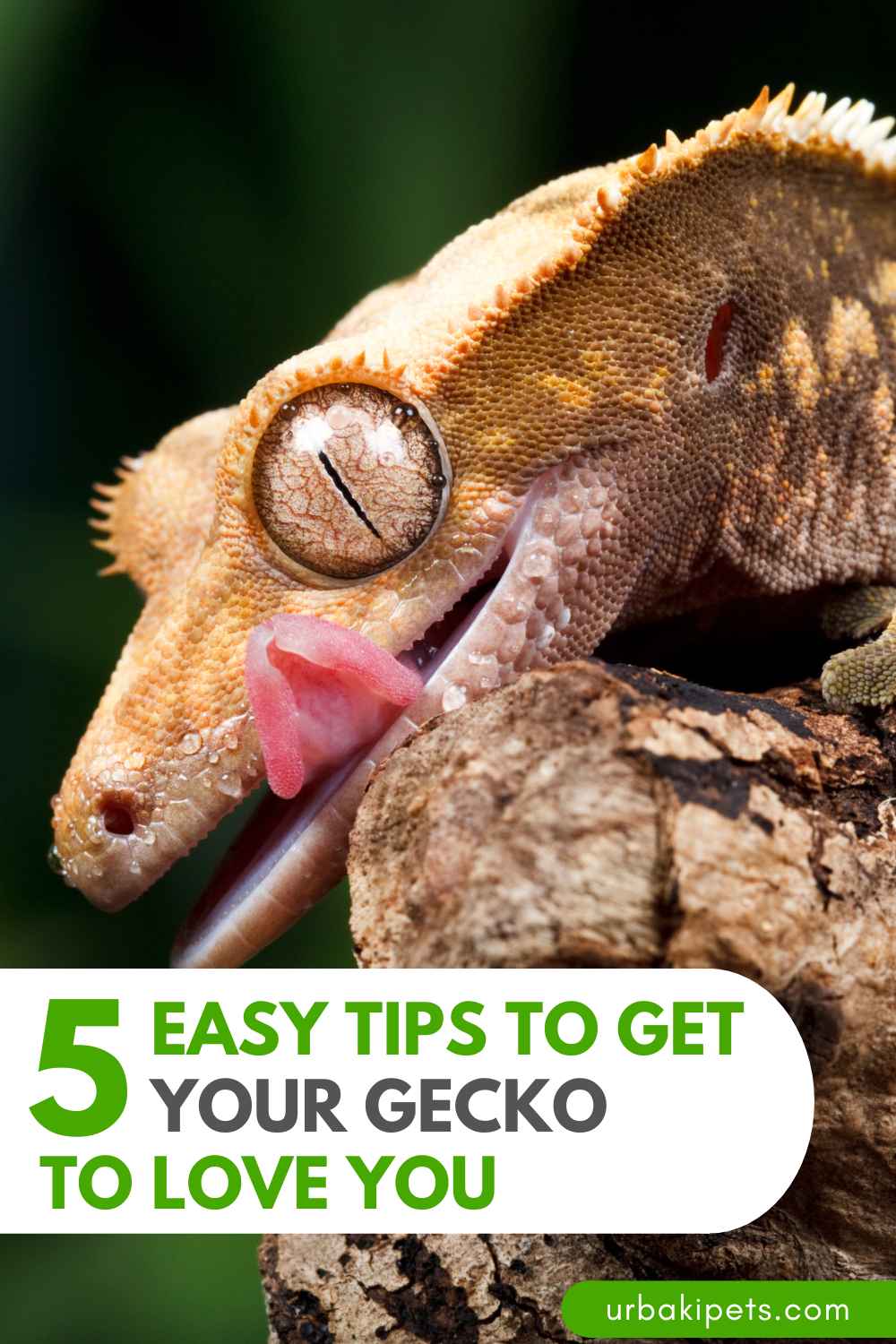
Did you find this post useful or inspiring? Save THIS PIN to your Pets Board on Pinterest!
You may also like