
Goldfish Care: 10 Things You Should Know


Hello, fish lovers! Whether you're a first-time goldfish owner or you already have one swimming around your home, this article is for you.
Goldfish are wonderful, peaceful companions that can brighten up your home for years. But, just like any pet, they need proper care to stay happy and healthy.
Here are 10 essential tips to make sure your goldfish thrives:
1. Give Them Plenty of Space to Swim
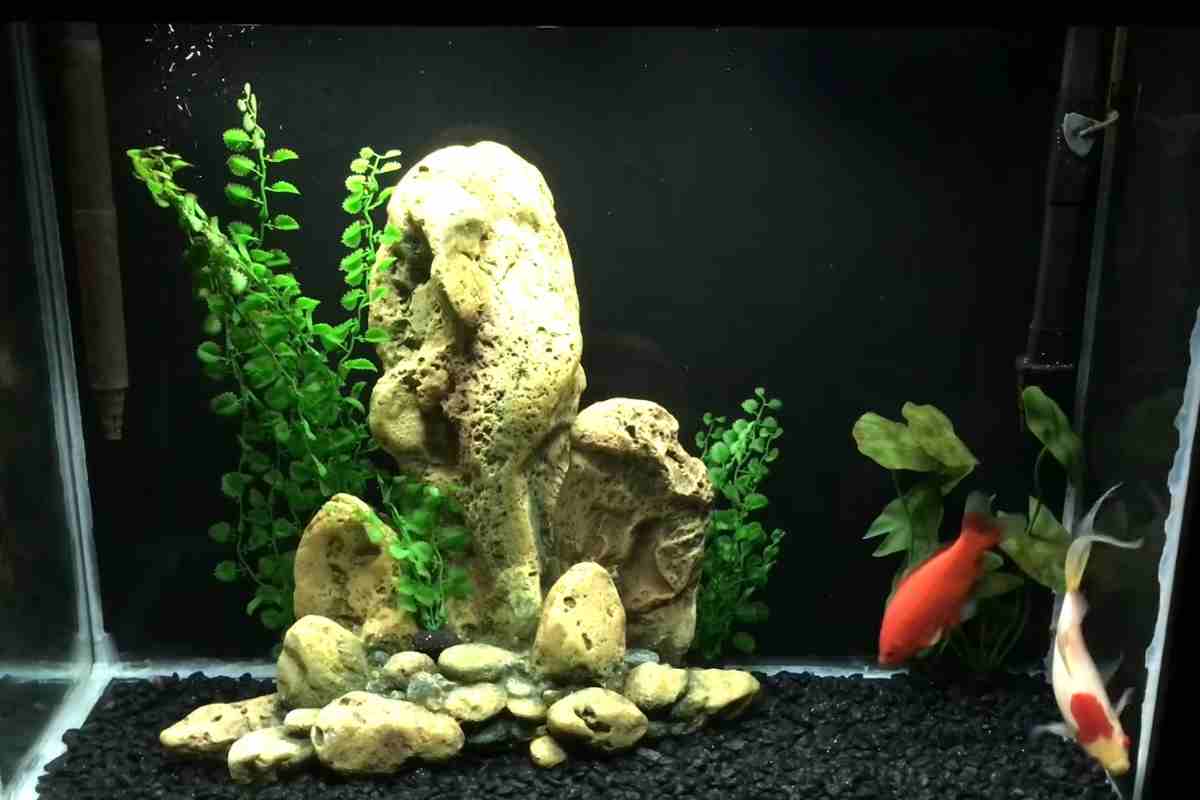
Goldfish may start small, but they can grow quite large! They need a spacious tank to feel comfortable. A minimum of 75 liters (20 gallons) per fish is ideal.
A bigger tank will help them swim freely and stay active, which is important for their health and happiness.
2. Clean Water is a Must for a Happy Fish
The quality of the water is key. Be sure to change part of the water regularly and use a good filtration system to keep things clean.
Also, keep an eye on your water's pH, ammonia, and nitrite levels to avoid any issues.
Tip: Don't skip on the filter! It’s worth investing in one that suits your tank size.
3. Feed Them a Balanced Diet
Goldfish are omnivores, meaning they enjoy a mix of foods. You can feed them flakes or pellets, but also offer them occasional treats like peas, spinach, or cucumber.
Just remember, don't overfeed them—small portions once or twice a day will keep them healthy.
4. Watch for Signs of Illness
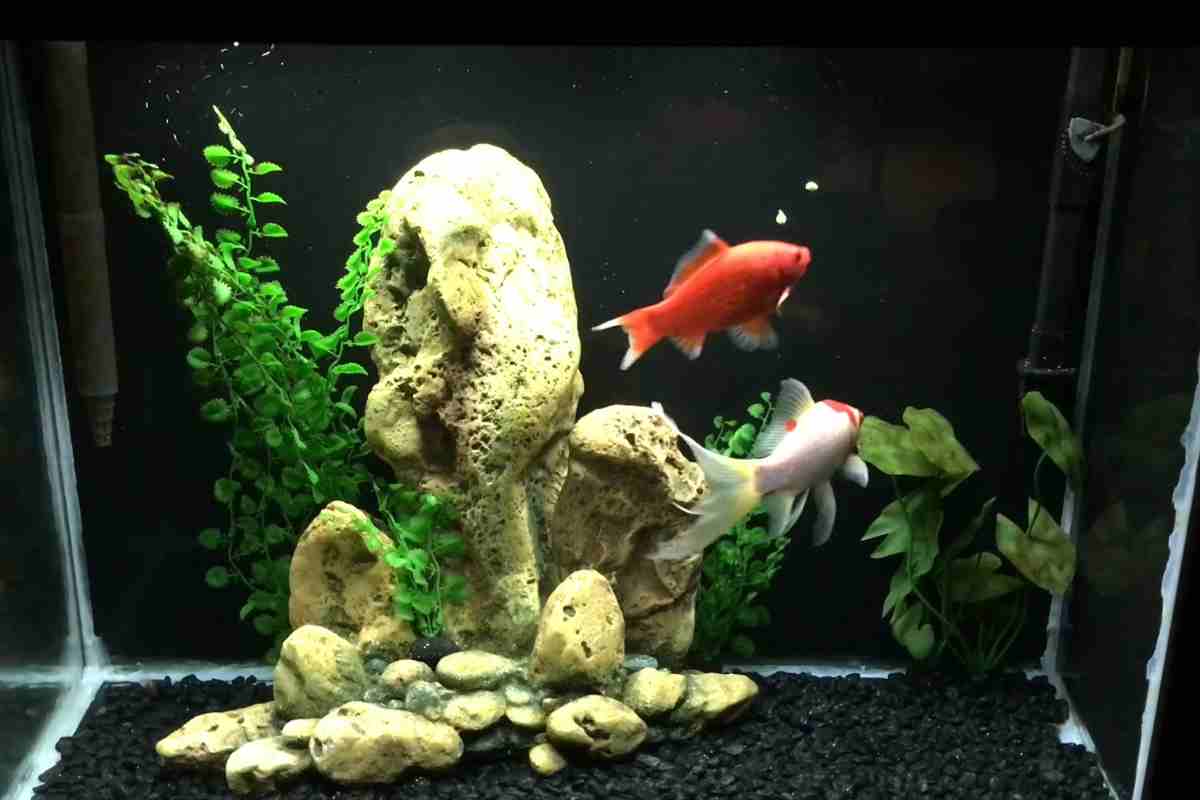
Like any pet, your goldfish can get sick. Keep an eye on any changes in their behavior, eating habits, or appearance.
If you notice anything unusual, it’s best to consult a fish veterinarian to catch any health problems early.
5. Goldfish Are Social Creatures
While goldfish are generally peaceful, they’re also social! Having at least one other goldfish can help keep them company.
But be careful—avoid mixing them with aggressive fish or those that might be too big or small for your tank.
Fun fact: Goldfish can recognize their owners over time and may even come to the surface when you approach!
6. Add Plants and Decorations for Fun
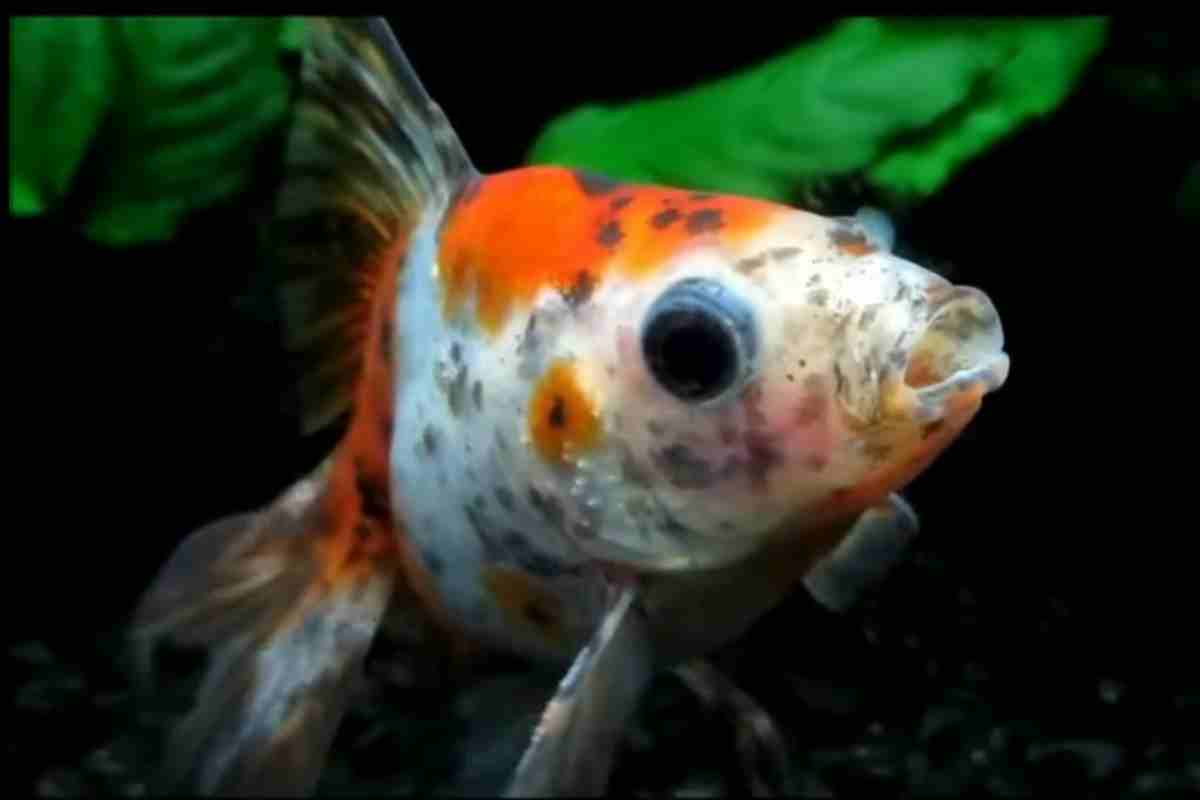
Goldfish love exploring, and adding live plants and safe decorations to your tank will give them plenty of places to hide and explore.
Just be sure that anything you place in the tank doesn’t have sharp edges that could hurt your fish.
7. Keep the Temperature Just Right
Goldfish prefer cool water, typically between 18-22°C (64-72°F). Avoid drastic temperature changes and never expose them to cold drafts.
Stable temperatures are the key to a healthy fish.
Pro tip: Invest in a reliable aquarium heater to maintain a consistent temperature, especially during colder months.
8. Regular Maintenance is Key
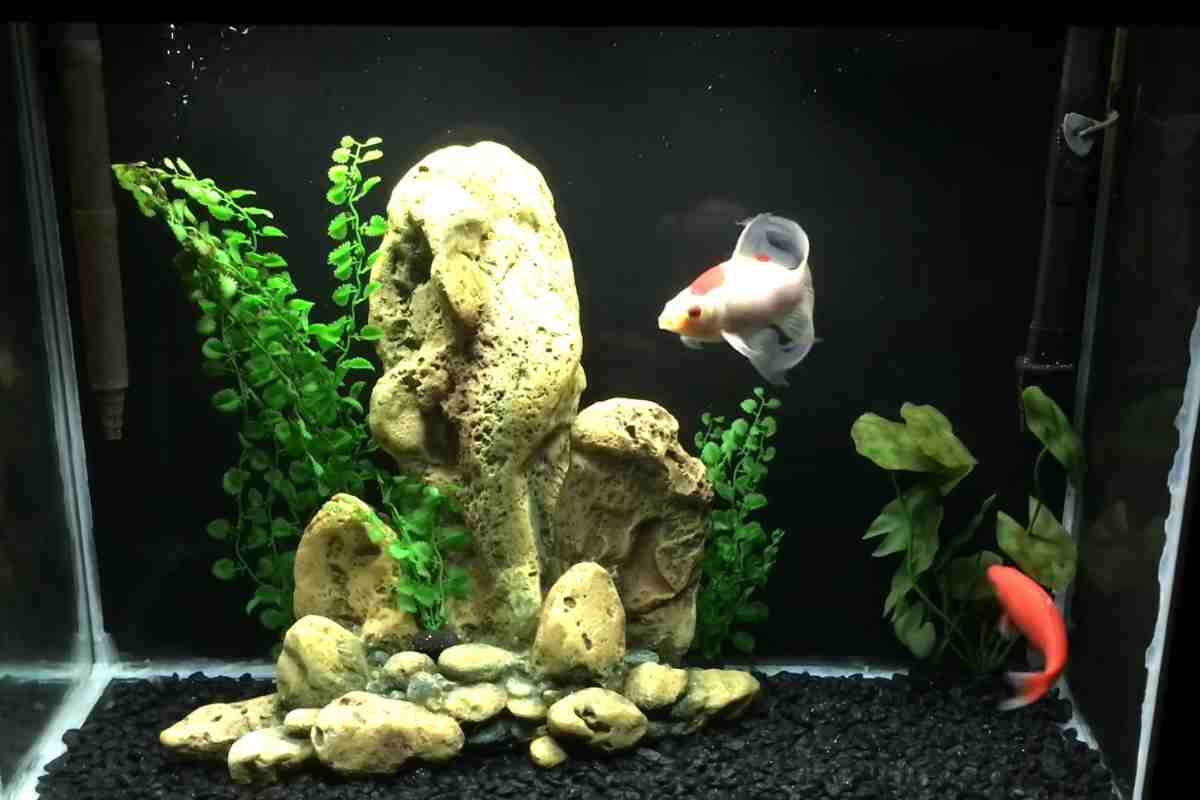
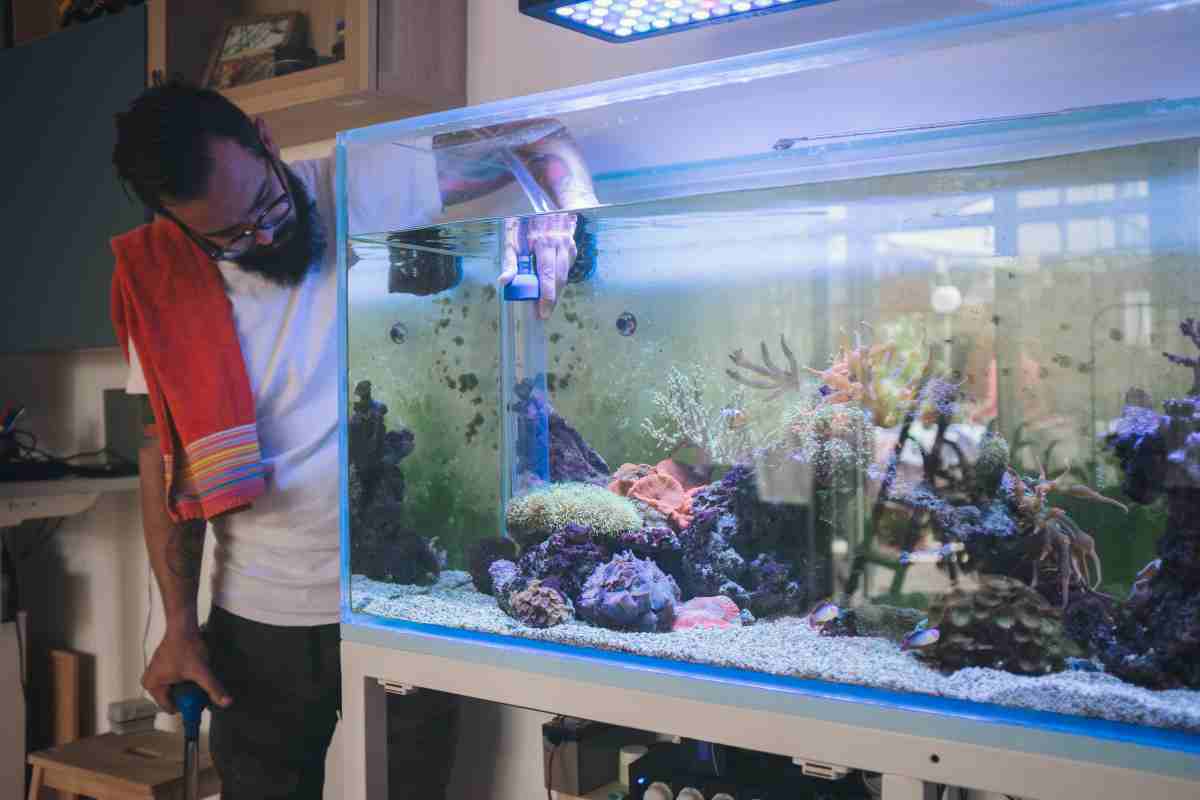
Keeping your tank clean isn’t just about changing the water. Be sure to vacuum the tank bottom regularly, clean the filter, and check for algae growth.
A clean tank prevents diseases and keeps your goldfish stress-free.
9. Observe Them Daily
Take a few minutes each day to watch your goldfish. This helps you spot any changes in behavior or health and ensures everything is running smoothly.
Plus, it’s a great way to bond with your pet!
10. Patience and Care Go a Long Way
Goldfish, like all pets, need time to adjust and grow. With a bit of patience and consistent care, you’ll form a bond with your fish.
Over time, they’ll get to know you, and you’ll see them thriving in their environment.
Enjoying Your Goldfish Journey
Goldfish are low-maintenance but still require attention and care. By following these tips, you'll help your goldfish live a long, healthy, and happy life. Enjoy the company of your new aquatic friend!
.
We hope you enjoy this video about Fishes

Source: Aquarimax Pets
Did you find this post useful or inspiring? Save THIS PIN to your Pets Board on Pinterest!

You may also like