
How do Horses Sleep? Standing Up or Lying Down?

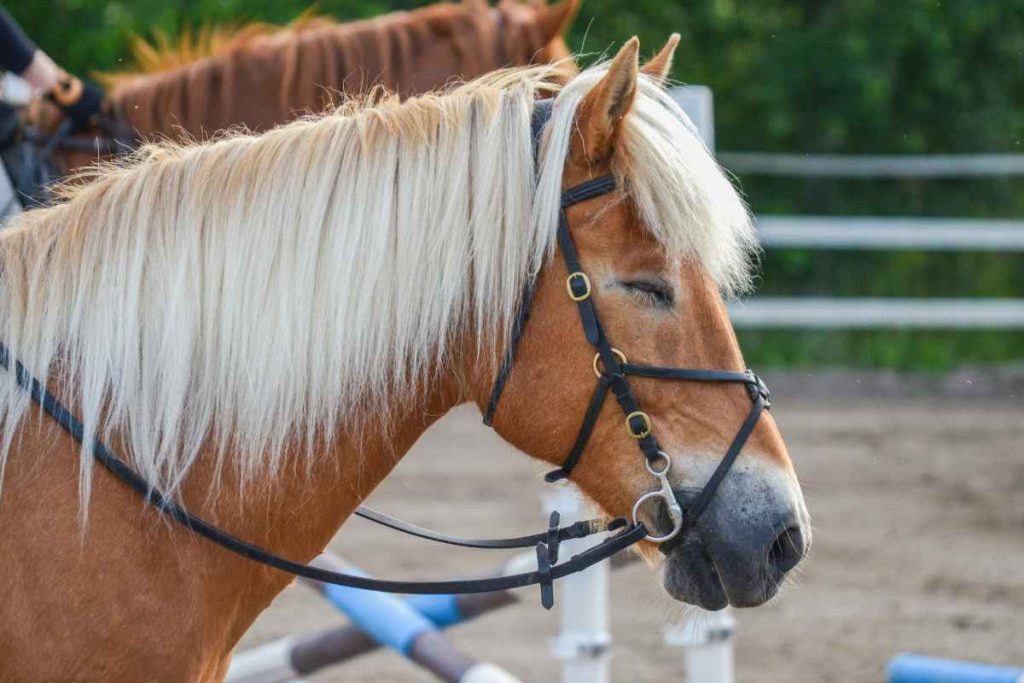
Horses are fascinating creatures, known for their grace and strength, but their sleeping habits can be equally intriguing.
You may have seen a horse standing still for what seems like hours, and you might wonder: how do horses sleep, and why do they sometimes sleep while standing up?
In this article, we'll explore the mechanisms behind equine sleep and why they need both standing and lying down to get the rest they require.
Understanding the Horse’s Anatomy: The Stay Apparatus

One of the key factors that allow horses to sleep standing up is their unique anatomy. Horses possess a specialized mechanism known as the stay apparatus.
This system of ligaments and tendons enables the horse to lock its knee joints, allowing them to stand still without using much muscle energy. T
his adaptation is vital for survival, especially for wild horses that need to be able to move at a moment's notice if a predator approaches. The stay apparatus allows them to rest while remaining alert to potential threats.
This mechanism works by using the horse's ligaments to maintain a standing position without the need for constant muscular effort. By locking certain joints, the horse can stand for extended periods, minimizing energy expenditure.
This feature is essential for wild horses, who may need to flee quickly if a predator is near.
Why Horses Lie Down for Deep Sleep
Although horses can sleep while standing, they do not get the deep REM sleep necessary for full rest in this position. While standing, they are able to enter a light sleep, but their body remains in a semi-alert state.
To enter the REM stage of sleep, where dreaming occurs and the body truly rejuvenates, horses must lie down. This is because REM sleep requires a more relaxed state where the muscles are not in tension.
In the wild, horses often sleep in groups, with some members of the group standing guard while others lie down for a deep rest. This communal sleeping behavior helps ensure the safety of the herd.
In domestic settings, horses will typically lie down for short periods, usually around 30 minutes to 2 hours per day, to enter REM sleep
The Importance of REM Sleep for Horses
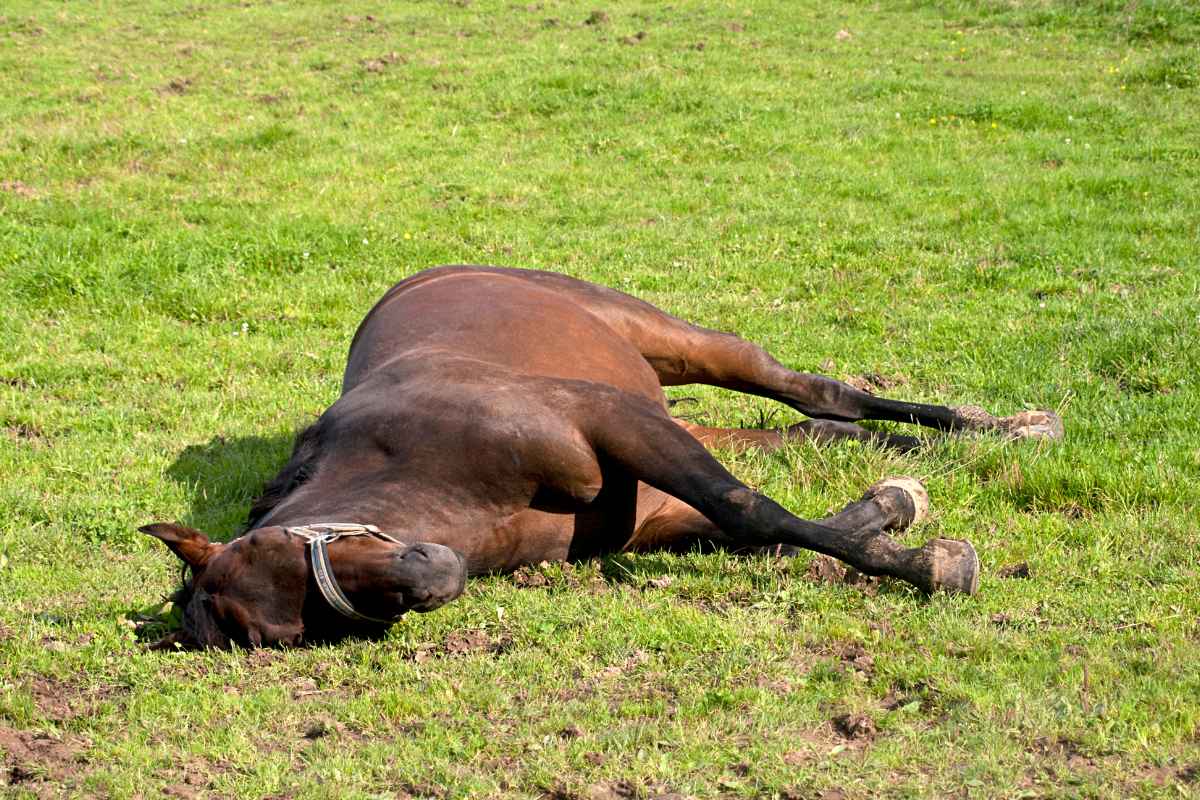
Like humans, horses need REM sleep to function properly. During this phase, the horse’s brain processes the information it has gathered during the day, and the body engages in important restorative processes.
Without sufficient REM sleep, horses can become fatigued, irritable, and even show signs of behavioral issues. Chronic sleep deprivation can lead to health problems, including narcolepsy or sudden collapsing due to exhaustion.
How Long Do Horses Sleep?
Horses typically sleep between 2 to 5 hours a day, but the amount of time spent standing versus lying down varies depending on their environment. In a domestic setting, where horses feel secure, they may spend more time lying down.
Wild horses, however, remain on high alert and may sleep less overall.
How Horses Maintain Alertness

Another fascinating aspect of horse sleep is how they maintain alertness while standing. Although they can sleep while standing, horses still maintain awareness of their surroundings.
This is a trait inherited from their wild ancestors, who needed to be ready to flee from predators at any given moment. Horses are capable of "power naps" while standing, where they can rest without fully entering deep sleep.
Signs That a Horse Needs More Rest
While horses can manage with short bursts of standing sleep, it is essential that they get enough time lying down to recover fully. Signs that a horse is not getting enough sleep include irritability, reduced energy, and difficulty focusing.
In extreme cases, horses deprived of proper sleep may develop health issues such as muscle fatigue or even collapse due to exhaustion. Providing a safe and comfortable environment for your horse to lie down is crucial for their well-being.
Balancing Standing and Lying Down for Optimal Rest
Horses have evolved to sleep standing up, an adaptation that serves their survival instincts as prey animals. However, they still require periods of lying down to achieve the deep REM sleep necessary for their overall health.
Understanding these sleeping habits can help horse owners create an environment that allows their horses to get the rest they need for optimal health and performance.
If you're a horse owner, it’s essential to monitor your horse's sleep patterns and ensure they have a safe space where they can lie down when needed. Encouraging rest and sleep is crucial for maintaining the mental and physical health of your horse.
Enjoy This Video About Horses Sleep

Source: BRIGHT SIDE
Did you find this post useful or inspiring? Save THIS PIN to your Pets Board on Pinterest! 😊

You may also like