
How to Care for My Pet Fish


Caring for a pet fish might seem simple, but it requires proper preparation and consistent attention to ensure your aquatic friends thrive.
Whether you're a first-time fish owner or an experienced enthusiast, understanding the basics of fish care is essential.
This guide will walk you through everything you need to know about setting up an aquarium, maintaining water quality, feeding your fish, and much more.
By following these steps, you can create a healthy and safe environment for your pet fish.
Setting Up the Aquarium: The Foundation for Your Fish's Home
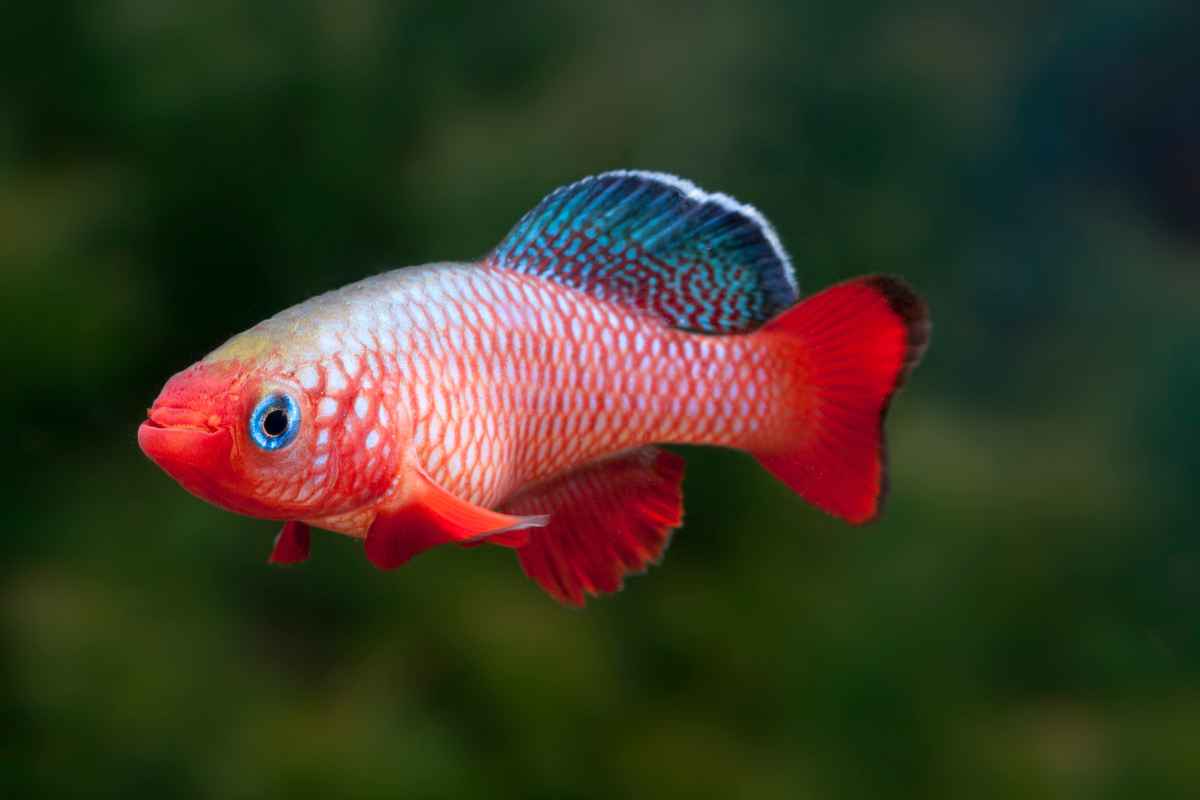
One of the first steps in fish care is setting up the right environment for your pet. Aquarium setup is crucial because it affects the fish's well-being.
Choosing the Right Aquarium Size
Before purchasing your fish, consider the size of the aquarium. Different species of fish require different tank sizes.
For example, goldfish need at least a 20-gallon tank, while a smaller betta fish can live in a 5-gallon tank. Make sure the tank is large enough to provide ample space for your fish to swim around freely.
Placement and Equipment
The aquarium should be placed in a location away from direct sunlight and drafts. Excess sunlight can cause algae growth, while fluctuating temperatures can stress the fish.
Ensure you have the following equipment:
Filtration system: A reliable filter keeps the water clean by removing waste, uneaten food, and debris. The filter should match the size of your tank.
Heater: Many fish species, especially tropical fish, need a heater to maintain the right temperature. Aim for a consistent temperature range that suits the species in your tank.
Lighting: Proper lighting helps maintain a day-night cycle, which is important for your fish's health.
Water Quality: Ensuring a Healthy Environment for Your Fish
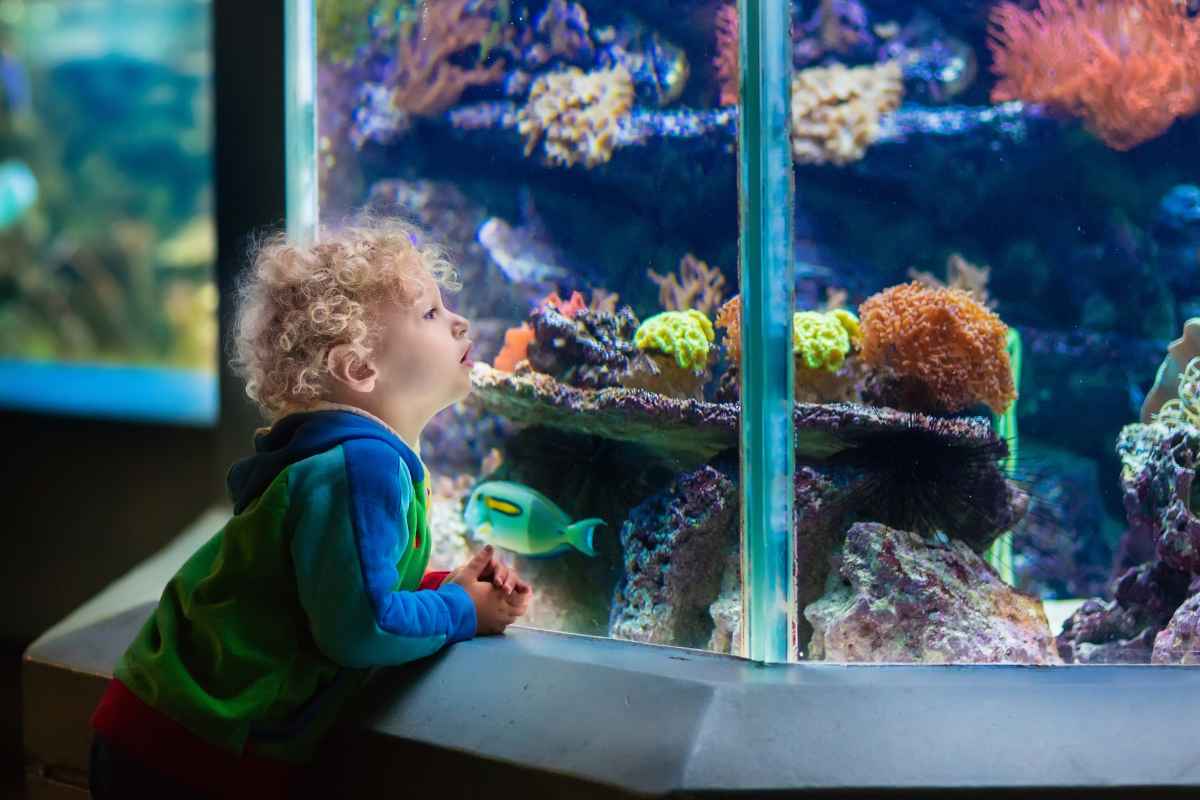
Water quality is the most important aspect of keeping your fish healthy. Poor water conditions can lead to diseases, stress, and even death.
Key Water Parameters to Monitor
There are several important water parameters that you should monitor regularly:
pH levels: Fish have different pH preferences. Most freshwater fish prefer a neutral pH of around 7, but it's important to research your fish's specific needs.
Ammonia, Nitrites, and Nitrates: These compounds are byproducts of fish waste and uneaten food. Ammonia and nitrites are toxic to fish, so it’s essential to keep these levels at zero. Nitrates are less toxic, but high levels can still cause harm. Perform regular water tests to monitor these levels.
Temperature: The water temperature should match your fish's requirements. For tropical fish, aim for a temperature between 75-80°F (24-27°C), while coldwater species like goldfish prefer temperatures around 65-72°F (18-22°C).
Water Changes and Aconditioners
Regular water changes are essential for maintaining a clean and healthy environment. Aim to change 25-30% of the water every week. Use an aquarium vacuum to remove waste and debris from the substrate during water changes.
Water conditioners help remove chlorine, chloramine, and heavy metals from tap water, which are harmful to your fish. Be sure to treat new water before adding it to the tank.
Feeding Your Fish: Providing a Balanced Diet
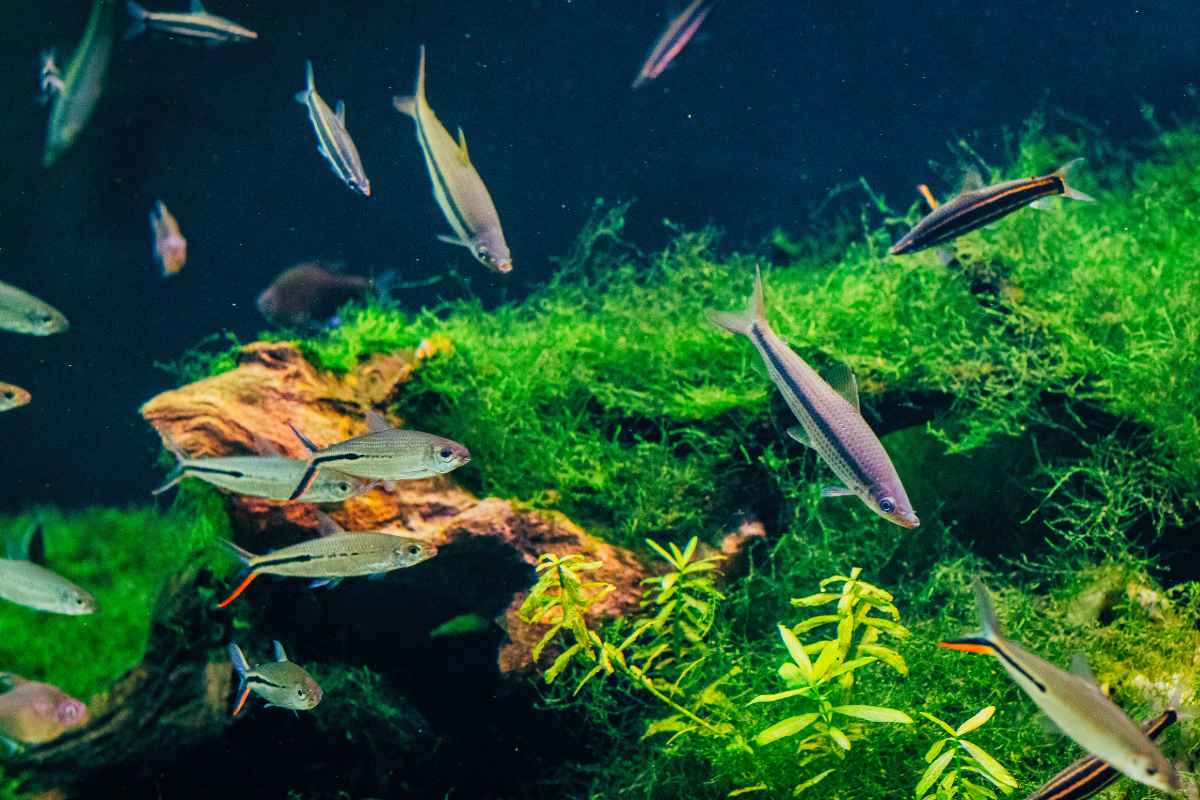
A balanced diet is crucial for your fish's health. Overfeeding or underfeeding can cause health problems and poor water quality.
Types of Fish Food
There are several types of fish food, including flakes, pellets, freeze-dried foods, and live or frozen foods. The type of food you feed depends on the species of fish. For instance:
Goldfish: They enjoy pellets or flakes designed for goldfish. Avoid overfeeding, as it can lead to obesity and poor water quality.
Tropical fish: These species benefit from a mix of flakes and frozen foods such as bloodworms or brine shrimp.
Betta fish: They thrive on high-protein foods like freeze-dried bloodworms or specialized betta pellets.
Feeding Frequency
Feed your fish small portions once or twice a day. Only feed what they can consume in 2-3 minutes to avoid uneaten food sinking to the bottom and polluting the water.
Avoiding Overfeeding
Overfeeding is a common mistake that leads to poor water quality.
Excess food decomposes in the water, raising ammonia levels and causing stress to the fish. If you're unsure how much to feed, start with small portions and increase as needed.
Aquarium Decorations: Enhancing Your Fish's Habitat
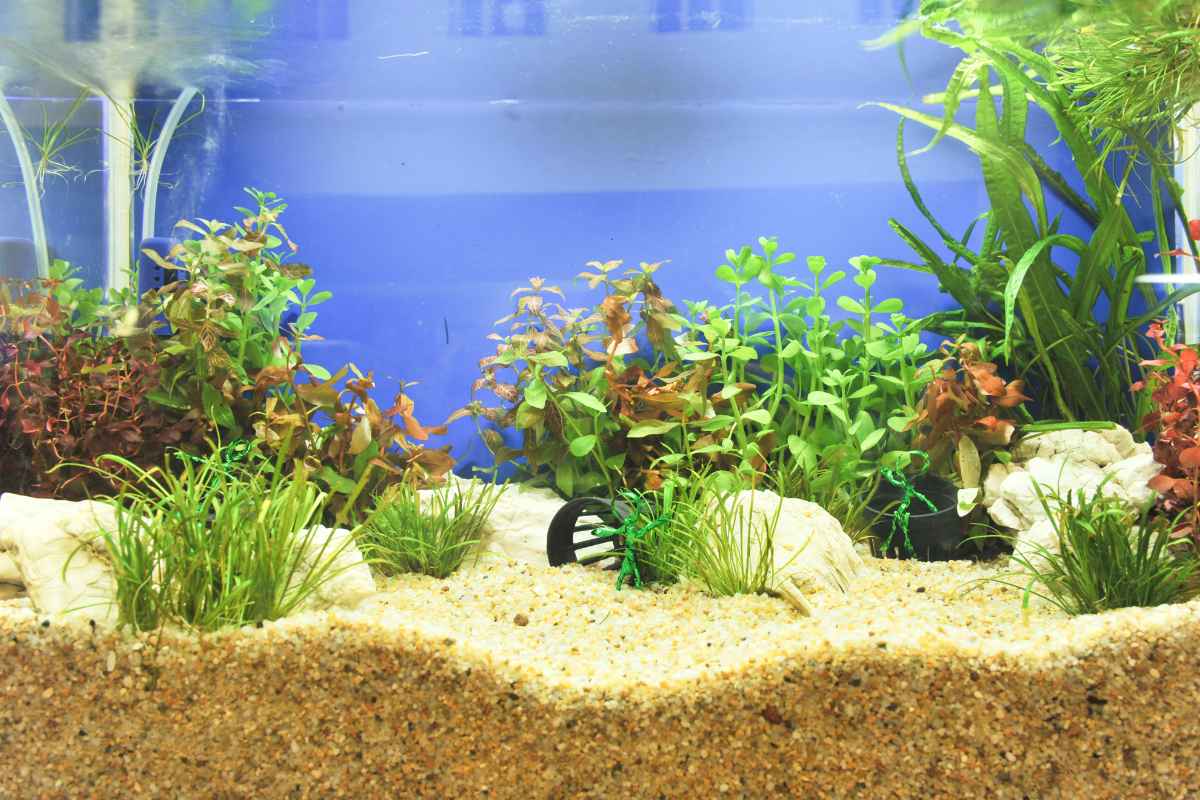
A well-decorated aquarium provides your fish with places to hide and explore, reducing stress and making the tank visually appealing.
Choosing Safe Decorations
Opt for aquarium-safe decorations that won’t leach harmful substances into the water. Avoid using objects with sharp edges that can injure your fish.
Live Plants vs. Artificial Plants
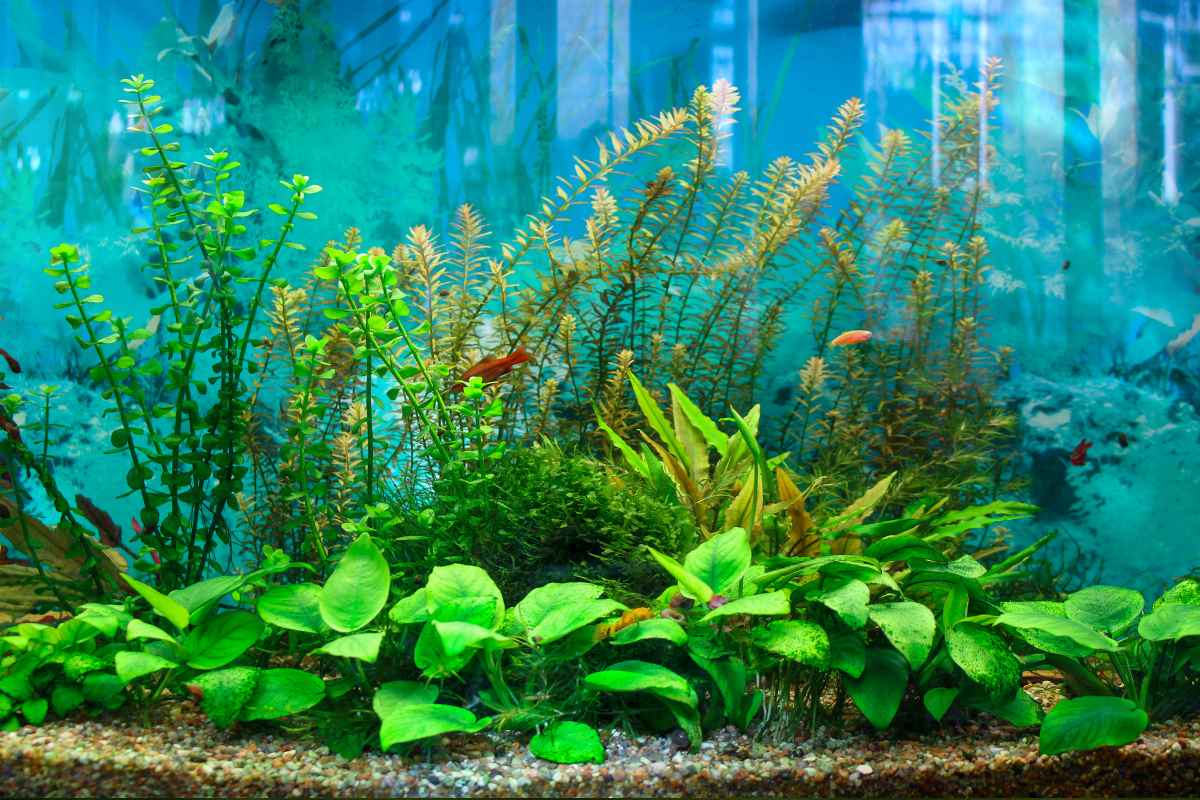
Live plants not only provide hiding spots for fish but also help maintain water quality by absorbing excess nutrients and oxygenating the water.
Plants like Java fern and Anubias are easy to care for and suitable for most aquariums. Artificial plants can also be a good option, but make sure they are soft and free of sharp edges.
Creating Hiding Spaces
Provide hiding spots for shy or territorial species. Use decorations like rocks, caves, and PVC pipes to give fish a place to retreat when they feel stressed.
Fish Compatibility: Choosing the Right Tankmates
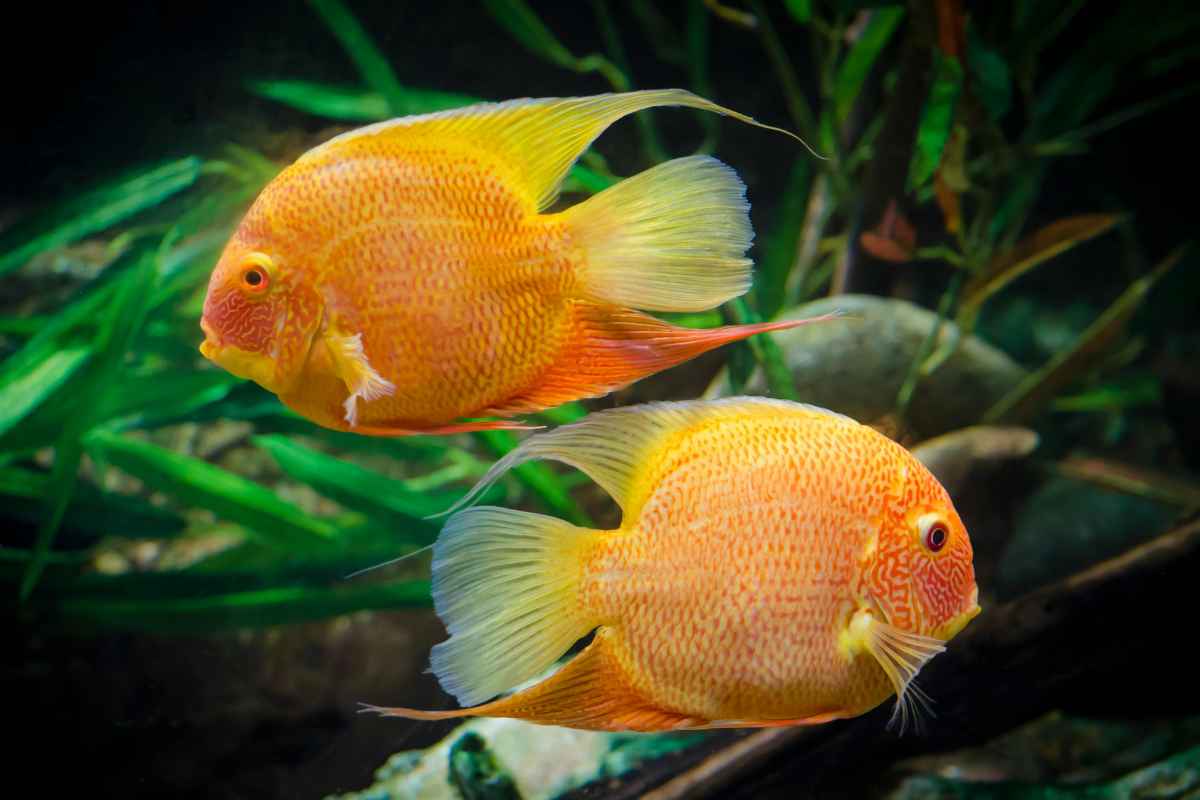
Not all fish get along. Some species are aggressive, while others are peaceful. It’s important to choose compatible fish for a harmonious tank.
Researching Compatibility
Research your fish species to understand their temperament and habitat needs. For example:
Betta fish: These are territorial and should not be housed with other males or fin-nipping species.
Goldfish: These cold-water fish do well with other goldfish and peaceful species.
Tropical fish: Many tropical species can live together, but avoid mixing aggressive species like cichlids with peaceful ones.
Community Fish Tanks
For a community tank, choose species that thrive in similar water conditions and have compatible temperaments. Some good choices for a beginner community tank include:
Neon tetras
Corydoras catfish
Guppies
Health Monitoring: Keeping Your Fish Healthy
Regular observation is crucial for detecting potential health issues early.
Common Signs of Illness
Look out for the following signs that may indicate illness:
Loss of appetite or refusal to eat.
Abnormal swimming behavior, such as staying at the surface or bottom.
Faded colors or clamped fins.
White spots or lesions on the skin could indicate a fungal or parasitic infection.
Treating Common Diseases
If you notice signs of illness, isolate the affected fish in a quarantine tank and research appropriate treatments.
There are many over-the-counter treatments available for common fish diseases like ich, fin rot, and fungal infections.
Routine Maintenance: Keeping Your Aquarium in Top Condition
Regular maintenance ensures your fish have a clean and healthy environment to live in.
Weekly Tasks
Check water parameters to ensure everything is within the ideal range.
Clean the substrate and perform water changes.
Clean the filter according to the manufacturer's instructions.
Monthly Tasks
Deep clean the tank, including decorations and glass.
Inspect equipment like heaters and filters for proper function.
Trim live plants as necessary to prevent overgrowth.
Additional Resources
To deepen your knowledge of fish care, consider joining online communities or visiting local fish stores for advice. Many websites and forums offer helpful tips and support from experienced fish keepers.
Conclusion: A Healthy and Happy Fish Tank
Caring for pet fish requires attention to detail, consistency, and a commitment to maintaining their habitat.
By following the steps outlined in this guide—setting up the right aquarium, maintaining water quality, feeding properly, and keeping an eye on your fish's health—you can ensure your fish live a long and happy life.
Remember, a well-maintained tank benefits both the fish and the owner, creating a peaceful and enjoyable environment for everyone.
We hope you enjoy this video about Fishes
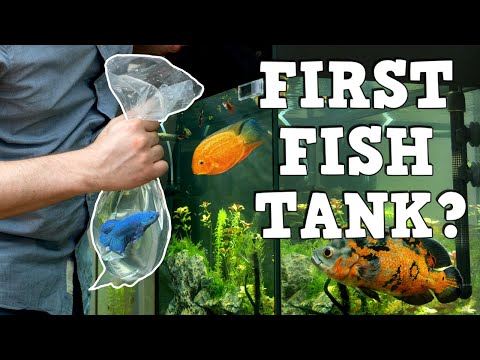
Source: KGTropicals
Did you find this post useful or inspiring? Save THIS PIN to your Pets Board on Pinterest!

You may also like