
How to Feed Your Fish Properly (How Often and How Much)


Feeding your fish properly is crucial to their health and well-being. A balanced diet ensures that they grow, stay active, and resist diseases.
However, it’s not just about offering food; it’s also about how often, how much, and the type of food you provide.
This guide will walk you through the essentials of fish feeding, offering tips for different species, common feeding mistakes to avoid, and practical advice for establishing a healthy feeding routine.
Understanding the Basics of Fish Nutrition
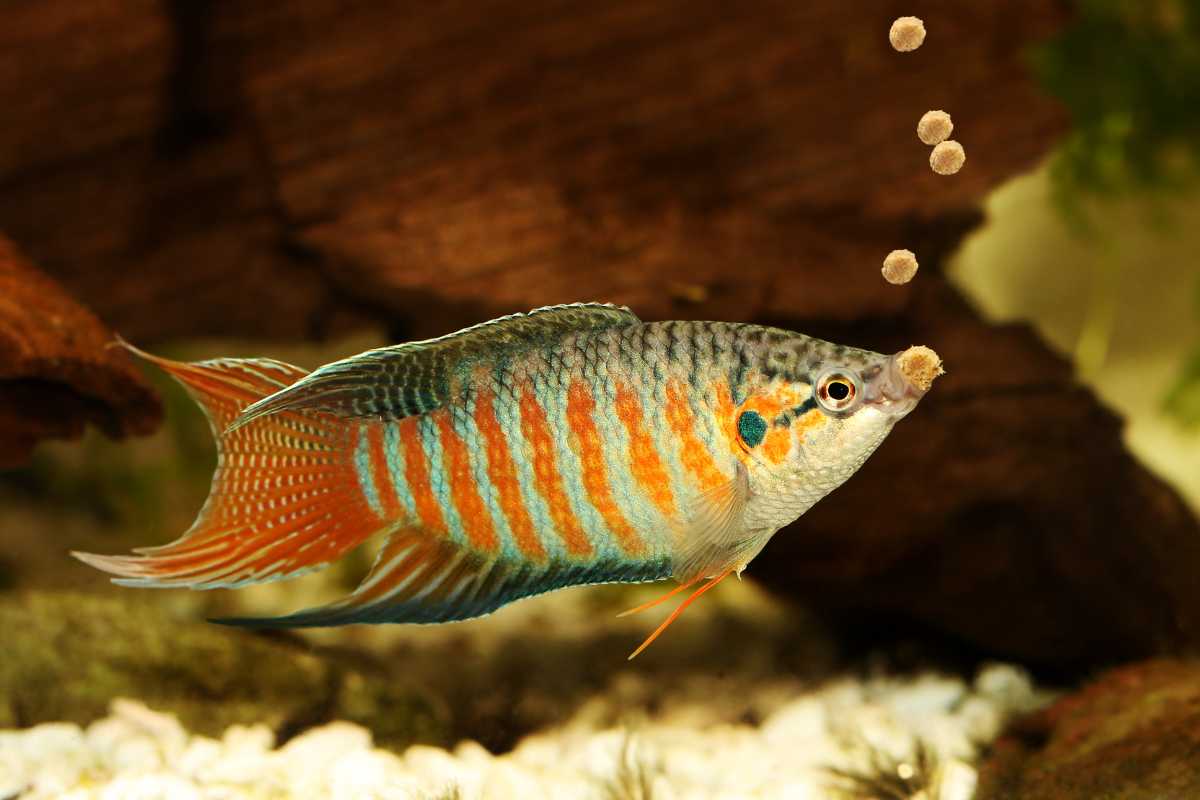
Fish, like all animals, require specific nutrients to thrive. These nutrients include proteins, fats, carbohydrates, vitamins, and minerals. However, their dietary needs can vary widely based on species, environment, and age.
Types of Fish Diets
Fish can be broadly categorized into three types of feeders:
Carnivores: These fish, such as bettas and some species of bass, primarily consume other fish and protein-rich foods.
Herbivores: These fish, such as goldfish and certain species of tangs, eat plant-based foods like algae and vegetables.
Omnivores: These fish, such as guppies and tetras, consume both animal and plant matter, including small invertebrates and aquatic plants.
Understanding your fish’s dietary requirements is the first step in providing them with a healthy and balanced diet.
How Often Should You Feed Your Fish?
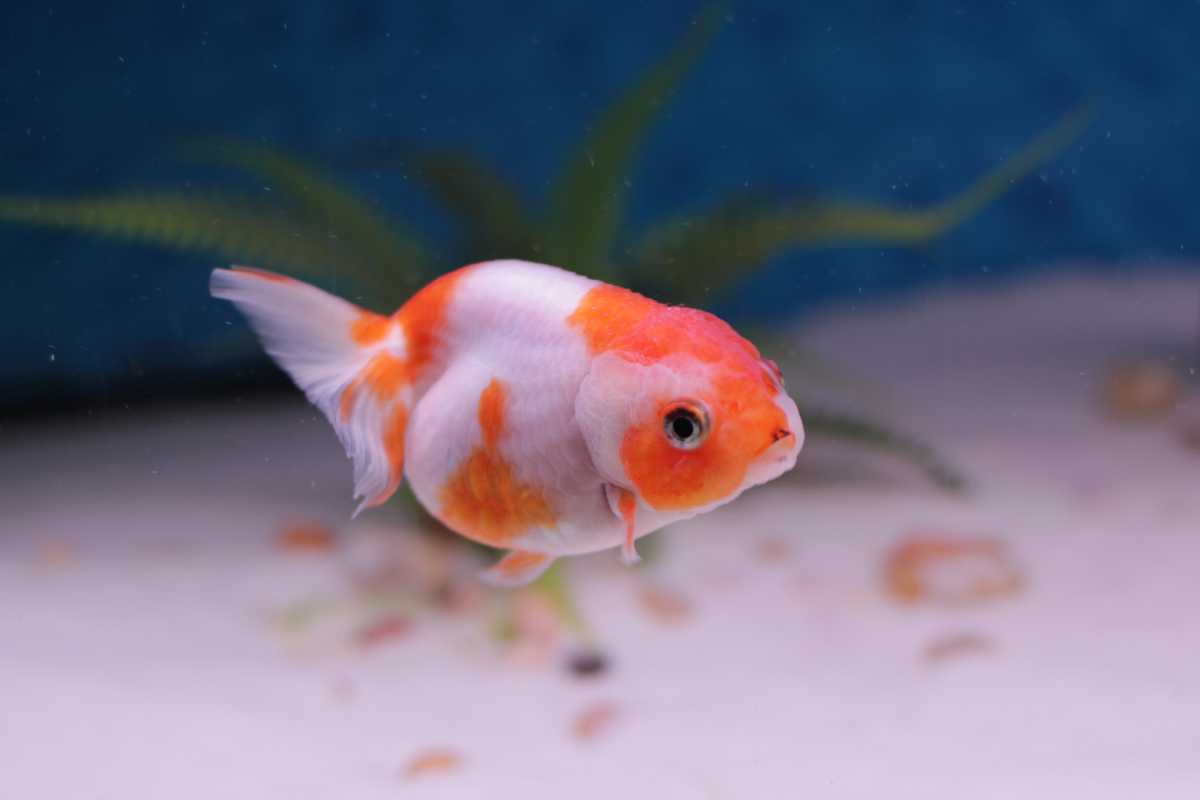
The frequency of feeding depends on the type of fish you own and their stage of life. Overfeeding is one of the most common mistakes, which can lead to water quality problems and obesity in fish.
General Guidelines for Feeding Frequency
Adult Fish: For most adult fish, feeding once or twice a day is sufficient. This helps prevent overfeeding while ensuring they get the necessary nutrients.
Young Fish and Fry: Baby fish require more frequent feedings. It's recommended to feed them three to four times a day in small amounts, as their digestive systems are faster.
Carnivores: They usually need fewer meals. Feeding once or twice a day is sufficient for most carnivorous fish.
Herbivores: Since their digestive systems work differently, feeding herbivores like goldfish twice a day with plant-based food is generally recommended.
Signs of Overfeeding or Underfeeding
It's essential to monitor your fish's behavior and adjust feeding accordingly.
Overfed fish may appear sluggish, while underfed fish may become aggressive or lethargic. Uneaten food floating in the tank is another indicator that you're feeding too much.
How Much Should You Feed Your Fish?

Determining the right portion size can be tricky. Fish are known to eat until they’re full, so it's important to avoid giving them too much food at once.
The 3-Minute Rule
One simple way to prevent overfeeding is the three-minute rule: Only feed your fish as much as they can consume in about three minutes. If any food is left uneaten after this time, it can decompose and harm the water quality.
Adjusting Portion Sizes
The size of the portion depends on the species and their feeding habits. For example, a betta fish will only need a small pinch of food, whereas a goldfish might need a larger portion.
Be mindful of the specific feeding requirements of your fish to ensure they're getting the right amount of nutrients without overfeeding.
Types of Fish Food: Choosing the Right Diet
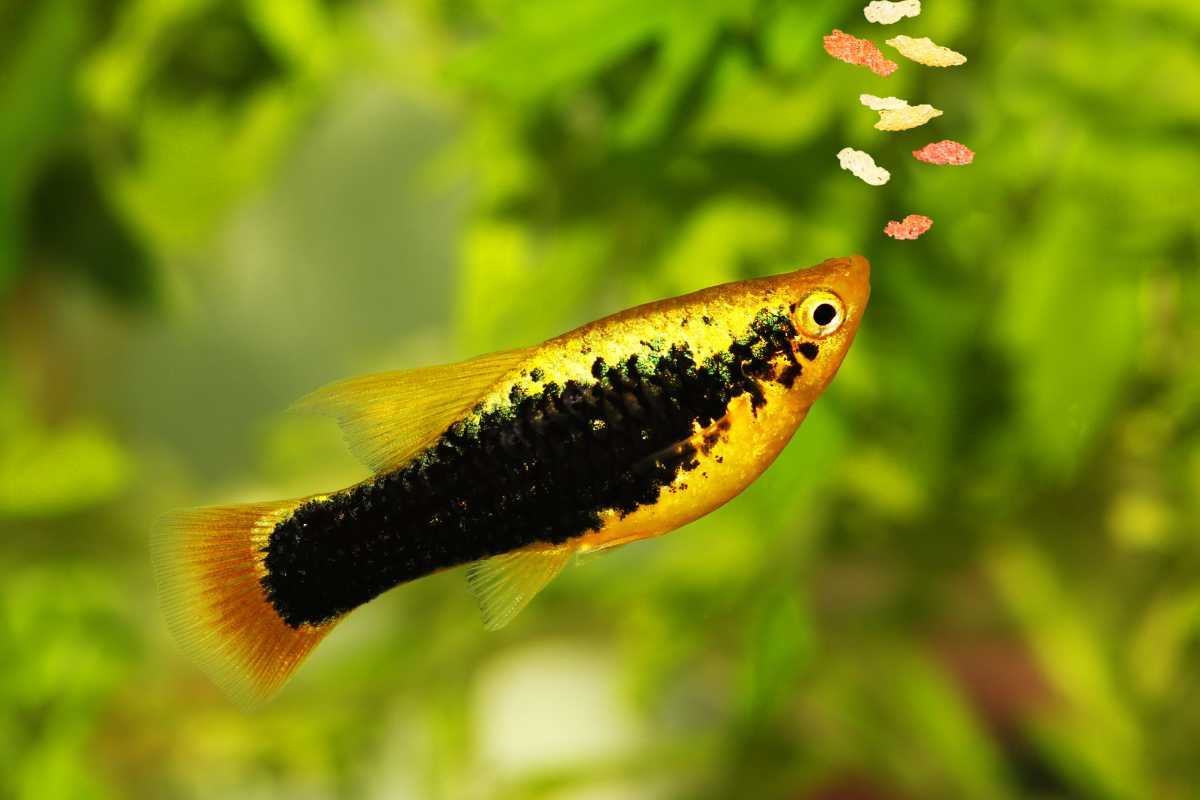
Fish food comes in a variety of forms, including flakes, pellets, frozen foods, and live foods. Each type of food offers different benefits and considerations.
Flake Food: Best for Top and Mid-Level Feeders
Flake food is the most common and convenient option for many fish owners. It floats on the surface and is ideal for species that feed near the water’s top. However, it can easily disintegrate, leading to water quality issues if not eaten promptly.
Pellet Food: Better for Bottom Feeders
Pellets tend to sink to the bottom of the tank, making them ideal for bottom-feeding fish like catfish and loaches. Pellet food can also be more nutritionally balanced than flake food, as it holds its shape longer.
Frozen and Live Food: A Special Treat
Offering live or frozen food, such as brine shrimp or bloodworms, can be a great way to enrich your fish's diet. Live food mimics natural feeding behaviors and provides high protein levels.
However, be cautious with live food to ensure it's disease-free and safe for your fish.
Vegetables and Algae: For Herbivores and Omnivores
For herbivores and omnivores, providing fresh vegetables like spinach, zucchini, or peas can be a great addition to their diet. Additionally, algae wafers are a good source of fiber and essential nutrients.
Feeding Tips for Different Fish Species
Betta Fish
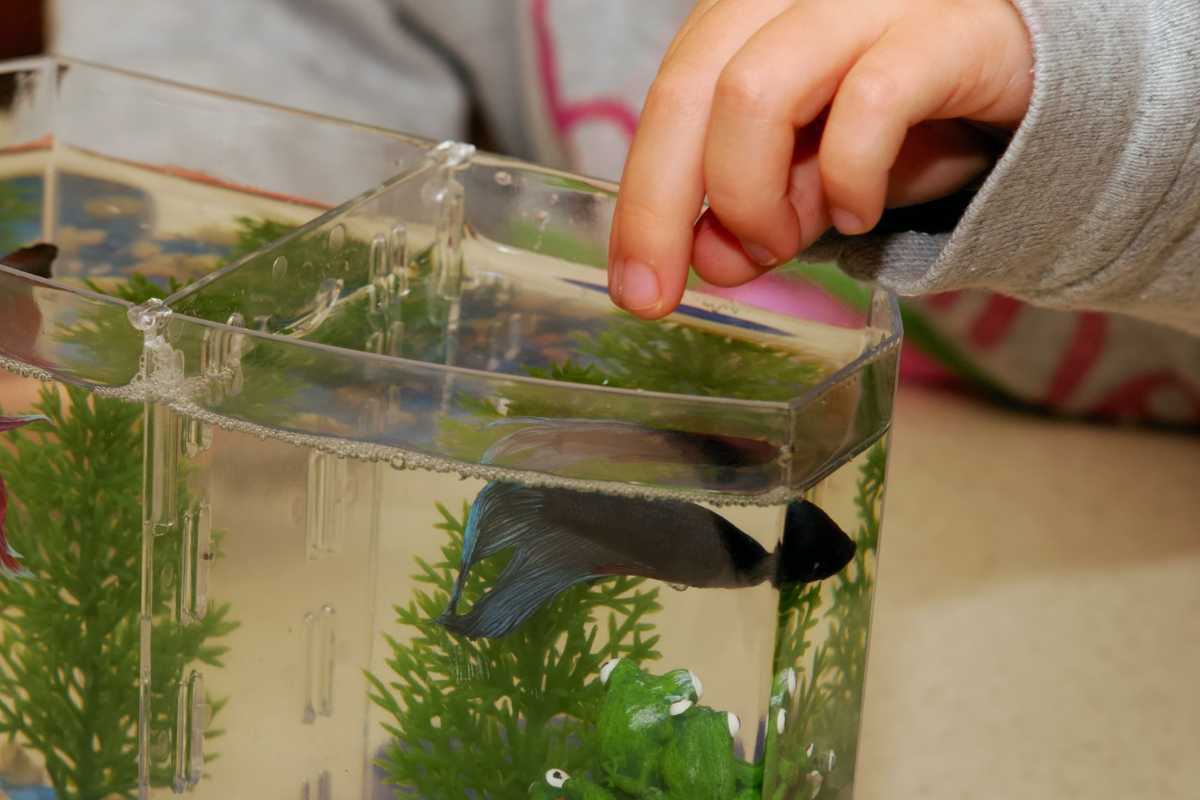
Betta fish are carnivores and thrive on protein-rich foods. Feed them high-quality pellets or frozen foods, such as bloodworms or daphnia. Offer food once or twice a day and remove any uneaten food to prevent water contamination.
Goldfish
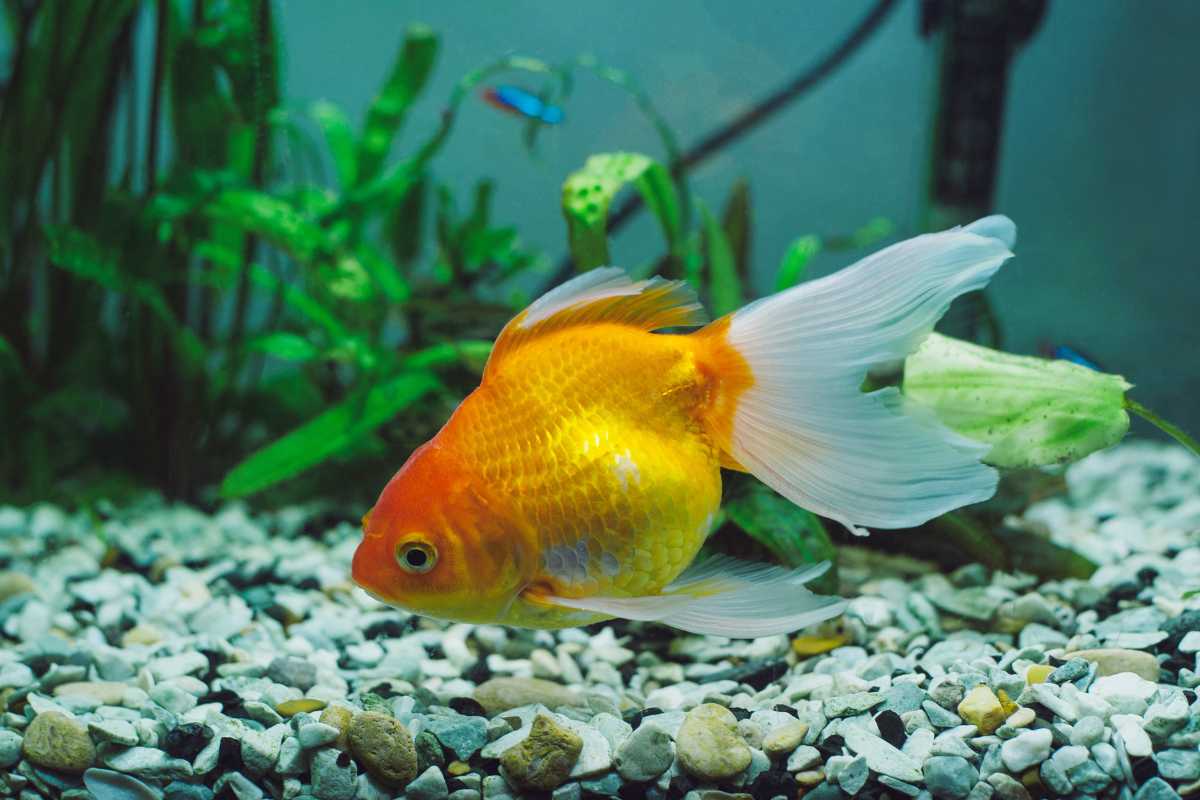
Goldfish are omnivores and eat a combination of plant-based and animal-based foods. They require a well-balanced diet to avoid health issues like bloating.
Feed them twice a day with specially formulated goldfish food and occasionally offer them fresh vegetables.
Tetras and Guppies
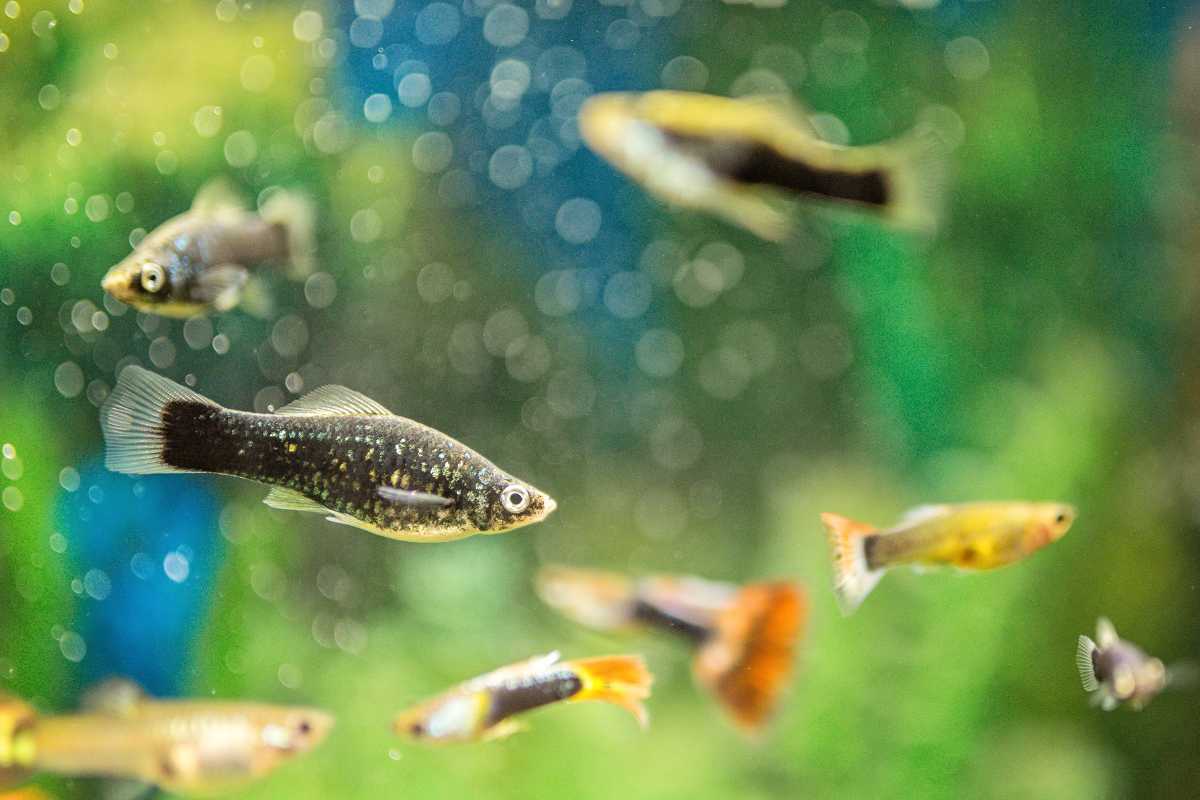
Both tetras and guppies are omnivores, so they enjoy a variety of foods. Feed them small amounts of flake food twice a day, with the occasional treat of live or frozen foods.
Cichlids
Cichlids are omnivores, though some species can be more carnivorous. Provide them with a mix of meaty foods and plant-based diets, including algae and spirulina. Pellets designed for cichlids are ideal for maintaining their health.
Common Feeding Mistakes to Avoid
Overfeeding
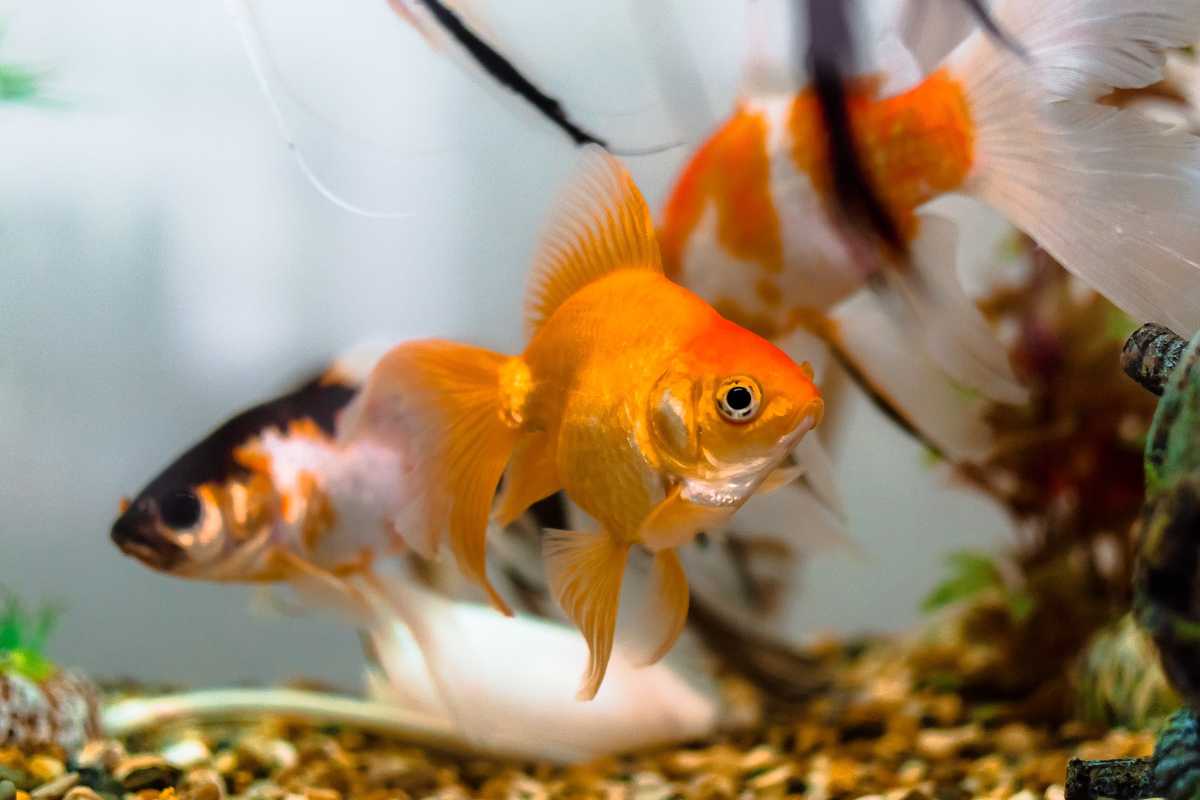
Overfeeding can cause several problems, including poor water quality and obesity in fish. Stick to appropriate portion sizes and avoid feeding fish excessive amounts, even if they seem hungry.
Underfeeding
Underfeeding, on the other hand, can lead to malnutrition and stunted growth. Always ensure that your fish are getting enough food to meet their nutritional needs.
Feeding the Wrong Type of Food
Different species of fish have different dietary needs, and feeding them the wrong type of food can lead to digestive problems or nutrient deficiencies. Research the specific needs of your fish and tailor their diet accordingly.
Keeping Your Aquarium Clean While Feeding
Feeding fish can lead to food waste accumulating in the tank. This waste can negatively impact the water quality and lead to health problems for your fish. Here are a few tips to maintain a clean tank:
Remove uneaten food: Always clean up any uneaten food to prevent it from decomposing in the water.
Use a good filtration system: A high-quality filter can help remove excess food and waste from the water.
Regular tank maintenance: Perform regular water changes to maintain optimal water quality and keep your fish healthy.
Conclusion
Proper fish feeding is an essential part of aquarium care. By understanding the nutritional needs of your fish, adjusting feeding frequencies and portion sizes, and selecting the right types of food, you can help your fish live long, healthy lives.
Avoid common feeding mistakes like overfeeding and underfeeding, and keep your aquarium clean by removing excess food and performing regular maintenance.
Remember, every fish species has unique needs, so it's important to research and tailor their diet to ensure they receive all the nutrients they need.
By following these simple tips and guidelines, you’ll create a better environment for your fish and enjoy the beauty of a healthy, thriving aquarium.
Enjoy The Video About Fishes

Source: More Aquarium Co-Op
Did you find this post useful or inspiring? Save THIS PIN to your Pets Board on Pinterest!

You may also like