
HOW TO GET RID of red spot of GOLDFISH in just 3 days


If you’ve noticed red spots appearing on your goldfish, you might be feeling concerned. While this can be a sign of various health issues, with the right approach, you can address it and help your goldfish recover in as little as three days.
This guide will walk you through the process of identifying the cause and taking effective action to ensure your fish's speedy recovery.
What Are Red Spots on Goldfish?

Red spots on goldfish are often an indicator of underlying health issues, such as infections, wounds, or environmental stress.
While they may look alarming, understanding their cause is the first step toward treating them. These spots can be caused by:
Bacterial infections: Commonly caused by unclean water conditions.
Parasites: External parasites can sometimes cause lesions or red spots.
Physical trauma: Minor injuries from fights or scraping against objects in the tank.
Poor water quality: High ammonia levels, fluctuating pH, or inappropriate temperatures can lead to stress and skin damage.
Diagnosing the Problem

Before diving into treatment, it’s crucial to properly diagnose the cause of the red spots. Here’s how you can assess the situation:
1. Observing Your Fish’s Behavior
First, check how your goldfish is behaving. A sick fish often exhibits subtle signs such as:
Lethargy: Moving sluggishly or staying at the bottom of the tank.
Loss of appetite: Not eating the food offered.
Erratic swimming: Swimming in circles, rubbing against objects, or darting around.
If these symptoms accompany the red spots, they may indicate a more serious infection or environmental issue.
2. Checking the Water Conditions
Poor water quality is one of the leading causes of skin issues in goldfish. Test your tank's water for:
Ammonia levels: Should be zero.
Nitrate and nitrite levels: These should be low.
pH levels: Goldfish thrive in water with a pH between 7.0 and 8.4.
Temperature: Keep the water temperature between 65°F and 75°F.
A water change and proper filtration can work wonders in improving your goldfish's environment.
3. Examining for External Parasites
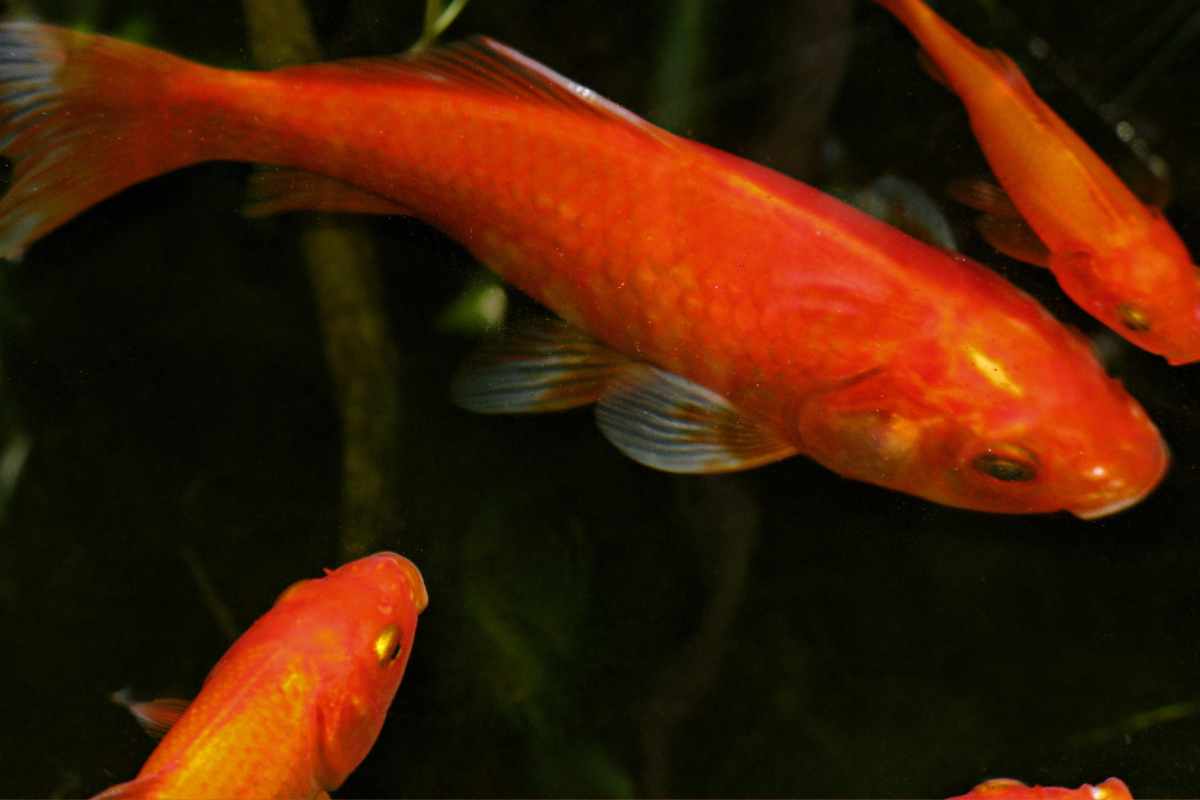
Red spots might also be linked to external parasites. Look for other signs such as:
Cotton-like growths on the skin (fungus).
White specks on the fins or body (ich).
Scratching behavior: Your fish may rub against objects in the tank to alleviate irritation caused by parasites.
If you notice any of these symptoms, parasites may be the culprit.
4. Inspecting the Fish for Physical Damage
Physical trauma, such as bumping into objects or fighting with other fish, can cause localized red spots. If the spots appear as bruises or small, red patches, the cause may be physical injury.
Treatment: Getting Rid of Red Spots in 3 Days
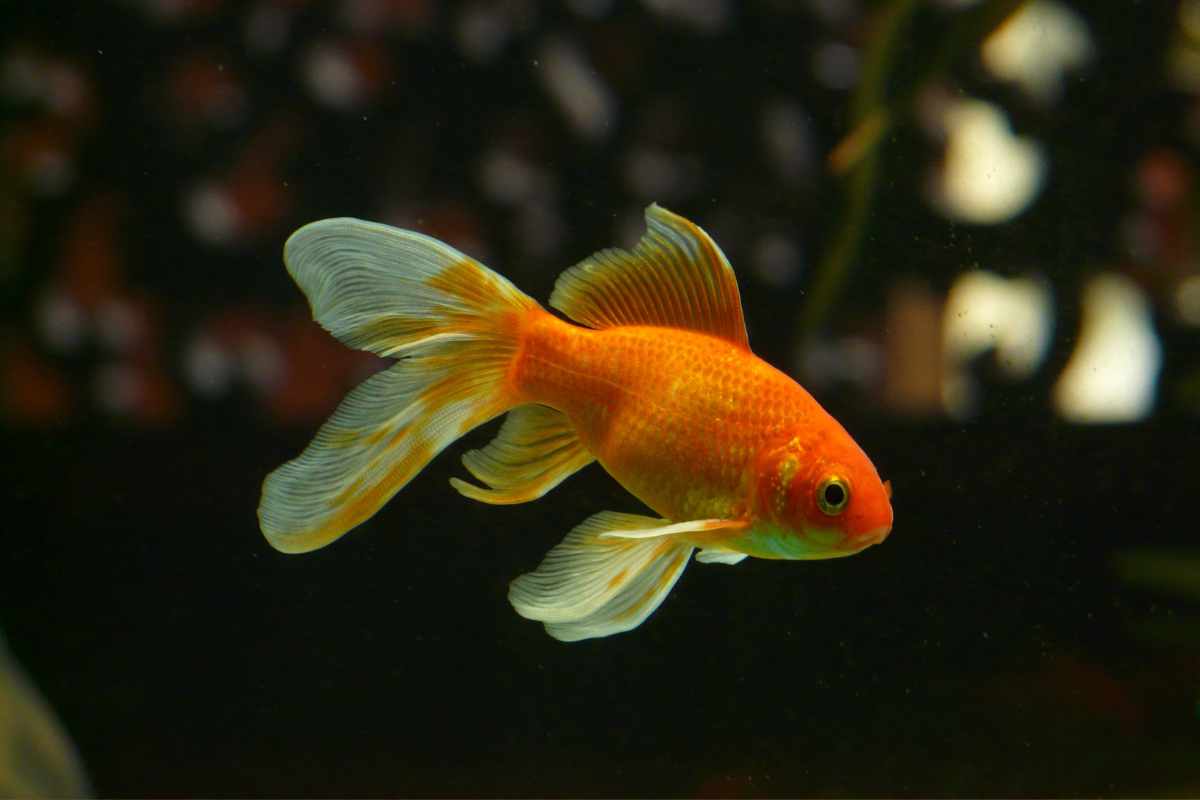
Now that you've identified the problem, it’s time to act. The treatment should focus on improving water quality, treating possible infections or parasites, and boosting your goldfish's immunity.
Day 1: Improving Water Quality
The first and most important step is to address water conditions. Goldfish are highly sensitive to poor water quality, and correcting this can often resolve skin issues. Here’s what you can do:
Partial Water Change: Replace 25%-50% of the water in the tank. This helps dilute harmful toxins such as ammonia and nitrites.
Clean the Filter: Make sure the filter is functioning properly to keep the water clean.
Monitor Parameters: Use a water test kit to check for ammonia, nitrites, nitrates, pH, and temperature. Adjust these parameters to ensure optimal conditions for your fish.
Increase Aeration: Adding an air stone or improving the flow in the tank can help oxygenate the water and support your fish’s recovery.
By improving the water quality, you provide a healthier environment for your goldfish, which is crucial for healing.
Day 2: Administering Medication
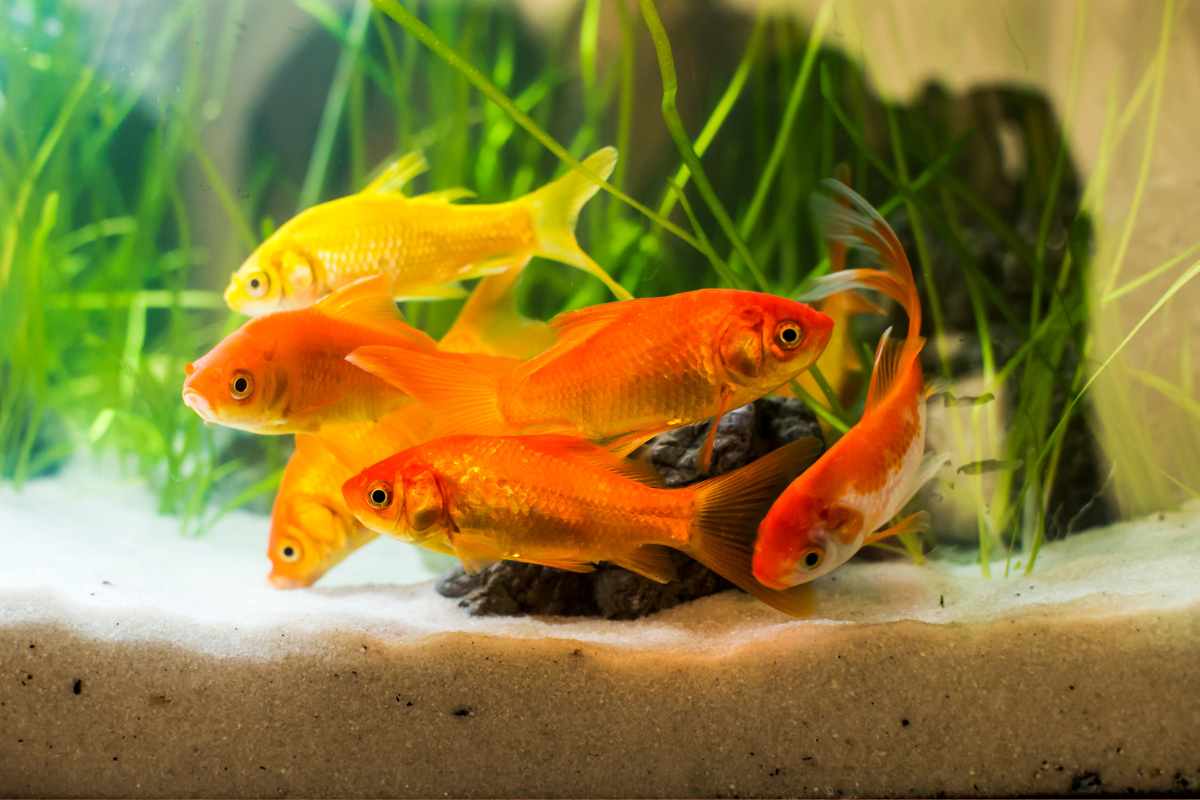
Once you’ve improved the water conditions, the next step is treating potential infections or parasites. Here’s how you can proceed:
Antibiotics for Bacterial Infections: If you suspect a bacterial infection, use broad-spectrum antibiotics. These can be found in most aquarium stores and are specifically designed for goldfish. Follow the instructions carefully for dosing.
Antiparasitic Treatments: If external parasites are the issue, such as ich or gill flukes, you’ll need to use antiparasitic medication. Be sure to choose a treatment that is safe for goldfish and follow the recommended dosage.
Avoid Overmedicating: Only treat for what you suspect is the issue. Overuse of medication can harm your fish, so it’s better to be cautious and accurate.
Day 3: Boosting the Immune System
By this point, your goldfish should be well on the way to recovery, but it's still important to support its immune system. Here’s how to do that:
Vitamins and Supplements: Adding vitamin supplements to the water or offering foods enriched with essential nutrients can help your fish fight off infections and recover more quickly.
Proper Nutrition: Provide your fish with a balanced diet to support its overall health. High-quality flakes or pellets, supplemented with live or frozen foods like bloodworms or brine shrimp, are excellent options.
At this stage, you should see a noticeable improvement in your goldfish’s condition. If the red spots are still visible, don’t panic; they might take a little more time to fade completely.
Additional Tips for Preventing Red Spots
Once your goldfish has recovered, it's important to take steps to prevent the problem from recurring. Here are some ongoing care tips:
1. Regular Water Changes
Routine water changes are crucial to maintaining a healthy environment. Aim for a partial water change at least once a week, depending on the size of your tank and the number of fish.
2. Regular Tank Maintenance
Clean the filter regularly to ensure it’s functioning efficiently.
Remove debris and uneaten food that could pollute the water.
3. Keep the Tank Stress-Free
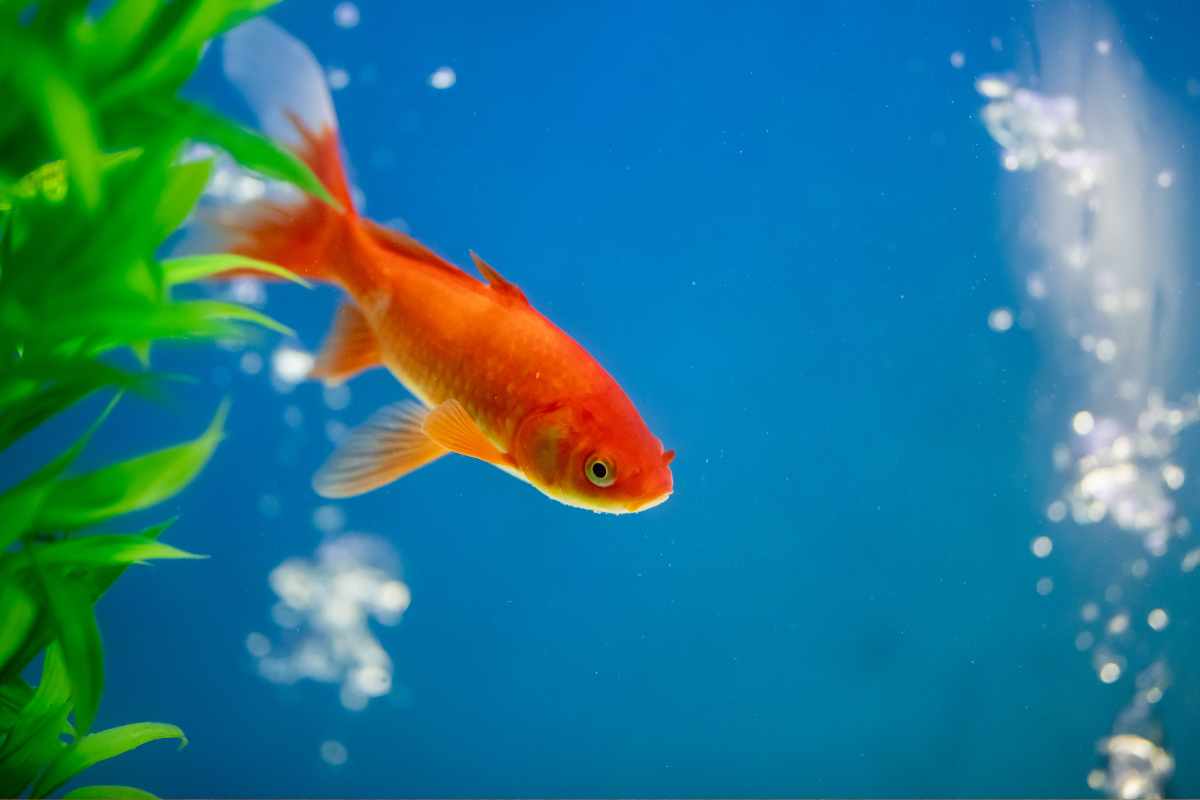
Goldfish thrive in stable environments, so try to avoid drastic changes in temperature or water conditions. Additionally, avoid overcrowding the tank, as this can cause stress and lead to health problems.
4. Proper Feeding Practices
Overfeeding is a common issue in goldfish care. Only feed as much food as your fish can consume in about 2-3 minutes, and remove any leftover food to prevent water contamination.
When to Seek Professional Help
If your goldfish’s red spots persist or worsen despite your efforts, it’s time to seek veterinary care. A fish veterinarian can perform a thorough examination, run tests, and provide more advanced treatments.
Conclusion: A Healthier, Happier Goldfish
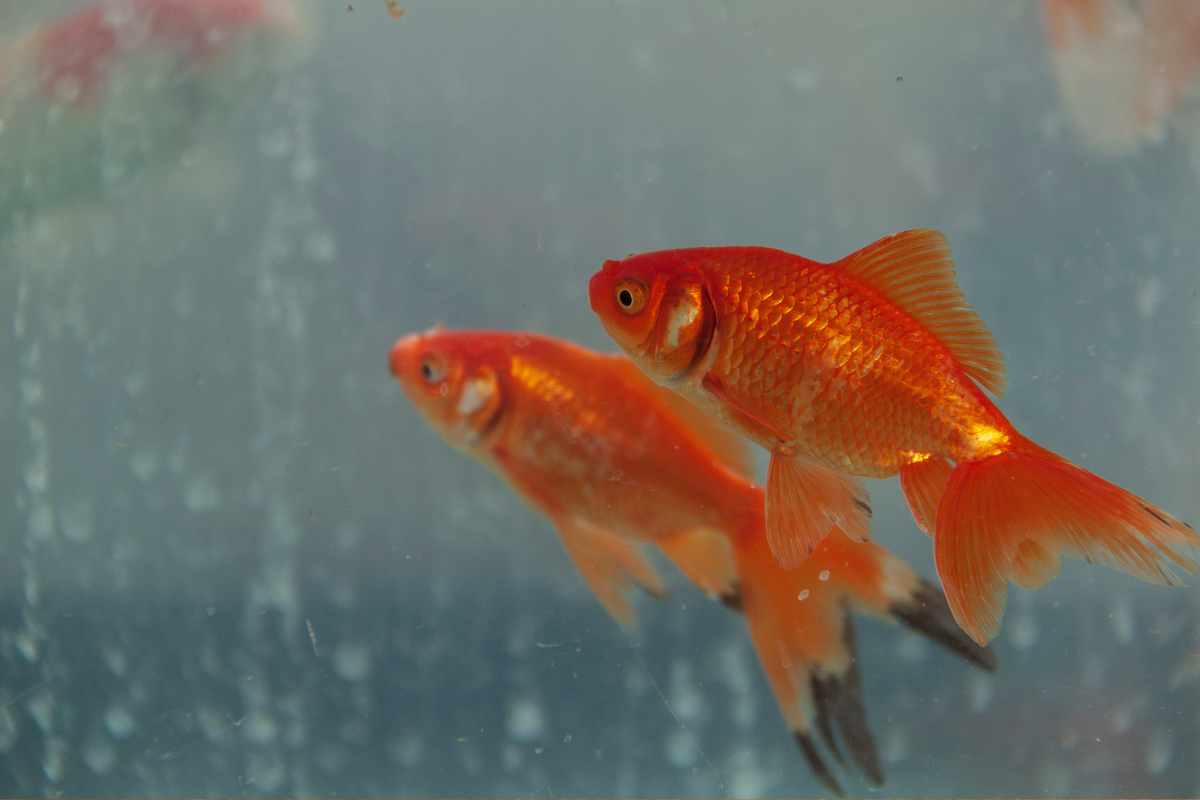
With the right treatment and care, you can successfully treat red spots on your goldfish within three days.
By focusing on water quality, proper medication, and boosting your fish’s immunity, you’ll give it the best chance of a full recovery. Regular maintenance and preventive measures will keep your goldfish healthy and thriving for years to come.
Remember, goldfish are hardy creatures, and with a little patience and attention, they can overcome even the toughest challenges.
By following the steps outlined in this article, you’ll not only treat the red spots but also improve your goldfish’s overall quality of life.
Enjoy The Video About Fishes

Source: AquaFish Groomer
Did you find this post useful or inspiring? Save THIS PIN to your Pets Board on Pinterest!

You may also like