
- Urbaki Pets
- Fishes
- How to Hatch Any Type of Fish Eggs
How to Hatch Any Type of Fish Eggs

16/01/2024 · Updated on: 18/09/2025

Hatching fish eggs is an exciting and rewarding process for fish keepers.
Whether you're a beginner or an experienced aquarist, understanding the techniques involved is key to ensuring successful hatching.
In this guide, we’ll walk you through the essential steps of incubating fish eggs, provide tips for different species, and discuss the best practices for raising healthy fish fry.
Preparing the Incubation Environment
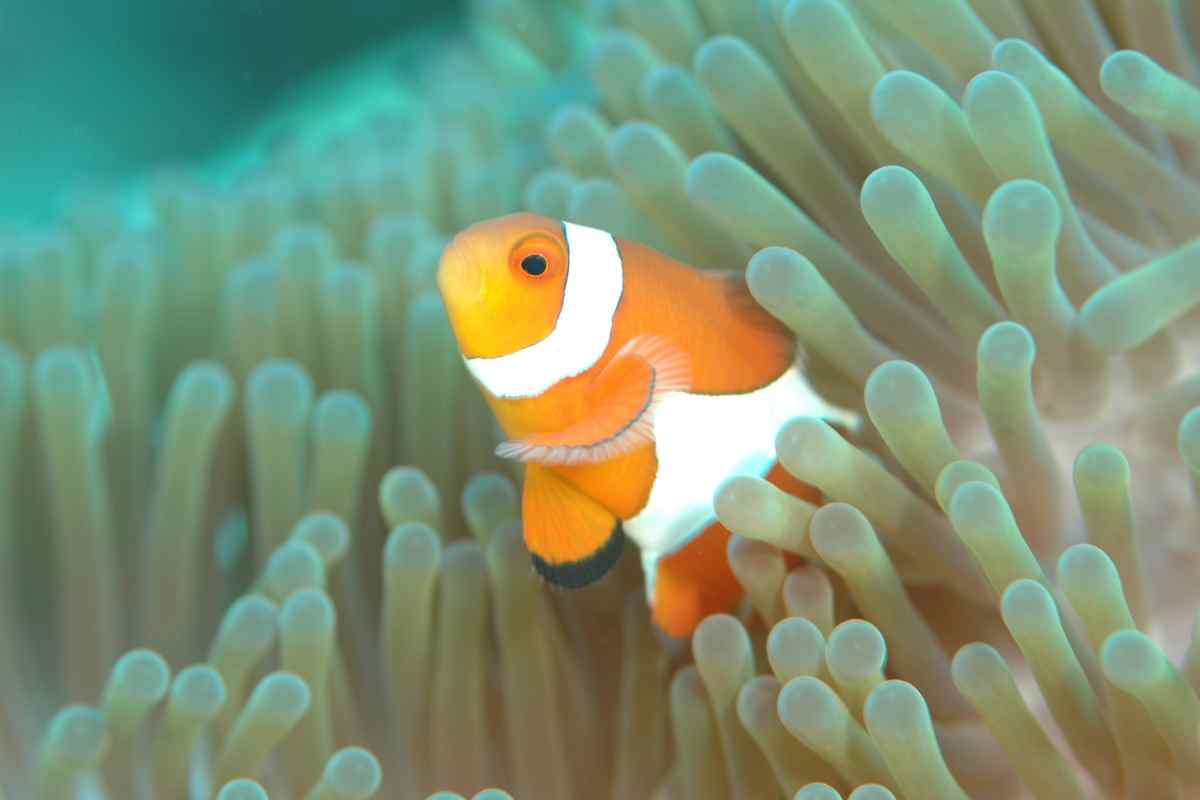
The first step in hatching fish eggs is creating the perfect environment. Different species of fish have varying requirements, but some general guidelines apply to most.
Water Temperature and Quality
Water temperature is a critical factor in the hatching process.
Most fish eggs require a stable temperature range to hatch successfully.
Generally, a temperature between 75°F to 80°F (24°C to 27°C) is ideal for tropical species, while colder species, like goldfish or koi, may require lower temperatures.
Ensure the water quality is pristine, as poor water conditions can prevent the eggs from hatching or cause disease.
Keep the pH level between 6.5 and 7.5, and maintain moderate hardness. Regular water changes and a good filtration system are essential for keeping the water clean and oxygenated.
Incubation Containers and Equipment
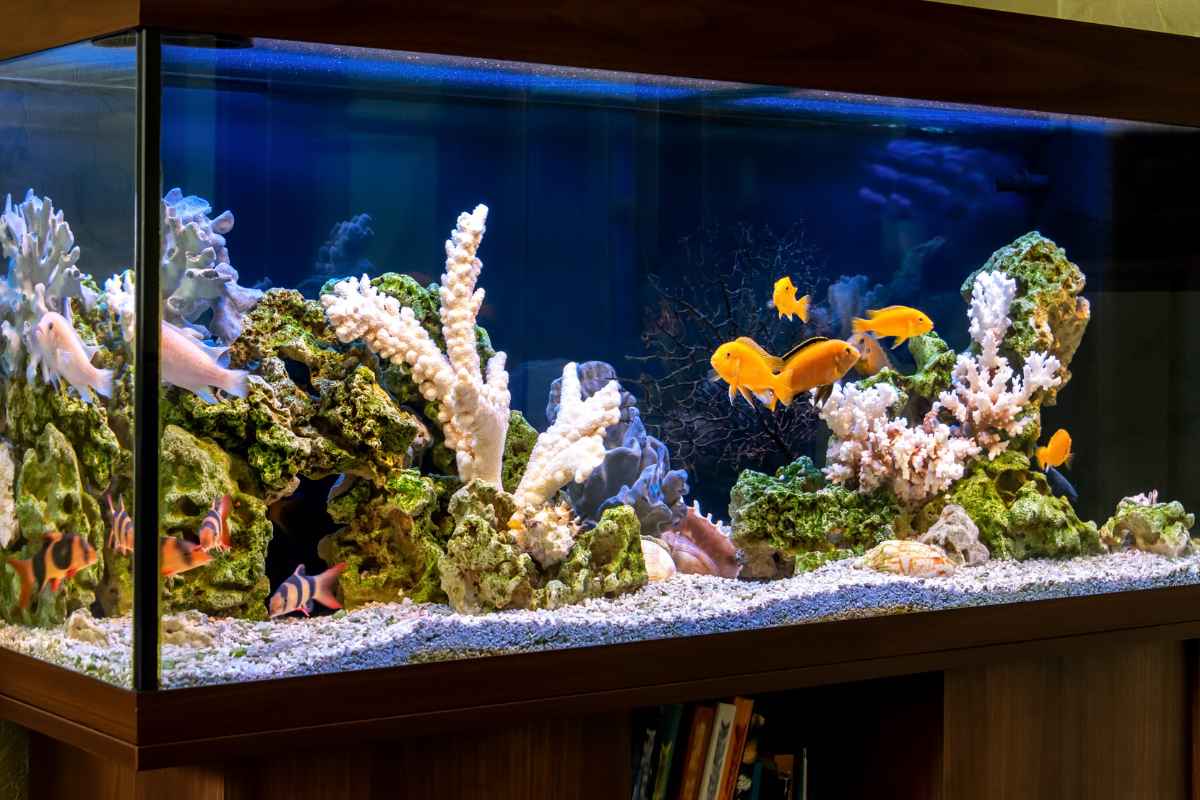
For most fish species, an incubator or tumbler is used to prevent the eggs from coming into contact with the tank’s substrate or filter.
This keeps the eggs suspended in the water, allowing oxygen to circulate and preventing the build-up of harmful waste.
An egg tumbler is particularly useful for delicate eggs, such as those of salmonids or certain marine species, which are prone to fungal infections.
Make sure to use an air pump to provide gentle water movement, simulating the natural current that the eggs would experience in the wild.
Species-Specific Hatching Conditions
Different fish species have unique hatching requirements. Below are some tips for successfully hatching eggs from a variety of popular aquarium fish.
Guppies
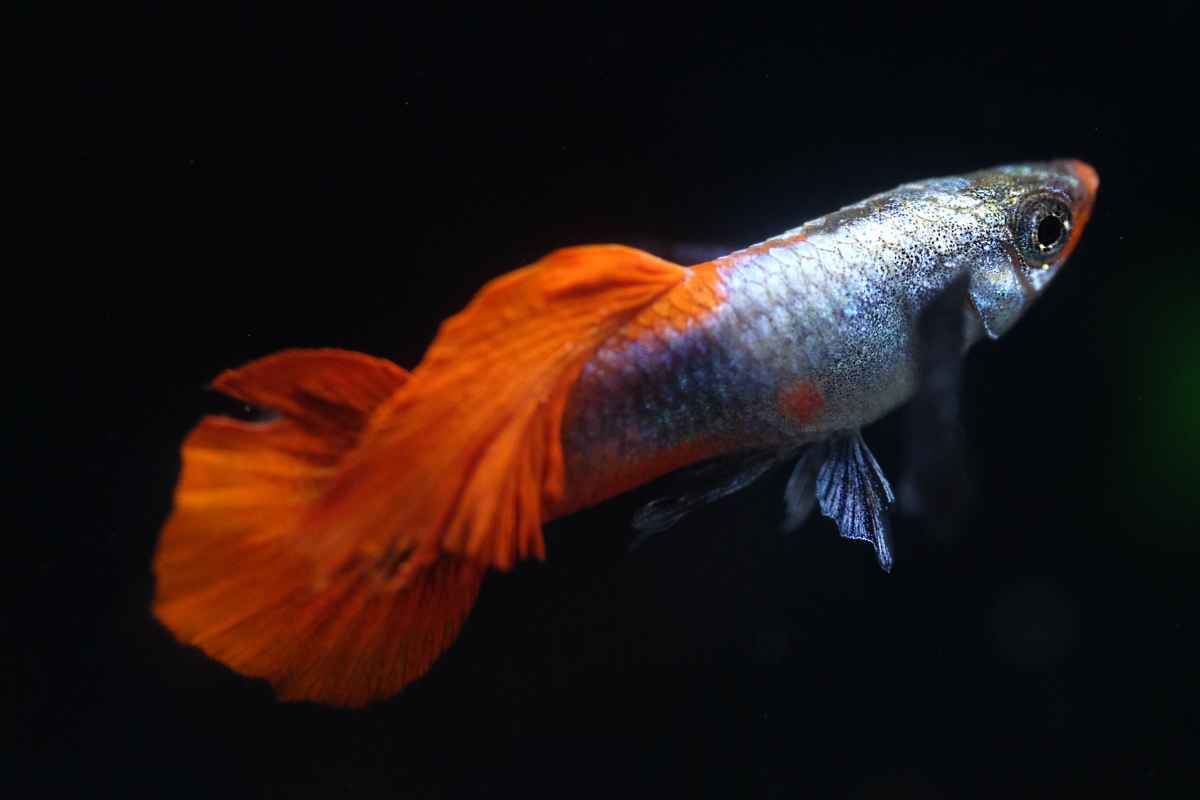
Guppies are among the easiest fish to hatch, thanks to their live-bearing nature. However, when breeding guppies for specific traits, you may want to incubate their eggs.
Temperature: Maintain a water temperature between 75°F to 78°F (24°C to 26°C).
Egg Care: Guppy eggs require very little intervention. Simply place them in a clean breeding tank with minimal water flow.
Betta Fish
Betta fish are bubble-nesters, meaning they build a bubble nest on the water's surface for their eggs.
Temperature: Keep the water at 78°F to 80°F (25.5°C to 27°C) for optimal hatching conditions.
Egg Care: After fertilization, the male Betta will care for the eggs, protecting them in the nest. Ensure the water level stays low enough for the male to reach the nest.
Killifish
Killifish eggs are typically laid in moist substrate rather than in the water.
Temperature: Maintain a temperature of 70°F to 75°F (21°C to 24°C).
Egg Care: After the eggs are laid, keep them in a moist substrate or container for several weeks. When ready to hatch, the eggs can be submerged in water.
Koi and Goldfish
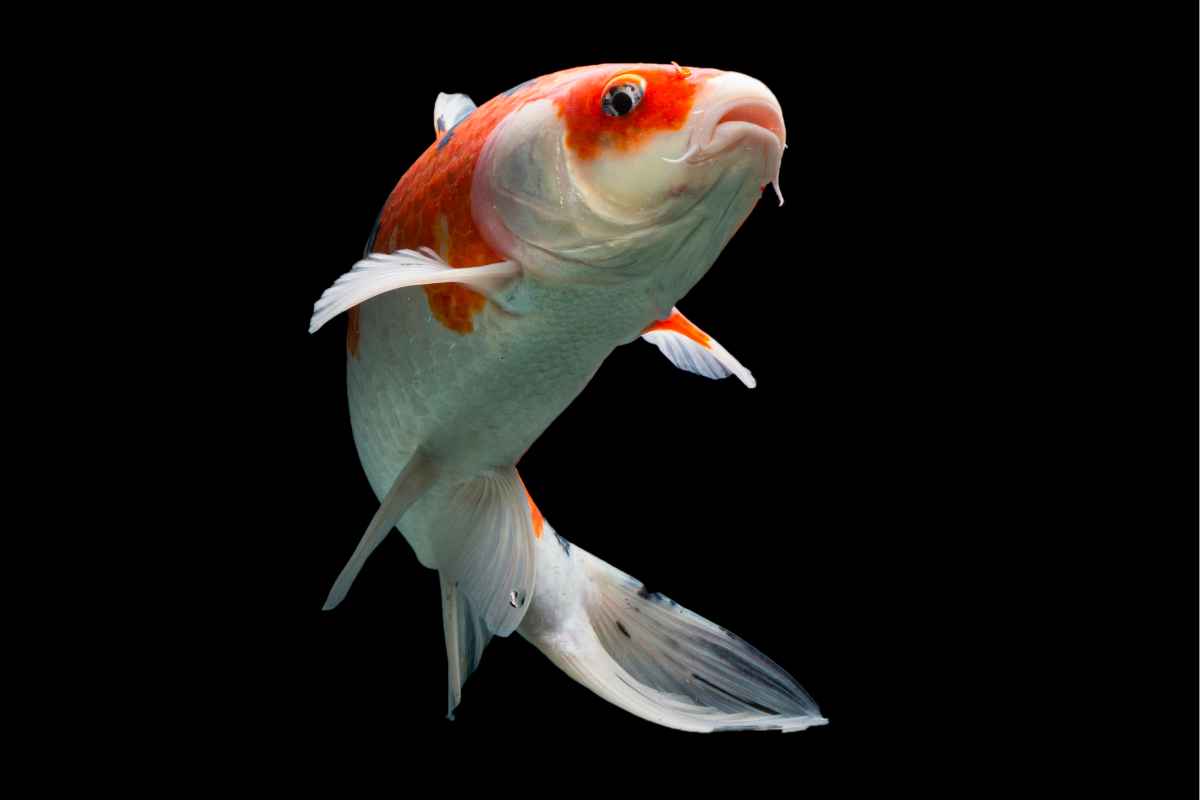
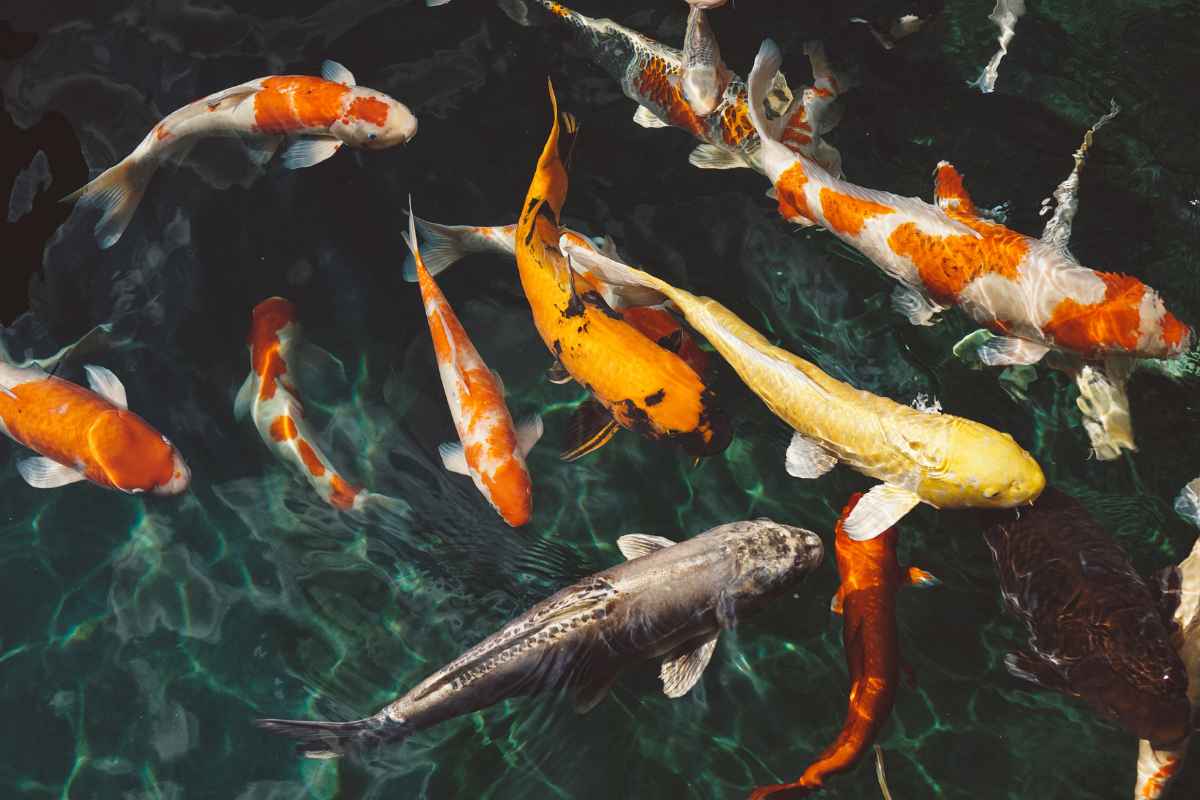
Both koi and goldfish lay their eggs in clusters and require slightly cooler water for successful hatching.
Temperature: A range of 65°F to 75°F (18°C to 24°C) is ideal.
Egg Care: Use an air-driven egg tumbler or simply place the eggs in a tank with low water flow to allow them to develop properly.
Preventing Fungus and Disease
One of the biggest challenges in hatching fish eggs is preventing fungal growth.
Fungal infections can destroy eggs before they have a chance to hatch, so it's essential to keep your incubation environment clean and monitor for any signs of infection.
Using Methylene Blue
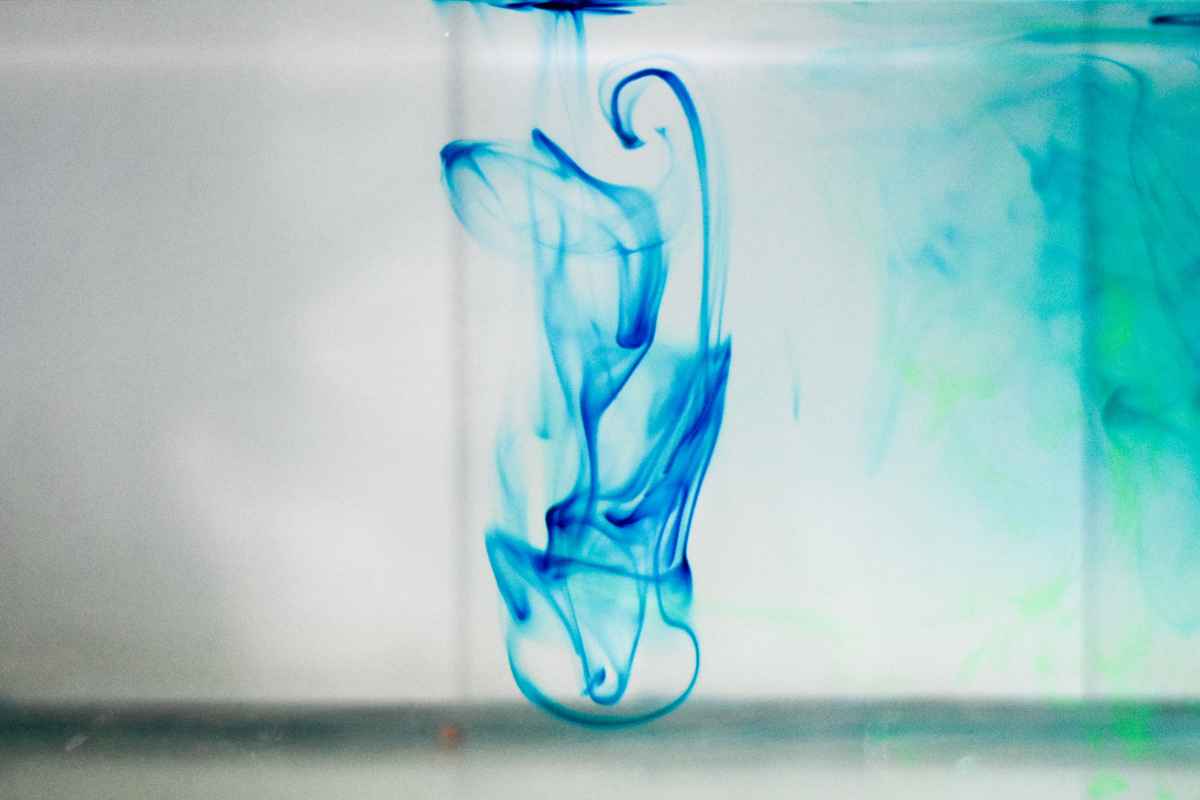
Methylene blue is a safe and effective treatment for preventing fungal growth on eggs.
Add a small amount to the water where the eggs are incubating, but be careful not to overdose.
It’s a good idea to do a water change after a few days to prevent any potential harm to the developing eggs.
Good Water Circulation
Eggs require oxygenated water to thrive. Ensure that the water is moving gently by using an air stone or a sponge filter.
This movement will also help prevent waste from accumulating around the eggs, which could lead to the growth of harmful bacteria.
Caring for Fish Fry After Hatching
Once the fish eggs hatch, you'll be left with fry—the tiny baby fish that will grow into adults. The care of these fry is crucial to their survival and development.
Feeding the Fry
When fish fry are born, they are typically too small to eat prepared food.
Instead, you'll need to feed them infusoria or live foods, such as newly hatched brine shrimp or rotifers.
These small organisms are the perfect size for the tiny mouths of fry.
Once the fry grow larger, you can gradually introduce finely crushed dry food. Always monitor their growth and adjust their diet as they mature.
Water Quality and Tank Setup
As your fry grow, it's important to maintain clean water conditions.
Set up a separate fry tank if necessary, especially if you are breeding multiple species in one tank.
The fry are more sensitive to poor water conditions than adult fish, so regular water changes and monitoring are essential.
The tank should have gentle filtration to avoid sucking up the tiny fry, and you can use a fry guard to keep them separated from adults.
As they grow, you can start introducing them to the main tank with the adult fish, but make sure they are big enough to avoid predation.
Common Mistakes to Avoid
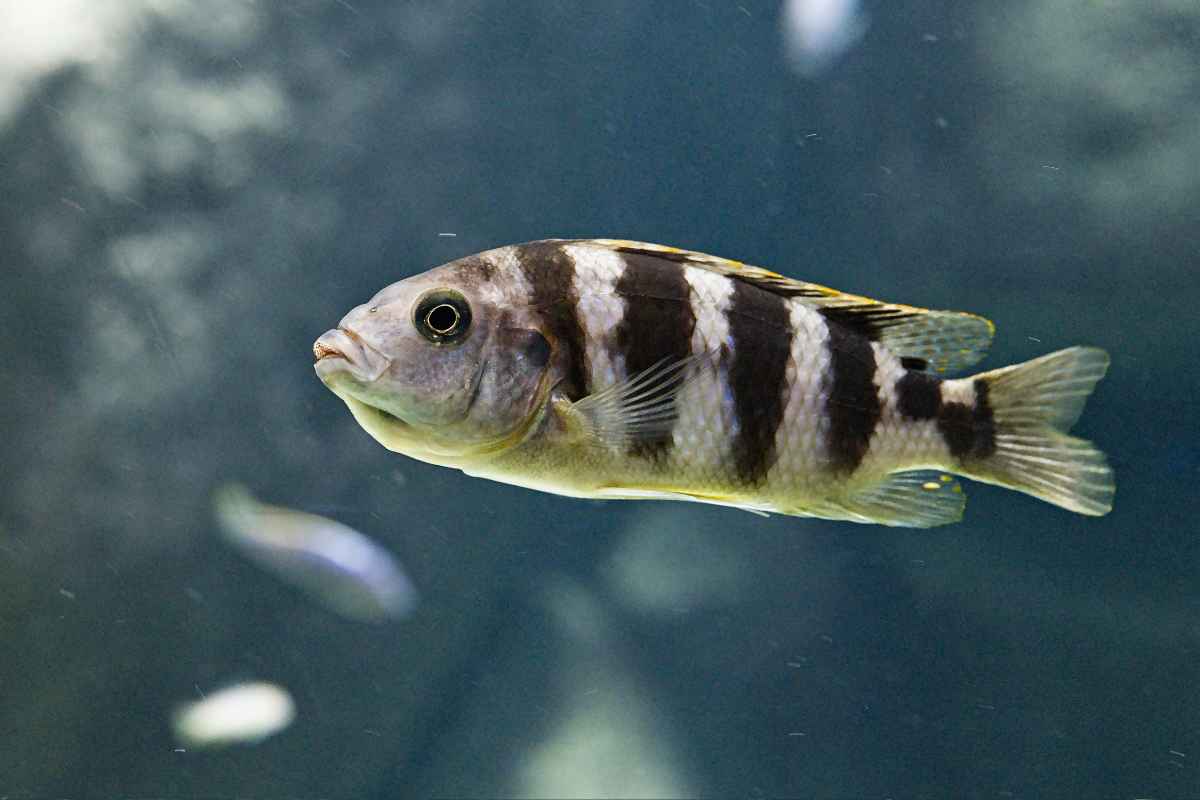
While hatching fish eggs can be a fun and rewarding process, there are several mistakes that beginners often make. Avoid these common errors to ensure a successful hatch.
Overcrowding the Eggs
Too many eggs in one small area can lead to oxygen depletion and increased risk of disease. Always provide enough space for the eggs to be properly oxygenated.
Inconsistent Temperature
Fluctuating temperatures can cause the eggs to die or fail to hatch. Make sure to keep the water temperature stable and within the optimal range for the species you are incubating.
Improper Feeding After Hatching
Many new fish keepers neglect the nutritional needs of fry after hatching. Be sure to feed them high-quality live food in the early stages and introduce dry food once they are old enough.
Conclusion
Hatching fish eggs is a delicate process that requires patience and attention to detail.
By creating the right environment, understanding the specific needs of different species, and following best practices for water quality and care, you can successfully hatch fish eggs and raise healthy fry.
With these tips and tricks, you’ll be on your way to becoming an expert in fish egg incubation, ensuring your fish thrive for years to come.
We hope you enjoy this video about Fishes
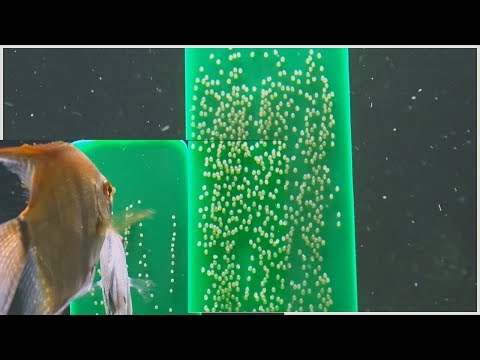
Source: MasterAquatics
Did you find this post useful or inspiring? Save THIS PIN to your Pets Board on Pinterest!

Urbaki Editorial Team is the collaborative byline behind our pet-care guides. Our writers and editors turn evidence and real-life experience into clear, humane advice on training, wellbeing, nutrition basics, and everyday life with animals. Every article is planned, written, and edited by humans, fact-checked against reputable veterinary sources, and updated over time. This is an editorial pen name—see our Editorial Policy. Educational only; not a substitute for veterinary advice.
You may also like