
How to Make a Terrarium for a Reptil?


Creating a terrarium for reptiles is an exciting and rewarding task that allows you to craft a custom habitat for your scaly friends.
Whether you have a snake, lizard, or turtle, setting up the right environment is crucial for their health and well-being.
A terrarium isn't just a decorative piece for your home—it’s a space that simulates your pet’s natural environment, helping them feel secure and thrive.
In this guide, we will walk you through the essentials of building a reptile terrarium that caters to your pet’s needs while enhancing your living space. Let's dive into the important aspects of terrarium setup.
Why a Proper Terrarium is Essential for Your Reptile's Health

A reptile's terrarium serves as both their home and sanctuary. Unlike mammals, reptiles are cold-blooded, meaning their body temperature relies heavily on the environmental conditions in their habitat.
Therefore, having a well-maintained terrarium is essential to ensure your reptile stays healthy and comfortable.
Temperature Control: Reptiles require specific temperature gradients to regulate their body heat. Too hot or too cold, and they may suffer from stress or illness.
Humidity Levels: Humidity is another important factor that varies among species. A dry terrarium can lead to skin shedding problems and dehydration, while too much moisture can cause fungal growth and respiratory issues.
Behavioral Enrichment: A well-designed terrarium provides enrichment opportunities, such as climbing structures, hiding spots, and places to bask in the heat. This helps reduce stress and promotes natural behaviors.
Choosing the Right Terrarium for Your Reptile

Before getting started, it's crucial to choose the right type of terrarium. Different reptiles have different requirements based on their natural habitats.
For example, desert-dwelling reptiles, like the bearded dragon, require a terrarium that mimics a dry, warm environment, while rainforest reptiles need high humidity and a more tropical setup.
Tank Size
The size of your terrarium depends on the size and species of the reptile. As a general rule, the larger the reptile, the bigger the tank should be.
For smaller species like geckos, a 20-gallon tank might suffice, while larger reptiles such as iguanas or boas will require much more space, sometimes up to 100 gallons or more.
Smaller reptiles: Tanks around 20 to 40 gallons.
Medium reptiles: Tanks around 50 to 75 gallons.
Larger reptiles: Tanks ranging from 75 to 120 gallons or more.
Material Options
When it comes to terrarium material, glass tanks are the most popular choice due to their visibility, durability, and ease of maintenance.
Acrylic tanks are also a good option, but they can be prone to scratching. Make sure the material is sturdy and provides proper ventilation.
Creating the Right Environment: Substrates and Decorations

The foundation of a comfortable terrarium is its substrate. The substrate not only provides a natural look but also serves to control humidity, provide burrowing opportunities, and create a natural habitat.
Choosing the Right Substrate
The substrate should be chosen based on your reptile’s species and natural habitat:
For desert reptiles: Use materials like sand, desert sand mix, or ceramic tiles. These substrates help maintain a dry environment.
For tropical reptiles: Opt for coconut coir, peat moss, or sphagnum moss to retain moisture and maintain humidity levels.
For aquatic reptiles: Gravel or aquarium-specific sand works well for aquatic species like turtles.
Make sure the substrate is easy to clean and doesn’t pose a risk to your pet if ingested. For instance, avoid substrates with sharp edges that could harm your reptile.
Adding Decorations and Hiding Spots

Reptiles love to explore, so adding some decorations to their terrarium can help them feel more at home. Consider adding plants, rocks, branches, or hollow logs for hiding spaces.
Make sure that any decorations you use are safe for your reptile and are secured properly to prevent accidents.
Plants in Your Terrarium
Adding live plants can improve the look of your terrarium while also providing extra hiding places and climbing structures.
However, it’s essential to choose non-toxic plants. Some great options include snake plants, pothos, aloe vera, and spider plants.
Setting Up Lighting and Heating

Proper lighting and heating are critical in creating the perfect environment for your reptile.
Many reptiles need a source of UVB light to help them metabolize calcium and prevent diseases like metabolic bone disease. In addition, a heat source is necessary to regulate the reptile’s body temperature.
UVB Lighting
For most reptiles, UVB lighting is essential for calcium absorption and bone health. Be sure to choose a UVB bulb designed specifically for reptiles and position it within a few inches of the basking spot.
Daylight bulbs: These should mimic the natural sunlight spectrum and help your reptile regulate its day-night cycle.
UVB bulbs: These bulbs emit ultraviolet light, essential for the synthesis of vitamin D3 in reptiles.
Heating Sources
Reptiles need a temperature gradient in their terrarium to regulate their body heat. A basking light or heat mat is necessary to create a warm area in the tank.
Keep in mind that different reptiles require different temperature ranges:
Cold-blooded reptiles: Most need a basking area that ranges between 90°F to 110°F (32°C to 43°C) and a cooler area between 70°F to 80°F (21°C to 27°C).
Tropical reptiles: They require a steady ambient temperature of around 75°F to 85°F (24°C to 29°C).
Thermometers and humidity gauges should be placed inside the tank to monitor these conditions. Thermostats and automatic shut-off timers can help maintain the correct temperature and prevent overheating.
Monitoring Humidity

Humidity is a key factor that varies between species. Tropical reptiles, such as chameleons or anoles, require higher humidity levels, while desert reptiles, like leopard geckos, thrive in dry conditions.
Maintaining Ideal Humidity
For high humidity: Use a misting system or a humidifier to increase moisture in the air. You can also place a shallow water dish in the terrarium to aid in humidity.
For low humidity: Avoid misting the tank too much and ensure the tank has good ventilation to prevent mold and fungal growth.
Humidity should be monitored regularly to prevent conditions that may lead to respiratory issues or dehydration.
Ongoing Maintenance of Your Reptile's Terrarium

A terrarium requires regular maintenance to ensure the health of your reptile. Keeping your pet’s environment clean and balanced is crucial for their well-being.
Regular Cleaning
Spot-clean the substrate and remove waste, uneaten food, or dead plants daily.
A full clean should be done every few weeks, which includes changing the substrate, washing the decorations, and wiping down the glass to prevent mold or bacteria buildup.
Monitoring Health
Regularly check your reptile for signs of stress or illness. Monitor their appetite, activity level, and skin condition. If your reptile shows signs of lethargy, loss of appetite, or abnormal shedding, consult a veterinarian.
Conclusion: A Happy Home for Your Reptile

Creating the perfect terrarium for your reptile requires careful planning and attention to detail, but the results are worth it.
With the right environment, your reptile will thrive, and you’ll have a beautiful, functional terrarium that adds life and interest to your home.
By ensuring proper temperature, humidity, lighting, and enrichment, you’ll help your pet feel safe and comfortable in its new home.
Remember, the key to a happy reptile is providing a space that mimics their natural environment as closely as possible.
With time, care, and a little creativity, you can build a terrarium that will be both a beautiful addition to your home and a sanctuary for your scaly companion.
Enjoy This Video About Reptiles
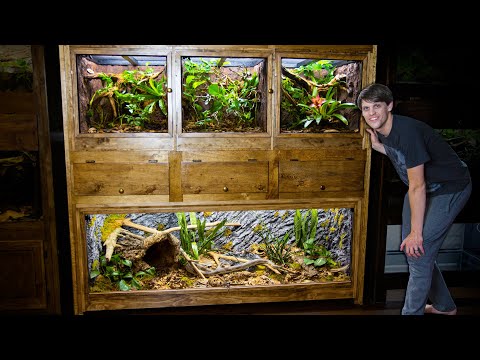
Source: SerpaDesign
Did you find this post useful or inspiring? Save THIS PIN to your Pets Board on Pinterest! 😊

You may also like