
How To Set Up A Reptile Room! (Tips & Tricks)


Setting up a reptile room requires more than just placing a few tanks in a room. It's about creating a safe, comfortable, and stimulating environment for your scaly friends.
Whether you're a first-time reptile owner or a seasoned enthusiast, this guide will walk you through everything you need to know to create a thriving habitat for your reptiles.
Choosing the Right Room for Your Reptiles
The first step in setting up a reptile room is choosing the right location. Your reptiles' well-being depends heavily on their environment, and the room you select will play a major role in their comfort.
Consider Lighting and Ventilation
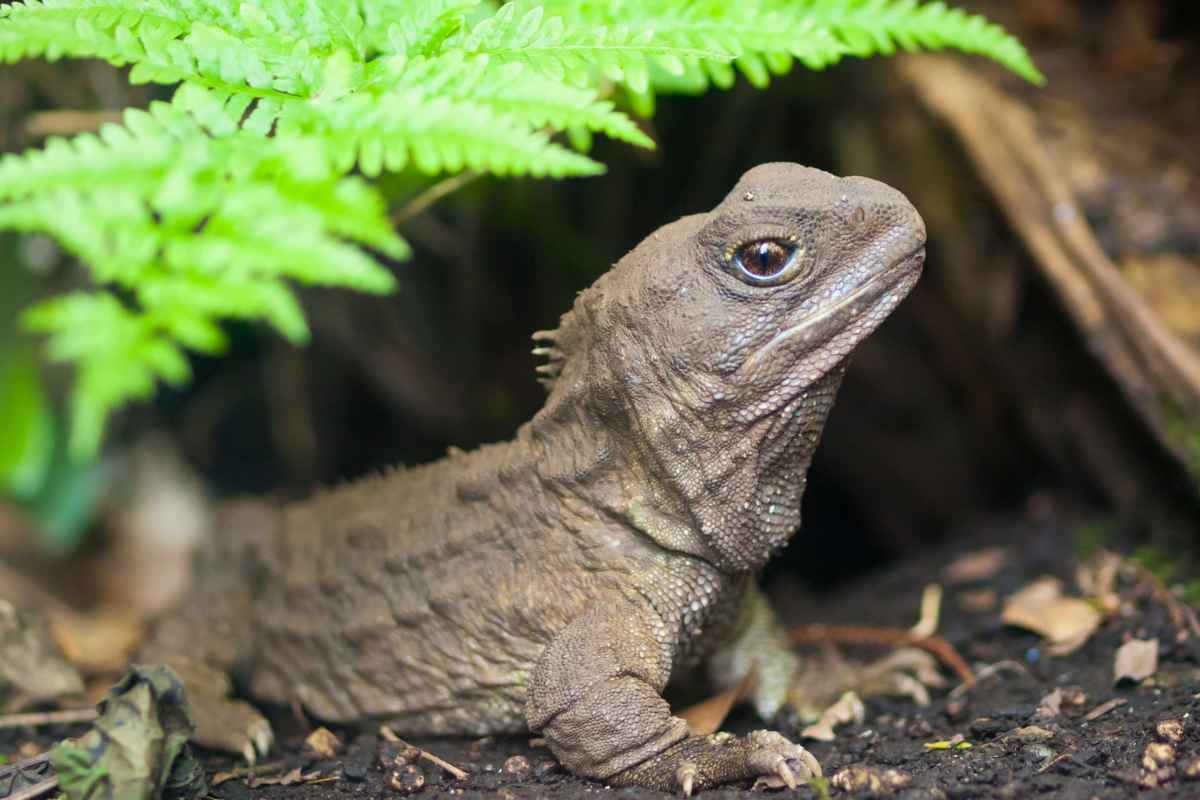
Reptiles, especially those that require UVB light, need access to natural sunlight or artificial UVB lamps.
Choose a room with plenty of natural light, but be mindful of direct sunlight exposure, which can overheat your reptile’s habitat.
Also, ensure the room has adequate ventilation to keep the air fresh and reduce the build-up of humidity, which can be harmful to some species.
Avoid High-Traffic Areas
Try to avoid setting up the reptile room in high-traffic areas where there is constant noise or movement.
Stress caused by disturbances can affect the health and behavior of your reptiles. Opt for a quiet area that offers stability and comfort.
Temperature and Humidity: Keeping It Just Right
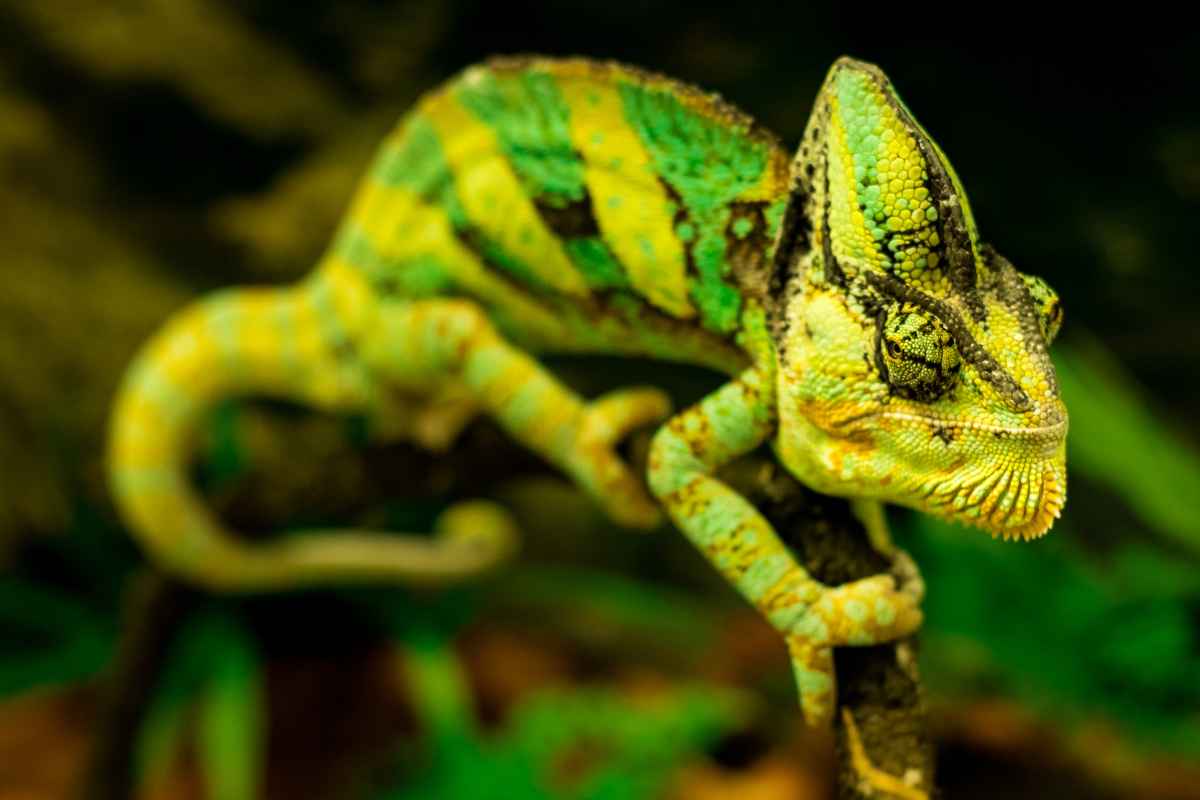
One of the most critical aspects of setting up a reptile room is managing the temperature and humidity. Different reptiles have specific requirements, and maintaining these conditions is crucial for their survival.
Temperature Control: Use Thermostats and Heat Lamps
For most reptiles, a temperature gradient is essential. The room should have cool and warm zones so your reptiles can regulate their body temperature. Install heat lamps, ceramic heat emitters, or heat pads to provide consistent warmth.
It's also crucial to monitor the temperature with a digital thermostat. This will help you maintain accurate temperatures and avoid overheating or chilling your reptiles.
Managing Humidity Levels
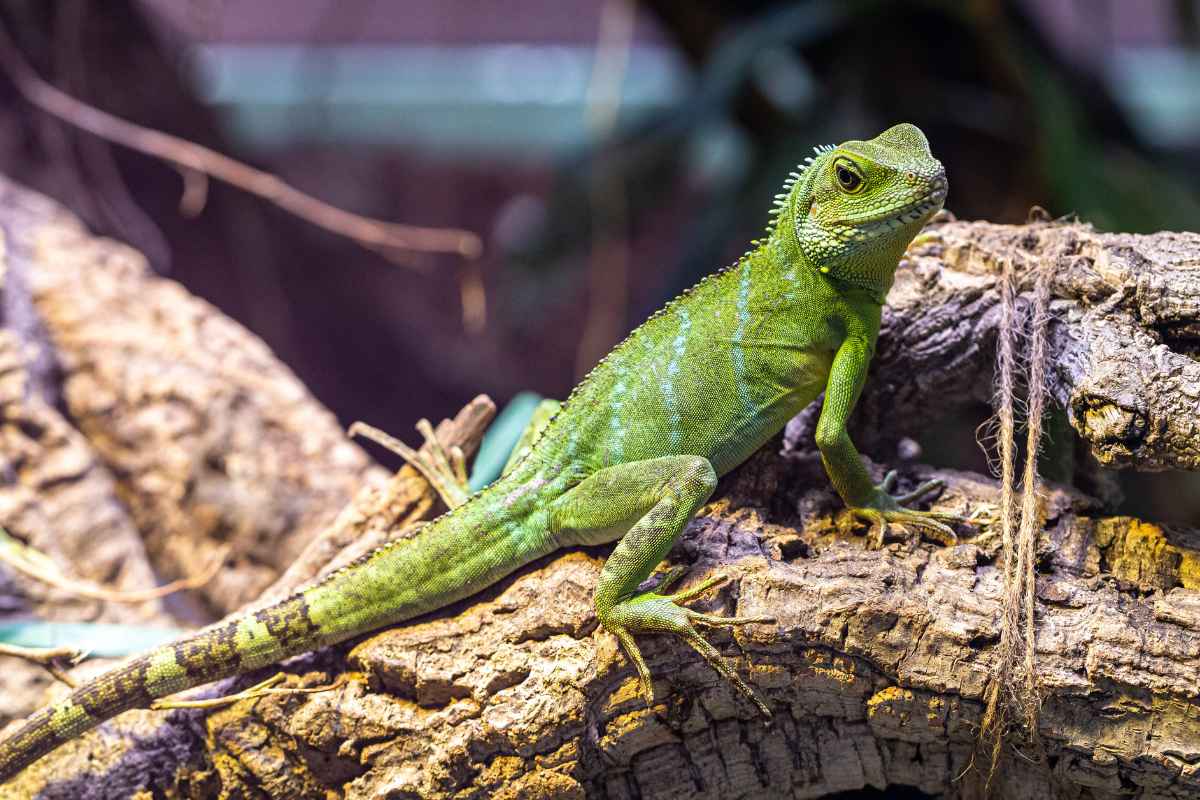
Humidity is just as important as temperature. Some reptiles require high humidity, while others thrive in drier conditions.
Use humidifiers or misting systems for species that require more moisture, and be sure to monitor humidity levels with a hygrometer.
Research the specific needs of your reptile species to understand the ideal humidity and temperature range.
Creating the Perfect Enclosure Setup
Now that you've selected the right room and controlled the basic environmental factors, it's time to set up your reptile enclosures.
This is where your reptiles will spend most of their time, so it’s essential to make it as comfortable and stimulating as possible.
Terrariums, Aquariums, or Cages: What’s Best?
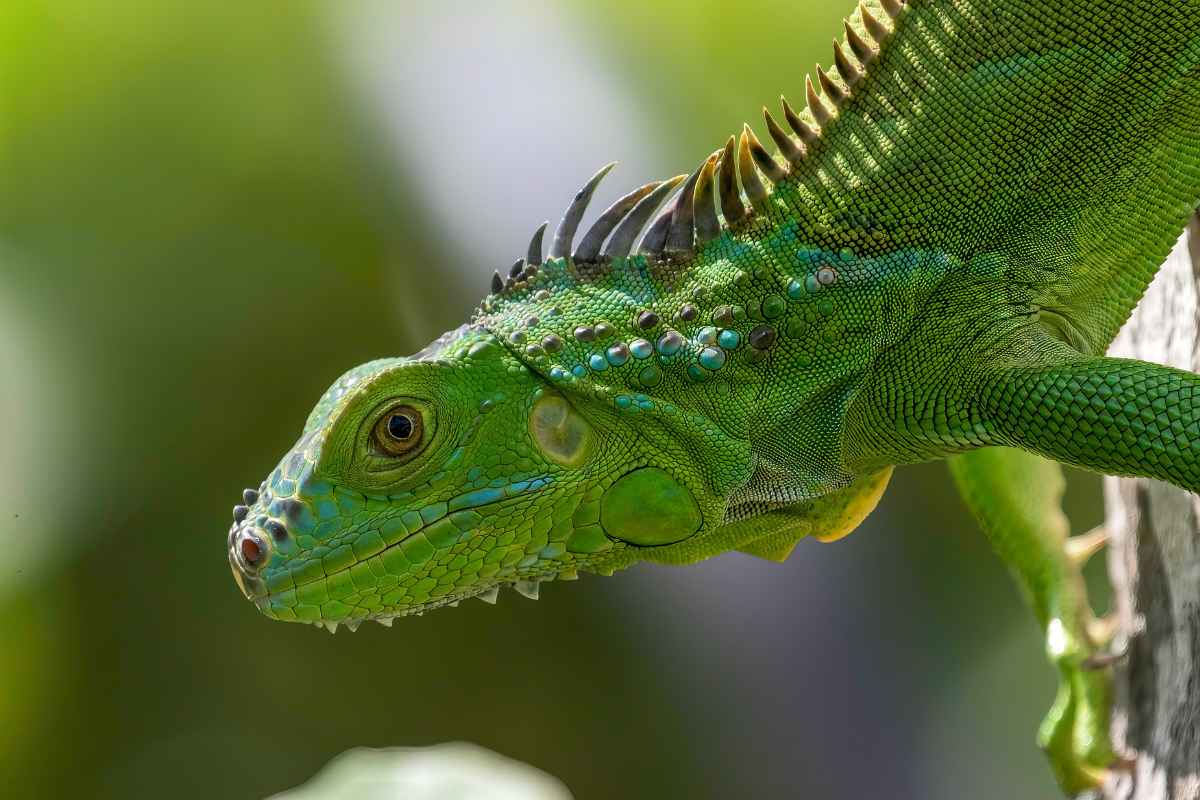
The type of enclosure you choose depends on your reptiles' species. Terrestrial reptiles do well in terrariums or glass tanks, while aquatic species require aquariums with water filtration systems. Ensure the size of the enclosure is appropriate for the size and needs of your reptile.
Substrate and Flooring: Choose Wisely
When setting up the floor of the enclosure, use natural substrates like coconut husk, cypress mulch, or sandy soil for desert species. Avoid using painted rocks or materials that could be harmful if ingested.
For reptiles that enjoy burrowing, provide plenty of loose substrate that allows them to dig. Ensure the substrate is safe and clean, as some materials can harbor bacteria or fungus.
Adding Visual and Physical Stimulation: Enrichment
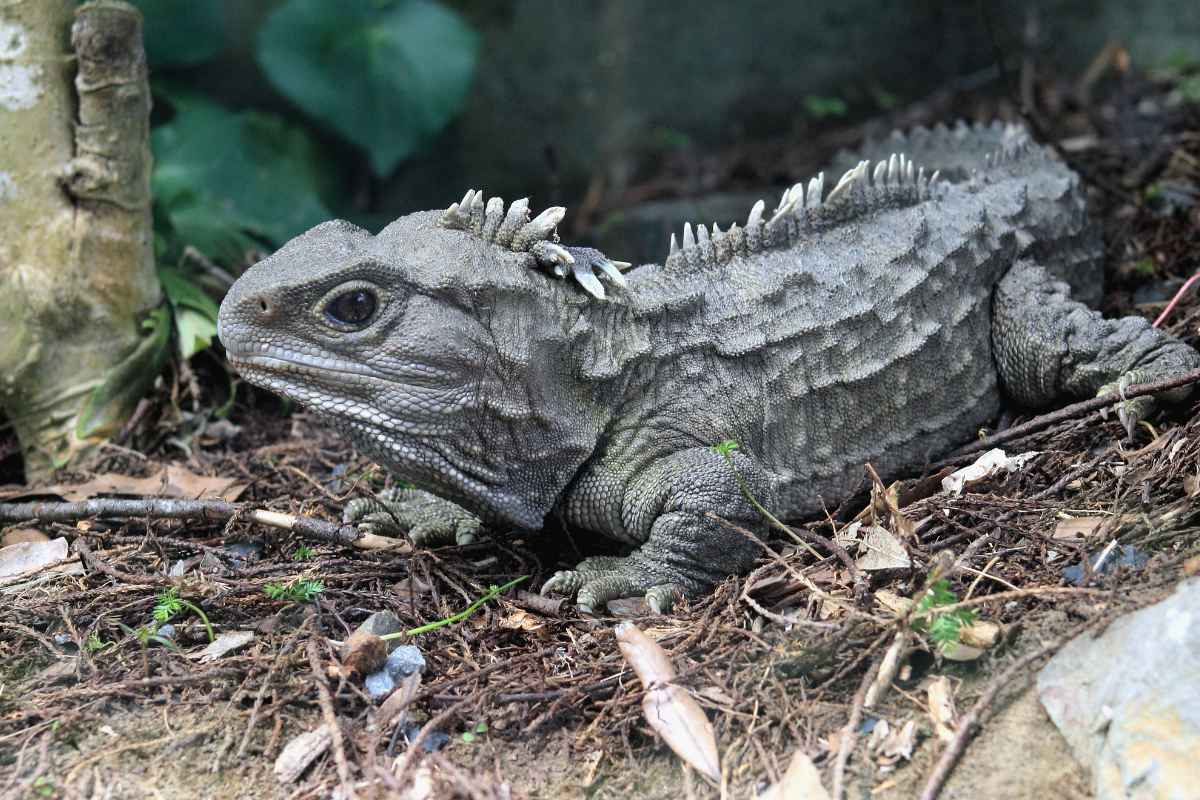
Reptiles, like any other pets, need mental stimulation to stay healthy. Enrichment can help reduce stress, promote natural behaviors, and keep your reptiles happy.
Hides and Shelters
Reptiles often feel vulnerable, so it's essential to offer them hiding spots. Use natural materials like logs, rocks, or ceramic hides to provide them with secluded spaces where they can retreat when they feel threatened.
Climbing and Swimming: Tailor to Species Needs
If you have arboreal reptiles, provide plenty of climbing structures, such as branches or vines, to simulate a tree-like environment.
For aquatic reptiles, ensure they have access to shallow water where they can bask and swim.
Make sure the setup is designed for the specific species you own, as each reptile has unique needs. Interactive setups encourage exercise, which is essential for physical and mental health.
Safety: Preventing Escapes and Hazards
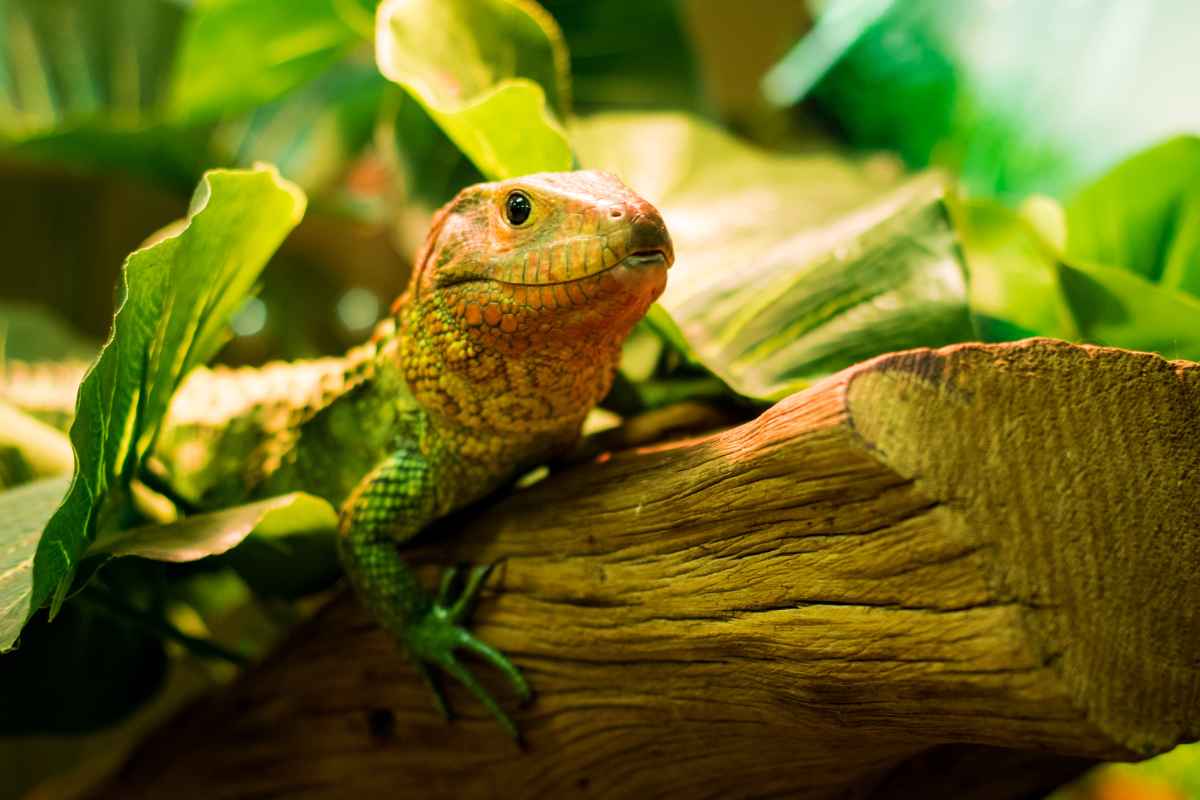
A reptile room should be safe for both your reptiles and your household. Here’s how you can ensure a secure environment.
Prevent Escapes
Escaping reptiles can be dangerous for them and could cause damage to your home.
Ensure your enclosures are secure, with tight-fitting lids or doors. Seal any gaps or cracks where a determined reptile might escape.
Avoid Toxic Substances
Make sure there are no harmful chemicals in the room, such as cleaners, paints, or air fresheners.
Reptiles are sensitive to toxins, so ensure your reptile room is free from any substances that could harm them.
Protecting Against Electric Hazards
Reptiles often require electric equipment like heat lamps or humidifiers.
Be sure to place electrical outlets out of reach and use protective coverings for cords. Always use grounded outlets and surge protectors to prevent electrical accidents.
Cleaning and Maintenance
Keeping the reptile room clean is essential for preventing disease and maintaining a healthy environment. Here are some tips:
Regular Cleaning of Terrariums
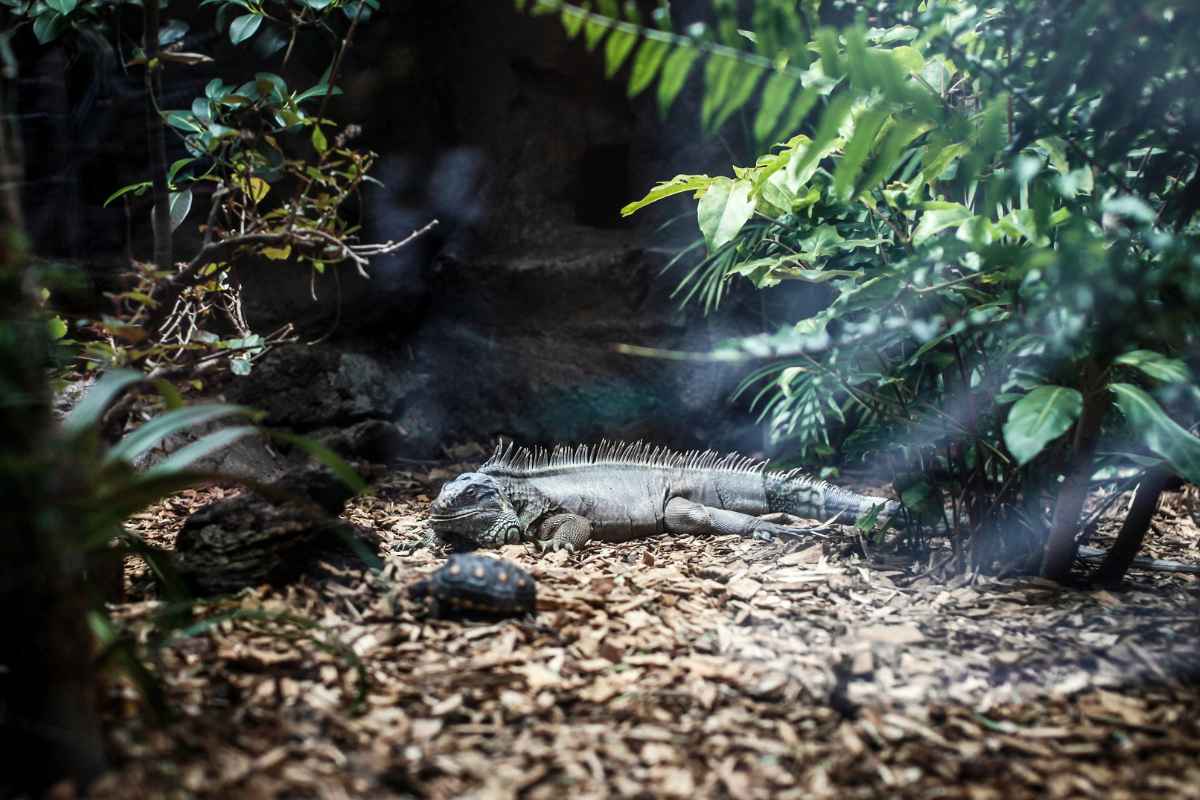
Reptile enclosures should be cleaned regularly. Remove uneaten food, shed skin, and waste immediately.
Clean the glass with non-toxic cleaners, and disinfect the substrates periodically to prevent the growth of harmful bacteria.
Humidity and Temperature Monitoring
Daily monitoring of the temperature and humidity levels is essential for maintaining a balanced environment.
Keep an eye on your thermometers and hygrometers and adjust accordingly to ensure the room stays within the optimal range for your reptiles.
Final Thoughts: Make Your Reptile Room a Safe Haven
Setting up a reptile room requires planning, attention to detail, and ongoing maintenance.
By carefully selecting the right space, controlling temperature and humidity, providing enrichment, and ensuring safety, you can create a comfortable, stimulating environment for your reptiles to thrive.
Remember, every reptile species is different, so always research their specific needs and adjust the setup accordingly.
With the right preparation, your reptile room will be a safe and exciting place for your scaly companions!
We hope you enjoy this video about Reptiles

Source: Reptilian Garden
Did you find this post useful or inspiring? Save THIS PIN to your Pets Board on Pinterest!

You may also like