
How to Treat Sick Fish


Keeping fish healthy in an aquarium can be a rewarding yet challenging task. Whether you're a beginner or a seasoned aquarium enthusiast, one of the most common challenges is dealing with sick fish.
Early detection and proper treatment are crucial to ensuring your fish's well-being.
In this guide, we’ll go over how to identify common fish illnesses, how to treat them effectively, and the best practices for maintaining a healthy aquarium environment.
Understanding Fish Illnesses
Fish, like any pet, can fall ill for various reasons, ranging from poor water quality to stress or improper diet. Being able to identify the signs of illness early can make all the difference in your fish's recovery.
Common Symptoms of Sick Fish
It's important to watch for specific signs that your fish might be ill. Some common symptoms include:
Changes in Behavior: If your fish are swimming erratically, staying at the surface, or avoiding light, this could signal a problem.
Physical Changes: Look for unusual marks, sores, or discoloration on the skin. Fins that are clamped or ragged can also indicate a health issue.
Loss of Appetite: A healthy fish is usually eager to eat, so a loss of appetite is a red flag.
Breathing Difficulties: Rapid gill movement or gasping at the surface may suggest oxygen deprivation or respiratory distress.
Common Fish Diseases
Some of the most common diseases that affect aquarium fish include:
Ichthyophthirius (Ich): This parasitic infection causes white cysts on the skin, gills, and fins.
Fin Rot: Often caused by poor water quality, fin rot leads to the deterioration of the fish’s fins and tails.
Dropsy: A serious condition where the fish's body swells due to fluid retention, usually caused by internal infections.
Swim Bladder Disease: This affects the fish's ability to swim properly, causing them to float uncontrollably or sink to the bottom.
Early identification and intervention are crucial to treating these diseases effectively.
How to Treat Sick Fish
Once you’ve identified that your fish is sick, it’s important to act quickly. Here are steps to treat your fish:
Step 1: Isolate the Sick Fish
If you notice that one of your fish is sick, quarantine it immediately to prevent the illness from spreading to other fish in your tank. Use a separate quarantine tank with the same water conditions to keep your fish comfortable while you treat it.
Step 2: Diagnose the Problem
To treat the illness effectively, you first need to diagnose the problem. This can be done by observing the symptoms closely. In some cases, you might need to research the symptoms or consult an expert in fish health.
For Ich: Look for tiny, white cysts on the skin and fins.
For Fin Rot: Check for fraying fins or visible sores.
For Dropsy: Watch for bloating and swelling in the fish's body.
Step 3: Treat with the Right Medication
Once you've identified the illness, treat your fish with the appropriate medication. Here are some general treatment options:
For Ich: Use copper-based medications or increase the water temperature to speed up the parasite’s life cycle.
For Fin Rot: Medications containing antibiotics can help treat bacterial infections causing fin rot.
For Dropsy: Dropsy is a complicated disease often caused by internal infections, and antibiotics may be required.
For Swim Bladder Disease: Sometimes, this condition can be treated by adjusting the water temperature and adding aquarium salt.
Follow the medication instructions carefully, and be patient, as it may take several days or even weeks for the fish to recover fully.
Natural Remedies for Sick Fish
While medications are often necessary for treating fish illnesses, some natural remedies can also be effective for certain conditions. These methods are typically less harsh on the fish and may be worth trying, especially for minor conditions.
Improve Water Quality
The first step in treating sick fish naturally is to improve water quality. Poor water conditions are often the underlying cause of illness. Ensure the following:
Proper Filtration: Make sure your filter is running efficiently and is appropriate for the size of your tank.
Regular Water Changes: Perform weekly water changes to keep ammonia and nitrite levels in check.
Maintain Proper pH and Temperature: Check that your tank water’s pH level and temperature are optimal for your fish species.
Aquarium Salt
Aquarium salt can be used to treat various mild infections and promote general healing. It helps reduce stress and fights off bacteria, fungi, and parasites.
To use salt:
Dissolve aquarium salt in a separate container of water.
Gradually add the solution to the quarantine tank, being careful not to shock the fish.
Continue the salt treatment for 7-10 days, ensuring proper levels of salt.
Herbal Remedies
Herbal treatments, such as garlic and neem leaves, can boost your fish’s immune system. Crush a small amount of garlic and soak it in the food for your fish, as it has natural antibiotic properties.
Preventing Fish Illnesses
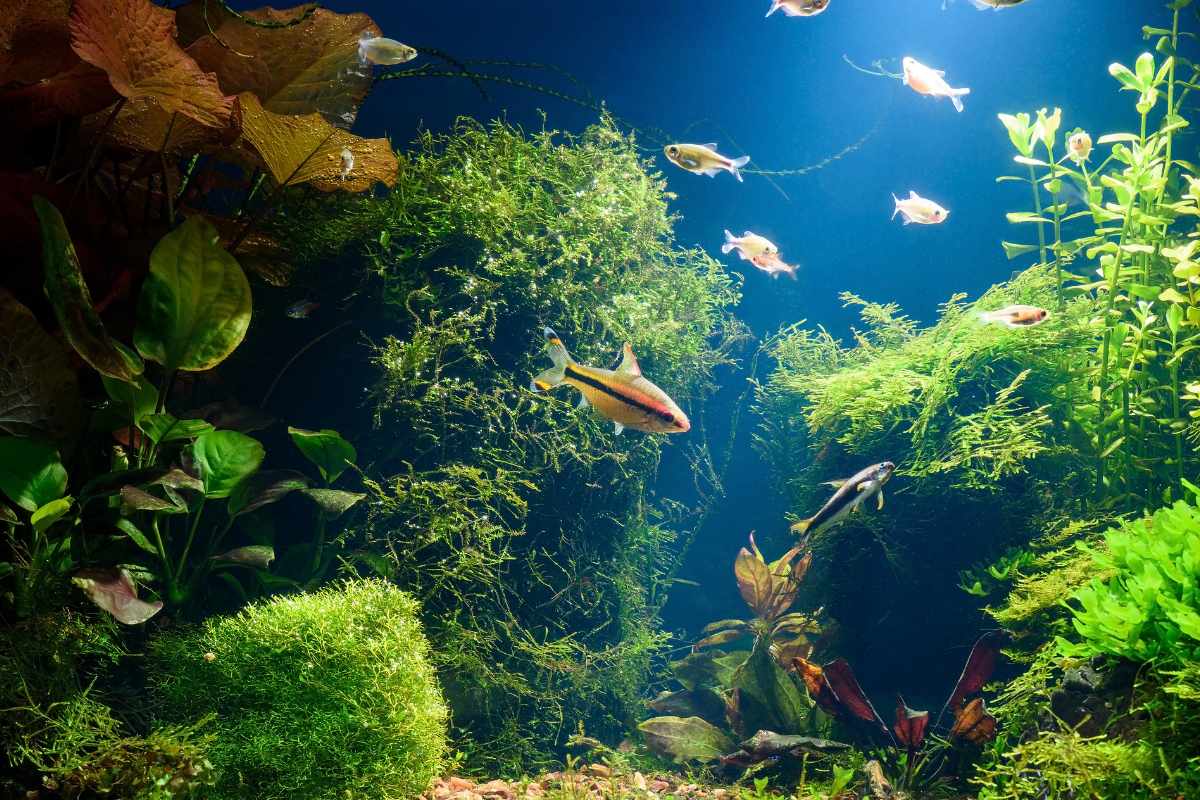
Preventing illness is always better than treating it after the fact. Here are some preventative measures that will help keep your fish healthy and happy:
Maintain Consistent Water Quality
As mentioned earlier, maintaining good water quality is essential to keeping fish healthy. Regular water changes and keeping the tank clean are vital for preventing diseases.
Proper Nutrition
Provide a balanced diet for your fish. High-quality fish food that is appropriate for the species you have will strengthen their immune system and prevent malnutrition.
Avoid Overcrowding
Overcrowding your tank can lead to high stress levels and poor water conditions, both of which make fish more susceptible to illness. Ensure your tank is appropriately sized for the number and type of fish you have.
Regular Health Checks
Make a habit of checking your fish regularly for signs of illness. Early detection of symptoms will allow you to treat any issues before they become severe.
Conclusion: Keeping Your Fish Healthy
Treating sick fish requires patience, attention to detail, and the right knowledge.
By recognizing the symptoms early, treating with the appropriate medications, and maintaining a clean, stable environment, you can ensure your fish recover and thrive.
Remember, prevention is key, and maintaining healthy water conditions and a balanced diet are the best ways to keep your fish happy and disease-free.
With these tips, you can confidently manage your fish’s health and enjoy the beauty of a vibrant and thriving aquarium.
If you have any concerns or need more advice, feel free to consult with a professional fish vet or aquarist who can guide you in the best treatment methods for your aquatic pets.
By following these steps, you can ensure your fish stay healthy and happy in their aquatic home. Happy fishkeeping!

Source: Mayur Dev - Aquascaper
Did you find this post useful or inspiring? Save THIS PIN to your Pets Board on Pinterest!

You may also like